Source eco-friendly disposable bathrobe for Salons, Spas, and Hotels
Compare 30 listings for eco-friendly disposable bathrobe options featuring nonwoven SMS fabric, various sizes, and customization capabilities. Buyers can evaluate models like TK04B and B2001 based on weight, packing, and certifications such as CE and ISO13485.
Key considerations
Products List





Comprehensive Sourcing Guide
Strategic Sourcing Guide for Eco-Friendly Disposable Bathrobes
Understanding Product Definitions and Core Attributes
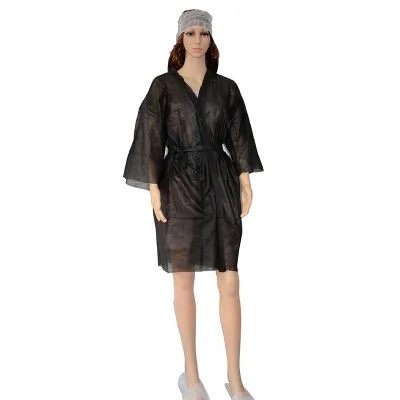
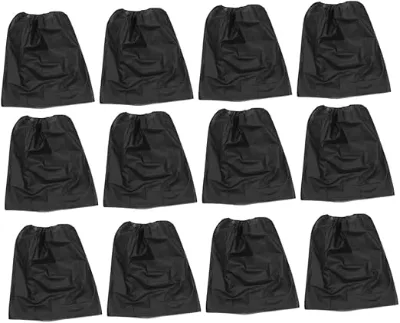
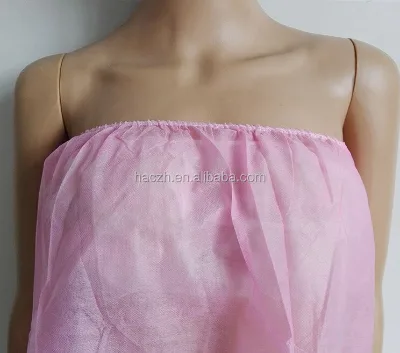
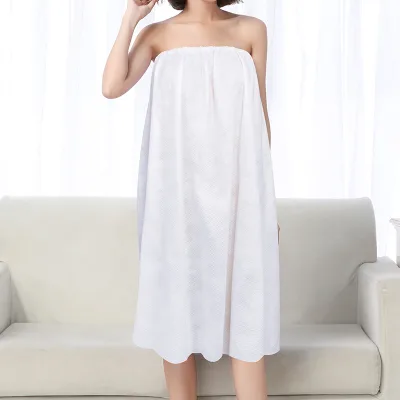
The procurement of eco-friendly disposable bathrobes requires a precise understanding of the product category, which often spans multiple sub-segments including spa robes, medical gowns, and beauty salon coverings. In the current market, these items are frequently categorized under "Gowns" or "Robes," with specific model identifiers such as D20230720-01, TK04B, and B2001 appearing in supplier catalogs. The primary material composition for these garments is typically soft non-woven fabric, often described as SMS (Spunbond-Meltblown-Spunbond) or general non-woven fabric. This material choice is critical for balancing the "eco-friendly" claim with the necessary functionality of being disposable, comfortable, and convenient.
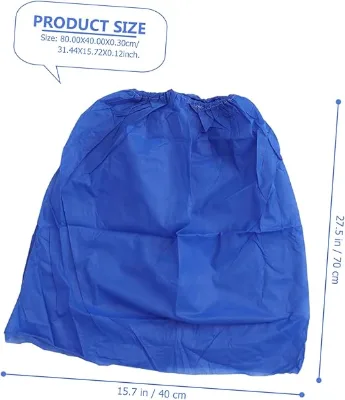
When evaluating the physical characteristics of these products, buyers must look at specific technical observations rather than assuming universal attributes. For instance, the grammage of the fabric is a key indicator of quality and material density, with observed ranges falling between 10-25g and specific listings noting 25g or 30g/m². The weave structure is predominantly knitting or non-woven construction, which directly impacts the tactile feel and drape of the robe. The product is generally designed for unisex use, catering to an adult age group, and is available in various sleeve styles, with long sleeves being a common configuration. The standard dimensions often cited include a size of S or customized sizes as required by the buyer, with some standard specifications listed as 100*140 cm.
Technical Specifications and Material Verification
To ensure the product meets the "eco-friendly" criteria while maintaining performance, buyers must scrutinize the material composition and production processes. The supply chain data indicates that the production process often involves a three-thread overlock technique, which ensures durability and prevents fraying during use. The fabric itself is described as soft non-woven, which provides the necessary comfort for applications in beauty salons, spas, and medical settings. However, the term "eco-friendly" is not automatically guaranteed by the material type alone; it requires verification of the specific non-woven fibers used.
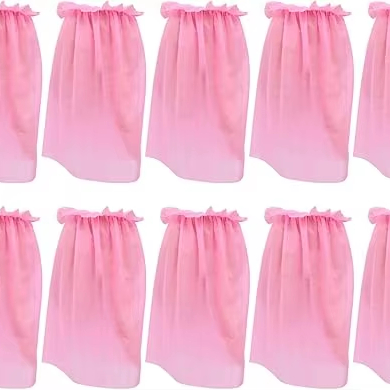
Buyers should verify the weight and density of the material against the observed data points of 25g or 30g/m². A higher gram weight generally suggests better coverage and durability, which is essential for a product intended to be worn for a specific duration before disposal. The color options are diverse, including white, blue, black, and pink, with customization available to match brand identities. The single package size for these items is often recorded around 35x25x15 cm, and the single gross weight is approximately 0.020 kg. These specifications are vital for calculating shipping costs and storage requirements.
| Attribute Category | Observed Data Points | Verification Requirement |
|---|---|---|
| Material | Soft Non Woven Fabric, Non Woven Fabric | Confirm fiber source (recycled vs. virgin) for eco-claims |
| Weight | 10-25g, 25g, 30g/m² | Verify if weight is per unit or per square meter |
| Dimensions | 100*140 cm, Size S, Customized | Confirm exact measurements for specific models |
| Production | Three-Thread Overlock | Check for seam strength and edge finishing |
| Packing | Carton, PP Bag, 10PCS/Bag | Assess packaging waste and recyclability |
Compliance, Certification, and Regulatory Standards
Navigating the regulatory landscape is a critical component of sourcing disposable bathrobes, particularly when they are intended for medical or beauty applications. The supply data highlights several certifications and standards that are relevant to this product category. Notably, some products are listed with CE and ISO13485 certifications, while others mention FDA compliance. These certifications are particularly important for products designated as "Disposable Beauty SPA Kimono" or "Disposable Kimono Robe Bikini Set," where hygiene and safety are paramount.
The presence of ISO13485 indicates that the manufacturer adheres to quality management systems specific to medical devices, which is a strong indicator of process control and safety. Additionally, the CE mark suggests conformity with health, safety, and environmental protection standards for products sold within the European Economic Area. However, buyers must be cautious not to assume that every listed product holds these certifications. The data shows variations, with some products listing "CE AND ISO13485" while others list "CE ISO" or simply "customized" standards.
When evaluating suppliers, procurement teams should request current, valid certificates for the specific model numbers being considered, such as TK01B or B2002. It is also important to distinguish between product certifications and general facility standards. While background information may reference ISO 9001 or ISO 14001, these should not be assumed to apply to the specific product unless explicitly stated in the product specifications. The absence of GOTS (Global Organic Textile Standard) or OEKO-TEX certifications in the high-confidence data suggests that buyers should explicitly ask for these if organic or textile-specific safety is a priority, rather than assuming their presence based on general industry knowledge.
Cost Drivers and Economic Considerations
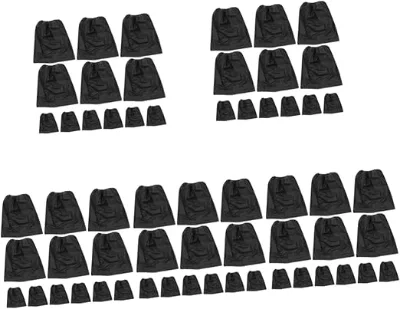
The pricing structure for disposable bathrobes is influenced by several factors, including material costs, customization levels, and order volume. The observed price range in the market spans from $0.02 to $6.00 USD, a wide variance that reflects differences in material quality, certification status, and order quantity. The Minimum Order Quantity (MOQ) also varies significantly, ranging from 1 unit to 100,000 units. This flexibility allows buyers to test the market with small orders or secure bulk pricing for large-scale operations.
Customization is a major cost driver. Products that offer customized colors, sizes, or branding (OEM/ODM) typically command higher prices than standard off-the-shelf items. The data confirms that customization is available, and the "Product name" often includes specific descriptors like "Disposable Kimono Robe Bikini Set," which may imply a more complex design and higher manufacturing cost. Additionally, the packing method affects the final cost. Options range from simple PP bags to more complex configurations like 1PC/Bag, 10PCS/Middle Bag, and 100PCS/CTN. The choice of packing can influence logistics efficiency and storage costs.
Buyers should also consider the "Loading Port" and origin location when calculating total landed costs. The data indicates origins in Hubei, China, with loading ports in Shanghai or Wuhan. Shipping costs will vary based on the destination and the volume of the order. The availability of free samples is a positive indicator for cost management, allowing buyers to verify quality before committing to a large order. However, the cost of shipping samples should be factored into the initial budget.
Typical Applications and Use Cases
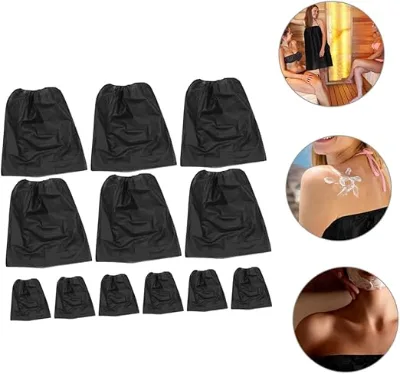
The versatility of disposable bathrobes makes them suitable for a wide range of applications, primarily in the beauty, medical, and hospitality sectors. The product attributes explicitly mention "Application: Beuty Salon" (Beauty Salon), confirming their use in spas and salons where hygiene is critical. The description "Disposable Beauty SPA Kimono" further reinforces this use case, where the garment is worn during treatments to protect the client's clothing and maintain a sanitary environment.
In the medical and healthcare sector, the presence of ISO13485 and FDA certifications suggests that these robes are also suitable for clinical settings. The "Function" attributes listed as "Warmth, Sexy, Home, Cool, Comfortable" indicate a broad appeal, but the "Disposable" nature makes them ideal for single-use scenarios where laundering is impractical or poses a contamination risk. The "Unisex" and "Adult" designations ensure that the product can be used across various demographics in hotels, hospitals, and rehabilitation centers.
The "Feature" of being "Convenient, comfortable soft" aligns with the needs of users in high-traffic environments where quick changes and comfort are essential. The "Three-Thread Overlock" production process ensures that the garment can withstand the movement of the wearer without tearing, which is crucial for applications involving physical therapy or extended wear during procedures.
Supplier Evaluation and Quality Control
Selecting the right supplier requires a rigorous evaluation process that goes beyond price and basic specifications. Buyers should verify the supplier's ability to meet the specific model requirements, such as the D20230720-01 or TK04B models, and ensure that the production process aligns with the desired quality standards. The "Production Process" of three-thread overlock is a specific technical detail that should be confirmed during the audit phase to ensure consistent seam quality.
Quality control should focus on the material consistency, particularly the weight and weave. Buyers must verify that the "Soft Non Woven Fabric" meets the specified gram weight of 25g or 30g/m² and that the color options (White, Blue, Black, Pink) are consistent with the order. The "Packing Way" of "by Carton" or "PP Bag" should be inspected to ensure that the packaging protects the product during transit and meets the buyer's sustainability goals.
The availability of "Free Sample" is a valuable tool for quality verification. Buyers should request samples of the specific model they intend to purchase to test the comfort, durability, and fit. The "OEM/ODM" acceptance indicates that the supplier is capable of customizing the product, but buyers must ensure that the customization process does not compromise the core quality or certification status of the garment.
Long-Term Procurement and Sustainability Considerations
For long-term procurement, buyers should consider the sustainability implications of their choices. While the product is labeled "disposable," the "eco-friendly" claim requires careful verification. Buyers should inquire about the biodegradability or recyclability of the non-woven fabric used. The current data does not explicitly confirm the eco-friendly status of the material, so this remains a key area for supplier inquiry.
The "Customization" feature offers an opportunity to reduce waste by optimizing the size and design of the robe to fit the specific needs of the application, thereby reducing material usage. The "Packing Way" should also be evaluated for its environmental impact, with a preference for recyclable or reduced packaging materials.
Finally, the "Lead Time" and "MOQ" flexibility are crucial for maintaining a stable supply chain. The observed MOQ range of 1 to 100,000 units allows for agile procurement strategies, enabling buyers to adjust their orders based on demand fluctuations. By maintaining a relationship with suppliers who offer "Free Sample" and "Customization," buyers can ensure a steady supply of high-quality, compliant, and potentially eco-friendly disposable bathrobes that meet their specific operational needs.
FAQs
Can I get free samples of the eco-friendly disposable bathrobe?
Free samples are available for this product to verify quality before bulk orders. You can request them to test the soft non-woven fabric and check the packaging details like the 35x25x15 cm single package size before committing to a purchase.
What certifications do these disposable bathrobe manufacturers hold?
Some models carry CE, ISO13485, and FDA certifications for medical and beauty applications. These standards ensure safety and hygiene for use in beauty salons and clinical settings, though not every listed product automatically includes all these specific certifications.
Which customization options are available for the bathrobe design?
Customization is available for colors, sizes, and branding through OEM or ODM services. Buyers can specify dimensions like 100x140 cm or request specific colors such as white, blue, black, or pink to match their brand identity and application needs.
How does the price range vary for these disposable robes?
The observed price range spans from 0.02 to 6 USD depending on material and order volume. Costs are influenced by factors like the gram weight, certification status, and whether the order requires customized packaging or specific model numbers like TK04B.
What is the typical minimum order quantity for these products?
The minimum order quantity ranges from 1 to 100,000 units depending on the supplier and product model. This flexibility allows buyers to test the market with small orders or secure bulk pricing for large-scale operations in hotels or medical facilities.
Where are these bathrobes manufactured and shipped from?
Products originate from locations such as Hubei, China, with loading ports in Shanghai or Wuhan. Buyers should account for these specific origins when calculating shipping costs and lead times for international delivery to their destination markets.
What material is used to make the eco-friendly disposable bathrobe?
The material is typically soft non-woven fabric, often described as SMS or general non-woven construction. This fabric provides comfort and durability, with observed weights ranging from 10 to 30 grams per square meter depending on the specific model.