Source Adjustable Plush Fabric Eye Mask for sleep, travel, and relaxation
Explore 30 listings for the Adjustable Plush Fabric Eye Mask designed for sleep, travel, and relaxation. Buyers can compare features like cooling gel, silk, and plush materials alongside customization options and packaging styles to find the best fit.
Key considerations
Products List


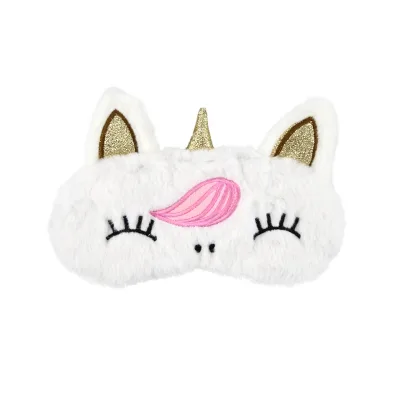

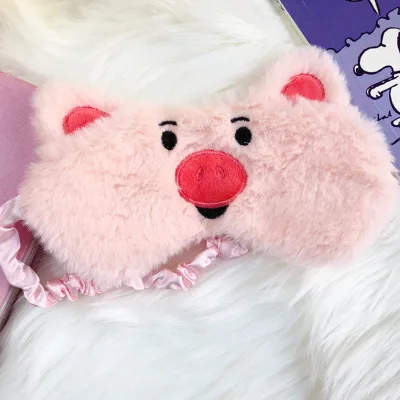
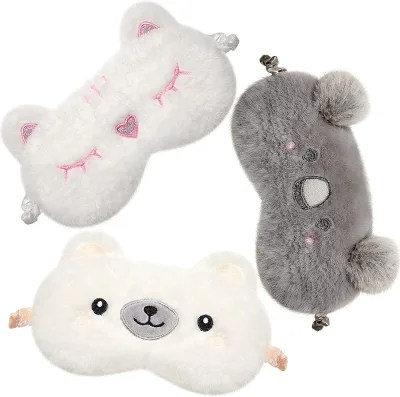
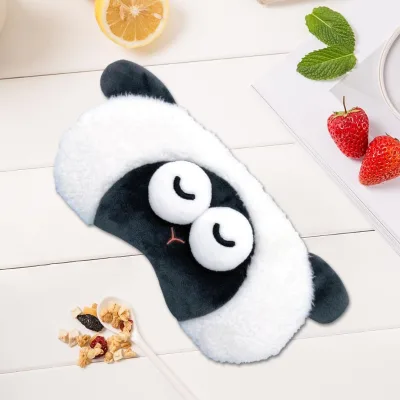

Comprehensive Sourcing Guide
Strategic Sourcing Guide for Adjustable Plush Fabric Eye Masks
Understanding Product Attributes and Material Composition
When sourcing an Adjustable Plush Fabric Eye Mask, buyers must first distinguish between the core material requirements and the functional design elements that define the product category. The term "plush" indicates a specific textile finish characterized by a soft, dense pile, which is distinct from other common materials like silk or cool gel often found in the broader sleep mask market. Based on available product data, the material composition for plush variants is frequently listed as "Customized," suggesting that suppliers may blend polyester, velvet, or other synthetic fibers to achieve the desired tactile experience. One observed specification explicitly lists "Polyester, Velvet" as a material option, while another entry notes "Silk" and "Cool Gel" for different product lines, highlighting the importance of verifying the exact fiber content before placing an order.
The physical dimensions of the mask are equally critical for ensuring a proper fit. While some standard models are described simply as "one size" or "normal size," specific technical data points to dimensions such as 17123cm or 72*12cm. These measurements likely refer to the folded state or the extended strap length, respectively. Buyers should verify whether the "adjustable" feature refers to the strap length, the bridge fit, or the overall contouring of the mask. The weight of the product is another variable observation; data points include weights of 40g and 260g, indicating a significant variance in density and material thickness. A heavier mask may offer better light blocking but could cause discomfort during extended wear, whereas a lighter plush mask prioritizes breathability. The "Medium" thickness specification observed in the data suggests a balance between softness and structural integrity, preventing the mask from collapsing against the eye sockets while maintaining the plush aesthetic.
Technical Specifications and Functional Features
The functional performance of an adjustable plush eye mask is defined by a combination of design features and intended use cases. The primary feature observed is "Keep Warm," which aligns with the thermal properties of plush fabrics, making these masks suitable for cold environments or users seeking warmth around the orbital area. Additional features include "Health Care" and "Support," implying that the mask may be designed to alleviate pressure or provide a therapeutic effect. The "Sleep" feature is explicitly listed, confirming the product's primary application in rest and recovery scenarios.
Adjustability is a key technical requirement for this category. While specific adjustment mechanisms (such as buckles, Velcro, or elastic) are not detailed in the provided data, the "Adjustable" keyword in the core search term necessitates that the final product must accommodate different head sizes. The "Gender: Unisex" attribute confirms that the design should be neutral, avoiding overly feminine or masculine styling cues. The "Style: Fashion" designation suggests that these masks are not purely utilitarian but are expected to have aesthetic appeal, potentially influencing the choice of color and texture. Observed color options include "Black," "White," and "OEM" (Original Equipment Manufacturer) custom colors, allowing buyers to align the product with brand identity or specific market preferences. The "Four Season" attribute indicates that the mask is designed for year-round use, requiring the plush material to offer thermal regulation that works in both warm and cool conditions.
Compliance, Certification, and Safety Standards
For B2B procurement, verifying compliance and certification is a non-negotiable step, particularly for products that come into direct contact with the skin and eyes. The provided data lists several certifications, including "MSDS" (Material Safety Data Sheet), "FDA," and "CE." These certifications are critical indicators of safety and regulatory adherence. The MSDS ensures that the chemical composition of the plush fabric and any dyes used are documented and safe for handling. The FDA certification suggests that the product may meet specific standards for medical or health-related devices, which is relevant given the "Health Care" feature. The CE mark indicates conformity with health, safety, and environmental protection standards for products sold within the European Economic Area.
However, buyers must exercise caution when interpreting these certifications. The data presents them as observed attributes of specific listings rather than universal guarantees for every plush mask. It is essential to request valid, up-to-date certification documents for the specific batch being ordered. The "Standard" attribute varies between "Customized," "Standard or Custom," and "Normal Size," which implies that regulatory compliance may depend on the specific customization requested. For instance, a custom size or material blend might require new testing to maintain FDA or CE status. The "Disposable: Non-Disposable" attribute clarifies that these are durable goods intended for repeated use, which necessitates higher standards for material durability and hygiene compared to single-use alternatives. Buyers should verify that the "Customized" standard mentioned in the data aligns with the regulatory requirements of their target export markets.
Cost Drivers and Pricing Dynamics
The pricing structure for adjustable plush fabric eye masks is influenced by several variable factors, including material sourcing, customization levels, and order volume. The observed price range in the market spans from $0.22 to $4.99 USD. This wide disparity reflects the difference between basic, unbranded units and premium, highly customized versions. The lower end of the spectrum likely corresponds to standard sizes with minimal customization, while the higher end reflects complex designs, premium plush materials, or added features like specific packaging or branding.
Order Volume is a primary cost driver. The Minimum Order Quantity (MOQ) varies significantly, with observed ranges from 2 to 10,000 units. However, a high-confidence fact indicates an MOQ of 1,000 pieces for many listings. This suggests that while small sample orders are possible, bulk pricing becomes viable only at the 1,000-unit threshold. The "Customization: Available" attribute further impacts cost; adding custom logos, specific colors, or unique packaging (such as "Color Gift Boxes" or "OPP Bag & Carton") will increase the unit price. The "Sample Time" of 7-10 days and the "Freight Collect" sample policy also represent indirect costs that buyers must factor into their initial budgeting. Additionally, the "prod_packing" options, ranging from simple "Polybag" to elaborate "Color Gift Boxes," will significantly alter the final landed cost. Buyers should request detailed quotes that break down the base unit cost, tooling fees for custom molds or printing, and packaging expenses to understand the true cost structure.
Supplier Evaluation and Operational Logistics
Selecting the right supplier requires a thorough evaluation of their operational capabilities, location, and production standards. The data indicates that products originate from "Shanghai" and "Zhejiang, China," both of which are major manufacturing hubs in China known for textile and accessory production. These locations suggest a mature supply chain with access to high-quality plush fabrics and efficient logistics networks. When evaluating suppliers, buyers should verify their ability to meet the "Customized" standard and their experience with "OEM" (Original Equipment Manufacturer) orders.
The "Sample" process is a critical indicator of supplier reliability. The data notes a "7-10 Days" sample time and a "Freight Collect" policy, meaning the buyer pays for shipping. A supplier that can consistently deliver samples within this timeframe demonstrates efficient internal processes. The "7 Days Sample Order Time: Support" attribute further confirms that many suppliers are prepared to handle rapid prototyping. Buyers should assess the supplier's responsiveness to customization requests, such as logo printing and color matching. The "Logo: Printing" and "Logo: Accept Custom" attributes indicate that branding is a standard service, but the quality of the print (e.g., screen printing, embroidery) should be verified during the sample stage. Furthermore, the "prod_standard" being listed as "standard size" or "customized" implies that the supplier must have the flexibility to switch between mass production and bespoke manufacturing without compromising quality.
Quality Control and Long-Term Procurement Strategy
Ensuring consistent quality in plush fabric eye masks requires a robust quality control (QC) strategy. The "Medium" thickness and "Plush" material require specific attention to fiber density and pile height to prevent matting or shedding after repeated use. Since the product is "Non-Disposable," durability testing is essential. Buyers should establish clear acceptance criteria for seam strength, strap elasticity, and the adhesion of any printed logos. The "Color: OEM" and "Color: Black/White" observations highlight the need for color fastness testing to ensure the plush fabric does not bleed dye onto the skin or bedding.
For long-term procurement, maintaining a consistent supply chain is vital. The "Customized" nature of the material and standard means that any changes in the supplier's production line could affect the final product. Buyers should negotiate a long-term agreement that locks in pricing for the 1,000-piece MOQ tier and establishes clear protocols for quality deviations. The "prod_packing" options, such as "1 PCS a Ploybag" or "Carton," should be standardized to ensure efficient logistics and inventory management. Additionally, the "Health Care" and "Support" features suggest that the product may be marketed for therapeutic benefits; therefore, maintaining the integrity of these claims through consistent quality is crucial for brand reputation. Regular audits of the supplier's facility in Shanghai or Zhejiang, China, can help ensure that the "MSDS, FDA, CE" certifications remain valid and that production practices continue to meet safety standards. By focusing on these technical and operational details, buyers can secure a reliable supply of high-quality adjustable plush fabric eye masks that meet both functional and commercial requirements.
FAQs
Can I get custom logos printed on the eye mask?
Yes, logo printing is available for customization. Buyers can request specific designs or text to be applied to the plush fabric, subject to the supplier's minimum order quantity requirements and sample approval process.
What certifications do these eye masks typically hold?
Some listings indicate certifications such as MSDS, FDA, and CE for safety compliance. These documents verify chemical safety and regulatory adherence, but buyers must request valid certificates for the specific batch being ordered.
How long does it take to receive a sample order?
Sample production typically requires 7 to 10 days to complete. The shipping cost for these samples is usually collected from the buyer, and freight collect policies apply before bulk production begins.
What is the standard minimum order quantity for these masks?
A common minimum order quantity is 1,000 pieces for bulk customization. While some suppliers may accept smaller quantities, the 1,000-unit threshold is the standard for securing customized pricing and production slots.
Which materials are used for the plush fabric construction?
Materials often include polyester, velvet, silk, or cool gel depending on the specific model. Buyers should verify the exact fiber content as options vary between standard plush blends and specialized therapeutic materials.
Where are these products typically manufactured and shipped from?
Products originate from manufacturing hubs in Shanghai and Zhejiang, China. These locations provide access to established textile supply chains and efficient logistics networks for international shipping of the finished goods.
What packaging options are available for bulk orders?
Packaging ranges from simple polybags to customized color gift boxes. Buyers can choose between standard OPP bags, cartons, or bespoke packaging solutions to align with their brand identity and retail requirements.