Source Ratchet Wrench for Automotive, Industrial, and DIY Use
Find 30 Ratchet Wrench options from China and Taiwan. Compare adjustable spanners, torque wrenches, and hook spanners with varying jaw capacities and materials like carbon steel and stainless steel. Evaluate OEM support and certifications for your specific mechanical needs.
Key considerations
Products List
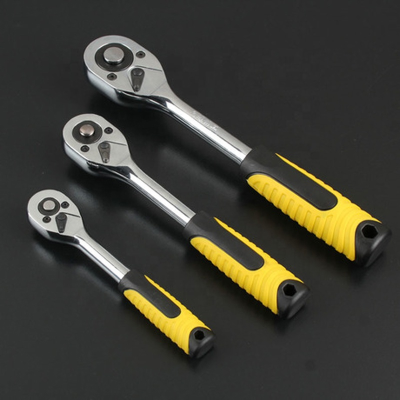
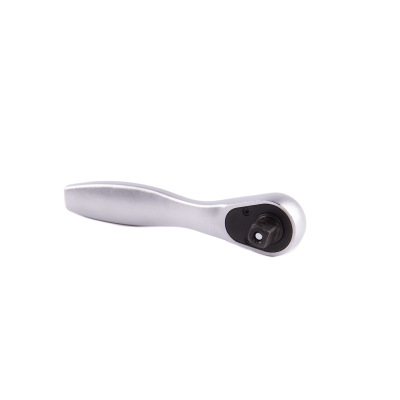


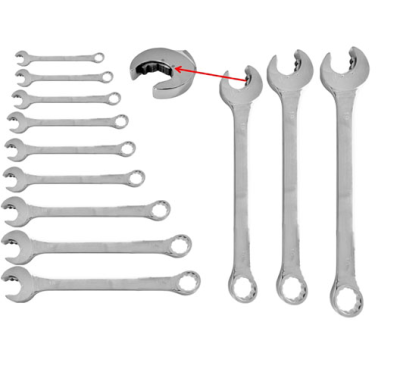


Comprehensive Sourcing Guide
Ratchet Wrench Sourcing Guide
Sourcing ratchet wrenches requires a clear understanding of the diverse mechanical applications and material specifications available in the global market. These tools are essential for fastening and loosening bolts and nuts, with designs ranging from simple adjustable spanners to complex digital torque wrenches. Buyers must distinguish between general-purpose hand tools and specialized industrial equipment, as the performance requirements for a DIY project differ significantly from those in high-torque automotive or heavy industrial settings. The market offers a wide variety of types, including combination wrenches, box end wrenches, and claw end valve wrenches, each serving specific mechanical needs.
The procurement process involves evaluating multiple variables, including jaw capacity, torque capacity, and surface treatments. Observed listings indicate a broad spectrum of options, from carbon steel tools with black oxide finishes to stainless steel models with mirror chrome plating. Buyers should focus on verifying the specific grade of steel, the precision of the ratchet mechanism, and the durability of the finish against corrosion and wear. Understanding these technical nuances is critical for selecting the right tool for the intended application, whether it involves automotive repair, industrial maintenance, or general construction tasks.
Product Scope and Observed Listing Signals
The current market for ratchet wrenches exhibits significant diversity in product types and specifications. Listings reveal a wide array of wrench categories, including adjustable hook spanners, beam torque wrenches, dial torque wrenches, and digital torque wrenches. This variety suggests that buyers can source tools for precise torque application as well as general-purpose fastening. The presence of brands such as EMANUEL and TBRACING indicates that both generic and branded options are available, catering to different market segments from DIY enthusiasts to professional industrial users.
Observed product attributes highlight specific technical capabilities and material choices. For instance, some listings specify a jaw capacity ranging from 1/2 inch to 3 inches, while others focus on torque capacities up to 2000 lb-ft. Materials vary from carbon steel to stainless steel, with surface treatments including black phosphate, chrome, nickel coating, and powder coating. These signals suggest that buyers should carefully match the tool’s material and finish to the environmental conditions of its use, such as exposure to moisture or chemicals, to ensure longevity and performance.
Technical Specifications to Verify
When evaluating ratchet wrenches, buyers must verify key technical specifications to ensure compatibility with their operational requirements. Jaw capacity is a critical parameter, with observed sizes ranging from small increments like 1/4 inch to larger capacities of 3 inches. Additionally, torque capacity varies significantly, with some tools rated for low-torque applications like 30 Nm and others designed for high-torque tasks up to 2000 lb-ft. Buyers should confirm that the selected wrench can handle the maximum torque required for their specific tasks without risking tool failure or safety hazards.
Material composition and finish are equally important for durability and performance. Carbon steel is commonly used for its strength, often treated with black oxide or phosphate coatings to prevent rust. Stainless steel options are available for environments requiring higher corrosion resistance. Surface finishes such as mirror chrome plating or satin coatings not only enhance aesthetics but also provide additional protection against wear. Buyers should verify the specific grade of steel and the quality of the surface treatment to ensure the tool can withstand the mechanical stresses and environmental conditions of its intended use.
Compliance and Safety Documentation
Compliance with international standards is essential for ensuring the safety and reliability of ratchet wrenches. Observed certifications include TUV, ISO9001, ISO14001, and OHSAS18001, indicating adherence to quality management, environmental management, and occupational health and safety standards. Additionally, some products comply with DIN German Industrial Standards or American Type standards, which are critical for buyers operating in regions with strict regulatory requirements. Buyers should request certification documents to verify that the manufacturer has undergone rigorous auditing and testing processes.
Safety documentation should also include detailed instructions for proper use and maintenance. Tools with high torque capacities, such as those rated up to 2000 lb-ft, require specific handling procedures to prevent injury. Buyers should ensure that suppliers provide clear guidelines on maximum torque limits and safe operating practices. Furthermore, compliance with CE marking for European markets or other regional safety standards may be necessary depending on the destination of the products. Verifying these documents helps mitigate liability and ensures that the tools meet the necessary safety benchmarks for professional use.
Cost Drivers and Commercial Terms
Several factors influence the cost of ratchet wrenches, including material quality, manufacturing complexity, and customization options. Customized support, such as OEM, ODM, and OBM services, can add to the cost but offers flexibility for branding and specific design requirements. The MOQ (Minimum Order Quantity) varies, with some suppliers requiring as few as 1 unit and others demanding up to 1200 units. Buyers should negotiate terms that align with their inventory needs and budget constraints, considering the trade-offs between unit price and order volume.
Commercial terms also include packaging and shipping considerations. Observed packing methods range from hang bags and inner boxes to cartons and wooden boxes, with quantities per carton varying from single items to 48 pieces. The single gross weight of some products is listed at 68.000 kg, which impacts shipping costs and logistics planning. Buyers should clarify the port of dispatch, such as FOB Taiwan or other locations, and understand the lead times associated with different order sizes. Transparent communication about these terms helps avoid unexpected costs and ensures smooth supply chain operations.
Supplier Qualification and Quality Control
Supplier qualification is a critical step in the sourcing process, requiring a thorough assessment of the manufacturer’s capabilities and quality control systems. Buyers should verify the supplier’s production facilities, focusing on their ability to maintain consistent quality across large production runs. The presence of certifications like ISO9001 suggests a structured quality management system, but buyers should also conduct on-site audits or request third-party inspection reports to validate these claims. Understanding the supplier’s track record and customer feedback can provide additional insights into their reliability and service quality.
Quality control measures should include rigorous testing of the wrenches for torque accuracy, jaw alignment, and material integrity. Buyers should inquire about the testing procedures used by the supplier, such as torque calibration tests and durability assessments. For customized orders, it is essential to establish clear specifications and approval processes to ensure that the final product meets the buyer’s requirements. Implementing a robust quality control plan, including pre-shipment inspections, helps minimize the risk of defects and ensures that the delivered tools perform as expected.
Long-Term Procurement Checks
Long-term procurement success depends on establishing strong relationships with suppliers and continuously monitoring performance. Buyers should regularly review supplier performance metrics, including on-time delivery rates, product quality, and responsiveness to issues. Maintaining open communication channels allows for timely resolution of any problems and fosters a collaborative partnership. Additionally, buyers should stay informed about industry trends and technological advancements in Ratchet Wrench manufacturing to ensure they are sourcing the most effective and efficient tools.
Regular audits and re-evaluations of suppliers help maintain high standards and drive continuous improvement. Buyers should periodically assess the supplier’s ability to adapt to changing market conditions and customer needs. This includes evaluating their capacity for customization, scalability, and innovation. By proactively managing supplier relationships and staying engaged with the latest developments in the industry, buyers can secure a reliable supply of high-quality ratchet wrenches that support their operational goals and long-term business success.
FAQs
What certifications do the ratchet wrenches have?
The products hold TUV, ISO9001, ISO14001, and OHSAS18001 certifications. Some listings also mention CE and ISO standards. These credentials ensure compliance with international quality and safety requirements for industrial use.
Can I get customized support for these tools?
Yes, OEM, ODM, and OBM customized support are available for these ratchet wrenches. Buyers can request specific branding or design modifications. This flexibility allows businesses to tailor products to their unique operational needs.
What is the minimum order quantity for purchase?
The standard minimum order quantity is 500 units. However, observed listings show a range from 1 to 1200 units depending on the specific supplier. Buyers should verify the exact MOQ with the vendor before placing an order.
Which materials are used to manufacture these wrenches?
The primary material used is carbon steel, with some variants made from stainless steel. These materials provide durability and strength for industrial applications. The finish options include mirror chrome, black oxide, and powder coating.
How long is the warranty period for the product?
The warranty period for these ratchet wrenches is three years. This coverage applies to manufacturing defects and ensures long-term reliability for users. Buyers should retain proof of purchase to validate warranty claims effectively.
What sizes are available for the plastic handle Ratchet Wrench?
Available sizes include 6, 8, 10, 12, 15, 18, and 24 inches. Jaw capacities range from 1/2 inch to 16 inches depending on the model. Specific sizes like 150mm and 600mm are also listed for certain variants.
Where are these ratchet wrenches manufactured?
Products originate from Shandong, China, and Taiwan, China. The specific place of origin depends on the supplier and model number. Buyers should check the product details to confirm the exact manufacturing location for their order.