Source Raspberry Pi Camera with Autofocus and Night Vision for security, robotics, and IoT
Explore 30 listings for the Raspberry Pi Camera with Autofocus and Night Vision, featuring varied resolutions and field of view options. Buyers can compare specifications like sensor types, connectivity, and mounting styles to find suitable modules for diverse projects.
Key considerations
Products List
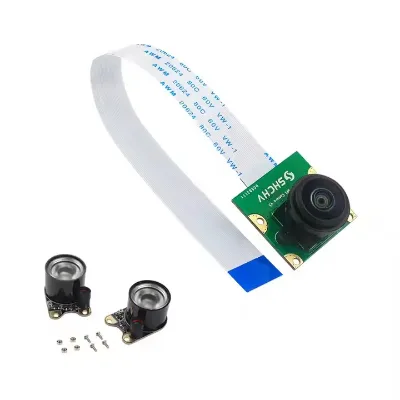
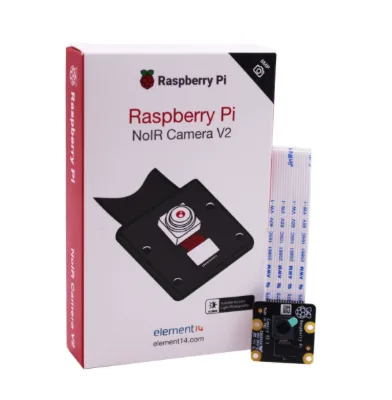
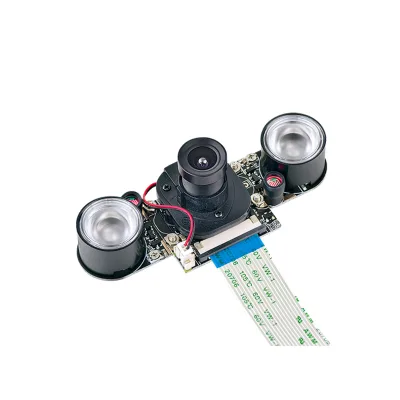
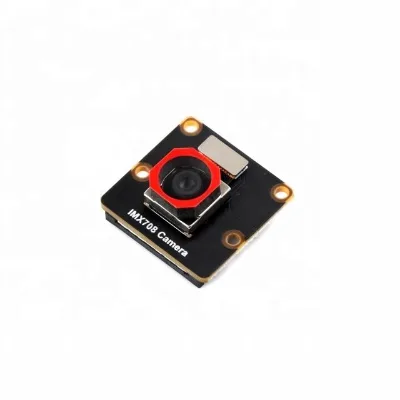


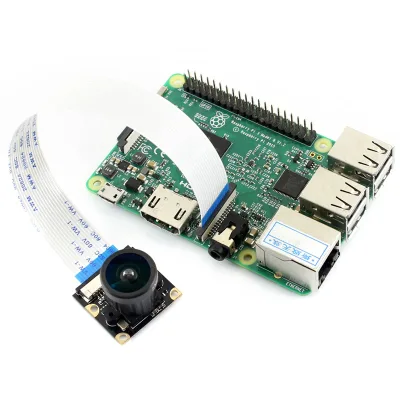
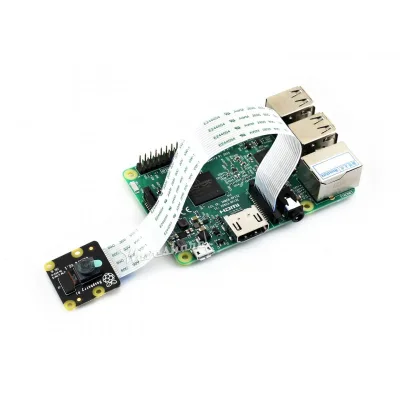
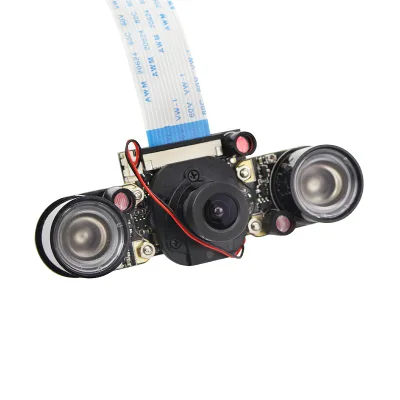
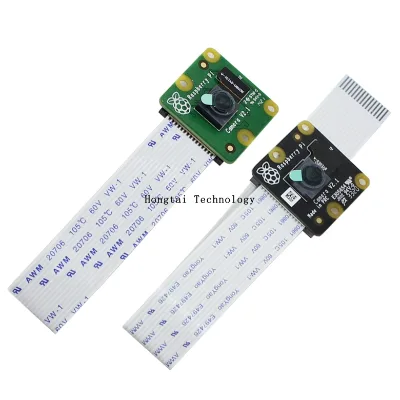
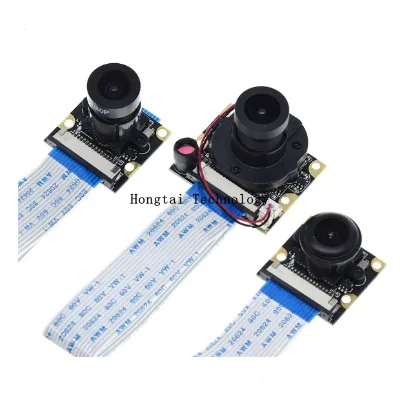
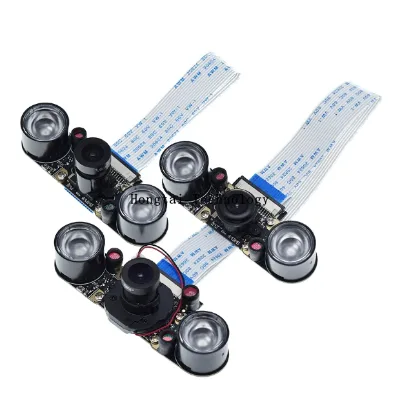
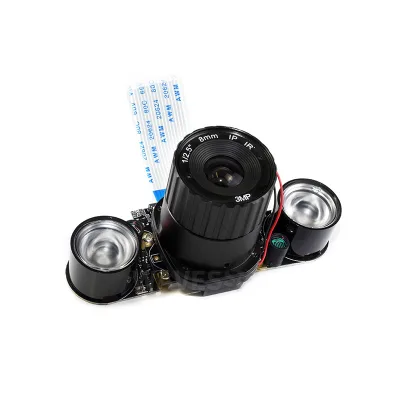
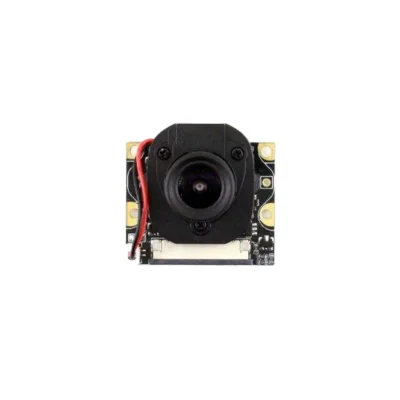
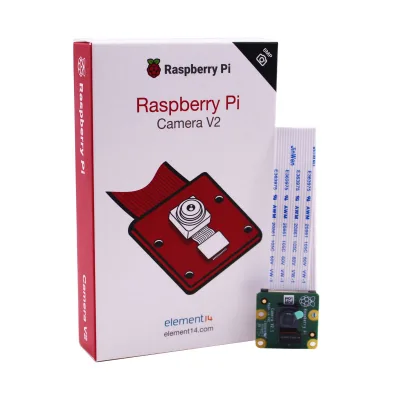
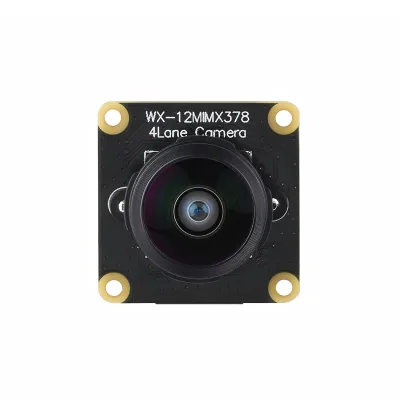
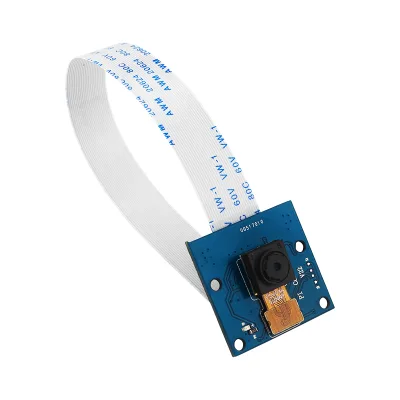
Raspberry Pi Infrared Camera Module V2 Raspberry Pi Supports Night Vision Camera
$21.24 - $24.15
MOQ: 50 pieces



Comprehensive Sourcing Guide
Strategic Sourcing Guide for Raspberry Pi Cameras with Autofocus and Night Vision
Understanding the Technical Landscape for Raspberry Pi Imaging Modules
Sourcing a Raspberry Pi camera module that combines autofocus capabilities with night vision requires a precise understanding of the underlying sensor technologies and optical configurations available in the current market. The core keyword implies a device capable of dynamic focus adjustment and low-light performance, which are distinct from standard fixed-focus modules. In the observed product data, specific attributes highlight the complexity of these systems. For instance, the presence of "Infrared night vision: Supported" indicates that the module includes an IR cut filter or an active IR illumination system to function in darkness. The field of view (FOV) is a critical variable, with observed ranges spanning from 77 to 200 degrees. A wider FOV, such as 130 or 200 degrees, is often associated with wide-angle lenses, while a 77-degree FOV suggests a more standard or telephoto configuration.
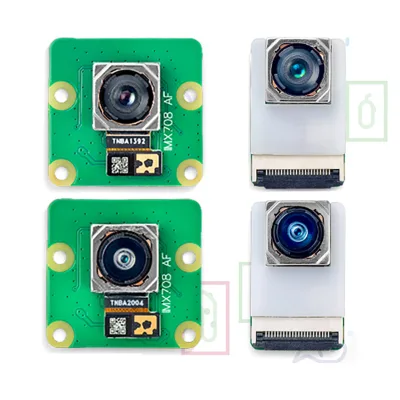
The sensor technology is equally vital. The data references specific sensor models such as the OV5647 and the IMX708-75. The OV5647 is a widely recognized sensor, typically offering 5MP resolution, whereas the IMX708-75 represents a higher-end specification, potentially offering 11.9MP resolution with a sensor size of 1/4 inch. The aperture value of F2.0 noted in the specifications is a key indicator of light-gathering ability; a lower F-number allows more light to reach the sensor, which is essential for night vision performance. However, the existence of autofocus in a compact module often necessitates a specific mechanical lens design or a voice coil motor (VCM) that is not always standard in the base "Original" brand modules listed. Buyers must verify if the "autofocus" claim is supported by the specific model number, as some listings may imply focus adjustment through software or fixed-focus lenses that are simply labeled as versatile. The physical dimensions, such as the 25x24mm or 23.86mm*25mm form factors, must align with the Raspberry Pi 5 camera interface and the mechanical constraints of the host device.
Compliance, Certification, and Regulatory Verification
When procuring electronic components for commercial or industrial applications, compliance with international standards is non-negotiable. While the supplied product facts do not explicitly list certification bodies like CE, FCC, or RoHS, the absence of this data in a supplier's listing is a significant risk indicator. Buyers must treat the "Quality: High-quality" attribute as a marketing statement rather than a verified compliance metric. The verification process should begin with a request for the Declaration of Conformity (DoC) and specific test reports for electromagnetic compatibility (EMC) and radio frequency (RF) emissions, especially since the product features mention "Support TF+WIFI," implying wireless connectivity that must adhere to regional spectrum regulations.
Furthermore, the "Place of Origin" is listed as Guangdong, China, for several items. This region is a major manufacturing hub, but it also necessitates rigorous due diligence regarding supply chain transparency. Buyers should verify if the supplier can provide documentation proving that the components, particularly the CMOS sensors and the infrared LEDs, meet the environmental standards of the destination market. For night vision applications, the wavelength of the infrared LEDs must be verified to ensure they do not interfere with other sensitive equipment or violate safety standards regarding eye exposure. The "Brand Name" varies between "ENOKAY," "Original," and "Original brand," which suggests a mix of OEM and generic products. This inconsistency highlights the need to confirm the intellectual property rights and the authenticity of the sensor chips, as counterfeit sensors often fail to meet the advertised resolution or low-light performance claims.
Cost Drivers and Pricing Structures in the Market
The pricing landscape for Raspberry Pi camera modules with advanced features like autofocus and night vision is highly variable, as evidenced by the observed price range of 1 to 20,000 USD. This wide disparity is not indicative of a single product line but rather reflects the spectrum from simple sensor boards to complete, integrated camera systems with housing and processing units. The "Unit Price: PIs Consult" attribute found in the data for the IMX708-75 model suggests that high-specification components often require a Request for Quotation (RFQ) due to customization, volume discounts, or supply chain volatility.
Several factors drive these costs. First, the sensor type is a primary cost driver; modules utilizing the IMX708-75 sensor are likely priced significantly higher than those using the OV5647 due to the higher resolution (11.9MP vs. 5MP) and advanced low-light capabilities. Second, the inclusion of autofocus mechanisms adds mechanical complexity and assembly costs, which can double or triple the price of a standard fixed-focus module. Third, the "Shipping way" options such as DHL, UPS, and FedEx, along with the "Single gross weight" ranging from 0.060 kg to 0.800 kg, indicate that logistics costs can be a substantial portion of the total landed cost, particularly for heavier, fully enclosed units. The "MOQ" (Minimum Order Quantity) also plays a crucial role; while some listings show an MOQ of 1 Piece, others require 4 PCS or up to 500 units. Buyers purchasing in small quantities may face a higher per-unit cost, whereas bulk orders can leverage economies of scale but require a larger upfront capital commitment.
Typical Applications and Functional Integration
The functional applications for these cameras are diverse, ranging from hobbyist projects to industrial automation. The "Functional Application: for raspberry pi5" and "Compatible with Raspberry Pi Series Boards" attributes confirm that these modules are designed for the Raspberry Pi ecosystem. The specific mention of "Support TF+WIFI" suggests applications requiring local storage expansion and remote monitoring, which is common in security surveillance and IoT (Internet of Things) deployments. The "Features: Compatible with libcamera, Picamera2, rpicam-apps" indicates that the software stack is well-integrated, allowing developers to utilize existing Python libraries for image processing, motion detection, and streaming.
Night vision capabilities make these modules ideal for 24/7 security monitoring, where visible light is insufficient. The "Infrared night vision: Supported" feature allows for covert observation without disturbing the environment with visible light. Autofocus is particularly valuable in applications where the distance to the subject varies, such as in robotic vision systems, automated inspection lines, or smart home devices that need to track moving objects. The "Mounting Type: Wall mounted/lifting/other" attribute further points to physical installation scenarios, suggesting that the camera modules are often part of a larger enclosure system. The "Resolution: 11.9MP (4608 * 2592)" provides high detail for facial recognition or license plate reading, while the "Field of View" options allow for customization based on the required coverage area.
Supplier Evaluation and Vendor Selection Criteria
Selecting the right supplier is critical when dealing with specialized components like camera modules. The data shows a mix of brand names, including "ENOKAY" and generic "Original" labels, which indicates a fragmented market with both branded and unbranded suppliers. Buyers should prioritize suppliers who provide clear, consistent product specifications rather than vague descriptions like "Please contact me" for critical dimensions or storage requirements. The "Service Support: BOM services" attribute is a positive indicator, suggesting that the supplier can assist with Bill of Materials management, which is essential for integrating the camera into a larger product design.
When evaluating suppliers, buyers should look for transparency in the "Lead time," which is listed as "1-3 Working Days" for some items. This suggests a responsive supply chain, but it is essential to verify if this lead time applies to stock items or requires manufacturing time. The "Payment" methods, including "Paypal\TT\Western Union\Trade Assurance," offer varying levels of buyer protection; Trade Assurance is generally preferred for B2B transactions as it provides a mechanism for dispute resolution. Additionally, the "Single package size" and "Single gross weight" should be cross-referenced with the supplier's shipping capabilities to ensure they can handle the logistics efficiently. A supplier that offers "DHL/UPS/FEDEX" shipping is likely more reliable for international delivery than one with limited options.
Quality Control and Long-Term Procurement Considerations
Quality control is paramount when sourcing electronic components that will be used in critical applications. The "Quality: High-quality" claim must be validated through sample testing and inspection protocols. Buyers should request pre-shipment inspection reports that verify the resolution, autofocus accuracy, and night vision performance. The "CMOS size: 1/4 inch" and "Aperture(F): 2.0" should be physically measured to ensure they match the specifications. For long-term procurement, the availability of spare parts and the lifespan of the components are key considerations. The "Storage: Please contact me" attribute is a red flag for long-term planning; buyers need to confirm the supported storage media (e.g., microSD cards) and the durability of the storage interface.
Sustainability and end-of-life planning are also important. The "Process" technology is listed as "Please contact me," which means buyers must inquire about the manufacturing processes used, including the use of lead-free soldering and environmentally friendly materials. The "Features: Compatible with all Raspberry Pi models" suggests broad compatibility, but buyers should verify if the firmware or drivers will be supported for future Raspberry Pi iterations. Finally, the "Shipping by" options and "Lead time" should be factored into the supply chain risk management strategy. A supplier with a "1-3 Working Days" lead time offers agility, but buyers should also assess their contingency plans for supply disruptions, especially given the global nature of the semiconductor supply chain. By rigorously evaluating these factors, buyers can secure a reliable supply of high-performance camera modules that meet their specific technical and operational requirements.
FAQs
What resolution does the IMX708-75 camera module offer?
The IMX708-75 camera module offers a resolution of 11.9MP with dimensions of 4608 by 2592 pixels. This high resolution supports detailed imaging for applications requiring clear facial recognition or license plate reading capabilities on Raspberry Pi boards.
Can this camera support infrared night vision capabilities?
Yes, the product supports infrared night vision to enable operation in low-light or dark environments. This feature allows for covert observation without visible light, making it suitable for 24/7 security monitoring and surveillance applications.
Which Raspberry Pi models are compatible with this camera?
The camera is compatible with Raspberry Pi Series Boards, including the Raspberry Pi 5. It supports standard software stacks like libcamera, Picamera2, and rpicam-apps for seamless integration into existing projects.
How does the aperture affect night vision performance?
The camera features an aperture of F2.0, which allows more light to reach the sensor for better low-light performance. A lower F-number is essential for capturing clear images during night vision operations when ambient light is minimal.
What is the minimum order quantity for these camera modules?
The minimum order quantity varies, with some listings requiring just one piece while others specify four pieces. Buyers should verify the specific MOQ for their chosen model, as it can range from single items up to 500 units depending on the supplier.
Where are these camera modules typically manufactured?
The place of origin for these modules is listed as Guangdong, China. This region is a major manufacturing hub, but buyers should verify supply chain transparency and compliance with destination market standards for electronic components.