Source Real Leather Electric Car Seat for V-Class, VITO, and Sprinter
Compare 30 listings for Real Leather Electric Car Seat options including V-Class, VITO, and Sprinter models. Buyers can evaluate customization, material quality, and pricing from verified Chinese manufacturers.
Key considerations
Products List


Business Luxury Reclining Electric Genuine Car Seat for V Class Conversion
$1300.00 - $14500.00
MOQ: 1 Sets


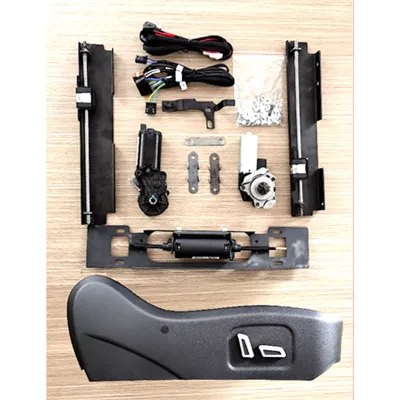
New Style Car Seat Power Seat Electric Automotive Seat for Mercedes Benz
$184.80 - $220.00
MOQ: 1 sets
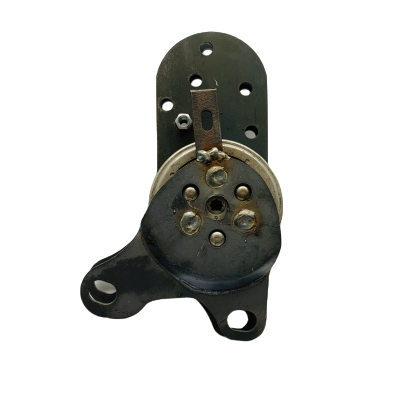


Comprehensive Sourcing Guide
Real Leather Electric Car Seat Sourcing Guide
The market for real leather electric car seats is defined by a convergence of luxury aesthetics and advanced vehicle integration, specifically targeting high-end electric vehicle platforms. Based on observed listings, these products are engineered for specific models such as the Mercedes-Benz V-Class, VITO, and METRIS, as well as the New V Class and Sprinter variants. Buyers must recognize that while the core material is genuine leather, the application often extends to full interior renovation sets that include wall panels and side panels, rather than isolated seat units. This distinction is critical for procurement planning, as the scope of supply can range from single seat replacements to complete cabin overhaul packages.
Sourcing decisions for these components require a clear understanding of the customization landscape, as the majority of available inventory supports tailored specifications. The observed product attributes indicate that customization is a primary feature, with options for color selection ranging from standard beige, black, and white to more unique shades like tartufo and colorful variations. Furthermore, the functional scope often includes integrated technologies such as USB and wireless charging capabilities, which must be verified against the specific electrical architecture of the target electric vehicle. Buyers should approach this category with the expectation that "off-the-shelf" solutions are rare, and the procurement process will likely involve defining precise design styles, such as business or luxury aesthetics, to match the vehicle's interior.
Product Scope and Observed Listing Signals
When evaluating product listings, buyers should distinguish between general seat offerings and comprehensive interior sets. The data indicates that many suppliers provide a "Whole Set Pack" which includes seats, wall panels, and side panels, suggesting that the procurement scope often encompasses the entire rear or front row cabin environment. This is particularly relevant for electric vehicles where interior space utilization is a key design priority. The observed product types range from general seats to specific configurations for the front row and back row, requiring the buyer to explicitly define the seating position to ensure compatibility with the vehicle's existing mounting points and electrical systems.
Material authenticity and finish are central signals in this category, with a strong emphasis on real leather as the primary upholstery material. Listings frequently specify leather thickness, such as 1.2 ± 0.2mm, and describe the leather quality as "A Class," which serves as a proxy for durability and tactile feel. However, the color options are highly variable, with some listings offering fixed combinations like beige and black, while others emphasize a fully customizable color palette. Buyers must verify whether the "real leather" claim applies to the entire surface or specific contact points, and confirm if the backing material is universal or vehicle-specific, as this impacts the installation complexity and the need for additional structural components.
Technical Specifications to Verify
Technical verification for electric car seats must begin with the physical dimensions and structural integrity of the components. The observed single package sizes, such as 7575130cm, and gross weights of 75kg, indicate that these are substantial units requiring specialized logistics planning. Buyers should confirm the molding process, which is often injection-produced, to ensure the structural frame can support the weight of electric motors and heating/cooling elements. Additionally, the shape of the cushion, typically square in observed listings, must be cross-referenced with the vehicle's seat frame geometry to prevent fitment issues that could compromise safety or comfort.
Electrical integration is a critical technical parameter that differentiates these seats from standard automotive upholstery. The presence of USB and wireless chargers within the seat assembly requires a detailed review of voltage compatibility and wiring harness standards. Since the products are designed for specific models like the V-Class and V250, the electrical interface must match the vehicle's CAN bus or power distribution system. Buyers should also verify the installation method, which is described as "easy installation" in some listings, but must be validated against the specific vehicle's service manual to ensure that the integration of electric components does not void existing warranties or interfere with airbag systems.
Compliance and Safety Documentation
Safety compliance for electric car seats involves verifying that the electrical components meet the safety standards of the destination market. While specific certification documents are not universally listed in the provided data, buyers must request evidence that the integrated charging systems and electric motors adhere to relevant regional safety regulations. The use of real leather and specific backing materials also necessitates verification of flammability and toxicity standards, particularly for vehicles that are subject to strict interior material regulations. Without explicit certification data in the listing, the buyer should treat the "universal" or "customized" standard claims as preliminary and demand third-party test reports before finalizing the order.
Documentation regarding the origin and manufacturing process is essential for establishing a chain of custody and ensuring quality consistency. The observed production origins, including Jiangsu and Zhejiang in China, suggest a concentration of manufacturing capabilities in specific industrial hubs. Buyers should require detailed documentation on the production standards, such as the specific model numbers like GRD-S028 or 104042, to trace the manufacturing batch. Furthermore, any claims regarding the "New V Class" or specific vehicle standards must be backed by engineering drawings or compatibility certificates to ensure that the seat does not introduce safety hazards during operation or in the event of a collision.
Cost Drivers and Commercial Terms
The cost structure for real leather electric car seats is heavily influenced by the level of customization and the scope of the package. Listings indicate a wide price range, from approximately $4.03 to $60,000, reflecting the difference between basic seat covers and fully integrated, luxury electric seat systems with advanced features. The inclusion of wall panels, side panels, and whole set packs significantly drives up the unit cost compared to standalone seats. Buyers should analyze the price per component to understand the value proposition, as the "competitive" pricing claims often depend on the volume of the order and the complexity of the customization requested.
Commercial terms, including Minimum Order Quantity (MOQ) and lead times, vary significantly across suppliers and must be negotiated based on the specific project requirements. The observed MOQ ranges from 1 to 800 pieces, with some listings specifying an MOQ of 800 PC for certain configurations, while others may accommodate smaller orders. Production lead times are typically cited as 7-15 days, but this can extend based on the complexity of the customization, such as specific color matching or the integration of unique electrical features. Buyers should also account for packaging requirements, which range from plastic and wooden boxes to pallets and OPP packs, as these affect shipping costs and the overall landed cost of the goods.
Supplier Qualification and Quality Control
Supplier qualification in this sector requires a rigorous assessment of their ability to handle both leather craftsmanship and electrical integration. The acceptance of OEM and ODM services indicates that suppliers are capable of customizing products to specific brand requirements, but buyers must verify the supplier's track record in delivering complex assemblies. The mention of "A Class" leather and specific molding techniques suggests a focus on quality, yet the buyer should request samples to verify the leather thickness, texture, and the durability of the electric components. Additionally, the acceptance of OEM logos implies that the supplier can handle branding requirements, which is a key factor for fleet procurement or branded vehicle refurbishment projects.
Quality control processes should be established to ensure consistency across the production run, particularly given the variability in color and material specifications. The observed production standards, such as the specific model numbers and origin locations, provide a baseline for traceability, but buyers should implement their own inspection protocols. This includes verifying the "easy installation" claims through a pilot installation and testing the functionality of integrated features like wireless charging and USB ports. The use of specific packing methods, such as wooden boxes or pallets, should also be validated to ensure that the products arrive without damage, as the high value and delicate nature of real leather and electronic components make them susceptible to transit issues.
Long-Term Procurement Checks
Long-term procurement success depends on establishing a reliable supply chain that can support ongoing maintenance and future expansion. Buyers should prioritize suppliers who offer consistent quality in their leather sourcing and electrical component integration, as these are the primary points of failure in electric car seats. The ability to source replacement parts or additional units with the same specifications is crucial for fleet management, and the supplier's capacity to maintain the "New V Class" or specific model standards over time must be confirmed. Regular audits of the supplier's production facilities in Jiangsu or Zhejiang can help ensure that the quality control measures remain effective as order volumes increase.
Sustainability and lifecycle management are increasingly important factors in the procurement of automotive interiors. Buyers should inquire about the environmental impact of the leather sourcing and the disposal protocols for the electronic components within the seats. The "four seasons" classification and the use of specific cushion types suggest that the products are designed for long-term durability, but the buyer should verify the expected lifespan of the electric components and the availability of repair services. Establishing a long-term partnership with a supplier who understands the specific needs of electric vehicle interiors will facilitate smoother updates and modifications as vehicle technology evolves.
FAQs
Can I customize the color of real leather electric car seats?
Yes, customization is available for real leather electric car seats. Buyers can select from options like beige, black, white, brown, or tartufo. The design style supports business and luxury aesthetics. This flexibility allows for tailored interior matching. Customization ensures the seats fit specific vehicle models and personal preferences effectively.
What is the lead time for producing these seats?
The production lead time is typically 7 to 15 days. This timeframe applies to the manufacturing of new condition seats. It covers the injection molding and knitting processes. Buyers should account for this duration when planning inventory. The efficient production cycle supports timely delivery for bulk orders.
Which car models are compatible with these seats?
These seats are compatible with Benz V-Class, Vito, Metris, V250, V260, V300, and Sprinter models. They are designed for both front and back row positions. The product standard ensures fitment for new V-Class vehicles. This broad compatibility makes them suitable for various luxury van conversions.
What is the minimum order quantity for these seats?
The minimum order quantity is 800 pieces. This MOQ applies to the seat cushion products. Buyers must meet this threshold to initiate production. The high MOQ reflects the manufacturing scale required. It is suitable for large-scale commercial or fleet procurement needs.
How are the seats packaged for shipping?
The seats are packaged in plastic and wooden boxes or pallets. Some components use OPP packs with color cards. The single package size is approximately 75 by 75 by 130 cm. This robust packaging protects the leather and structure during transit. It ensures safe delivery to international destinations.
Is the leather used in these seats real?
Yes, the seats are made from real leather. The material is specified as genuine leather with a thickness of 1.2 plus or minus 0.2 mm. This ensures durability and a premium feel. The leatheriness is rated as A class. It provides a high-quality finish for luxury vehicle interiors.