Source Rear Push Petrol Lawn Mower for Lawns, Golf, and Estates
Explore 30 Rear Push Petrol Lawn Mower options from verified Chinese manufacturers. Buyers can compare specifications like cutting width, power source, and features such as height adjustable handles and anti-slip designs for common lawn and golf course maintenance; compare the available evidence and request quotations based on your requirements.
Key considerations
Products List






Comprehensive Sourcing Guide
Rear Push Petrol Lawn Mower Sourcing Guide
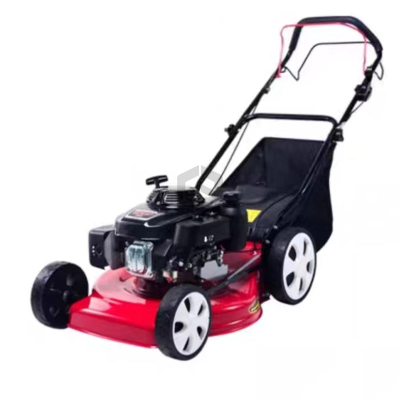
Sourcing rear push petrol lawn mowers requires a clear understanding of the mechanical and operational characteristics that define this equipment class. These machines are primarily designed for common lawn maintenance, offering a balance between manual effort and mechanical power. The rear push configuration means the operator walks behind the unit, guiding it through the mowing path. This design is particularly effective for flat to gently sloping terrain where precise control is necessary. Buyers must evaluate whether the specific model’s weight and handle height adjustments suit their workforce’s physical capabilities. The petrol engine provides independent power, eliminating the need for electrical outlets or battery charging infrastructure, which is crucial for large or remote properties.
When evaluating listings, it is essential to distinguish between basic residential units and professional-grade machines. The observed market includes products labeled as professional mowers or multifunctional pastoral management machines, indicating a range of durability and power outputs. Key differentiators include the cutter type, such as rotary designs with straight metal blades, and the engine configuration, which may be two-stroke or four-stroke. Buyers should verify the applicable area size, as some models are optimized for areas under 500 square meters, while others support broader commercial applications. Understanding these distinctions ensures that the selected mower aligns with the intended usage frequency and terrain complexity, preventing premature wear or inadequate performance in the field.
Product Scope and Observed Listing Signals
The current market landscape for rear push petrol lawn mowers exhibits significant variation in product specifications and supplier claims. Listings frequently highlight features such as single-cylinder engines, forced air cooling, and height-adjustable handles, which are critical for user comfort and cutting consistency. Some models emphasize cordless capabilities alongside petrol power, suggesting hybrid or specialized designs that require careful verification. The observed price range is broad, reflecting differences in build quality, engine brand, and included accessories like grass boxes or mulching kits. Buyers must scrutinize these listings to identify genuine professional-grade equipment versus basic consumer models, paying close attention to the stated weight and chassis material, which often indicate structural integrity.
Another critical signal is the customization and OEM availability offered by suppliers. Many manufacturers provide customized options, allowing buyers to tailor features such as cutting width or color to specific operational needs. The presence of CE and GS certifications in some listings suggests adherence to European safety and quality standards, which is a positive indicator for international procurement. However, buyers should not assume all listed products meet these standards without direct verification. The observed models vary in their core components, with some highlighting motors as key elements, while others focus on the engine’s torque and self-propelled features. This diversity requires a thorough review of each product’s technical sheet to ensure compatibility with existing fleet maintenance protocols and spare parts availability.
Technical Specifications to Verify
Verifying technical specifications is paramount to ensuring the purchased mowers meet operational demands. The engine type, whether two-stroke or four-stroke, significantly impacts maintenance requirements and fuel efficiency. Four-stroke engines generally offer better fuel economy and lower emissions, while two-stroke engines may be lighter but require oil mixing. Buyers must confirm the starting system, as options range from hand start to electric start, affecting ease of use in cold conditions. The cutting width, observed in some listings as 22 inches or customizable, directly influences mowing speed and coverage area. Additionally, the drive type, typically hand push for this category, requires assessment of the handle ergonomics and anti-slip features to prevent operator fatigue during extended use.
Structural components and durability features also warrant close inspection. The chassis material, whether steel or aluminum, affects the machine’s weight and resistance to corrosion. Steel chassis models offer robustness, while aluminum options provide lighter weight for easier maneuverability. The arbor configuration, often vertical shaft, must be compatible with the blade type and cutting height adjustments. Buyers should verify the warranty terms, which typically cover one year for core components like the motor and engine. Furthermore, the after-sales service provided, such as video technical support, is crucial for troubleshooting mechanical issues. Ensuring these specifications are clearly documented in the product listing helps mitigate the risk of receiving equipment that does not align with the buyer’s technical requirements.
Compliance and Safety Documentation
Compliance with safety and environmental regulations is a non-negotiable aspect of sourcing lawn mowers. Buyers must ensure that all purchased units carry valid certifications, such as CE and GS, which indicate conformity with relevant European directives. These certifications cover electrical safety, mechanical integrity, and noise emissions, providing a baseline for operational safety. It is essential to request copies of the certification documents from the supplier to verify their authenticity and scope. Additionally, buyers should check for any local regulatory requirements in the destination market, as standards may vary significantly between regions. Non-compliant equipment can lead to customs delays, fines, or liability issues in the event of an accident.
Beyond certifications, comprehensive documentation is vital for safe operation and maintenance. Suppliers should provide detailed user manuals in the buyer’s language, covering assembly, operation, and troubleshooting procedures. Safety warnings regarding blade handling, fuel storage, and maintenance precautions must be clearly stated. Buyers should also verify the availability of spare parts and service guides to ensure long-term usability. The presence of features like anti-stall mechanisms and anti-slip handles contributes to operational safety but must be validated through product testing or third-party reviews. Ensuring that all safety-related documentation is complete and accurate helps protect the buyer from legal and operational risks associated with the use of powered garden equipment.
Cost Drivers and Commercial Terms
Understanding the cost drivers behind rear push petrol lawn mowers helps buyers negotiate better commercial terms. The primary cost factors include the engine brand, chassis material, and included accessories. High-quality engines from reputable manufacturers command a premium but offer greater reliability and longevity. Steel chassis models may be more expensive than aluminum ones due to material costs but provide superior durability. Accessories such as grass boxes, mulching kits, and telescopic handles add to the overall price but enhance functionality. Buyers should request detailed breakdowns of these costs to identify areas where savings can be made without compromising quality. Additionally, the level of customization required can significantly impact the final price, so standardizing specifications where possible can reduce costs.
Commercial terms, including MOQ, lead times, and payment conditions, also play a crucial role in the procurement process. The observed MOQ range varies, with some suppliers offering low minimums for trial orders and others requiring larger quantities for better pricing. Buyers should negotiate flexible MOQs to accommodate initial testing phases. Lead times can be affected by customization requirements and production schedules, so clear communication with the supplier is essential. Payment terms should be structured to protect the buyer’s interests, such as using escrow services or partial payments upon shipment. Understanding these commercial dynamics allows buyers to optimize their procurement strategy, balancing cost efficiency with supply chain reliability and risk management.
Supplier Qualification and Quality Control
Supplier qualification is a critical step in ensuring the reliability of the sourced lawn mowers. Buyers should assess the supplier’s manufacturing capabilities, quality control processes, and after-sales support. Suppliers with established production facilities in regions like Weifang or Henan, China, often have experience in exporting garden machinery. Verifying the supplier’s business license and export history can provide insights into their operational stability. Additionally, buyers should request references or case studies from previous clients to gauge the supplier’s reputation and service quality. A supplier’s ability to provide video technical support and comprehensive warranty coverage is a strong indicator of their commitment to customer satisfaction.
Quality control measures must be rigorously enforced to prevent defects in the delivered products. Buyers should implement pre-shipment inspections to verify that the mowers meet the agreed-upon specifications and quality standards. This includes checking the engine performance, blade sharpness, and structural integrity of the chassis. Random sampling and functional testing can help identify potential issues before the goods are shipped. Buyers should also establish clear communication channels with the supplier to address any quality concerns promptly. Implementing a robust quality control process not only ensures that the purchased mowers perform as expected but also minimizes the risk of costly returns or replacements, protecting the buyer’s investment and operational continuity.
Long-Term Procurement Checks
Long-term procurement success depends on continuous monitoring of supplier performance and product reliability. Buyers should establish key performance indicators (KPIs) to track metrics such as delivery times, defect rates, and after-sales response times. Regular reviews of these metrics help identify trends and areas for improvement in the supply chain. Additionally, buyers should maintain open communication with the supplier to discuss any operational challenges or feedback from end-users. This collaborative approach fosters a partnership that can lead to product improvements and better service levels over time. Staying informed about industry trends and technological advancements ensures that the procurement strategy remains aligned with evolving market demands.
Furthermore, buyers should periodically reassess their supplier base to ensure they are leveraging the best available options. Diversifying suppliers can mitigate risks associated with single-source dependencies and provide access to a wider range of products and pricing. Buyers should also stay updated on regulatory changes and certification requirements that may impact future purchases. By maintaining a proactive approach to supplier management and quality assurance, buyers can ensure a steady supply of high-quality rear push petrol lawn mowers. This long-term perspective helps build a resilient procurement function that supports the organization’s operational goals and customer satisfaction objectives effectively.
FAQs
How does a Rear Push Petrol Lawn Mower operate on uneven ground?
A Rear Push Petrol Lawn Mower is driven by the operator pushing it forward, giving direct control of speed and cutting path. This makes it well suited to common lawns under 500 square meters where maneuverability matters. Models with height-adjustable handles and anti-slip grips help the operator maintain stable footing and consistent cutting on sloped or uneven terrain.
What engine configuration is available on these petrol lawn mowers?
These mowers use gasoline engines in both 2-stroke and 4-stroke configurations, depending on the model. Single-cylinder designs with forced air cooling support continuous running operation during longer mowing sessions. Buyers should confirm the starting system, since hand start and electric start options are both offered across the range of professional rotary mowers.
Which certifications should I verify before ordering a petrol lawn mower?
Certification options in this category include CE, and some listings also carry GS approval in addition to CE. Always request the valid certificate documents for the exact model you intend to order, because certification can vary between listings. Verification is especially important for European markets where CE marking is a baseline import requirement.
Can I order a customized cutting width or chassis configuration?
Yes, customization is available, and the cutting width is offered at 22 inches or a customized size. Other configurable points include chassis material, handle setup such as telescopic or folding handles, and overall specification. Discuss your requirements with the supplier before confirming samples, and note that OEM production is supported for branded orders.
What is included in the standard packing and after-sales support?
Packing is provided in cartons, with some models shipped in steel frames or steel packing for heavier units. After-sales support is provided through video technical guidance, which helps buyers handle setup and routine issues remotely. Warranty coverage is one year, so record the delivery date and confirm warranty terms in writing before the shipment leaves the factory.
How should I choose between hand push and self-propelled versions?
Hand push rear-drive mowers suit small lawns under 500 square meters where the operator wants full control and a lighter machine around 10 kilograms. Self-propelled models are better for larger areas such as golf courses, soccer fields, or commercial farm and estate maintenance. Consider grass conditions, cutting frequency, and operator workload before selecting the drive type.