Source Rear Rubber Bumper for Lexus Vehicles and Parts
Find a Rear Rubber Bumper for Lexus among 30 available listings. Compare specifications such as material, fitment, and warranty to identify suitable replacement parts for repair and upgrade applications; compare the available evidence and request quotations based on your requirements.
Key considerations
Products List
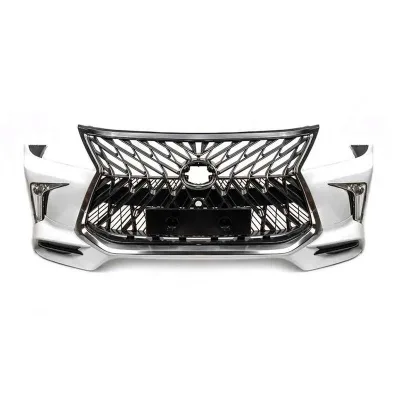
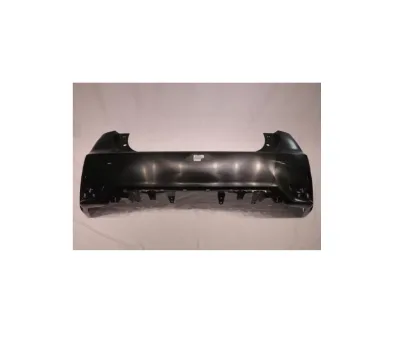
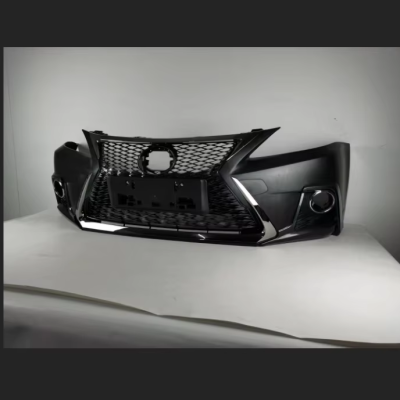
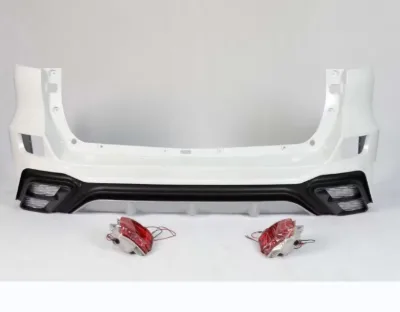
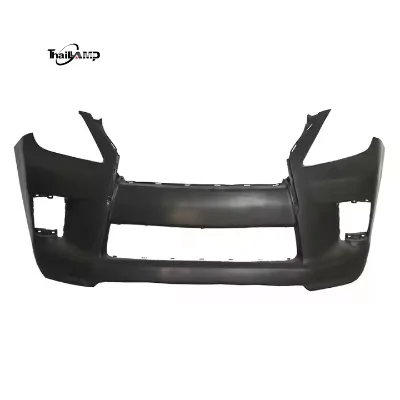
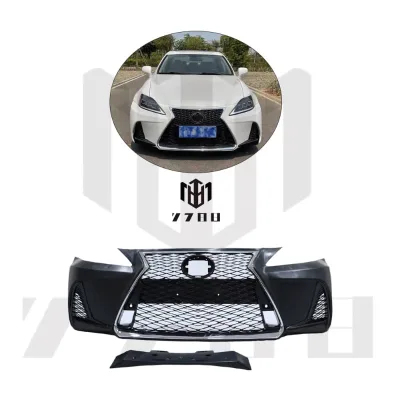
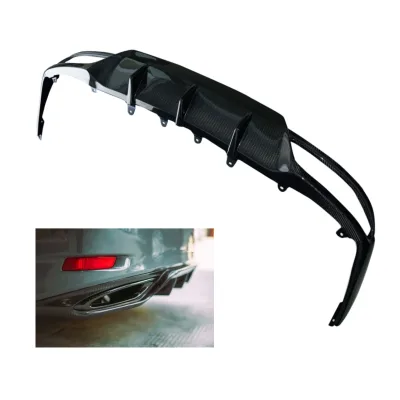
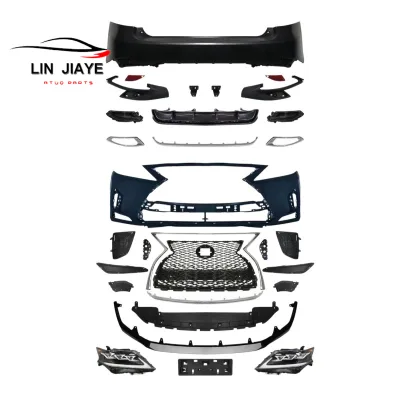

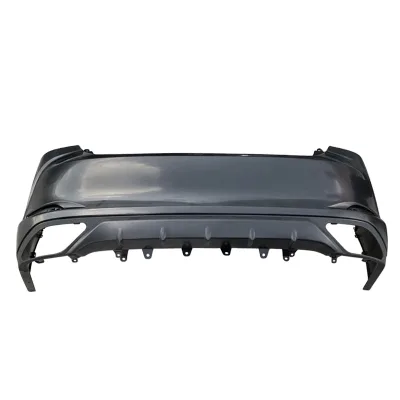
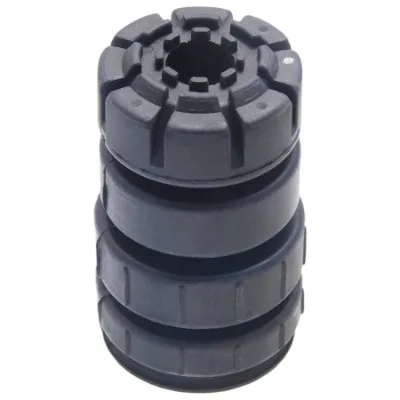


PP Plastic 2014-2020 Front Bumper for Lexus Nx Nx200 Nx200t Nx300 Bodykit
$280.00 - $300.00
MOQ: 2 Sets


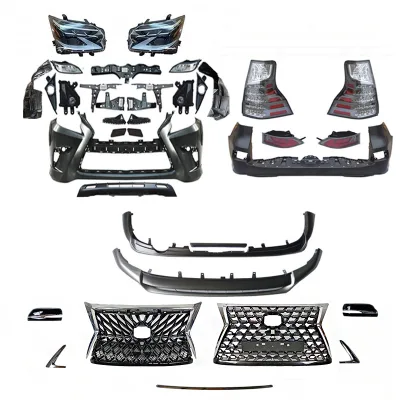
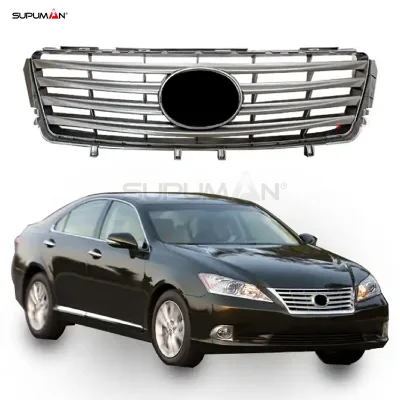
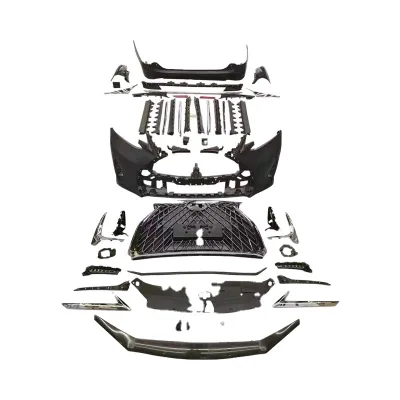
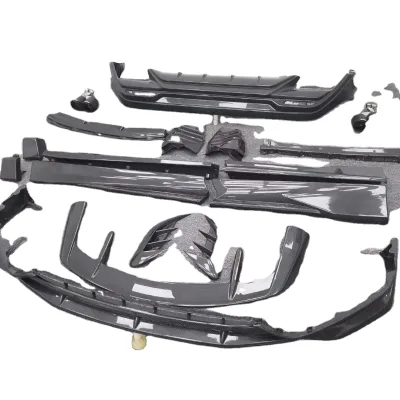
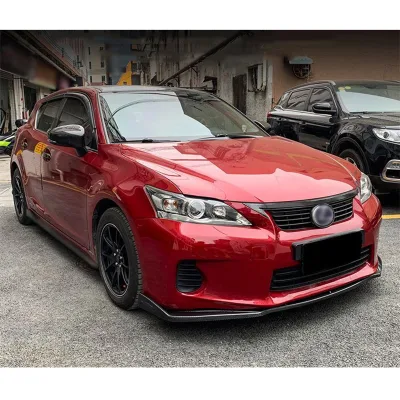
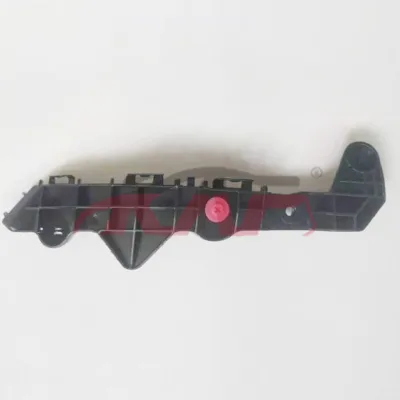
Carbon Fiber Body Kit for lexus Rx350 450 500 TD Style Carbon Auto Parts
$2000.00 - $2600.00
MOQ: 1 pieces


Comprehensive Sourcing Guide
Rear Rubber Bumper for Lexus Sourcing Guide
Sourcing a Rear Rubber Bumper for Lexus requires careful alignment with specific vehicle generations, as observed listings indicate compatibility ranges from the GX460 to the CT200 series. Buyers must distinguish between general replacement parts and model-specific components, noting that some suppliers list items as "Universal Fitment" while others specify exact model numbers like "For lexus Ct 2018." This distinction is critical because a bumper designed for a CT200 may not physically align with the mounting points of a GX460, even if both are Lexus vehicles.
Procurement decisions should also account for the material composition observed in current market listings, which vary between ABS plastic, steel, and generic plastic formulations. The presence of "Carbon Black" or "Gray" color options suggests that finish matching is a primary consideration for buyers seeking aesthetic consistency with the original vehicle. Since some listings specify "Neutral Packing" while others use "Carton Box," the packaging method can influence shipping costs and the condition of the part upon arrival, necessitating a clear agreement on packaging standards before finalizing the order.
Product Scope and Observed Listing Signals
The current market for rear bumpers displays a wide variance in product attributes, with observed prices ranging from $0.05 to over $3,000 USD, reflecting differences in material quality and brand positioning. Listings frequently cite "High-Quality" as a general attribute, yet the specific material definitions range from "ABS" to "Steel," indicating that buyers must verify the actual composition rather than relying on marketing terms. Some products are explicitly labeled as "New" with a "12 Months" or "1 Year" warranty, while others lack specific warranty details, creating a risk profile that varies significantly between suppliers.
Buyers should also scrutinize the "Place of Origin" data, which currently shows entries from Jiangsu, Zhejiang, and even Afghanistan, suggesting a fragmented supply chain with varying logistical capabilities. The "MOQ" (Minimum Order Quantity) fluctuates between 1 piece and 300 units, with some suppliers offering single-item sales while others require bulk purchases of 5 pieces or 1 set. This variability means that small-volume buyers may face different pricing structures or shipping constraints compared to larger procurement teams, requiring a tailored approach to supplier selection based on order volume.
Technical Specifications to Verify
Technical verification must begin with the "Model Number" and "Car Make" fields, as listings explicitly reference specific models like "For lexus--Grille kit" or "for lexus Ct 2018." While some products claim "Universal Fitment," the presence of specific model numbers suggests that true universality is rare, and buyers should confirm that the part number matches their vehicle's chassis code. The "Attachment Type" is listed as "Bolt-On" in several entries, which implies a direct replacement process, but the "Single package size" of 210x100x90 cm for some items indicates that dimensional accuracy is essential for logistics planning and storage.
Material integrity is another critical technical parameter, with observed listings specifying "ABS Plastic," "Steel," and generic "Plastic." Buyers must ensure that the material selected can withstand the environmental stresses typical for a rear bumper, such as impact resistance and UV exposure. Additionally, the "Color" options, including "Gray," "Carbon Black," and "Black," must be matched precisely to the vehicle's existing paint or trim. The inclusion of "Clips" in the "Items Included" list for some products suggests that hardware compatibility is a key technical factor that must be verified to ensure a complete installation without needing to source additional fasteners.
Compliance and Safety Documentation
While specific certification documents are not explicitly detailed in the provided listings, the "OE NO." field is marked as "OEM standard," implying that the parts are intended to meet original equipment manufacturer specifications. Buyers should request proof that the "High-Quality" claims are backed by internal quality control processes or third-party testing results, as the absence of visible certification data in the listing does not guarantee compliance with safety regulations. The "SYSTEM" is noted as "NEW VERION" in some entries, which may indicate updated manufacturing processes, but this term is not a recognized safety standard and requires further clarification from the supplier.
Safety documentation should also address the "Function" of the part, particularly for components that interact with lighting systems, as some listings mention "Lamp Type: usa" and "Function: LIGHT SYSTEM." Although a rear bumper is primarily a structural and aesthetic component, its integration with lighting or sensors requires that it does not interfere with vehicle safety systems. Buyers must verify that the "Position" of the part, such as "Front Bumper" or "Rear Bumper," is correctly identified, as mislabeling can lead to the installation of a part that does not meet the structural requirements for the specific vehicle zone.
Cost Drivers and Commercial Terms
The cost of a rear rubber bumper is heavily influenced by the "Material" used, with steel and high-grade ABS plastic typically commanding higher prices than generic plastic formulations. The observed price range of $0.05 to $3,080.63 USD highlights the extreme variance in market pricing, which can be driven by brand reputation, such as "saivis" or "ruozhou," versus unbranded generic items. Buyers should analyze whether the higher price points correlate with tangible benefits like extended warranties or superior material durability, rather than simply paying for brand names without verified performance data.
Commercial terms regarding "MOQ" and "Selling Units" significantly impact the total cost of ownership, as some suppliers require a minimum of 5 pieces or 1 set, while others allow single-item purchases. The "Service" attribute of "24 Hours" suggests that some suppliers offer rapid response times, which can reduce downtime costs for fleet operators or urgent repair scenarios. Additionally, the "Packing" method, ranging from "Neutral Packing" to "Carton Box," affects shipping costs and potential damage risks, making it a key factor in the final landed cost calculation.
Supplier Qualification and Quality Control
Supplier qualification should focus on the consistency of their product attributes, such as the "Condition" being consistently "New" and the "Quality" being described as "High-Quality" across their catalog. Buyers must verify that the "Brand Name" is consistent and that the supplier has a track record of fulfilling orders with the specified "Place of Origin," whether it is Jiangsu, Zhejiang, or another location. The presence of specific details like "Single gross weight: 25.000 kg" and "Single package size" indicates a level of operational maturity that can be used as a proxy for reliability, as suppliers who provide precise logistical data are often more organized.
Quality control processes should be validated through the "Warranty" terms offered, with listings showing both "12 Months" and "1 Year" coverage. A supplier that offers a clear warranty period demonstrates confidence in their product's durability and is more likely to stand behind their claims of "High-Quality" materials. Buyers should also check the "Purpose" of the item, which is listed as "for replace/repair," to ensure the supplier understands the application and can provide technical support if the part does not fit or function as expected.
Long-Term Procurement Checks
Long-term procurement success depends on monitoring the consistency of "Model Number" and "Car Fitment" data over time, as vehicle specifications can change between production years. Buyers should establish a system to verify that the "Year" of the part, such as "2024," aligns with the current production cycles of their fleet or inventory. The "Design Style" noted as "Morden Luxury" suggests that aesthetic trends evolve, and suppliers must be able to adapt their product lines to maintain relevance and customer satisfaction over multiple years.
Finally, buyers should track the "Service" responsiveness and "Warranty" fulfillment rates to ensure that the supplier remains reliable for future orders. The "Items Included," such as "Clips," should be consistently available to prevent supply chain disruptions during repairs. By maintaining a record of supplier performance against these specific attributes, buyers can make data-driven decisions to optimize their sourcing strategy and ensure a steady supply of high-quality rear bumpers for their Lexus vehicles.
FAQs
What material is used for the rear bumper kit?
The rear bumper kit is primarily constructed from ABS plastic or steel, depending on the specific model variant. ABS plastic offers a lightweight and durable solution for replacement parts, while steel options provide robust structural integrity. Buyers should verify the material specification for their exact vehicle model to ensure proper fitment and aesthetic alignment with the original equipment.
Can I install this bumper kit myself?
Yes, the bumper kit features a bolt-on attachment type, making it suitable for direct installation without complex modifications. The package typically includes necessary clips and hardware to facilitate the replacement process. This design allows for straightforward repair or upgrade of the front or rear bumper area, ensuring a secure fit for the specified Lexus models.
What is the minimum order quantity for this product?
The minimum order quantity varies by supplier, ranging from one piece to five pieces per set. Some listings accept single item purchases, while others require a minimum of five pieces. Buyers should check the specific MOQ requirements for their chosen supplier to ensure the order meets the production or sales threshold established by the manufacturer.
Does the product come with a warranty?
Most suppliers offer a warranty period of 12 months or one year for the bumper kit. This coverage ensures quality assurance for the new condition parts provided. Buyers should confirm the specific warranty terms with the supplier before purchase to understand the duration and conditions of the guarantee for the ABS or steel components.
Where are these bumper kits manufactured?
These bumper kits are manufactured in China, with origins reported in Jiangsu and Zhejiang provinces. The production location ensures access to established automotive parts supply chains. Buyers can rely on the standard size and OEM standard specifications to match their vehicle requirements, with neutral packing used for shipping to maintain product integrity.