Source Rechargeable ABS Handheld Fan for Office, Travel, and Home
Compare 30 models of Rechargeable ABS Handheld Fan options featuring USB-C charging, low noise operation, and customizable designs. Evaluate specifications like battery capacity, motor speed, and material composition to find the ideal cooling solution for your business needs; compare the available evidence and request quotations based on your requirements.
Key considerations
Products List


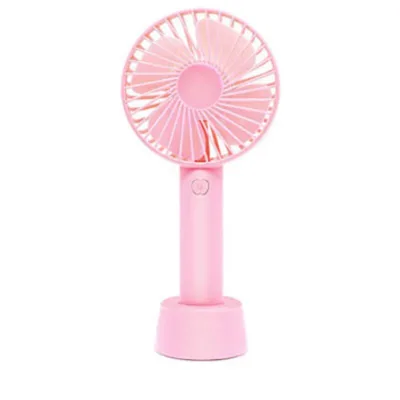
Hot Sale Portable Powerful Handheld Rechargeable 3 Speeds Personal Small Hand Fan
$1.99 - $2.25
MOQ: 450 Pieces


Comprehensive Sourcing Guide
Rechargeable ABS Handheld Fan Sourcing Guide
Sourcing rechargeable ABS handheld fans requires a disciplined approach to balancing portability, cooling performance, and regulatory compliance. These devices are primarily designed for household use, offering a compact solution for personal air cooling in environments where traditional ventilation is insufficient. The core material, typically a blend of ABS and PP, provides the necessary durability and lightweight characteristics essential for handheld operation. Buyers must recognize that while the form factor is standardized, internal components such as battery capacity and motor speed vary significantly across suppliers, directly impacting user experience and product longevity.
Procurement decisions should be driven by a clear understanding of the technical specifications observed in current market listings. Key attributes include the absence of remote controls and timers, which simplifies the user interface but limits advanced automation features. The power consumption is generally low, often around 2W, ensuring efficient energy usage during operation. Furthermore, the noise level is a critical differentiator, with many models advertising low or ultra-low decibel outputs to maintain a quiet environment. Understanding these baseline observations allows buyers to filter suppliers effectively and focus on vendors who can meet specific performance thresholds without over-engineering the product.
Product Scope and Observed Listing Signals
The current market landscape for rechargeable ABS handheld fans reveals a diverse range of models, each with distinct physical and functional characteristics. Observed product models such as C0703-01-H08, M-F57, and KW-X10 indicate a fragmented supply chain with multiple design iterations. Physical dimensions vary considerably, ranging from compact units like 19.25.94.9cm to larger handheld devices measuring up to 6060180mm. This variation suggests that buyers must carefully evaluate the ergonomic requirements of their target market, as the physical footprint directly influences user comfort and portability expectations.
Listing signals also highlight significant differences in battery capacity and usage time, which are critical for consumer satisfaction. Some models feature a 500mAh battery providing 2-7 hours of usage, while others offer a more robust 2400mAh capacity for extended operation. Charging times are typically around 3 hours via Type-C interfaces, a standard that buyers should verify for compatibility with existing charging infrastructure. Additionally, the inclusion of accessories such as lanyards and user manuals varies by supplier, adding value to the final product package. These observed signals provide a baseline for comparing supplier offerings and identifying potential gaps in product completeness.
Technical Specifications to Verify
When evaluating technical specifications, buyers must prioritize the verification of motor performance and airflow efficiency. The high-speed motor is a key component, with some listings citing speeds of 7200 RPM, which directly correlates to the fan's cooling output. It is essential to confirm the actual output power, which may reach up to 5W in certain models, ensuring that the device delivers sufficient airflow for its intended application. Buyers should also verify the input power requirements, typically 5V/1A, to ensure compatibility with standard USB power sources and to assess the efficiency of the charging process.
Battery specifications and charging interfaces are another critical area for verification. The type of charging interface, often Type-C, should be confirmed to avoid compatibility issues with end-user devices. Battery capacity ranges from 500mAh to 2400mAh, and buyers must assess whether the stated usage time of 5-7 hours is consistent across different load conditions. Additionally, the net weight of the product, which can range from 115g to 222g including packaging, impacts user fatigue during prolonged use. Verifying these specifications ensures that the final product meets both performance expectations and ergonomic standards.
Compliance and Safety Documentation
Compliance with international safety and environmental standards is non-negotiable for importing rechargeable ABS handheld fans. Certifications such as CE, FCC, and RoHS are commonly cited, indicating adherence to European and American regulatory frameworks for electromagnetic compatibility and hazardous substance restrictions. Buyers must request valid certification documents from suppliers to verify that the products have undergone rigorous testing and meet the required legal standards for sale in target markets. Failure to obtain proper documentation can result in customs delays, product seizures, or legal liabilities.
Beyond certifications, buyers should verify the safety of the battery components, which are critical for rechargeable devices. The battery capacity and charging circuitry must be designed to prevent overheating, overcharging, or short-circuiting. Suppliers should provide test reports or safety assessments for the battery cells and charging modules. Additionally, the material composition, primarily ABS and PP, should be verified for compliance with RoHS standards, ensuring that no hazardous substances are present in the plastic components. This due diligence protects the buyer from reputational damage and ensures consumer safety.
Cost Drivers and Commercial Terms
Several factors influence the cost structure of rechargeable ABS handheld fans, with battery capacity and motor quality being primary drivers. Models with higher battery capacities, such as 2400mAh, and more powerful motors typically command higher prices due to increased material and manufacturing costs. Buyers should also consider the impact of customization options, which can add to the unit cost but may provide a competitive advantage in the market. The complexity of the packaging, whether simple LCL/FCL or more elaborate color boxes, also affects the overall landed cost.
Commercial terms, including MOQ, lead time, and payment methods, play a significant role in procurement planning. Observed MOQs range from 1 to 10,000 pieces, with some suppliers requiring a minimum of 500 PCS. Lead times are typically around 20 days, which buyers must account for in their inventory management strategies. Payment terms often include options like PayPal and T/T, offering flexibility but also requiring careful financial risk assessment. Understanding these commercial variables allows buyers to negotiate favorable terms and align procurement schedules with market demand.
Supplier Qualification and Quality Control
Supplier qualification is a critical step in ensuring the reliability and consistency of rechargeable ABS handheld fans. Buyers should assess the supplier's manufacturing capabilities, including their production capacity and quality control processes. Factories located in regions like Guangdong, China, often have established supply chains for ABS and electronic components, but buyers must verify the supplier's ability to maintain consistent quality across large production runs. Requesting samples and conducting factory audits can provide valuable insights into the supplier's operational standards and commitment to quality.
Quality control measures should be clearly defined and enforced throughout the production process. Buyers should specify acceptance criteria for key attributes such as noise level, battery performance, and physical dimensions. Implementing pre-shipment inspections can help identify defects before the goods are dispatched, reducing the risk of receiving substandard products. Additionally, suppliers should provide clear documentation of their quality control procedures, including testing protocols for electrical safety and durability. Establishing a robust quality control framework ensures that the final product meets the buyer's specifications and customer expectations.
Long-Term Procurement Checks
Long-term procurement success depends on continuous monitoring of supplier performance and market trends. Buyers should establish key performance indicators (KPIs) to track supplier reliability, including on-time delivery rates, defect rates, and responsiveness to issues. Regular communication with suppliers is essential to address any emerging challenges and to explore opportunities for product improvements or cost reductions. Staying informed about changes in regulatory requirements and consumer preferences allows buyers to adapt their sourcing strategies and maintain a competitive edge.
Additionally, buyers should periodically review the product portfolio to ensure it remains aligned with market demands. This may involve evaluating new models with enhanced features, such as improved battery life or quieter operation, and assessing the potential for further customization. Building a strong relationship with suppliers can facilitate collaboration on product development and innovation. By maintaining a proactive approach to supplier management and market analysis, buyers can mitigate risks and secure a steady supply of high-quality rechargeable ABS handheld fans.
FAQs
What is the battery capacity of the Rechargeable ABS Handheld Fan?
The Rechargeable ABS Handheld Fan features a battery capacity of 500mAh or 2400mAh depending on the specific model selected. This power source supports usage times ranging from 2 to 7 hours on a single charge. The device utilizes a Type-C charging interface for convenient and rapid replenishment of energy, ensuring reliable operation for household air cooling needs.
Can the Rechargeable ABS Handheld Fan be customized for buyers?
Yes, customization is available for the Rechargeable ABS Handheld Fan. Buyers can request specific modifications to meet their unique requirements. The product supports custom orders, allowing for tailored solutions. This flexibility ensures that the fan can be adapted to various branding or functional needs while maintaining its core air cooling performance and low noise operation.
What certifications does the Rechargeable ABS Handheld Fan hold?
The Rechargeable ABS Handheld Fan holds CE, FCC, and RoHS certifications. These standards ensure compliance with international safety and environmental regulations. The certifications confirm that the product meets rigorous quality benchmarks for electronic devices. Buyers can rely on these verified credentials when sourcing for markets with strict regulatory requirements for consumer electronics and household appliances.
How long is the delivery time for the Rechargeable ABS Handheld Fan?
The standard delivery time for the Rechargeable ABS Handheld Fan is 20 days. This lead time applies to typical production and shipping schedules. Buyers should account for this duration when planning inventory replenishment. The timeline ensures that orders are processed efficiently, allowing for timely receipt of goods via DHL or sea shipment options depending on the selected logistics method.
What is the minimum order quantity for the Rechargeable ABS Handheld Fan?
The minimum order quantity for the Rechargeable ABS Handheld Fan is 500 pieces. This MOQ applies to standard orders. Buyers can place orders starting from this threshold to secure the product. The quantity requirement helps streamline production and logistics processes. It ensures that manufacturing runs are efficient while providing flexibility for bulk purchasing needs in the global market.
What materials are used to construct the Rechargeable ABS Handheld Fan?
The Rechargeable ABS Handheld Fan is constructed from ABS and PP materials. These durable plastics provide a lightweight yet sturdy build for the handheld device. The material choice ensures resistance to impact and wear during daily use. The design incorporates these components to maintain structural integrity while keeping the overall weight manageable for comfortable handheld operation during air cooling.