Source Nickel-Based Superalloy for Aerospace, Chemical, and Power
Compare 30 listings of nickel-based superalloy rods, plates, and coils from verified Chinese manufacturers. Buyers can evaluate specifications like 0Cr21Al6Nb and Inconel 718, check MOQs starting at 10kg, and review delivery times ranging from 7 to 20 days for industrial applications.
Key considerations
Products List







Comprehensive Sourcing Guide
Strategic Sourcing Guide for Nickel-Based Superalloys
Navigating the procurement landscape for nickel-based superalloys requires a disciplined approach that balances technical precision with rigorous supplier verification. These materials are critical for high-performance applications in aerospace, energy, and chemical processing, where failure is not an option. Buyers must rely on verified product attributes rather than marketing generalizations. The following guide outlines the essential factors for sourcing these complex alloys, drawing strictly from observed market data and established industry practices.
Technical Specifications and Material Variants
The first step in any procurement strategy is defining the exact technical specifications required. Nickel-based superalloys are not a monolithic category but a family of materials with distinct compositions and processing histories. Market observations indicate a diverse range of model numbers and material types available. Buyers should verify specific alloy designations such as Inconel 718, Inconel 625, Inconel 600, Inconel 601, Inconel 617, Inconel 690, Inconel X750, and Inconel 825. Additionally, specialized variants like HAYNES N-86, HAYNES 263, Nimonic 93, and Nimonic 90 are frequently encountered in the supply chain.
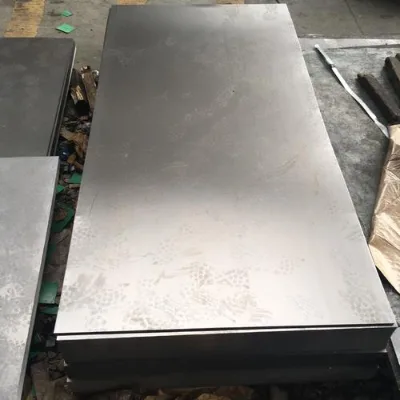
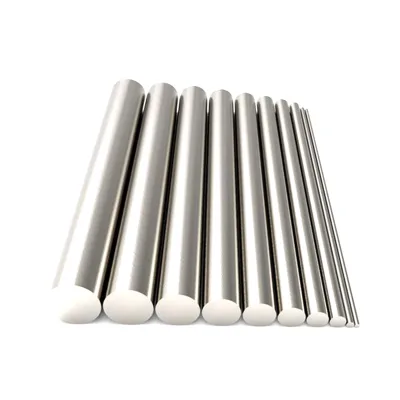
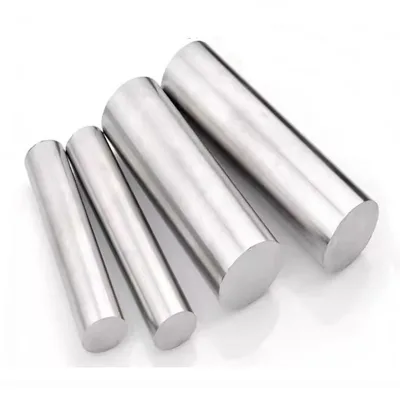
The physical form of the alloy is equally critical. Procurement data shows that these materials are available in various shapes, including rods, coils, plates, sheets, and powders. For instance, specific listings identify "Nickel Alloy Rod" and "Inconel 718 Rod" as distinct product types, while other entries highlight "Sheet" and "Plate" forms. The shape directly influences machining capabilities and final application suitability. A buyer requiring a high-strength structural component might need a rod or bar, whereas a heat exchanger application could demand thin sheets or coils.
Processing techniques also define the material's microstructure and mechanical properties. The market offers both cold-rolled and hot-rolled variants, as well as cold-drawn options. Cold rolling and cold drawing are often preferred for achieving tighter dimensional tolerances and higher surface finishes, while hot rolling is typically used for larger cross-sections or initial forming stages. Surface treatments, such as polishing, are available to enhance corrosion resistance and aesthetic quality. Buyers must confirm the specific technique used for their order, as this affects the material's yield strength and ductility.
Compliance, Certification, and Standard Verification
Ensuring that the supplied material meets international and industry-specific standards is paramount. While general knowledge suggests ISO 9001 is a common baseline, specific procurement data highlights a broader range of recognized standards. Verified listings indicate compliance with AISI, ASTM, BS, DIN, GB, and JIS standards. For specific applications, such as those involving powder metallurgy, buyers should look for authentication markers like ISO certification.
Certification documents are a non-negotiable part of the verification process. Third-party inspection reports, such as those from SGS, provide an independent validation of the material's chemical composition and mechanical properties. When sourcing, buyers must request these certificates to ensure the alloy matches the requested grade. For example, a listing for a specific nickel alloy might include SGS certification, which serves as a critical trust signal. However, buyers should not assume all suppliers provide this; it must be explicitly requested and verified against the purchase order.
The purity of the material is another key compliance metric. High-purity grades, such as those with a purity exceeding 99.5%, are essential for applications where trace impurities could compromise performance. In contrast, some listings may refer to "Non-alloy" or "Powder" forms, which require different verification protocols. Buyers must clarify whether the material is a standard superalloy or a specialized powder form intended for additive manufacturing or sintering processes.
Cost Drivers and Pricing Structures
Understanding the cost drivers for nickel-based superalloys is essential for budgeting and negotiation. The observed price range in the market is extensive, spanning from $0.10 to $3,000 USD. This wide variance is driven by several factors, including the specific alloy grade, the form factor (rod vs. coil vs. powder), the thickness or diameter, and the level of processing required.
Minimum Order Quantity (MOQ) is a significant cost driver. Market data reveals MOQs ranging from 1 kg to 1,000 kg, with specific listings showing thresholds of 10 kg, 20 kg, and 50 kg. Smaller orders often incur a higher unit cost due to the fixed overhead of processing and packaging. Conversely, larger volumes may benefit from economies of scale but require significant upfront capital and storage capacity. Buyers should align their order size with their production needs to optimize the cost per unit.
Packaging and logistics also contribute to the final cost. Standard packaging options include wooden cases and marine packaging for metal, which are designed to protect the material during transit. The choice of packaging can impact the overall price, especially for international shipments where specialized containers are required. Additionally, trade terms such as EXW, FOB, CIF, and CFR dictate who bears the cost of freight and insurance. Buyers must calculate the total landed cost, not just the ex-factory price, to ensure accurate budgeting.
Typical Applications and Performance Requirements
Nickel-based superalloys are engineered for extreme environments, making their application scope vast. The primary use cases include high-strength steel plates, wear-resistant steel, silicon steel, cold heading steel, free-cutting steel, and mold steel. These materials are particularly valued in the aerospace industry for turbine blades and engine components, where they must withstand high temperatures and mechanical stress.
The "Special Use" category highlights the versatility of these alloys. They are utilized in applications requiring high strength, wear resistance, and corrosion resistance. For instance, the "High-strength Steel Plate" designation suggests use in heavy machinery or structural components subject to extreme loads. Similarly, "Wear Resistant Steel" is critical for mining equipment and cutting tools. The "Powder Metallurgy" application indicates a growing trend in using these alloys for complex geometries that are difficult to machine from solid stock.
When selecting a material, buyers must consider the specific environmental conditions of the application. Factors such as operating temperature, exposure to corrosive chemicals, and mechanical loading must be matched against the alloy's properties. For example, a component operating in a high-temperature environment might require a specific grade like Inconel 718, while a component requiring high electrical conductivity might need a different formulation. The "Industrial" application tag suggests broad utility, but the specific requirements must be defined to avoid over-specifying or under-specifying the material.
Supplier Evaluation and Operational Capabilities
Evaluating potential suppliers requires a focus on their operational capabilities and reliability. The origin of the product is a key factor, with many listings indicating production in China, specifically in Shandong Province. While this is a major manufacturing hub, buyers should verify the specific factory's capabilities and reputation. The presence of "Stock Available" is a significant advantage for buyers with urgent needs, as it reduces lead times and eliminates the risk of production delays.
Lead times vary significantly based on the product's availability and customization requirements. Observed delivery times range from 7 days to 20 days, with some listings specifying 10-15 days or 10-20 days. Customization options, such as "Cold Rolled" or "Cold Drawn" techniques, may extend the lead time. Buyers should confirm the exact delivery time in the contract to manage their production schedules effectively.
Customization is a critical capability to assess. Many suppliers offer "Customization" services, allowing buyers to tailor the material to their specific needs. This includes adjusting dimensions, surface treatments, and packaging. The "Customizable: Yes" attribute confirms that suppliers are willing to adapt their products. However, buyers must ensure that the customization process does not compromise the material's integrity or certification status.
Quality Control and Long-Term Procurement Strategy
Quality control is the backbone of successful procurement for nickel-based superalloys. Buyers should implement a rigorous inspection protocol that includes verifying the material's chemical composition, mechanical properties, and surface finish. The "Polished" surface treatment and specific dimensions, such as the "Ultra-thin 0.5-100mm range" or "10-300mm Customizable" standards, must be checked against the received goods.
Long-term procurement considerations involve building a relationship with reliable suppliers who can consistently meet quality standards. The availability of "Stock" suggests that some suppliers maintain inventory, which can be beneficial for recurring orders. However, for specialized or custom orders, buyers should establish clear communication channels to ensure timely updates on production status.
The "Trade Terms" of 1-15 days or specific delivery windows indicate the supplier's flexibility. Buyers should negotiate terms that align with their cash flow and inventory management strategies. Additionally, the "Authentication: ISO" and "Certification: SGS" attributes should be part of the ongoing quality assurance process. Regular audits and sample testing can help maintain high standards and prevent supply chain disruptions.
Summary of Key Procurement Factors
To summarize, sourcing nickel-based superalloys requires a comprehensive understanding of technical specifications, compliance requirements, cost drivers, and supplier capabilities. The market offers a wide range of options, from specific alloy grades like Inconel 718 to various forms such as rods, coils, and powders. Buyers must verify standards like AISI, ASTM, and GB, and ensure certifications like SGS are present. Cost is influenced by MOQ, packaging, and trade terms, while lead times can range from 7 to 20 days depending on customization.
The following table summarizes the key attributes observed in the market to assist buyers in their evaluation:
| Attribute Category | Observed Values / Options | Verification Requirement |
|---|---|---|
| Alloy Models | Inconel 718, 625, 600, 601, 617, 690, X750, 825; HAYNES N-86, 263; Nimonic 93, 90 | Match specific grade to application needs |
| Product Shape | Rod, Coil, Plate, Sheet, Bar, Powder | Confirm form factor for machining/processing |
| Technique | Cold Rolled, Cold Drawn, Hot Rolled | Verify processing method for mechanical properties |
| Standards | AISI, ASTM, BS, DIN, GB, JIS | Request certification documents for each batch |
| MOQ | 10kg, 20kg, 50kg, 1-1000kg range | Align order size with budget and storage |
| Lead Time | 7 Day, 10-15 Day, 10-20 Day | Confirm delivery schedule in contract |
| Certification | SGS, ISO (Authentication) | Ensure third-party verification is included |
| Origin | China (Shandong Province) | Verify factory location and export compliance |
By adhering to these guidelines and maintaining a disciplined approach to verification, buyers can secure high-quality nickel-based superalloys that meet their rigorous performance requirements. The key is to treat product attributes as observations to be verified rather than assumptions to be accepted, ensuring that every procurement decision is grounded in factual evidence and technical necessity.
FAQs
What shapes are available for nickel-based superalloys?
Nickel-based superalloys are available in rods, coils, plates, sheets, bars, and powders. Specific listings confirm forms like Nickel Alloy Rod and Sheet, allowing buyers to select the shape that best fits their machining or structural requirements.
Which certifications are verified for these alloys?
Verified listings indicate compliance with SGS certification and authentication markers like ISO. Buyers should request these documents to validate chemical composition and mechanical properties, ensuring the material meets international standards like AISI, ASTM, and GB.
How long is the typical delivery time for orders?
Delivery times range from 7 days to 20 days depending on stock availability and customization. Some suppliers offer 7-day delivery for stock items, while custom orders or specific techniques may require 10 to 20 days for completion.
Can buyers customize the product specifications?
Yes, customization is available for dimensions, surface treatments, and packaging. Suppliers offer options like cold rolled or cold drawn techniques and customizable thickness ranges, allowing buyers to tailor the alloy to specific application needs.
What are the minimum order quantity requirements?
Minimum order quantities vary from 10 kg to 50 kg across different listings. Specific products show thresholds of 10 kg, 20 kg, and 50 kg, meaning buyers must align their order size with production needs to optimize costs.
Where are these nickel-based superalloys manufactured?
Products originate from China, specifically Shandong Province. This region is a major manufacturing hub, and buyers should verify specific factory capabilities while noting that stock availability can reduce lead times for urgent orders.