Source LED Display Handheld Fan for Marketing, Events, and Promotions
Source the LED Display Handheld Fan for targeted marketing campaigns, trade shows, and promotional events. Compare 30 available models featuring NFC connectivity, LED lighting, and portable designs to find the right supplier for your business needs; compare the available evidence and request quotations based on your requirements.
Key considerations
Products List


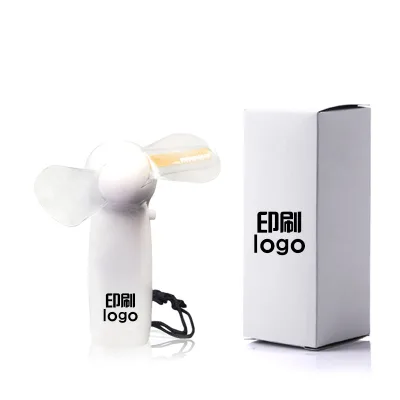


Handheld Fan Digital Display Outdoor Long Endurance High-Speed Student Handheld Small Fan
$5.20 - $7.00
MOQ: 500 Pieces


Comprehensive Sourcing Guide
LED Display Handheld Fan Sourcing Guide
Procuring LED display handheld fans requires balancing promotional impact with functional reliability, as these devices serve dual purposes as both cooling tools and mobile advertising platforms. Buyers must evaluate the integration of light-emitting diodes with portable fan mechanics, ensuring that the added electronics do not compromise battery life or structural integrity. The observed market signals indicate a strong preference for bladeless, wearable, and handheld designs that prioritize user comfort and safety. Sourcing decisions should focus on suppliers who demonstrate expertise in merging compact power sources with durable plastic or ABS housings, which are standard materials for this category.
The procurement landscape for these items is characterized by significant customization options, allowing brands to embed logos, text, or specific visual content directly into the fan’s shell or LED matrix. This customization capability is a primary driver for corporate gifting and event marketing, where brand visibility is paramount. However, buyers must navigate a wide range of technical specifications, from varying wattage outputs to different charging port types, to ensure the final product aligns with their logistical and operational requirements. Understanding these nuances is critical for avoiding mismatches between supplier capabilities and internal brand guidelines.
Product Scope and Observed Listing Signals
The current market for LED display handheld fans exhibits a diverse range of form factors, including wearable neck fans, handheld units, and compact desktop models. Observed listings highlight features such as foldable designs, bladeless safety mechanisms, and portable ergonomics, which cater to both indoor office environments and outdoor events. The presence of NFC connection capabilities in some models suggests an evolution toward smart promotional tools that can interact with mobile devices, adding a layer of digital engagement beyond simple visual branding. Buyers should note that while many units are battery-powered, some listings indicate electric or USB-C charging options, reflecting varied power management strategies among manufacturers.
Color options and packaging styles vary significantly across suppliers, with common offerings including white, black, blue, pink, and green shells. Packaging is typically designed for retail or direct distribution, often utilizing color boxes or single-unit parkaging to protect the device during transit. The observed price range and minimum order quantities suggest a flexible supply chain capable of accommodating both small-scale trial orders and large-volume corporate campaigns. However, the variation in model numbers and standard dimensions indicates that buyers must carefully verify physical specifications to ensure compatibility with existing distribution channels or promotional kits.
Technical Specifications to Verify
When evaluating technical specifications, buyers must prioritize the verification of power source compatibility and charging infrastructure. Many observed models utilize battery power with Type-C or USB-C charging ports, which is essential for modern convenience and universal cable compatibility. It is crucial to confirm the wattage and battery capacity, as observed values range from 7W to 10W, directly impacting runtime and cooling performance. Additionally, the noise level is a critical user experience factor, with observed ranges spanning from 20 dB to 45 dB(a); quieter operation is generally preferred for office or close-proximity use, while higher wind speeds may be necessary for outdoor applications.
The integration of LED technology requires careful assessment of the display type and connectivity features. Some models feature 12 LED arrays with NFC connection capabilities, enabling dynamic content display or interactive branding. Buyers should verify the material composition, typically ABS or plastic, to ensure durability and heat resistance. Furthermore, the physical dimensions and weight must be checked against ergonomic standards, as observed standard sizes vary from compact wearable profiles to larger handheld units. Ensuring that the LED components are securely embedded and do not interfere with the fan’s mechanical operation is vital for long-term reliability.
Compliance and Safety Documentation
Compliance with international safety and environmental standards is non-negotiable for electronic promotional products. Buyers must request and verify certification documents, with CE and ROHS being the most commonly observed standards in the current market. These certifications indicate adherence to European health, safety, and environmental protection requirements, which are often mandatory for import into many global markets. It is essential to ensure that the supplier provides valid, up-to-date certificates for each specific model, as compliance can vary between different production batches or design iterations.
Beyond certifications, buyers should inquire about the testing protocols used to validate electrical safety and material toxicity. The use of ABS plastic and electronic components necessitates rigorous testing for flammability, heavy metal content, and electromagnetic compatibility. Suppliers should be able to provide test reports from accredited laboratories, confirming that the LED displays and battery systems meet relevant safety thresholds. Additionally, verifying the origin of the products, often listed as China or specific provinces like Zhejiang or Shenzhen, can help assess the regulatory environment and supply chain transparency.
Cost Drivers and Commercial Terms
The cost structure of LED display handheld fans is influenced by several key factors, including the complexity of the LED integration, battery capacity, and customization requirements. Models with NFC capabilities or dynamic display features typically command higher prices due to the added electronic components and software development costs. Buyers should also consider the impact of color options and packaging designs on unit costs, as custom printing or specialized retail packaging can increase production expenses. Understanding these cost drivers allows for more accurate budgeting and negotiation with suppliers.
Commercial terms, such as minimum order quantities and shipping methods, play a significant role in the overall procurement strategy. Observed MOQs range from 1 to 1000 units, offering flexibility for both small and large orders. Shipping options include DHL, UPS, FedEx, air cargo, and sea freight, each with different implications for lead times and costs. Buyers should clarify whether drop shipping is accepted and how customized orders are handled, as these factors can affect delivery schedules and inventory management. Clear communication regarding these terms is essential to avoid unexpected fees or delays.
Supplier Qualification and Quality Control
Supplier qualification is critical for ensuring consistent product quality and reliable delivery. Buyers should assess the supplier’s manufacturing capabilities, including their experience with electronic assembly and LED integration. Verifying the supplier’s location and production facilities can provide insights into their quality control processes and capacity. It is advisable to request samples of different models to evaluate build quality, LED brightness, and fan performance before committing to large orders. This hands-on evaluation helps identify potential issues with durability or functionality that may not be apparent from product descriptions alone.
Quality control measures should be explicitly defined in the purchase agreement, including inspection criteria for LED defects, battery performance, and cosmetic finish. Buyers should establish clear acceptance criteria for noise levels, wind speed, and charging efficiency. Implementing a pre-shipment inspection process can help catch defects early and reduce the risk of receiving non-conforming goods. Additionally, maintaining open communication with the supplier regarding any customization requirements ensures that the final product meets brand expectations. Regular feedback and performance reviews can help strengthen the partnership and improve future orders.
Long-Term Procurement Checks
Long-term procurement success depends on establishing robust relationships with suppliers who can scale and adapt to changing market demands. Buyers should monitor supplier performance metrics, such as on-time delivery rates, defect rates, and responsiveness to issues. Regular audits or quality checks can help maintain high standards and identify areas for improvement. It is also important to stay informed about technological advancements in LED and battery technology, as these innovations can offer competitive advantages in future product lines.
Sustainability and regulatory changes are increasingly influencing procurement decisions. Buyers should proactively engage with suppliers on environmental initiatives, such as the use of recyclable materials or energy-efficient production processes. Keeping abreast of evolving certification requirements and market regulations ensures continued compliance and market access. By fostering a collaborative and transparent relationship with suppliers, buyers can secure a reliable supply of high-quality LED display handheld fans that meet both current and future business needs.
FAQs
What certifications do these fans have?
The products carry CE and ROHS certifications to ensure safety and environmental compliance. These standards verify that the electronic components and materials meet international regulatory requirements for export markets.
Can I customize the fan design?
Yes, customization is available for these handheld fans. Buyers can request specific features or branding options to tailor the product to their unique business needs and target audience preferences.
How is the fan powered?
These fans operate using a battery power source for portability. They feature a Type-C charging port to ensure convenient and fast recharging capabilities for extended usage during travel or outdoor events.
What is the noise level of the fan?
The noise level ranges between 20 dB and 45 dB depending on the specific model selected. This ensures quiet operation suitable for home offices or other environments requiring minimal background disturbance.
Which materials are used for construction?
The fans are constructed from durable plastic and ABS materials. This combination provides a lightweight yet sturdy build that withstands daily handling while maintaining a modern aesthetic for professional or personal use.
What is the minimum order quantity?
The minimum order quantity varies from 1 to 1000 units based on supplier terms. This flexible range allows buyers to test the market with small orders or scale up for bulk distribution needs.
Are these fans portable and foldable?
Yes, the fans are designed to be portable, foldable, and handheld for easy transport. Their compact dimensions and lightweight nature make them ideal for wearables or travel accessories in various settings.