Source Rechargeable Drone Lithium Lipo Battery for FPV Racing, Long-Range, and Inspection
Find 30 listings for Rechargeable Drone Lithium Lipo Battery options including NCM and Li-ion packs with capacities from 2700mAh to 30Ah. Buyers can compare discharge rates, voltages, and weights to select suitable power solutions for FPV drones and digital devices.
Key considerations
Products List


High Capacity Rechargeable Lipo Battery 22000mAh 44.4V for Uav Drones
$395.00 - $502.00
MOQ: 10 Pieces


11.1V 7000mAh 65c RC Drone Lipo Batteries with High Speed with Lipo Battery
$21.09 - $22.84
MOQ: 200 Pieces


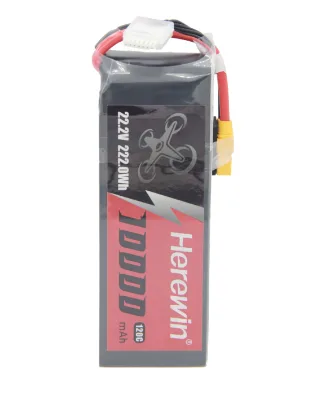


903242 Lipo Battery 3.7V 1000mAh Rechargeable for Mini Drone Quadcopter
$1.00 - $2.00
MOQ: 2000 Pieces

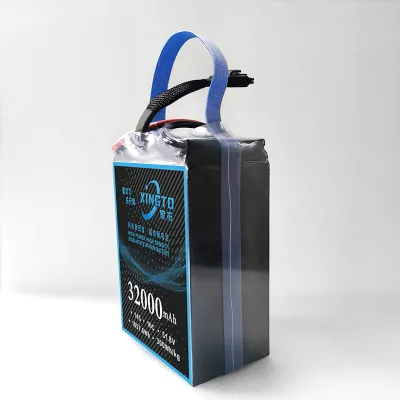
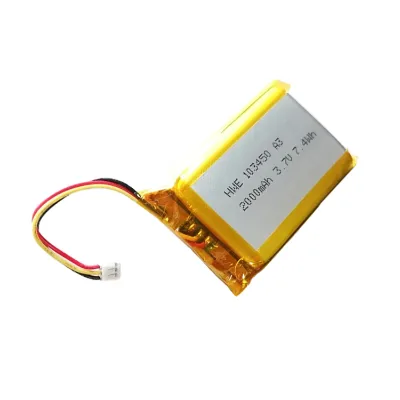
Comprehensive Sourcing Guide
Strategic Sourcing Guide for Rechargeable Drone Lithium Lipo Batteries
Understanding Core Technical Specifications and Performance Metrics
When sourcing rechargeable drone lithium Lipo batteries, buyers must first establish a clear understanding of the technical parameters that define performance and safety. The market offers a diverse array of configurations, ranging from small cells for digital products to high-capacity packs designed for FPV (First Person View) drones. A critical observation in the current supply landscape is the prevalence of NCM (Nickel Cobalt Manganese) cathode materials, which are frequently cited as the standard for high-performance applications. These batteries are universally rechargeable, a fundamental requirement for drone operations where rapid turnover and cycle life are paramount.
Voltage and capacity are the primary drivers of flight time and power delivery. In the observed product range, specific models demonstrate distinct profiles. For instance, high-performance FPV drone batteries are available with a nominal voltage of 22.2 V and a substantial capacity of 8000mAh, weighing approximately 900g. These units often feature a high discharge rate of 60c, enabling the rapid power bursts necessary for agile maneuvering. Conversely, other configurations in the market, such as those with a capacity of 16000mAh, may operate at a lower discharge rate of 30c, prioritizing endurance over peak power. It is essential to note that weight is a direct function of capacity and cell chemistry; a 16000mAh unit in this category weighs 1100g, indicating a trade-off between flight duration and payload efficiency.
Connectivity and physical dimensions also vary significantly based on the intended application. The XT60 connector type is a common standard observed in high-drain FPV applications, ensuring robust power delivery. However, for other lithium-ion or polymer packs, the connection mode may be flexible, offering options for series and parallel configurations to meet specific voltage requirements. Some products are designed with optional battery connectors, allowing for customization based on the drone's specific wiring harness. Physical size is another critical variable, with products ranging from small dimensions suitable for compact devices to medium-sized packs with specific length, width, and height measurements, such as 210mm x 91mm x 125mm or 195mm x 75mm x 99mm. Buyers must verify that the physical envelope of the battery fits within the drone's airframe constraints before finalizing a procurement decision.
Compliance, Safety Standards, and Certification Verification
Ensuring that sourced batteries meet safety and regulatory standards is a non-negotiable aspect of B2B procurement in the lithium battery sector. While specific certification statuses for individual suppliers may vary, buyers must actively verify compliance with recognized safety protocols. The industry generally relies on standards such as UL2054 for safety testing, though the presence of this standard in a specific product listing should be confirmed rather than assumed.
Safety features are often integrated directly into the battery management system (BMS) or the cell structure. High-quality lithium polymer packs typically include protection circuits designed to guard against overcharge, overdischarge, overcurrent, and short circuits. These protective mechanisms are critical for preventing thermal runaway, a significant risk associated with high-energy-density lithium cells. When evaluating potential suppliers, procurement teams should request documentation that confirms the presence of these protection circuits. Additionally, the electrolyte composition, typically Li-ion or Lithium Polymer, must be clearly defined to ensure compatibility with the intended application and to assess environmental and disposal requirements.
For international trade, the origin of the product plays a role in regulatory compliance. Many lithium batteries are manufactured in specific industrial hubs, such as Taizhou, Jiangsu, China, or other regions with established supply chains. Buyers should verify that the supplier can provide necessary export documentation, including Material Safety Data Sheets (MSDS) and UN38.3 test reports, which are often required for shipping lithium batteries via air or sea. The shipment method, whether by sea or air, can influence the cost and lead time, and may require specific packaging standards to meet transportation safety regulations. It is imperative to confirm that the packaging, such as the standard 20 pieces per carton configuration, meets the requirements for safe transport of hazardous materials.
Cost Drivers and Pricing Structure Analysis
The pricing of rechargeable drone lithium Lipo batteries is influenced by a complex interplay of factors, including capacity, discharge rate, materials, and customization requirements. The observed market data indicates a wide price range, spanning from $0.69 to $1800 USD. This broad spectrum reflects the diversity of products available, from small 3.8V cells with 2700mAh capacity to large, high-voltage packs with 27Ah capacity.
Capacity is a primary cost driver. Batteries with higher capacities, such as the 27Ah or 30Ah models, naturally command higher prices due to the increased amount of raw materials and the complexity of assembly. Similarly, discharge rate significantly impacts cost. A battery capable of a 60c discharge rate, essential for high-speed FPV drones, will typically be more expensive than a 30c or low discharge rate variant designed for longer, slower flights. The choice of cathode material, such as NCM, also affects the base cost, as these materials offer a balance of energy density and safety but are subject to market volatility.
Customization is another major factor influencing the final price. Suppliers often offer OEM/ODM services, allowing buyers to specify voltage, capacity, dimensions, and connector types. While this flexibility adds value, it can increase the unit cost, particularly for smaller order quantities. The Minimum Order Quantity (MOQ) also plays a crucial role in pricing strategy. The observed MOQ range spans from 1 unit to 20,000 units. Buyers purchasing at the lower end of this spectrum may face higher per-unit costs, whereas bulk orders can leverage economies of scale to reduce the price significantly. Lead times, typically ranging from 7 to 10 working days for standard configurations, can also impact the overall cost structure, especially if expedited shipping is required to meet project deadlines.
Typical Applications and Use Case Scenarios
Rechargeable drone lithium Lipo batteries serve a variety of applications, each demanding specific performance characteristics. The most prominent use case is in the FPV drone sector, where high discharge rates and compact form factors are essential. The 22.2 V, 8000mAh battery with a 60c discharge rate is specifically engineered for these high-performance applications, providing the necessary power for rapid acceleration and agile flight patterns. These batteries are often paired with XT60 connectors to ensure reliable power delivery under heavy loads.
Beyond FPV racing and freestyle flying, these batteries are utilized in industrial and commercial drone applications. Larger capacity packs, such as the 16000mAh or 27Ah models, are suitable for surveying, mapping, and inspection drones that require extended flight times. The lower discharge rates of these units, such as 30c or even lower, are optimized for steady power delivery rather than peak bursts, allowing for longer operational durations. Additionally, smaller lithium polymer packs with voltages around 3.8V and capacities like 2700mAh are commonly used in digital products and smaller unmanned aerial vehicles where weight and size are critical constraints.
The versatility of these batteries extends to their connection modes. The ability to connect cells in series and parallel allows for the creation of custom battery packs tailored to specific voltage and capacity needs. This flexibility is particularly valuable for drone manufacturers who need to design power systems that match the unique requirements of their aircraft. Whether for hobbyist use, professional photography, or industrial inspection, the selection of the correct battery type ensures optimal performance and safety.
Supplier Evaluation and Quality Control Protocols
Evaluating suppliers for rechargeable drone batteries requires a rigorous approach to quality control and reliability assessment. Buyers should prioritize suppliers who demonstrate transparency in their manufacturing processes and product specifications. The availability of customization options, such as OEM/ODM services, indicates a supplier's capability to adapt to specific buyer needs. However, the presence of customization should not come at the expense of quality.
Quality control protocols should include verification of the battery's internal components, such as the protection circuit and cell quality. Buyers should request evidence of testing procedures, including checks for overcharge, overdischarge, and short-circuit protection. The consistency of the discharge rate and capacity across batches is also a key indicator of quality. For instance, a supplier claiming a 60c discharge rate should be able to provide test data confirming that the battery can sustain this rate without significant voltage sag or overheating.
Packaging and logistics are also critical aspects of supplier evaluation. The standard packaging of 20 pieces per carton suggests a level of industrial standardization, but buyers should verify that the packaging is robust enough to prevent damage during transit. The origin of the product, such as Taizhou, Jiangsu, China, can provide insights into the supplier's location and potential logistical advantages, but it should not be the sole criterion for selection. Buyers should assess the supplier's ability to meet lead times, typically 7 to 10 working days, and their flexibility in handling urgent orders.
Long-Term Procurement Considerations and Strategic Planning
Sourcing rechargeable drone lithium Lipo batteries is not merely a transactional activity but a strategic decision that impacts long-term operational efficiency. Buyers should consider the total cost of ownership, which includes not only the purchase price but also the lifecycle cost, maintenance, and replacement frequency. High-quality batteries with robust protection circuits and reliable discharge rates will generally offer a longer lifespan, reducing the need for frequent replacements and minimizing downtime.
Supply chain resilience is another critical consideration. Given the variability in lead times and the potential for supply chain disruptions, buyers should develop relationships with multiple suppliers to ensure continuity of supply. The ability to source batteries with different capacities and discharge rates allows for flexibility in product design and market adaptation. Furthermore, the availability of customization options enables buyers to differentiate their products in a competitive market.
Environmental and regulatory compliance will also become increasingly important in the long term. As regulations regarding lithium battery disposal and recycling tighten, buyers should prioritize suppliers who adhere to strict environmental standards and offer sustainable packaging solutions. The origin of the product and the supplier's commitment to ethical manufacturing practices should also be factored into the decision-making process. By focusing on these long-term considerations, buyers can build a robust and sustainable supply chain that supports the growth and success of their drone operations.
Comparative Analysis of Battery Configurations
To facilitate informed decision-making, the following table summarizes key differences between common battery configurations observed in the market. This comparison highlights the trade-offs between capacity, discharge rate, and physical dimensions, aiding buyers in selecting the most appropriate product for their specific needs.
| Feature | High-Performance FPV Model | High-Capacity Endurance Model | Compact Digital Product Model |
|---|---|---|---|
| Voltage | 22.2 V | 44.4 V (12S) | 3.8 V |
| Capacity | 8000 mAh | 16000 mAh / 27 Ah | 2700 mAh |
| Discharge Rate | 60c | 30c / Low | 0.5c to 1c |
| Weight | 900g | 1100g | Variable |
| Connector | XT60 | Optional / Series-Parallel | Optional |
| Typical Application | FPV Racing / Freestyle | Surveying / Mapping | Digital Devices / Small Drones |
| Standard | Lithium Polymer | Lithium Polymer | Lithium Polymer |
This comparative overview underscores the importance of aligning battery specifications with the intended application. High-discharge models are essential for dynamic flight profiles, while high-capacity units are better suited for extended missions. Compact models offer versatility for smaller devices but may not provide the power required for larger drone platforms. By carefully evaluating these parameters, buyers can optimize their procurement strategy to meet both performance and budgetary requirements.
FAQs
What cathode material is used in high-performance drone batteries?
High-performance drone batteries typically use NCM cathode material. This material is standard for applications requiring high discharge rates like 60c, ensuring reliable power delivery for agile FPV drone maneuvers.
Can I customize the voltage and capacity for my specific drone?
Yes, customization is available for voltage and capacity. Buyers can specify models like 22.2V with 8000mAh or 44.4V with 27Ah, allowing the battery to fit unique airframe constraints and flight time requirements.
How long does it take to receive a standard order?
The standard lead time is 7 to 10 working days. This duration applies to most configurations, though expedited shipping may be required if the project timeline is tighter than the standard production window.
Which connector type is common for high-drain FPV applications?
The XT60 connector type is common for high-drain FPV applications. It ensures robust power delivery under heavy loads, though some models offer optional connectors for different wiring harness compatibility.
What safety features protect the battery during operation?
Batteries include protection circuits for overcharge, overdischarge, overcurrent, and short circuits. These features prevent thermal runaway and ensure safe operation, which is critical for high-energy-density lithium polymer packs.
What is the minimum order quantity for purchasing these batteries?
The minimum order quantity ranges from 1 to 20,000 units depending on the supplier. Smaller orders may have higher per-unit costs, while bulk purchases leverage economies of scale to reduce the price significantly.