Source Rechargeable Fabric Lampshade for Home Lighting, Office Decor, and Event Setup
Explore 30 listings for Rechargeable Fabric Lampshade options featuring handmade and modern designs. Buyers can compare specifications, certifications, and customization services from verified suppliers in Guangdong, China.
Key considerations
Products List
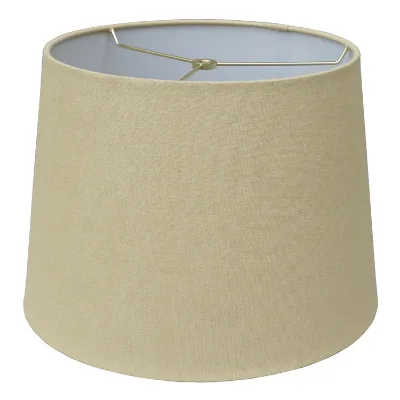
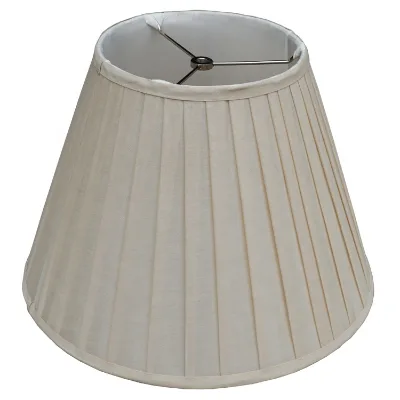


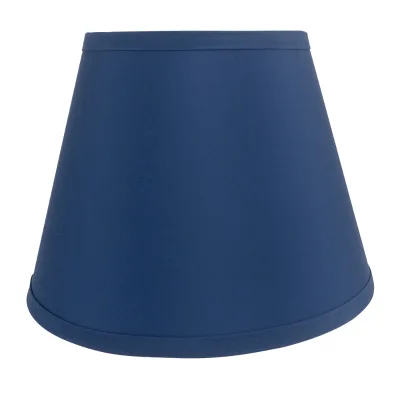
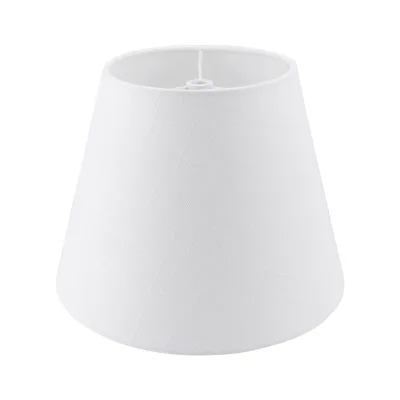
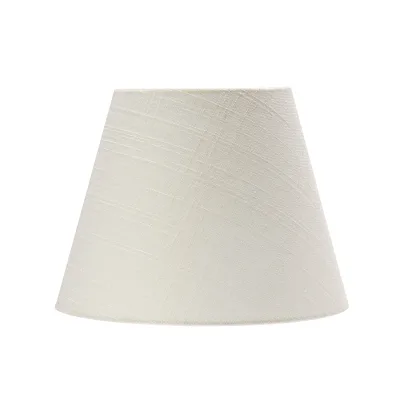
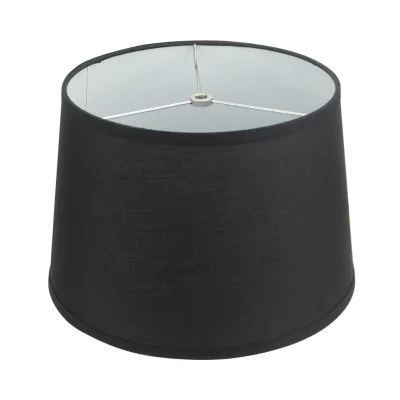
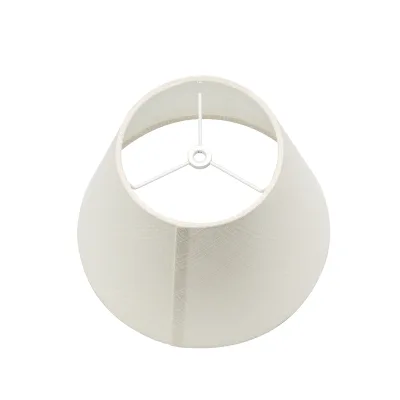
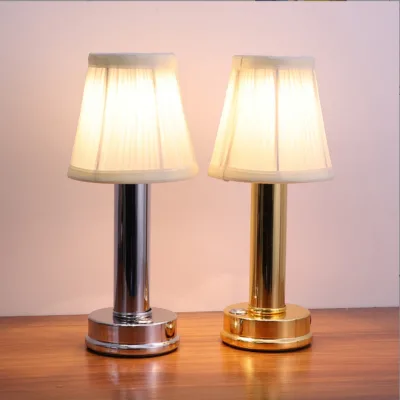
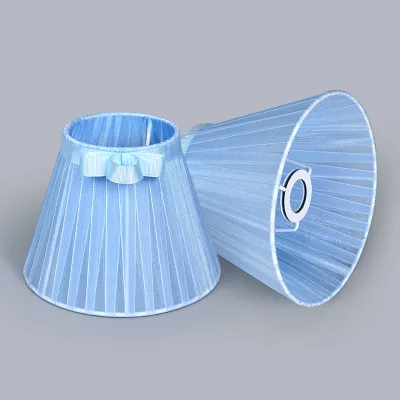


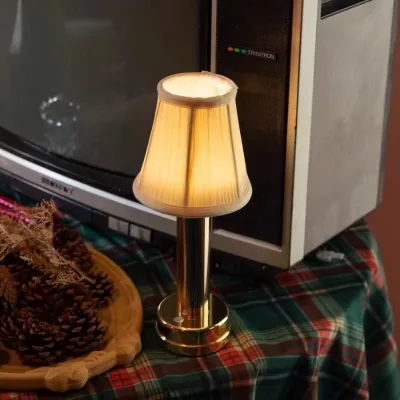
Eco-Friendly Cotton Lantern Handmade Fabric Lamp Shade Cotton Lamp Shade
$5.00 - $7.00
MOQ: 500 Pieces



Comprehensive Sourcing Guide
Strategic Sourcing Guide for Rechargeable Fabric Lampshades
Understanding the Product Category and Market Context
The term "Rechargeable Fabric Lampshade" represents a specific intersection of lighting design and portable power technology. In the current B2B procurement landscape, buyers often seek fixtures that combine the aesthetic warmth of fabric materials with the operational flexibility of battery-powered systems. However, a critical distinction must be made between the product attributes observed in the market and the specific functional requirement of "rechargeable" capability.
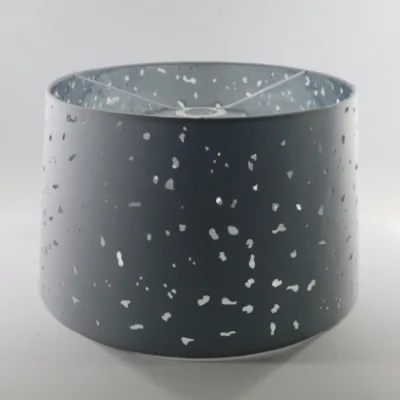
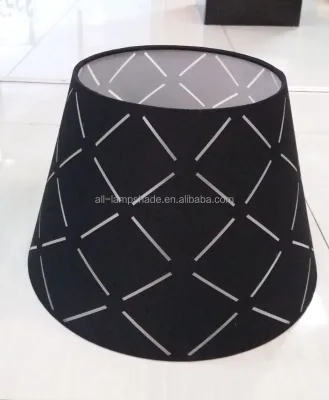
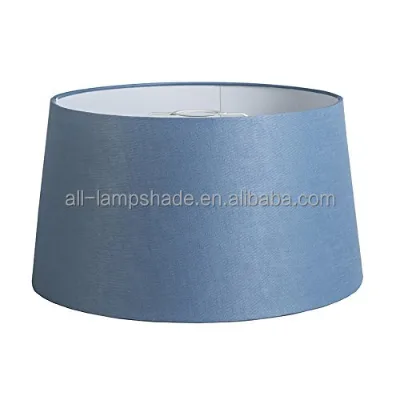
Based on the available product data, the market features a diverse range of fabric lampshades, including "Hard back fabric lamp shade" and "soft back fabric lamp shade." These products are characterized by specific materials such as "Fabric" and "T/C" (T/C likely refers to a cotton-polyester blend), with finishes ranging from "Powder-Coated" to natural textures. The observed product styles vary significantly, with listings explicitly mentioning "Modern," "Antique," and "soft back" designs. The shapes are predominantly "Round," and the applications are centered on "Home Lighting Decoration" and "Lighting parts."
It is essential for buyers to note that while the supplied product data confirms the existence of "Felt Light" products and various fabric shades, the specific attribute of "rechargeable" power sources is not explicitly confirmed in the provided high-confidence facts. The data indicates a "Power Source: AC" for some items and a "With Light Source: Without Light Source" status for others, suggesting that many listed items are passive shades designed to be fitted onto existing fixtures rather than self-contained, battery-operated units. Therefore, the primary sourcing challenge involves identifying suppliers who can bridge the gap between standard fabric shade manufacturing and the integration of rechargeable battery modules. Buyers must verify if the "Lighting And Circuitry Design" service mentioned in the product attributes extends to custom battery integration or if it refers solely to the electrical design of the fixture the shade will accompany.
Technical Specifications and Material Verification
When evaluating fabric lampshades for potential rechargeable integration, technical specifications regarding dimensions, weight, and material composition are paramount. The observed product data provides concrete ranges that serve as benchmarks for quality assessment. For instance, the "Single package size" varies from 36x36x78 cm to 43x43x81 cm, indicating that manufacturers offer different scale options. The "Product size(mm)" for specific models, such as the one with model number DJL0525, is listed as 203305240, providing a clear reference for volume and fitment.
Weight is another critical specification. The "Product Weight" is observed at 0.31 kg and 0.27 kg for different variants, while the "Single gross weight" ranges from 3.800 kg to 5.700 kg, likely reflecting the weight of the packaged unit including cartons. These figures are vital for logistics planning and for ensuring that the shade does not become too heavy for the intended mounting hardware, especially if the mounting system must also support the weight of a battery pack.
Material selection directly impacts the aesthetic and functional performance of the lampshade. The data highlights "Fabric" and "T/C" as primary materials. The "Craft" is noted as "Handmade," which suggests a higher level of artisanal quality but may also introduce variability in production consistency. The "Finish" is described as "Powder-Coated" in some contexts, which is unusual for fabric but may refer to the metal frame or internal structure supporting the fabric. The "Body Color" is listed as "Multi," with specific examples like "cream" appearing in the data.
Buyers must verify the specific fabric composition to ensure it meets fire safety standards, particularly when integrating electrical components like rechargeable batteries. The "Feature: Eco-Friendly" attribute suggests that some suppliers prioritize sustainable materials, which is a growing demand in the lighting sector. However, the term "Eco-Friendly" is a broad claim; buyers should request specific details on the sourcing of the fabric and the environmental impact of the manufacturing process.
Compliance, Certification, and Safety Standards
In the lighting industry, compliance and certification are non-negotiable, especially when dealing with electrical components and rechargeable batteries. The supplied product data lists several certifications, including "RoHS," "CE," "GS," and "VDE." These are critical indicators of a supplier's adherence to international safety and environmental standards.
RoHS (Restriction of Hazardous Substances) ensures that the product does not contain specific hazardous materials, which is essential for environmental compliance in many markets. CE marking indicates conformity with health, safety, and environmental protection standards for products sold within the European Economic Area. The presence of "GS" (Geprüfte Sicherheit) and "VDE" (Verband der Elektrotechnik) certifications further strengthens the safety profile, as these are German standards known for rigorous testing of electrical equipment.
However, the data also notes a "Low-confidence background" regarding CE certification, which implies that while some products claim this status, it may not be universally verified across all listings. Buyers must exercise caution and request valid, up-to-date certification documents for the specific model they intend to purchase. This is particularly important for rechargeable products, which involve lithium-ion or similar battery technologies that require additional safety testing for thermal runaway, short-circuit protection, and overcharge prevention.
The "Warranty(Year): 1-Year" is a standard offering observed in the data, providing a baseline for post-purchase support. However, for rechargeable products, the warranty should explicitly cover the battery cycle life and the integrity of the charging mechanism. Buyers should verify if the "Lighting And Circuitry Design" service includes certification for the integrated electrical system or if the certification applies only to the shade itself.
Cost Drivers and Pricing Dynamics
The pricing landscape for fabric lampshades is influenced by several factors, including material quality, craftsmanship, and the complexity of any integrated electrical systems. The observed price range in the market is substantial, spanning from 0.95 USD to 128.57 USD. This wide variance suggests that the market caters to both budget-conscious buyers and those seeking premium, high-design products.
The lower end of the price spectrum likely corresponds to basic fabric shades with standard dimensions and minimal customization. The higher end may reflect products with "Handmade" craftsmanship, custom sizes, or advanced features such as integrated lighting solutions. The "MOQ range" of 1 to 500 units indicates flexibility in order sizes, allowing buyers to start with small test orders or scale up to bulk purchases.
For rechargeable fabric lampshades, the cost drivers will be significantly higher than for standard AC-powered shades. The integration of a battery pack, charging circuitry, and a durable housing for the electronics will add substantial material and assembly costs. Buyers should anticipate that the "Customization: Available" attribute, which is common in the data, will incur additional fees. The "Service: OEM\ODM" and "OEM/ODM: Yes" attributes confirm that suppliers are willing to tailor products, but this customization will impact the final unit price.
The "Packing: 10pcs/carton box" and "Single package size" data provide insights into logistics costs. Larger packages or heavier gross weights will increase shipping expenses, which can be a significant portion of the total landed cost. Buyers should calculate the total cost of ownership, including shipping, duties, and potential tariffs, rather than focusing solely on the unit price.
Typical Applications and Design Integration
The primary application for these products is "Home Lighting Decoration," with a specific focus on "Lighting parts." The "Design Style" is described as "Modern" and "Antique," indicating versatility in aesthetic integration. The "Shape: Round" is the dominant form factor, which is suitable for a wide range of interior design styles.
The "Usage" as "Home Lighting Decoration" suggests that these lampshades are intended for residential settings, such as living rooms, bedrooms, and dining areas. The "Application: Lighting parts" implies that they may be sold as components for DIY lighting projects or as replacements for existing fixtures. The "Description: Home Decoration" reinforces the focus on aesthetic appeal.
For rechargeable variants, the application scope expands to areas where AC power is unavailable or inconvenient. This includes outdoor patios, camping gear, emergency lighting, and temporary event setups. The "Beaming Angle: 80°" specification suggests a wide light distribution, suitable for ambient lighting rather than focused task lighting. The "Control Mode: Switch Control" indicates a simple user interface, which is ideal for general consumers.
Buyers should consider the "DIY: No" attribute, which suggests that these products are designed for professional installation or plug-and-play use rather than user assembly. This is particularly relevant for rechargeable models, where the battery and charging ports are often sealed within the fixture to ensure safety and durability.
Supplier Evaluation and Quality Control
Evaluating suppliers for fabric lampshades requires a thorough assessment of their capabilities, particularly regarding customization and quality control. The "Brand Name: Dongguan Jialai" and "Place of Origin: Guangdong, China" provide specific geographic and brand references, but buyers should not limit their search to a single entity. Guangdong is a major manufacturing hub for lighting products, known for its supply chain efficiency and technical expertise.
Key evaluation criteria include the "Craft: Handmade" attribute, which can indicate high quality but also potential inconsistencies. Buyers should request samples to verify the consistency of the "Handmade" process. The "OEM/ODM" capabilities are crucial for buyers seeking custom designs, and the "Customization: Available" attribute confirms that suppliers are open to modifications.
Quality control should focus on the integrity of the fabric, the stability of the frame, and the reliability of any electrical components. For rechargeable products, testing the battery life, charging speed, and safety features is essential. Buyers should verify the "Certification: RoHS,CE,GS,VDE" status through third-party testing reports rather than relying solely on supplier claims.
The "Standard: Made to Order" attribute suggests a flexible production model, but buyers must ensure that the supplier has robust quality assurance processes in place to maintain consistency across custom orders. The "Single gross weight" and "Single package size" data can be used to verify that the supplier's packaging standards align with the buyer's logistics requirements.
Long-Term Procurement and Supply Chain Considerations
Long-term procurement of fabric lampshades involves considerations beyond the initial purchase, including supply chain stability, after-sales support, and product lifecycle management. The "Warranty(Year): 1-Year" provides a baseline for support, but buyers should negotiate extended warranty terms for rechargeable products, where battery degradation is a common concern.
The "Service: Lighting And Circuitry Design" attribute suggests that suppliers may offer ongoing technical support, which is valuable for custom projects. Buyers should assess the supplier's ability to provide spare parts, particularly for battery packs and charging modules, to ensure the longevity of the product.
Supply chain stability is critical, especially given the "Place of Origin: Guangdong, China" location. Buyers should monitor geopolitical and logistical factors that could impact lead times and shipping costs. The "MOQ range" of 1 to 500 units allows for flexible ordering, but buyers should plan for inventory management to avoid stockouts or overstocking.
Finally, buyers should consider the environmental impact of the products. The "Feature: Eco-Friendly" attribute is a positive indicator, but buyers should request detailed information on the sustainability of the materials and the manufacturing process. This includes the recyclability of the fabric, the energy efficiency of the lighting, and the disposal of battery components.
Comparative Analysis of Product Attributes
To facilitate decision-making, the following table summarizes key attributes observed in the market data, highlighting the distinctions between standard and potential rechargeable configurations.
| Attribute | Standard Fabric Shade (Observed) | Rechargeable Configuration (Required Verification) |
|---|---|---|
| Power Source | AC (Confirmed in data) | Battery/Rechargeable (To be verified) |
| Light Source | Without Light Source (Shade only) | Integrated Light Source (Likely required) |
| Material | Fabric, T/C | Fabric, T/C, plus Battery Housing |
| Craft | Handmade | Handmade + Electronic Assembly |
| Certification | RoHS, CE, GS, VDE | RoHS, CE, GS, VDE + Battery Safety |
| Control Mode | Switch Control | Switch + Charging Port |
| Weight | 0.27 - 0.31 kg (Product) | Higher (Includes battery) |
| MOQ | 1 - 500 | 1 - 500 (Likely higher for custom) |
| Customization | Available | Available (Custom battery integration) |
This comparison underscores the need for buyers to explicitly confirm the rechargeable capabilities of any product they intend to source. While the market offers a wide array of high-quality fabric shades, the integration of battery technology requires a specialized supplier with proven expertise in electrical safety and product design. By focusing on the verified attributes and conducting rigorous due diligence, buyers can successfully navigate the complex landscape of fabric lampshade procurement.
FAQs
Can I find rechargeable fabric lampshades with AC power source?
The provided data indicates a power source of AC for some listed items, but does not confirm rechargeable battery integration. Buyers must verify if the Lighting And Circuitry Design service extends to custom battery modules beyond standard AC fixtures.
What certifications are available for these fabric lampshades?
High-confidence facts list RoHS, CE, GS, and VDE certifications for specific models. Buyers should request valid documents for the exact model, as CE status is noted with low confidence in some background data regarding electrical safety.
Which material options exist for handmade fabric lampshades?
Observed materials include Fabric and T/C blends, with a handmade craft process. The body color is listed as Multi, with specific examples like cream, while the finish may involve powder-coated frames rather than the fabric itself.
How large are the single package sizes for these products?
Single package sizes vary from 36x36x78 cm to 43x43x81 cm depending on the model. Specific product sizes like 203x305x240 mm are also recorded, helping buyers calculate logistics costs and shipping volumes accurately.
Can suppliers offer OEM and ODM customization services?
Yes, the product attributes explicitly state Service as OEM/ODM and Customization as Available. Buyers can request tailored designs, but this customization will likely impact the unit price and may require higher minimum order quantities.
What is the warranty period for these lighting parts?
A 1-Year warranty is the standard offering observed in the product data. For rechargeable variants, buyers should verify if this warranty explicitly covers battery cycle life and the integrity of the charging mechanism beyond the shade itself.
What is the price range for these fabric lampshades?
The observed listed price range spans from 0.95 USD to 128.57 USD. This variance reflects differences in material quality, handmade craftsmanship, and the complexity of any integrated electrical systems or customizations requested by the buyer.