Source Rechargeable EMS Heating Neck Massager for Office, Travel, Home
Find 30 models of Rechargeable EMS Heating Neck Massager with varying battery capacities, heating temperatures, and vibration methods. Compare specifications like working time, charging types, and material compositions to select the right device for office workers, travelers, and home users.
Key considerations
Products List


Rechargeable Pain Relief Cervical Massager EMS Neck Massager Heat U Shape
$17.63 - $21.50
MOQ: 2 Pieces


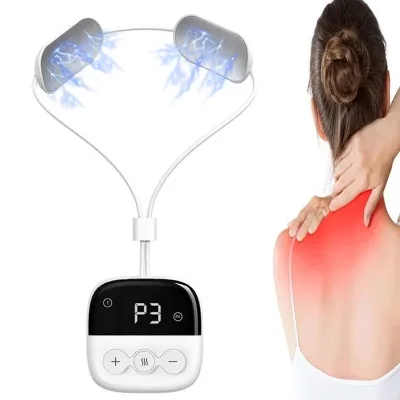

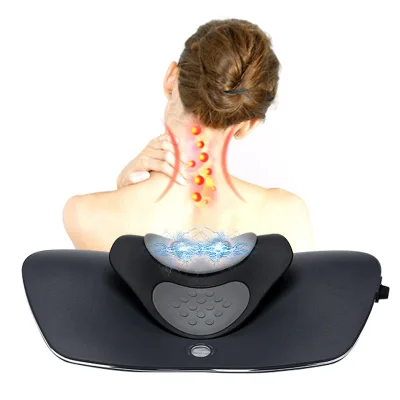


Comprehensive Sourcing Guide
Strategic Sourcing Guide for Rechargeable EMS Heating Neck Massagers
The global demand for personal wellness devices has surged, with rechargeable EMS heating neck massagers emerging as a dominant category in the consumer electronics and health appliance sectors. For B2B procurement professionals, navigating this market requires a disciplined approach that distinguishes between marketing claims and verifiable technical specifications. This guide synthesizes available product data and industry standards to provide a framework for sourcing high-quality units, ensuring that procurement decisions are grounded in observable facts rather than unverified assertions. The focus remains on the intersection of electrical safety, ergonomic design, and supply chain reliability.
Technical Architecture and Functional Specifications
Understanding the core technology is the first step in evaluating potential suppliers. The devices in this category typically integrate Electro Muscle Stimulation (EMS) with thermal therapy to alleviate muscle tension. Based on observed product attributes, the functional spectrum includes specific vibration methods, such as pulse and vibration intensity modulation, alongside heating elements. The heating function is a critical differentiator, with observed temperature ranges stabilizing around 38°C to 42°C, often with a tolerance of ±3°C. This specific thermal window is designed to be safe for prolonged skin contact while effectively relaxing neck and shoulder muscles.
Battery performance is another pivotal technical metric. The market offers a variety of capacities, ranging from 520mAh to 950mAh units. These variations directly influence the working time, which typically ranges from 60 to 90 minutes on a single charge. Charging times are equally variable, with some models requiring up to 90 minutes to reach full capacity. The working voltage is consistently standardized at 5V/1A, facilitating compatibility with standard USB power sources. Furthermore, the integration of an auto-timer, frequently set at 15 minutes, serves as a safety mechanism to prevent overuse.
| Feature Category | Observed Specification Range | Typical Application |
|---|---|---|
| Battery Capacity | 520mAh – 950mAh | Determines session duration and portability |
| Heating Temperature | 38°C – 42°C (±3°C) | Muscle relaxation and blood flow improvement |
| Working Voltage | 5V/1A | Standard USB charging compatibility |
| Auto Timer | 15 Minutes | Safety limit for continuous usage |
| Charging Interface | Type-C (observed in specific models) | Modern, reversible connectivity standard |
| Material Composition | PC, ABS, TPE | Durability and skin-safe contact surfaces |
The structural composition of these devices often involves a combination of Polycarbonate (PC), Acrylonitrile Butadiene Styrene (ABS), and Thermoplastic Elastomer (TPE). This triad ensures the device is lightweight yet durable, with TPE providing a soft, skin-friendly surface for the massage heads. The surface treatment process may include rubber and SUS304 stainless steel components, which contribute to the tactile quality and corrosion resistance of the product.
Compliance and Certification Verification
In the realm of electronic health devices, compliance is not merely a formality but a prerequisite for market access. While specific certification documents were not explicitly listed in the provided product attributes, the standard designation "As shown" implies that compliance is model-dependent and must be verified on a per-SKU basis. Buyers must rigorously verify that the supplier can provide valid documentation for the target markets, such as CE, FCC, or RoHS compliance, depending on the destination country.
The origin of manufacturing plays a significant role in compliance expectations. Products originating from Nantong and Shenzhen, China, represent major manufacturing hubs known for their electronics supply chains. However, the location of the factory does not automatically guarantee compliance. Procurement teams must request specific test reports for electrical safety, electromagnetic compatibility (EMC), and battery safety. The "14915237mm" or "151.697.4197.2mm" dimensions listed in product standards are physical specifications, but they do not substitute for regulatory clearance. Buyers should ensure that the supplier has a track record of passing third-party laboratory tests for the specific models they intend to source, particularly regarding the heating element's thermal stability and the EMS output safety limits.
Cost Drivers and Pricing Dynamics
The pricing structure for rechargeable EMS heating neck massagers is influenced by a complex interplay of factors, including battery capacity, material quality, and customization options. The observed price range spans from $1.08 to $62.39, a variance that reflects the disparity between basic models and those with advanced features like voice broadcast, multiple vibration patterns, or higher battery capacities. The lower end of the spectrum likely corresponds to units with smaller batteries (e.g., 520mAh) and simpler casing materials, while the higher end includes models with larger batteries (950mAh), Type-C charging, and more sophisticated control interfaces.
Customization is a significant cost driver. The availability of customization options allows buyers to tailor products to their brand identity, but this process often incurs additional tooling and setup costs. The Minimum Order Quantity (MOQ) also impacts the unit price, with observed ranges spanning from 1 to 1000 units. Smaller MOQs are suitable for market testing or niche distribution, whereas larger volumes typically unlock better pricing tiers. Buyers must calculate the total landed cost, factoring in not just the unit price but also packaging requirements, such as the "Color Box: 1PC/Color Box Carton: 30PCS/Carton" configuration, which affects shipping efficiency and warehousing costs.
Typical Applications and Target Demographics
The application of these devices is highly specialized, primarily targeting individuals seeking relief from neck and shoulder strain. The "Applicable Parts" attribute explicitly lists the neck and shoulder, confirming the ergonomic design focus. The "Suitable for: Office Workers" attribute highlights a primary demographic: professionals who spend extended periods at desks, leading to repetitive strain injuries and muscle stiffness.
Beyond office workers, the versatility of these devices extends to travelers, athletes, and the elderly. The portability afforded by the rechargeable battery and compact dimensions (e.g., 14814636mm) makes them ideal for use in various settings, from home offices to travel. The "Voice Broadcast" function adds a layer of accessibility, guiding users through different massage modes without the need to look at a screen, which is particularly beneficial for users with visual impairments or those multitasking. The "Pattern: 16" observed in some models suggests a high degree of variability in massage techniques, catering to diverse user preferences and specific muscle groups.
Supplier Evaluation and Production Capabilities
Evaluating a supplier for this category requires a deep dive into their production capabilities and quality management systems. The presence of multiple product models, such as MSB312, A5, uNeck-9813, uNeck-9818Max, and G79, indicates a manufacturer with a diverse product line. This diversity can be advantageous for buyers looking to source a range of SKUs, but it also necessitates careful vetting to ensure that quality control standards are consistent across all models.
Suppliers should be assessed on their ability to manage the "Change The Vibration Frequency" and "Changing The Current Intensity" features reliably. These dynamic functions require precise electronic control and robust firmware. Buyers should request samples to test the consistency of the vibration patterns and the accuracy of the temperature regulation. Additionally, the "Surface Treatment Process" involving PC, Rubber, and SUS304 suggests a need for suppliers with in-house molding and assembly capabilities to ensure the integrity of the materials.
The packaging specifications, such as "Color Box: 1PC/Color Box Carton: 54PCS/Carton," indicate the supplier's experience in logistics and bulk shipping. Efficient packaging reduces damage rates and optimizes container utilization. Buyers should verify that the supplier can maintain these packing standards consistently and that the packaging materials meet sustainability requirements if that is a priority for the target market.
Quality Control and Long-Term Procurement Considerations
Quality control in the production of electronic massagers must be rigorous, focusing on both functional performance and safety. The "Auto Timer: 15 Min" feature is a critical safety component that must be tested for accuracy across all units. Similarly, the heating element must be tested to ensure it does not exceed the safe temperature range of 42°C ±3°C under any operating condition.
For long-term procurement, buyers should consider the supply chain resilience of the supplier. The variability in battery types and charging interfaces (e.g., Type-C vs. older standards) suggests that component availability can fluctuate. A reliable supplier will have a robust supply chain for critical components like batteries and control chips. Furthermore, the "Working Time: ≥60-90min" specification should be verified under real-world usage conditions, as battery degradation over time can affect performance.
Buyers should also plan for after-sales support, including warranty policies and the availability of replacement parts. The complexity of the internal components, such as the "Massage Head" and electronic circuits, means that repairability is a key consideration. Establishing a clear communication channel with the supplier for technical support and quality issue resolution is essential for maintaining brand reputation.
Conclusion
Sourcing rechargeable EMS heating neck massagers requires a balanced approach that weighs technical specifications against cost and compliance. The market offers a wide array of options, from basic models to advanced units with voice broadcast and multiple vibration patterns. By focusing on verified attributes such as battery capacity, temperature control, and material composition, buyers can make informed decisions that align with their market needs. The observed data highlights the importance of verifying compliance, understanding cost drivers, and evaluating supplier capabilities to ensure a successful procurement strategy. As the demand for personal wellness devices continues to grow, a disciplined, evidence-based approach to sourcing will be the key to securing high-quality products that meet the expectations of modern consumers.
FAQs
What battery capacities are available for these massagers?
Battery capacities range from 520mAh to 950mAh depending on the specific model. This variation directly impacts the working time, which typically spans from 60 to 90 minutes on a single charge.
How is the heating temperature controlled in these devices?
The heating function stabilizes between 38°C and 42°C with a tolerance of ±3°C. This specific thermal window is designed to be safe for prolonged skin contact while effectively relaxing neck muscles.
Can these massagers be customized for specific branding needs?
Yes, customization is available for these products to meet specific branding requirements. Buyers should note that this process often incurs additional tooling and setup costs beyond the base unit price.
What are the standard working voltage and charging times?
The working voltage is consistently standardized at 5V/1A for compatibility with standard USB sources. Charging times vary by model, with some units requiring up to 90 minutes to reach full capacity.
Which materials are used for the product casing and contact surfaces?
Materials typically include a combination of PC, ABS, and TPE for durability and skin safety. The surface treatment may also involve rubber and SUS304 stainless steel components for improved tactile quality.
What is the typical auto timer setting for safety?
The auto timer is frequently set at 15 minutes to prevent overuse of the device. This safety mechanism ensures that the heating and stimulation functions do not operate beyond recommended duration limits.