Source Rechargeable Folding Mini Fan for Home, Office, and Travel
Explore 30 options for the rechargeable folding mini fan, featuring battery-powered designs with CE and RoHS certifications. Compare models like P06 and F8, noting varying power sources, materials, and customization availability for household and portable cooling needs; compare the available evidence and request quotations based on your requirements.
Key considerations
Products List



Comprehensive Sourcing Guide
Rechargeable Folding Mini Fan Sourcing Guide
Sourcing rechargeable folding mini fans requires a disciplined approach to balancing portability, battery safety, and thermal performance. These devices are primarily designed for personal cooling in household and mobile environments, offering a compact solution for users who need immediate relief from heat without access to wall outlets. The folding mechanism is a critical design feature, allowing the fan to collapse into a small form factor that fits easily into bags or pockets, thereby enhancing its utility for travel, outdoor events, and office use. Buyers must prioritize models that maintain structural integrity through repeated folding cycles while ensuring the blade guard remains secure to prevent accidental injury.
The market for these fans is characterized by a wide variance in build quality, battery capacity, and noise levels, making it essential for procurement teams to establish clear technical requirements before engaging with suppliers. Observed listings indicate a broad price range and varying minimum order quantities, reflecting the diverse capabilities of manufacturers ranging from small workshops to established factories. Understanding these market signals helps buyers set realistic expectations for pricing and lead times. It is crucial to distinguish between basic models that offer minimal cooling and premium options that provide advanced features like variable speed controls, USB-C charging, and low-noise operation, ensuring the selected product aligns with the end-user’s specific needs and budget constraints.
Product Scope and Observed Listing Signals
The current market landscape for rechargeable folding mini fans reveals a significant diversity in product specifications and commercial terms. Listings show a price range from approximately $0.84 to $33.90, indicating that buyers can find options for both budget-conscious mass distribution and higher-end retail markets. Minimum order quantities vary widely, from as low as one unit for sampling up to 3,000 units for bulk production, allowing flexibility for startups and large enterprises alike. This variance suggests that suppliers cater to different business models, including dropshipping, private labeling, and large-scale OEM contracts. Buyers should carefully evaluate these signals to determine which suppliers align with their volume requirements and financial planning.
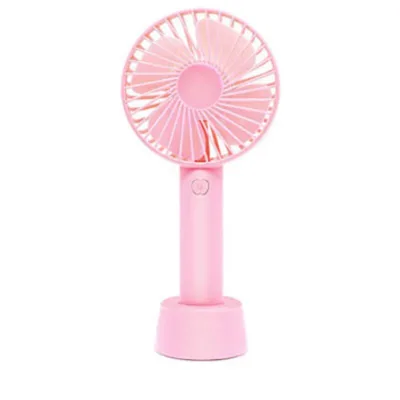
Material composition and physical dimensions are key differentiators among the available products. Most units are constructed from durable plastics such as ABS and PP, which offer a good balance of weight, strength, and cost-effectiveness. Observed dimensions for packed units range from compact sizes like 6x6x15.8 cm to larger carton dimensions, reflecting variations in internal packaging and battery size. Colors are typically available in standard options like white, pink, black, and green, allowing for some degree of aesthetic customization. Understanding these physical attributes is vital for logistics planning, as they directly impact shipping costs and storage requirements. Buyers must verify these details with suppliers to ensure the final product meets their packaging and branding standards.
Technical Specifications to Verify
Battery capacity and power consumption are the most critical technical specifications for rechargeable folding mini fans, as they directly determine runtime and cooling efficiency. Buyers should verify the battery capacity, which can range from 500mAh to 1200mAh or more, depending on the model. Higher capacity batteries generally provide longer operation times but may add weight and cost to the unit. Additionally, the power rating, often listed as 2W or 5W, indicates the fan’s airflow strength. It is essential to confirm whether the fan uses a brushless motor, which typically offers longer lifespan and quieter operation compared to brushed motors. Buyers should also check the charging port type, with USB-C becoming the industry standard for its convenience and reversibility.
Noise level and control methods are other vital technical factors that influence user satisfaction. Low noise operation is a key selling point, especially for use in offices or bedrooms, so buyers should request decibel ratings or test reports to verify quiet performance. Control methods vary from simple button switches to more complex interfaces with multiple speed settings. Some models may include additional features like timers or remote controls, although these are less common in ultra-compact designs. Buyers must ensure that the control mechanism is intuitive and durable, as frequent use can lead to wear and tear. Verifying these specifications through sample testing is recommended to ensure the product meets the expected performance standards before placing a large order.
Compliance and Safety Documentation
Certification is a non-negotiable aspect of sourcing rechargeable folding mini fans, particularly due to the inclusion of lithium-ion or lithium-polymer batteries. Buyers must ensure that suppliers provide valid CE, RoHS, and FCC certificates, which confirm compliance with European and international safety and environmental standards. These certifications are critical for importing products into regulated markets and avoiding customs delays or penalties. It is important to verify that the certificates are current and issued by recognized testing laboratories. Buyers should also inquire about additional certifications such as UN38.3 for battery transportation safety, which is often required for shipping lithium batteries via air or sea freight.
Beyond certifications, buyers should request detailed safety documentation related to the battery and electrical components. This includes test reports for overcharge protection, short-circuit prevention, and thermal runaway resistance. These tests ensure that the fan operates safely under various conditions and does not pose a fire hazard. Buyers should also verify that the materials used in the fan’s construction are free from harmful substances, as indicated by RoHS compliance. Understanding the supplier’s quality management system and their process for maintaining these certifications is essential for long-term compliance. Buyers should ask for copies of the test reports and verify their authenticity with the issuing bodies to mitigate risks associated with non-compliant products.
Cost Drivers and Commercial Terms
Several factors influence the final cost of rechargeable folding mini fans, including battery capacity, material quality, and customization options. Higher battery capacities and the use of premium materials like ABS+PP can increase the unit price, while basic models with smaller batteries and simpler designs are more cost-effective. Customization services, such as logo printing or color changes, may incur additional setup fees or higher per-unit costs. Buyers should also consider the impact of packaging choices on cost, as custom packaging solutions can be more expensive than standard carton packing. Understanding these cost drivers helps buyers make informed decisions about which features are worth the investment based on their target market and pricing strategy.
Commercial terms, including payment methods, lead times, and shipping options, play a significant role in the overall procurement process. Common payment methods include T/T and PayPal, with varying deposit requirements. Lead times can range from 10 to 20 days, depending on the order volume and supplier’s production schedule. Buyers should negotiate clear delivery timelines and penalties for delays to protect their supply chain. Shipping options such as DHL, UPS, and sea freight offer different trade-offs between speed and cost. For urgent orders, air freight may be necessary, while bulk shipments can be more cost-effective via sea freight. Buyers should evaluate these terms in the context of their inventory management and cash flow requirements to optimize their procurement strategy.
Supplier Qualification and Quality Control
Evaluating supplier qualifications is crucial for ensuring the reliability and consistency of rechargeable folding mini fan orders. Buyers should verify the supplier’s business license, manufacturing capabilities, and export experience. Established suppliers with a proven track record are more likely to deliver high-quality products on time. It is also important to assess the supplier’s ability to handle customization requests, as this indicates their flexibility and technical expertise. Buyers should request references or case studies from previous clients to gain insight into the supplier’s performance and customer service. Conducting a factory audit, either in person or through a third-party agency, can provide valuable information about the supplier’s production processes and quality control measures.
Quality control procedures should be clearly defined and agreed upon before production begins. Buyers should specify inspection criteria, including visual checks, functional tests, and battery safety tests. Implementing a pre-shipment inspection (PSI) is recommended to catch any defects before the goods are dispatched. Buyers should also establish a clear process for handling defective products, including return policies and compensation terms. Regular communication with the supplier during the production process can help identify and resolve issues early. By maintaining strict quality control standards, buyers can minimize the risk of receiving substandard products and protect their brand reputation in the market.
Long-Term Procurement Checks
Long-term success in sourcing rechargeable folding mini fans depends on continuous monitoring of supplier performance and market trends. Buyers should regularly review supplier metrics such as on-time delivery rates, product quality, and responsiveness to issues. Establishing a scorecard system can help track these metrics and identify areas for improvement. It is also important to stay updated on changes in regulations and standards, particularly those related to battery safety and environmental compliance. Buyers should proactively engage with suppliers to discuss potential improvements or new product developments that could enhance their offerings. Building a strong, collaborative relationship with suppliers can lead to better pricing, priority production, and access to innovative solutions.
Market dynamics and consumer preferences are constantly evolving, requiring buyers to adapt their sourcing strategies accordingly. Buyers should monitor competitor products and customer feedback to identify emerging trends and opportunities. This may include exploring new features, materials, or design elements that differentiate their products in the market. Regularly reviewing and updating product specifications based on market insights can help maintain competitiveness. Additionally, buyers should consider diversifying their supplier base to mitigate risks associated with single-source dependency. By maintaining a flexible and informed sourcing approach, buyers can ensure a steady supply of high-quality rechargeable folding mini fans that meet the evolving needs of their customers.
FAQs
What certifications do these fans have?
These fans hold CE, RoHS, and FCC certifications. This ensures compliance with international safety and environmental standards for electronic products. Buyers can verify these credentials to meet regulatory requirements in target markets, ensuring the products are safe for household use and suitable for export to regions with strict electronic waste and safety regulations.
Can I customize the color and packaging?
Yes, customization is available for colors and packaging. Options include white, pink, green, black, blue, and yellow. Packaging can be adjusted to carton or specific dimensions. This flexibility allows buyers to brand the products for their specific market needs, ensuring the final goods align with their retail strategy and customer preferences effectively.
What is the battery capacity and power?
Battery capacities range from 500mAh to 1200mAh, with power consumption at 2W or 5W. These specs support portable air cooling for household use. The Type-C charging port adds convenience. Buyers should select the capacity based on desired runtime, ensuring the device meets their specific portability and usage duration requirements for daily tasks.
What are the MOQ and lead times?
MOQs vary from 1 to 3000 pieces, with typical orders starting at 500 PCS. Lead times range from 10 to 20 days depending on the model. These parameters allow flexible ordering for different business scales. Buyers can plan inventory based on these delivery windows, ensuring timely stock replenishment without excessive holding costs or shortages.
How are the fans shipped and paid for?
Shipping options include DHL, UPS, and sea freight. Payment methods accepted are T/T and PayPal. These flexible logistics and financial arrangements accommodate various order sizes and urgency levels. Buyers can choose air freight for speed or sea freight for cost efficiency, while secure payment options ensure smooth transaction processing for international B2B trade.