Source Rechargeable LED Christmas Wooden House for Indoor, Outdoor, and Festival Decor
Explore 30 options for the Rechargeable LED Christmas Wooden House, featuring battery power, resin construction, and multicolour designs. Buyers can compare models like RO-074 and IL0007 based on voltage, size, and customization availability for holiday decoration needs.
Key considerations
Products List


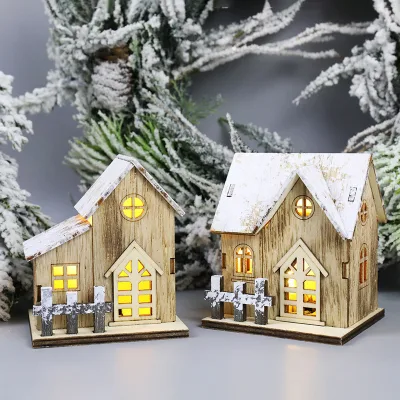
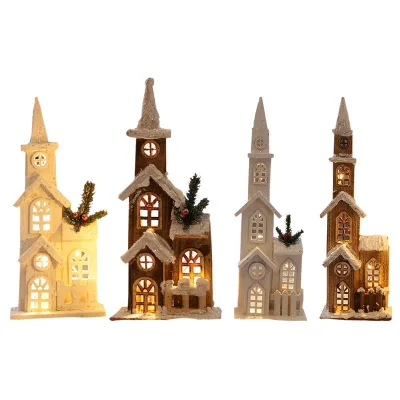
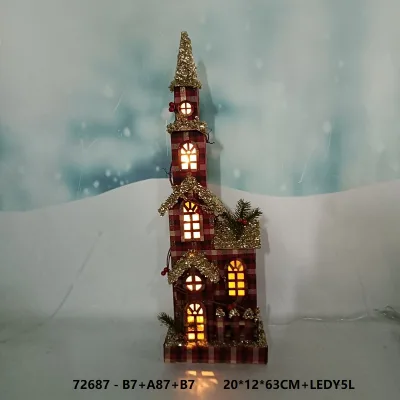
Xmas Ornament LED Lighted Christmas Wooden Village with Church House Warming
$5.50 - $6.50
MOQ: 10 Pieces


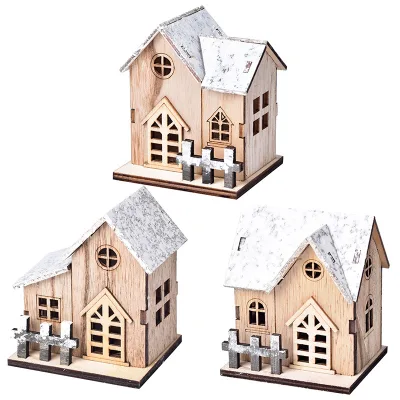


LED Christmas Lights String Battery Box LED Color String Christmas Tree Lamp
$0.89 - $0.98
MOQ: 1000 Pieces
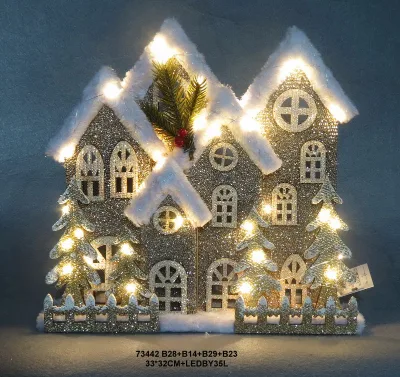
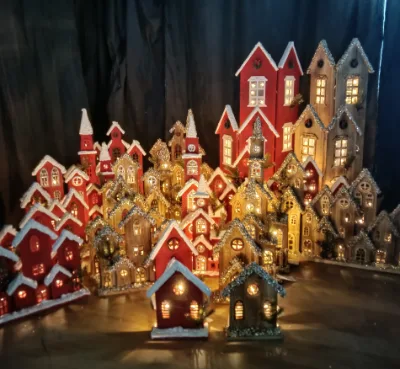
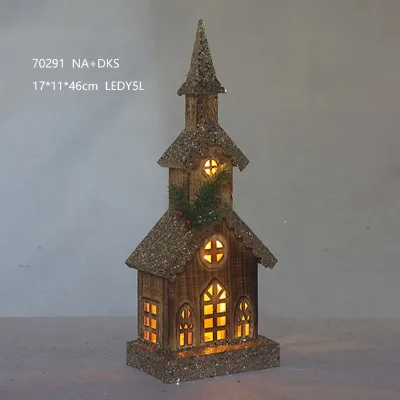
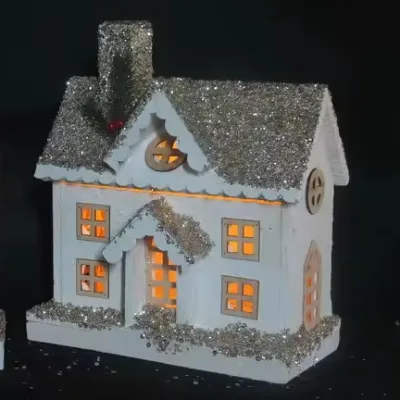
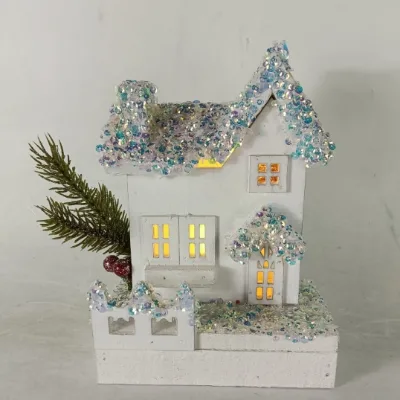


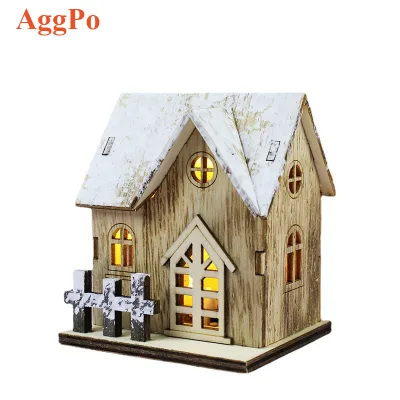
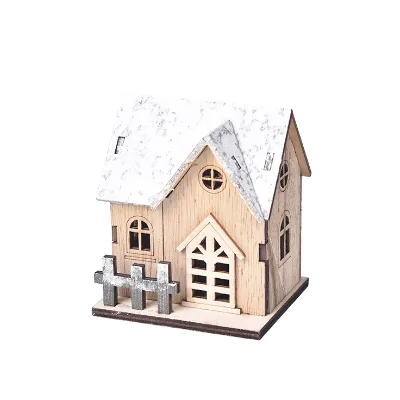
Christmas Wood Village LED Luminous House Xmas Mini House Christmas Crafts
$0.75 - $0.82
MOQ: 800 Pieces

Comprehensive Sourcing Guide
Strategic Sourcing Guide for Rechargeable LED Christmas Wooden Houses
Understanding Product Variants and Core Specifications
When sourcing rechargeable LED Christmas wooden houses, buyers must first navigate the diverse landscape of product configurations available in the global market. The core keyword implies a specific aesthetic and functional combination, yet the actual supply chain offers a wide array of variations in material composition, power systems, and physical dimensions. Based on current market observations, the term "wooden" in product listings often correlates with resin or composite materials that mimic wood grain, rather than solid timber, which is a critical distinction for durability and weight considerations. The observed product data indicates that materials frequently cited include resin, while some listings explicitly mention LED as a primary component, suggesting a hybrid construction where the housing is resin and the illumination is provided by integrated light sources.
The power architecture is a primary differentiator in this category. Buyers should expect to encounter units powered by batteries, with voltage specifications ranging from low-voltage DC systems (3V-6V) to higher input voltages (12V) or even standard mains voltage (220V) for specific models. The rechargeable nature of the product is a key feature for indoor and outdoor applications, allowing for deployment without immediate access to power outlets. However, the specific battery capacity and recharge cycle are not universally standardized in the provided data, requiring buyers to verify the actual ampere-hour rating and charging time for each specific model. The presence of an LED light source, specifically SMD (Surface Mount Device) types, is a consistent feature, ensuring energy efficiency and a long operational lifespan. The color output varies significantly, with options ranging from multicolour displays to single-tone white illumination, catering to different festive themes.
Physical dimensions are equally critical for logistics and display planning. The market data reveals a wide spectrum of product models, each with distinct standard sizes. For instance, specific models are listed with dimensions such as 241537CM, 3026.545 cm, and smaller variants like 15.2x10.9x13.4 cm. Other models range from 19.51522 CM to 232338.5cm. These variations directly impact packaging efficiency and shipping costs. Buyers must align their procurement strategy with the specific model numbers (e.g., RO-074, RO-055, IL0007) that match their intended application scale, whether for small tabletop displays or large outdoor installations. The shape of these units is generally described as various, allowing for creative architectural designs that mimic traditional cottages or modern festive structures.
Compliance, Certification, and Safety Standards
In the realm of electrical holiday decorations, compliance with international safety standards is non-negotiable. The supply chain for rechargeable LED houses often includes products that claim adherence to a robust set of certifications. Observed data lists a comprehensive array of certifications including GS, CE, UL, CCC, RoHS, FCC, and ISO. These certifications serve as indicators of the manufacturer's commitment to safety, electromagnetic compatibility, and environmental regulations. The GS mark, for instance, suggests compliance with German safety standards, while CE indicates conformity with health, safety, and environmental protection standards for products sold within the European Economic Area. UL certification is particularly vital for the North American market, ensuring that the electrical components meet rigorous fire and shock hazard requirements.
However, buyers must exercise caution when interpreting these claims. The presence of a certification label on a product listing does not automatically guarantee that every unit in a specific batch has been tested and verified by the issuing body. It is essential to request valid test reports and certificates of conformity directly from the supplier before finalizing a purchase order. The data also mentions standards such as BS (British Standards) and PS, which may apply to specific regional markets. For the rechargeable aspect, the battery safety is paramount; products must comply with regulations regarding lithium-ion or other battery chemistries to prevent overheating or leakage, especially when used in outdoor environments where temperature fluctuations are common.
The environmental impact of the product is another compliance dimension. The RoHS (Restriction of Hazardous Substances) directive is frequently cited, ensuring that the product does not contain lead, mercury, cadmium, or other hazardous materials. This is crucial for both regulatory compliance and brand reputation. Additionally, the FCC certification indicates that the electronic devices do not emit excessive electromagnetic interference, which is important for the reliability of the LED drivers and any wireless control systems that might be integrated. Buyers should verify that the specific model they are sourcing carries the relevant certifications for their target market, as a product certified for one region may not be legally compliant in another.
Cost Drivers and Pricing Dynamics
The pricing of rechargeable LED Christmas wooden houses is influenced by a complex interplay of factors, including material costs, complexity of the LED circuitry, packaging requirements, and the degree of customization. The observed price range in the market is extensive, spanning from $0.75 to $494.65 USD. This vast disparity highlights the difference between basic, mass-produced units and high-end, custom-designed pieces. The lower end of the spectrum likely corresponds to smaller, simpler models with basic resin construction and standard LED configurations, while the higher end may involve larger structures, intricate designs, premium materials, or advanced features like remote control and dynamic lighting patterns.
Material selection is a primary cost driver. While resin is a common material cited in the data, the quality of the resin, the molding precision, and the finishing process (such as wood-grain texturing) can significantly affect the unit cost. The inclusion of high-quality SMD LEDs and efficient drivers also adds to the manufacturing expense. Furthermore, the power system, including the battery type and capacity, plays a crucial role in pricing. A unit with a high-capacity rechargeable battery that offers extended runtime will naturally command a higher price than one with a smaller, less durable battery.
Customization is another significant factor. The data indicates that customization is available for many products, with OEM and ODM services welcomed. Customization can involve changes to the shape, color, size, lighting patterns, and branding. The cost of tooling for custom molds and the setup for unique production runs will be reflected in the final price. Buyers should also consider the Minimum Order Quantity (MOQ) requirements, which range from 1 to 1000 units. Higher MOQs often result in lower per-unit costs due to economies of scale, but they also require a larger upfront capital investment. The packaging method, whether standard cartons or specialized white boxes with color labels, also impacts the overall cost, especially for premium products that require enhanced protection during transit.
Typical Applications and Usage Scenarios
Rechargeable LED Christmas wooden houses are versatile products designed for a variety of applications, primarily centered around festive decoration. The observed data specifies applications for both indoor and outdoor use, making them suitable for a wide range of environments. Indoors, these units are commonly used as centerpiece decorations in living rooms, dining areas, or entryways. Their compact sizes, such as the 8cm7cm9.5cm model, make them ideal for tabletop displays, while larger models can serve as floor-standing features. The "House Decoration" and "Festival" usage tags confirm their primary role in enhancing the holiday atmosphere.
Outdoors, the durability of the product becomes a critical consideration. While the data suggests these units are suitable for outdoor use, buyers must verify the IP (Ingress Protection) rating to ensure resistance to rain, snow, and dust. The rechargeable feature is particularly advantageous for outdoor applications where access to power outlets may be limited, such as in gardens, patios, or along walkways. The ability to operate on battery power allows for flexible placement and easy installation without the need for extensive wiring.
The "Christmas" and "Holiday Decoration" tags indicate that these products are seasonal, with peak demand occurring during the winter holiday season. However, the "Multicolour" and "White" color options allow for year-round use in some contexts, such as general home decor or event lighting. The specific model numbers and dimensions suggest that buyers can select products tailored to specific spaces, from small residential gardens to large commercial plazas. The "Varous" shape attribute implies that the designs can range from traditional cottage styles to modern architectural forms, catering to diverse aesthetic preferences.
Supplier Evaluation and Verification Protocols
Selecting the right supplier is a critical step in the procurement process. The data indicates that suppliers are located in regions such as Zhejiang and China, which are known manufacturing hubs for holiday decorations. Buyers should prioritize suppliers who demonstrate transparency in their manufacturing capabilities and quality control processes. The availability of OEM and ODM services suggests that suppliers are capable of customizing products to meet specific buyer requirements, but this also requires a higher level of communication and oversight.
When evaluating suppliers, buyers should verify their production capacity and lead times. The observed sample times range from 3-7 days to 7-15 days, indicating variability in the speed of sample production. This difference can impact the overall timeline for large orders, especially if multiple iterations of samples are required. Buyers should also check the supplier's track record in handling orders of varying sizes, given the wide MOQ range from 1 to 1000 units. A supplier that can accommodate small trial orders as well as large bulk shipments offers greater flexibility.
Quality assurance is another key criterion. Buyers should request detailed information about the manufacturing process, including the quality of raw materials, the assembly line standards, and the testing procedures for the final products. The presence of certifications like CE, RoHS, and UL should be verified with valid documentation. Additionally, buyers should inquire about the supplier's after-sales support, including warranty policies and procedures for handling defective units. The ability to provide samples for evaluation is a strong indicator of a supplier's confidence in their product quality.
Quality Control and Long-Term Procurement Considerations
Ensuring consistent quality in rechargeable LED Christmas wooden houses requires a robust quality control (QC) strategy. Given the electrical nature of the products, testing for electrical safety, battery performance, and LED functionality is essential. Buyers should establish clear acceptance criteria for the products, including checks for physical defects, lighting uniformity, and battery charging efficiency. The use of standard packaging, such as cartons or white boxes with color labels, should be verified to ensure that the products are protected during transit and arrive in perfect condition.
Long-term procurement considerations involve building a sustainable relationship with suppliers. This includes negotiating favorable terms for repeat orders, establishing clear communication channels, and maintaining a buffer stock to manage seasonal demand fluctuations. The variability in product models and specifications means that buyers should maintain a flexible sourcing strategy that allows for adjustments based on market trends and customer preferences. Regular audits of the supplier's production facilities and quality control processes can help maintain high standards over time.
Furthermore, buyers should consider the environmental impact of their procurement decisions. Choosing suppliers who adhere to strict environmental standards, such as RoHS compliance, and who use sustainable packaging materials can enhance the brand's reputation. The rechargeable nature of the products aligns with sustainability goals by reducing energy consumption and waste compared to disposable battery-operated alternatives. By focusing on quality, compliance, and sustainability, buyers can ensure a successful and responsible procurement strategy for rechargeable LED Christmas wooden houses.
Comparison of Key Product Attributes
To facilitate informed decision-making, the following table summarizes key attributes observed in the market data for rechargeable LED Christmas wooden houses. This comparison highlights the variability in specifications that buyers must navigate.
| Attribute | Observed Range / Options | Key Considerations for Buyers |
|---|---|---|
| Material | Resin, LED | Verify if "wooden" is a finish or actual material; check resin quality. |
| Power Source | Battery (Rechargeable) | Confirm battery capacity and recharge cycle; check for safety certifications. |
| Voltage | 3V-6V, 12V, 220V, 4.5V | Match voltage to local power standards; ensure compatibility with rechargeable systems. |
| Dimensions | 15.2x10.9x13.4 cm to 3026.545 cm | Select size based on display space; consider packaging dimensions for shipping. |
| Certifications | CE, RoHS, GS, UL, CCC, FCC, ISO | Verify validity of certificates for target market; prioritize safety compliance. |
| MOQ | 1 to 1000 units | Balance inventory risk with cost efficiency; negotiate MOQ for trial orders. |
| Sample Time | 3-7 Days, 7-15 Days | Plan lead times accordingly; factor in potential iteration rounds. |
| Customization | Available (OEM/ODM) | Define customization requirements early; assess tooling costs and timelines. |
| Application | Indoor, Outdoor, Festival | Verify weather resistance for outdoor use; check IP ratings if applicable. |
| Light Source | SMD LED | Check for brightness, color temperature, and energy efficiency. |
This table serves as a reference for buyers to systematically evaluate potential products against their specific procurement needs. By focusing on these critical attributes, buyers can mitigate risks and ensure the successful acquisition of high-quality rechargeable LED Christmas wooden houses that meet their operational and aesthetic requirements.
FAQs
Can I get customized rechargeable led christmas wooden houses?
Yes, customization is available for these products with OEM and ODM services welcomed. Buyers can request changes to shape, color, and lighting patterns, though specific tooling costs may apply depending on the complexity of the custom design requested.
What certifications do these products typically hold?
Products often carry certifications such as GS, CE, UL, CCC, RoHS, FCC, and ISO to ensure safety and compliance. Buyers must verify valid test reports for each specific model, as certification labels on listings do not guarantee every unit in a batch has been individually tested.
Which power sources are used for these LED houses?
These units primarily use battery power with voltage specifications ranging from 3V to 6V or 12V input. Some models may also support 220V mains voltage, but the rechargeable battery feature allows for flexible indoor and outdoor deployment without immediate access to power outlets.
How long does it take to receive a sample?
Sample times typically range from 3 to 7 days or 7 to 15 days depending on the supplier and product complexity. This variability impacts the overall procurement timeline, so buyers should confirm the specific lead time before placing a large order to ensure timely delivery.
What are the standard dimensions for these models?
Dimensions vary significantly by model, with sizes like 24x15x37CM, 30x26.5x45cm, and compact 15.2x10.9x13.4cm options available. Buyers should select specific model numbers like RO-074 or IL0007 that match their intended display scale and packaging efficiency requirements.
Can these houses be used for outdoor decoration?
Yes, the products are designed for both indoor and outdoor applications including holiday and festival decorations. However, buyers must verify the IP rating for water resistance before using them outdoors, as standard listings may not guarantee protection against rain or snow without specific confirmation.
What is the minimum order quantity for these items?
The minimum order quantity ranges from 1 to 1000 units depending on the supplier and product customization level. Specific listings often cite an MOQ of 10 or 100 pieces, allowing buyers to start with small trial orders before committing to larger bulk shipments.