Source Rechargeable LCD Penis Pump for enlargement, training, and therapy
Find 30 options for the Rechargeable LCD Penis Pump designed for enlargement, training, and therapy. Buyers can compare specifications, materials, and pricing from verified suppliers to select the right device for their needs.
Key considerations
Products List
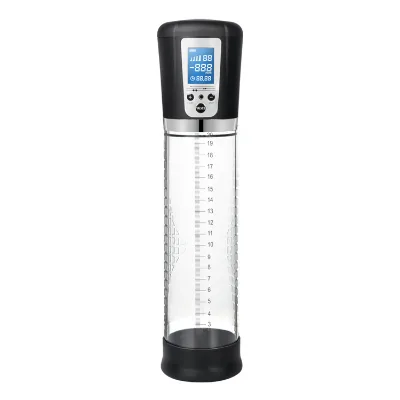
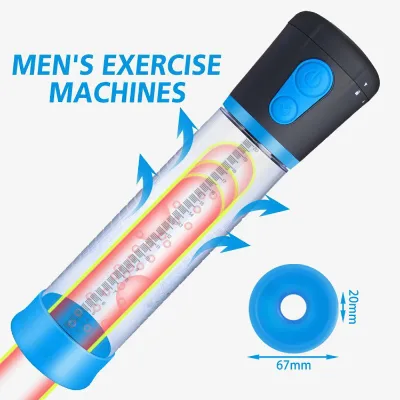
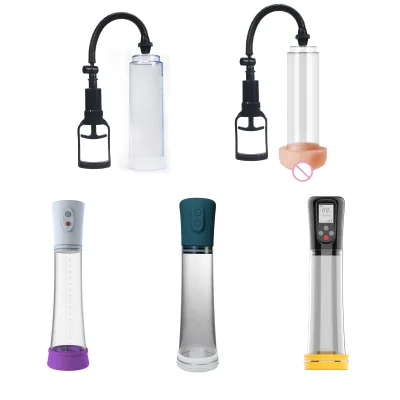
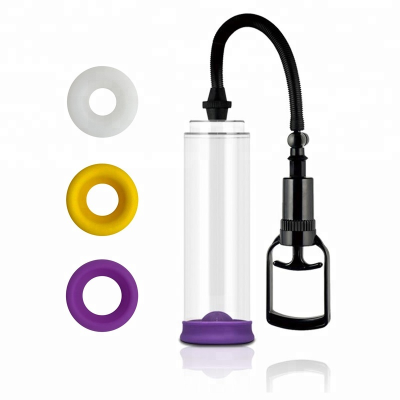
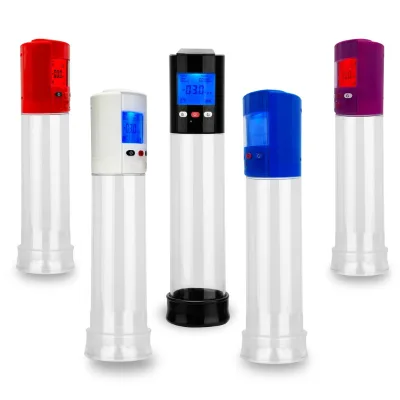


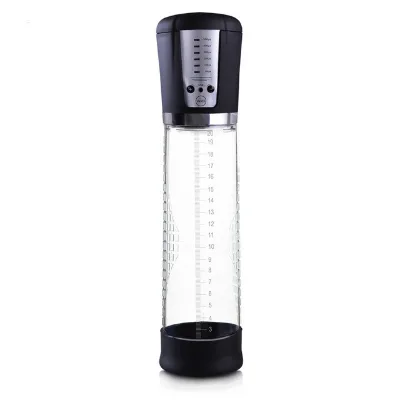
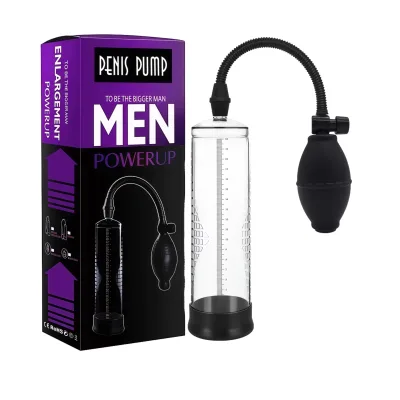
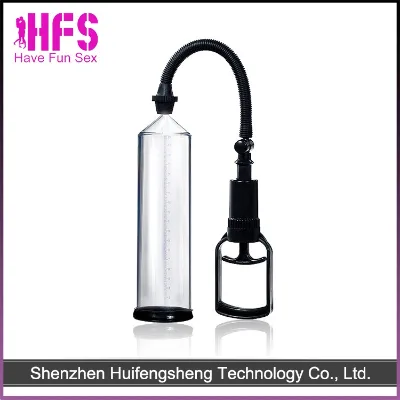
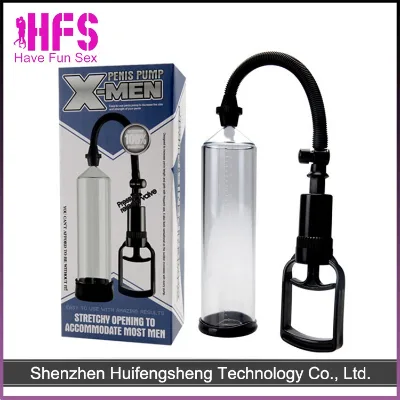
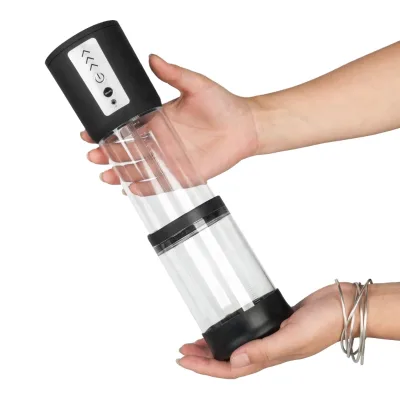
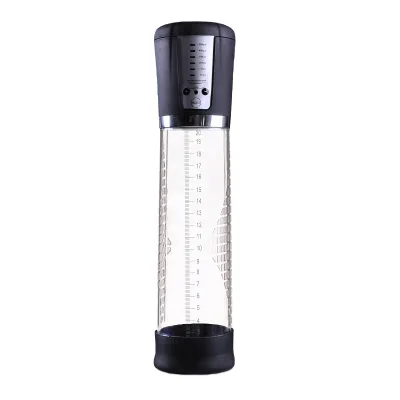
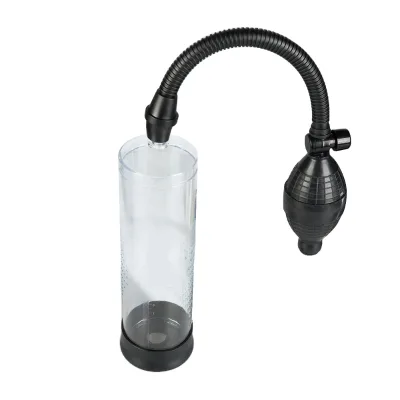


Comprehensive Sourcing Guide
Rechargeable LCD Penis Pump Sourcing Guide
Sourcing rechargeable LCD penis pumps requires a disciplined approach to distinguishing between manual mechanical devices and automated electric systems. The market offers a spectrum of products ranging from basic battery-operated units to advanced models featuring digital displays, automatic hydraulic systems, and waterproof capabilities. Buyers must first clarify whether the procurement goal is for personal use, retail distribution, or private labeling, as this decision dictates the necessary technical specifications and compliance requirements. The presence of an LCD screen typically indicates a higher-tier product that provides real-time feedback on pressure or operation status, which is a key differentiator in the premium segment of this category.
This guide focuses on the specific attributes observed in current listings, such as the integration of LED lighting, rechargeable lithium batteries, and varying degrees of waterproofing. It is critical to understand that "waterproof" claims can range from basic splash resistance to full submersion capability, and these distinctions directly impact both the product’s utility and its manufacturing complexity. By aligning procurement strategies with verified product features like ABS+silicone construction or specific model numbers, buyers can mitigate the risk of receiving products that do not meet their functional or regulatory expectations.
Product Scope and Observed Listing Signals
The observed product landscape includes distinct variations in power sources and interface technologies. Listings indicate the availability of USB-rechargeable lithium battery models, such as the HY3520, which features LED functionality and is marketed with claims of being bigger, longer, and thicker. In contrast, other models like the HY3521 rely on standard batteries and lack digital interfaces, focusing instead on mechanical durability with plastic construction. Additionally, a series of models identified by codes such as E09E, E88, E09L, and E09S demonstrate a split between electric LCD pumps, electric water pumps, and manual variants. This diversity means that a single search term may yield results that are functionally incompatible with each other, necessitating careful filtering based on power and display requirements.
Physical attributes and packaging also vary significantly across the observed inventory. The HY3520 model, for instance, is packaged in a gift box with a single gross weight of 0.460 kg and dimensions of 31x9x9 cm, suggesting a consumer-ready retail presentation. Conversely, bulkier items like the HY3521 have a package size of 52x42x39 cm and a gross weight of 18.000 kg per batch, indicating a different logistical profile suitable for wholesale or industrial distribution. Materials range from body-safe silicone and ABS plastic to TPR sleeves, with some products offering multiple sleeve sizes (1.0", 1.25", 1.5") to accommodate different user needs. These physical differences directly influence shipping costs, storage requirements, and the perceived value proposition for end-users.
Technical Specifications to Verify
When evaluating electric and rechargeable models, the power supply mechanism is a primary technical consideration. Buyers should verify whether the device uses a USB-rechargeable lithium battery or standard disposable batteries, as this affects long-term usability and environmental impact. The presence of an LCD screen, as seen in the E09L model, suggests advanced functionality, but the specific metrics displayed (e.g., pressure levels, time elapsed) must be confirmed. Furthermore, the waterproof rating requires precise clarification; while some listings claim "100% waterproof" or "life waterproof," others specify "100% water-resistant." This distinction is crucial for products marketed for use in bath or shower environments, as true waterproofing prevents internal damage and ensures user safety during wet applications.
Material composition and structural integrity are equally important verification points. The HY3520 utilizes ABS and silicone, combining durability with skin-friendly contact surfaces, whereas the HY3521 is constructed primarily from plastic. For models offering multiple sleeves, such as the E09S, buyers must confirm the material of the sleeves (e.g., TPR vs. silicone) and the inner diameter specifications to ensure compatibility and comfort. The automatic hydraulic system mentioned in certain listings implies a motorized vacuum generation mechanism, which requires rigorous testing for consistency and safety. Buyers should request detailed schematics or operational manuals to understand the pressure limits and automatic shut-off features, ensuring the device operates within safe physiological parameters.
Compliance and Safety Documentation
Regulatory compliance is non-negotiable for health-related personal care devices, particularly those involving electrical components and skin contact. Suppliers may provide certifications such as CE, ROHS, REACH, WEEE, and CA65, which indicate adherence to European and international safety and environmental standards. However, the presence of these certificates must be validated through official databases or third-party audit reports to ensure they are current and applicable to the specific model being sourced. For products marketed in North America, buyers should also inquire about FDA registration status or compliance with relevant consumer product safety regulations, as these are often required for legal importation and sale.
Safety documentation should also include detailed user manuals and warning labels that clearly outline proper usage, contraindications, and maintenance instructions. Given the nature of the product, it is essential to verify that the device includes fail-safes, such as pressure relief valves or automatic power-off features, to prevent injury. Buyers should request test reports for electrical safety, including insulation resistance and leakage current tests, especially for rechargeable models. Additionally, material safety data sheets (MSDS) should be obtained to confirm that all components, particularly those in direct contact with the skin, are free from harmful substances like phthalates or heavy metals, aligning with the "body-safe" claims often made in this category.
Cost Drivers and Commercial Terms
The cost structure of rechargeable LCD penis pumps is influenced by several factors, including the complexity of the electronic components, the quality of materials, and the packaging design. Models with LCD displays and automatic hydraulic systems typically command higher prices due to the additional engineering and manufacturing costs involved. The inclusion of multiple accessories, such as various sleeve sizes or charging cables, also adds to the unit cost. Buyers should analyze the price range in relation to these features, noting that observed listings span from basic battery-operated units to premium rechargeable models, with prices varying accordingly. Understanding these cost drivers helps in negotiating better terms and selecting products that offer the best value for the target market.
Commercial terms, including minimum order quantities (MOQ) and payment conditions, vary widely among suppliers. Some listings indicate an MOQ of just one piece, catering to small-scale buyers or samples, while others may require larger batch orders, such as multiples of 30. Lead times and shipping methods should be clearly defined in the contract, as they impact inventory management and cash flow. Buyers should also consider the total landed cost, including duties, taxes, and freight, which can significantly affect the final profitability. Negotiating flexible MOQs for initial orders and establishing clear return policies for defective units are prudent strategies to mitigate financial risk.
Supplier Qualification and Quality Control
Selecting a reliable supplier is critical to ensuring product consistency and regulatory compliance. Buyers should conduct thorough due diligence, including verifying the supplier’s business license, manufacturing capabilities, and quality management systems. Suppliers with OEM/ODM capabilities, as indicated in some listings, may offer greater flexibility for private labeling and customization, but this requires careful oversight to maintain brand integrity. It is advisable to request samples from multiple suppliers to evaluate product quality, functionality, and packaging before committing to a larger order. This hands-on assessment allows buyers to identify potential issues, such as poor battery life or inaccurate pressure readings, early in the sourcing process.
Quality control measures should be established to monitor production consistency and product safety. Buyers should implement incoming quality control (IQC) checks to verify that received goods match the approved samples in terms of materials, dimensions, and functionality. For electronic components, random sampling for electrical safety tests is recommended to ensure compliance with stated certifications. Additionally, establishing a clear communication channel with the supplier for addressing defects or customer complaints is essential for maintaining product reputation. Regular audits or third-party inspections can provide an additional layer of assurance, particularly for high-volume orders or when sourcing from new suppliers.
Long-Term Procurement Checks
Sourcing in this category requires ongoing monitoring of market trends, regulatory changes, and customer feedback. As technology evolves, new features such as improved battery efficiency, enhanced waterproofing, or smart connectivity may become standard, necessitating periodic reviews of product specifications. Buyers should stay informed about updates to safety standards and certification requirements in their target markets to ensure continued compliance. Engaging with end-users through reviews and feedback channels can provide valuable insights into product performance and areas for improvement, guiding future procurement decisions.
Building a resilient supply chain involves diversifying suppliers and maintaining strong relationships with key partners. This strategy helps mitigate risks associated with supply disruptions, price fluctuations, or quality issues. Regularly reviewing supplier performance metrics, such as on-time delivery rates and defect percentages, can help identify potential problems before they escalate. Additionally, exploring opportunities for product innovation, such as developing custom designs or bundling accessories, can enhance competitiveness in the market. By maintaining a proactive approach to procurement, buyers can ensure a steady supply of high-quality, compliant products that meet the evolving needs of their customers.
FAQs
What is the waterproof rating of the Rechargeable LCD Penis Pump?
The product features 100% waterproof construction suitable for water bath exercises. This allows safe use in wet environments while maintaining the integrity of the electric components and silicone materials.
Which certifications does the Rechargeable LCD Penis Pump hold?
The device carries CE, ROHS, REACH, WEEE, and CA65 certifications. These standards ensure the product meets international safety and environmental requirements for materials and electrical components used in the pump.
How is the Rechargeable LCD Penis Pump powered?
It operates via a USB rechargeable lithium battery for convenient power supply. This battery style eliminates the need for constant cable connections during use and supports the electric enlargement functions.
What is the minimum order quantity for the Rechargeable LCD Penis Pump?
The minimum order quantity is 1 piece for some models and 5 pieces for others. Buyers can select from single items or bulk orders depending on the specific model number and supplier terms.
Where are the rechargeable LCD penis pumps manufactured?
These products originate from Guangdong, China, where specialized factories produce them. The location ensures access to established supply chains for ABS, silicone, and plastic materials used in the construction.
What materials are used to make the Rechargeable LCD Penis Pump?
The device is constructed from body-safe silicone and ABS plastic materials. These durable components ensure comfort during use while providing the necessary structural integrity for the electric pump mechanism.