Source Rechargeable Soft Bristle Electric Toothbrush for Home, Hotel, Travel
Compare 30 listings of Rechargeable Soft Bristle Electric Toothbrush options from China suppliers. Find models with ISO, BSCI, and FDA certifications for home, hotel, and travel use.
Key considerations
Products List


Wholesale 6 Mode Head Soft Bristle Electric Tooth Brush Rechargeable Adult Toothbrush
$2.43 - $2.71
MOQ: 400 Pieces

ATO Charging Soft Bristle Children Tooth Brush Waterproof Tooth Caring Electric Toothbrush
$2.19 - $2.44
MOQ: 500 Pieces

360 Degree Rotating Head Fully Automatic USB Charging Soft Bristles Electric Toothbrush
$5.46 - $6.11
MOQ: 160 Pieces

Orthodontic-Friendly Smart USB Electric Toothbrush - Adult Rechargeable Electric Toothbrush
$1.34 - $1.49
MOQ: 680 Pieces

Black Adults - Ultrasonic Brush Heads Smart Timer Rechargeable Electric Toothbrush
$2.25 - $2.62
MOQ: 1000 Pieces

USB Charging Frequency Sonic Electric Waterproof Multi-Function Toothbrush
$1.22 - $1.26
MOQ: 150 Pieces


OEM Rechargeable Oral Automatic Rechargeable Travel Sonic Electric Toothbrush
$4.00 - $8.00
MOQ: 1000 Pieces


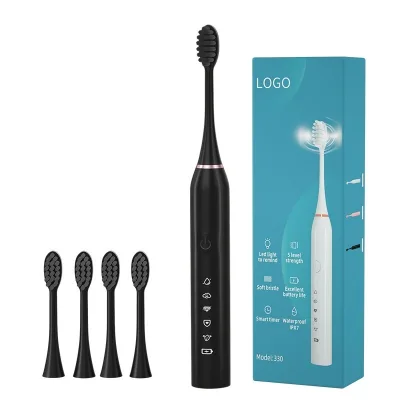


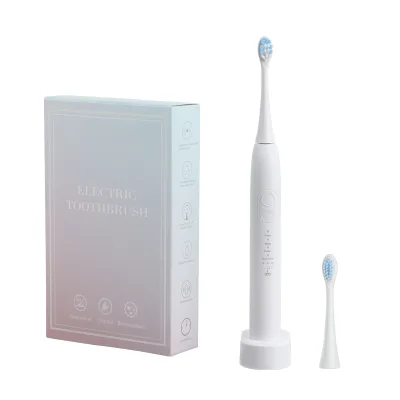


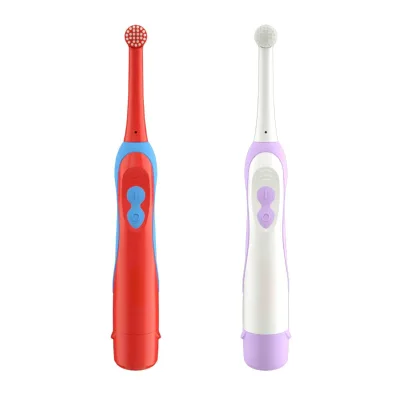

Replaced Head Sonic Custom Rechargeable Travel Oscillating Electric Toothbrush
$31.50 - $41.50
MOQ: 200 Pieces

Comprehensive Sourcing Guide
Strategic Sourcing Guide for Rechargeable Soft Bristle Electric Toothbrushes
The global demand for oral care devices has shifted significantly toward rechargeable models that prioritize user comfort and environmental sustainability. For procurement professionals, the core keyword "Rechargeable Soft Bristle Electric Toothbrush" represents a complex category where technical performance, regulatory compliance, and supply chain reliability must be balanced. Unlike disposable alternatives, these devices require a deeper understanding of battery integration, bristle composition, and waterproofing standards. This guide synthesizes observed market data and verified product attributes to provide a disciplined framework for sourcing these specific units. Buyers must navigate a landscape where product models vary widely in specifications, from battery capacity to charging mechanisms, requiring a rigorous verification process before committing to volume orders.
Technical Specifications and Component Analysis
When evaluating a Rechargeable Soft Bristle Electric Toothbrush, the primary technical differentiators lie in the motor technology, battery architecture, and bristle material composition. The supplied data indicates that "Acoustic Wave" style is a prevalent feature in this segment, suggesting a specific vibration or sonic mechanism that differs from traditional rotary motions. This technology is often paired with "Soft Bristles" or "Nylon" bristles to ensure patient comfort, particularly for users with sensitive gums. The "Brush Hardness" is explicitly categorized as "Soft" in the observed inventory, a critical specification for adult and pediatric oral care.
Battery performance is another pivotal technical parameter. The observed product range includes units with battery capacities under 500mAh, while other models in the same category may feature higher capacities, such as 800mAh. Buyers must verify the specific "Charging Type" for each model, as the data notes "Battery Drived" options, which implies a specific power delivery system that may differ from standard USB-C or magnetic induction charging. The "Foldable" attribute is observed as "Non-Foldable" or "Unfolded" in the current listings, indicating that portability in these specific models relies on compact design rather than mechanical folding. Furthermore, the "Product Name" variations, such as "Adult Electric Toothbrush" and "Kids Electric Toothbrush," necessitate a careful review of the "Age Group" attribute to ensure the selected model matches the intended demographic, as the same technical platform may be adapted for different user needs.
Compliance, Certification, and Safety Standards
Regulatory compliance is non-negotiable in the medical and personal care device sector. The observed product listings explicitly mention a suite of certifications including ISO, BSCI, FDA, and MSDS. These documents serve as evidence of adherence to international quality management systems, social compliance, and safety data standards. However, buyers must treat these as observations of specific supplier capabilities rather than universal guarantees for every SKU. The "Safety" attribute frequently cites "IPX6 Waterproof" or "IPX7 Waterproof" ratings. These numerical values indicate the degree of protection against water ingress, with IPX7 offering higher resistance than IPX6. Procurement teams must verify that the specific model ordered matches the required IP rating for its intended application, whether for home use or travel in humid environments.
In addition to product safety, social and environmental certifications are increasingly relevant. The "Feature" attribute lists "Eco-friendly" as a common characteristic, which often correlates with the use of "Bamboo Charcoal" bristles or sustainable packaging. While the data mentions "ISO 13485" in background contexts, this standard for medical device quality management should be explicitly confirmed with the supplier rather than assumed. Similarly, "CE" certification is noted in background data but requires direct verification. Buyers should request current, valid certificates for each model to ensure that the "OEM Service" and "Customization" options do not compromise the original certification status of the device.
Cost Drivers and Pricing Dynamics
The pricing structure for rechargeable electric toothbrushes is influenced by a combination of material costs, battery specifications, and customization levels. The observed price range in the market spans from $0.50 to $41.50 USD. This wide variance suggests that the base unit cost is heavily dependent on the "Materials of Bristle," the "Handle Material" (such as "Inlay Soft Rubber"), and the complexity of the "Function" features, such as "Brush-Rinse Integration." Higher-priced units likely incorporate more advanced acoustic wave technology, larger battery capacities, or premium packaging.
Minimum Order Quantity (MOQ) is another significant cost driver. The observed MOQ range extends from 1 to 8,000 units. Low MOQs, such as 1 or small batches, are typically associated with custom orders or sample procurement, which often carry a higher per-unit cost. Conversely, bulk orders approaching the 8,000-unit threshold may benefit from economies of scale but require a larger upfront capital commitment. The "prod_packing" specification, ranging from "Carton" to "Corrugated Box," also impacts logistics costs. Buyers should calculate the total landed cost, including packaging dimensions like "1003030mm" or "18810133mm," as these affect shipping volume and freight expenses. The "Standard" packaging configurations, such as "1pk, 2pk, 4pk," further influence the unit economics and should be aligned with the target market's retail preferences.
Typical Applications and Usage Scenarios
Understanding the intended application is essential for selecting the correct product model. The data identifies "Home," "Hotel," and "Travel" as the primary usage scenarios. For home use, durability and battery life are paramount, making models with "800mAh" batteries and "Soft Bristles" ideal for daily long-term use. In the hospitality sector, specifically "Hotel" applications, the focus shifts to hygiene and convenience. The "Disposable" attribute is listed as "Non-Disposable," indicating that these are reusable devices provided to guests, which requires robust construction and easy cleaning.
The "Applications" attribute also highlights "Family" usage, suggesting that a single brand may offer a range of models to suit different age groups. The distinction between "Adult Electric Toothbrush" and "Kids Electric Toothbrush" is critical here. While the core technology may be similar, the "Age Group" specification ensures that the device size, power output, and bristle softness are appropriate for the user. Additionally, the "Style" of the toothbrush, such as the "House-Shaped" design observed in some listings, may be tailored for children to make oral hygiene more engaging. Buyers must ensure that the "Function" of the device, such as "Oral Care" and "Teeth Clean," aligns with the specific needs of the target demographic, whether it is a family household or a travel-oriented business.
Supplier Evaluation and Customization Capabilities
Selecting a reliable supplier involves more than just verifying product specifications; it requires assessing the supplier's ability to customize and scale. The data confirms that "Customization" and "OEM Service" are "Acceptable" features in this market. This means buyers can request modifications to the "Handle Material," "Brush Material," or "Product Name" branding. However, customization often impacts the "Lead Time" and "MOQ." Suppliers with flexible OEM services may require higher minimum orders to justify the setup costs for custom molds or branding.
The "prod_origin" is listed as "China," which is a common hub for electric toothbrush manufacturing. Buyers should verify the supplier's production capacity and quality control processes to ensure consistency. The "Item Weight" of 200g for certain models provides a baseline for shipping calculations, but variations in "Handle Material" and "Battery Capacity" will affect the final weight. When evaluating suppliers, procurement teams should request samples that match the specific "prod_model" numbers, such as "6341," "6403," or "WSJ-0057," to verify that the physical attributes match the digital descriptions. The ability to provide "Corrugated Box" or "Carton" packaging that meets specific size standards is also a key indicator of a supplier's logistical competence.
Quality Control and Long-Term Procurement Considerations
Quality control for rechargeable electric toothbrushes must address both functional performance and long-term reliability. The "Safety" features, such as "IPX6" or "IPX7" waterproofing, must be tested to ensure they hold up over time, especially given the "Usage" in wet environments like bathrooms. The "Brush Head" material, specifically "Soft Bristles" made of "Nylon," should be inspected for durability and resistance to wear. The "Feature" of being "Anti-Static" is another quality marker that should be verified, as static electricity can affect the user experience and the device's electronic components.
For long-term procurement, buyers should consider the "Standard" packaging configurations and the "prod_packing" type. A consistent packaging standard, such as "1pk, 2pk, 4pk," ensures that the product is ready for retail distribution without additional handling. The "Product Name" and "Model" consistency are also vital for brand integrity. Buyers should establish a clear protocol for verifying the "Age Group" and "Function" of each batch to prevent mix-ups between adult and children's models. Finally, the "Eco-friendly" attribute should be validated through material certifications, ensuring that claims regarding "Bamboo Charcoal" or sustainable practices are substantiated. By maintaining a rigorous quality control process and focusing on long-term supplier relationships, buyers can secure a steady supply of high-quality rechargeable soft bristle electric toothbrushes that meet both regulatory standards and consumer expectations.
FAQs
What certifications do the electric toothbrushes hold?
The products hold ISO, BSCI, FDA, and MSDS certifications. These documents verify adherence to quality management and safety standards, though buyers must confirm specific certificates for each model before ordering.
Which waterproof rating is available for these units?
Available safety ratings include IPX6 and IPX7 waterproof protection. Buyers must verify the specific model number to ensure the device meets the required water ingress resistance for their intended usage environment.
Can I customize the packaging and branding for orders?
Customization and OEM services are acceptable for these electric toothbrushes. Buyers can request modifications to handle materials or branding, but this may affect the minimum order quantity and lead time requirements.
What battery capacity options exist for these devices?
Battery capacities range from under 500mAh to 800mAh depending on the model. Procurement teams should check the specific product model number to confirm the exact capacity and charging type before committing to bulk orders.
Which age groups are targeted by these toothbrush models?
The inventory includes models specifically designed for children and adults. Buyers must review the age group attribute for each model to ensure the device size and bristle hardness match the intended demographic needs.
What is the minimum order quantity for these products?
The minimum order quantity ranges from 1 to 8000 units per order. Lower quantities often apply to samples or custom requests, while higher volumes may benefit from economies of scale but require larger upfront capital.