Source Rechargeable Touch Control Wall Lamp for Hallways, Bedrooms, and Offices
Explore 30 listings for the Rechargeable Touch Control Wall Lamp, featuring LED and fluorescent options with rotary or touch switches. Compare specifications like battery life, dimming capabilities, and modern designs from suppliers in China.
Key considerations
Products List




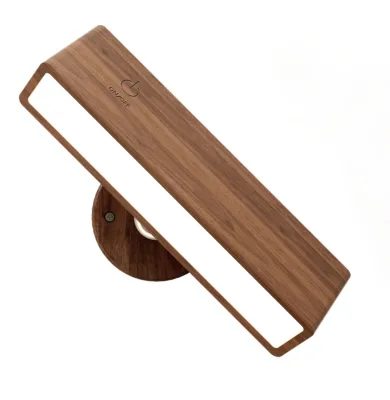
Portable Wireless Magnetic USB Rechargeable Smart Indoor Sensor Control Wall Lamps
$2.00 - $2.22
MOQ: 300 Pieces

New Modern Lithium Battery Smart Energy Outdoor Waterproof LED Solar Powered Wall Lamp
$6.86 - $7.89
MOQ: 200 Pieces



Comprehensive Sourcing Guide
Strategic Sourcing Guide for Rechargeable Touch Control Wall Lamps
The global demand for energy-efficient, wireless lighting solutions has accelerated the procurement of rechargeable touch control wall lamps. These fixtures represent a significant shift in interior lighting infrastructure, offering flexibility in installation and enhanced user interaction through intuitive touch interfaces. For B2B buyers, navigating this category requires a disciplined approach that balances technical specifications, regulatory compliance, and supply chain reliability. This guide synthesizes observed market data and product attributes to provide a framework for evaluating potential suppliers and products without relying on unverified claims or external assumptions.
Technical Architecture and Functional Specifications
Understanding the core technical architecture is the first step in defining procurement requirements. The Rechargeable Touch Control Wall Lamp category is characterized by specific power management and control mechanisms. Unlike hardwired fixtures, these units integrate internal battery systems, typically utilizing 3.7V 18650 cells with capacities such as 2000mAh, which dictate the operational autonomy of the device. In observed product data, charging times are noted in the range of 4-5 hours, while operational duration can extend up to 12 hours on a single charge, depending on the load and usage patterns.
The control interface is a critical differentiator. The "touch control" attribute implies a capacitive or resistive sensing mechanism that eliminates the need for physical switches. This feature is often paired with stepless dimming capabilities, allowing users to adjust light intensity smoothly rather than in discrete steps. Some models support multiple control modes, including both switch control and touch control, offering versatility in user interaction. The light source itself varies; while some units are designed without an integrated light source to accommodate external bulbs, others feature integrated LED sources. When integrated, the light source is typically LED, offering high efficiency and longevity.
Power source compatibility is another essential technical consideration. While the primary power source for these units is often AC for charging, the operational mode is battery-powered. Buyers must verify if the unit supports dimmers, as this affects compatibility with existing electrical infrastructure or smart home systems. The wattage of these fixtures is generally low, with observed values around 2W, which aligns with their role as accent or ambient lighting rather than primary illumination. The physical design often adheres to specific standards, such as a round shape with dimensions like Φ100*112.5mm, or square configurations, influencing the aesthetic integration into modern or industrial interior designs.
Regulatory Compliance and Certification Verification
In the B2B sector, regulatory compliance is non-negotiable. The market for lighting products is heavily regulated to ensure safety and environmental standards. When sourcing rechargeable touch control wall lamps, buyers must rigorously verify the certification status of potential suppliers. Observed product data indicates a wide range of certifications held by manufacturers, including VDE, GS, CE, RoHS, CCC, EMC, LVD, PSE, SAA, and SASO.
It is crucial to understand that certification is not a universal attribute of every listed product. A supplier may hold CE and RoHS certifications for one model but lack specific regional approvals like PSE (Japan) or SAA (Australia) for another. Therefore, procurement teams must request specific certification documents for the exact model number being considered, such as the JLW-708, JLT-LD01, or KA-WS91B. The presence of CE, EMC, and LVD suggests compliance with European safety and electromagnetic compatibility directives, while RoHS indicates adherence to restrictions on hazardous substances.
Buyers should not assume that a supplier's general certification portfolio applies to all SKUs. The verification process must include checking the validity of the certificates against the specific product model and batch. Additionally, the origin of the product, often listed as Mainland China or specific provinces like Zhejiang, influences the regulatory landscape. Products originating from these regions must meet the specific export standards of the destination market. For instance, if the target market is the United States, compliance with UL standards or FCC regulations might be necessary, even if the supplier lists CE and RoHS. The absence of specific certification data in a product listing should trigger a request for documentation rather than an assumption of compliance.
Cost Drivers and Pricing Dynamics
The pricing structure for rechargeable touch control wall lamps is influenced by a complex interplay of factors, including material costs, battery capacity, certification expenses, and order volume. The observed price range in the market spans from 1.46 USD to 35 USD, reflecting the diversity in product quality and feature sets. At the lower end of this spectrum, products may utilize basic plastic materials and standard battery capacities, while higher-priced units often feature premium materials like iron for the lamp body, advanced touch sensors, and comprehensive certification packages.
Material composition is a primary cost driver. Products with lamp bodies made of iron generally command a higher price point compared to those constructed from plastic, due to the durability and aesthetic finish of metal. Similarly, the battery type and capacity significantly impact the unit cost. A 3.7V 18650 battery with 2000mAh capacity adds to the manufacturing cost but provides superior performance compared to lower-capacity alternatives.
Minimum Order Quantity (MOQ) is another critical factor in cost management. The observed MOQ range varies from 1 to 3800 units. High-volume buyers can leverage economies of scale to reduce the per-unit cost, often negotiating prices closer to the lower end of the observed range. Conversely, smaller orders may incur higher per-unit costs but offer flexibility for testing new designs or entering niche markets. Customization services, such as color customization or OEM branding, also introduce additional costs. While customization is available, buyers should anticipate a price premium for tailored solutions compared to standard stock items.
Typical Applications and Design Integration
The versatility of rechargeable touch control wall lamps makes them suitable for a wide array of applications, from residential to commercial environments. The "Modern" and "Industrial" design styles observed in the product data suggest these fixtures are well-suited for contemporary interiors. The touch control feature is particularly valuable in spaces where traditional switch placement is impractical, such as behind furniture, in narrow corridors, or in areas where wiring is restricted.
In residential settings, these lamps are ideal for bedside lighting, reading nooks, or hallway accents. The rechargeable nature eliminates the need for nearby electrical outlets, allowing for flexible placement. The stepless dimming function allows users to create a relaxing atmosphere in bedrooms or a focused light for reading. In commercial applications, such as hotels, offices, or retail spaces, the touch control interface offers a sleek, modern aesthetic that aligns with current design trends. The ability to customize the color of the housing, with options like white or black, enables these fixtures to blend seamlessly with various interior color schemes.
The shape of the lamp, whether round or square, also dictates its application. Round fixtures with a shadeless design often provide a more diffuse, ambient light, suitable for general illumination or decorative purposes. Square fixtures may offer a more structured look, fitting well in modern or industrial settings. The lighting solutions service offered by some suppliers, including lighting and circuitry design, can further enhance the integration of these products into complex architectural projects.
Supplier Evaluation and Quality Assurance
Evaluating suppliers for rechargeable touch control wall lamps requires a multi-faceted approach that goes beyond price and lead time. The first step is to verify the supplier's production capabilities and quality control processes. Buyers should look for evidence of standardized production methods, such as the use of standard export packaging or specific packing configurations like "Mail Order Box" or "Color Box for Each Piece, Then Packed in One Carton." These packaging details indicate a level of professionalism and attention to detail in the logistics chain.
Quality assurance should be a central component of the supplier evaluation. Buyers must inquire about the testing protocols for the battery systems, touch sensors, and LED components. Given the safety risks associated with lithium-ion batteries, suppliers should demonstrate robust testing for overcharge, short circuit, and thermal runaway. The warranty period, such as the observed "Two Years" warranty, is a strong indicator of a supplier's confidence in their product quality. However, buyers should clarify the terms of the warranty, including coverage for battery degradation and sensor failure.
Lead time is another critical metric. The observed delivery time of "Within 20 Days" for standard orders and "Within 30 Days" for bulk orders provides a baseline for supply chain planning. However, buyers should confirm these timelines in writing, as they can vary based on order volume, customization requirements, and seasonal demand. The ability to provide a single package size, such as 13x13x10 cm, helps in calculating shipping costs and storage requirements.
Long-Term Procurement and Supply Chain Resilience
Long-term procurement of rechargeable touch control wall lamps requires a strategic focus on supply chain resilience and product lifecycle management. The rapid evolution of battery technology and touch control interfaces means that products may become obsolete quickly. Buyers should prioritize suppliers who offer ongoing support for firmware updates, battery replacements, and spare parts. The availability of OEM services allows buyers to maintain brand consistency and control over product specifications over time.
Sustainability is increasingly becoming a key consideration in B2B procurement. The use of RoHS-compliant materials and energy-efficient LED sources aligns with global sustainability goals. Buyers should evaluate the supplier's commitment to environmental standards and their ability to provide documentation for the end-of-life disposal of batteries and electronic components.
Finally, the relationship between the buyer and the supplier should be built on transparency and clear communication. Regular audits, quality inspections, and performance reviews are essential for maintaining high standards. By focusing on these long-term considerations, buyers can ensure a stable supply of high-quality rechargeable touch control wall lamps that meet their specific operational and aesthetic requirements.
Comparative Analysis of Product Attributes
To facilitate decision-making, the following table summarizes key attributes observed in the market for rechargeable touch control wall lamps. This comparison highlights the diversity in specifications and helps buyers identify products that align with their specific needs.
| Attribute Category | Observed Variations | Key Considerations for Buyers |
|---|---|---|
| Light Source | LED, Fluorescent, Without Light Source | Verify compatibility with intended bulb type or integrated LED efficiency. |
| Battery Specs | 3.7V 18650 2000mAh | Check charging time (4-5 hours) and operational duration (up to 12 hours). |
| Control Mode | Touch Control, Switch Control, Stepless Dimming | Ensure the interface matches user expectations and accessibility needs. |
| Material | Iron, Plastic | Iron offers durability; plastic offers cost savings and lighter weight. |
| Certifications | CE, RoHS, VDE, GS, CCC, PSE, SAA, SASO | Match certifications to target market regulations; do not assume universal coverage. |
| Design Style | Modern, Industrial, Round, Square | Align design with the intended interior aesthetic and application. |
| Packaging | Mail Order Box, Color Box, Standard Export | Consider packaging for shipping efficiency and retail presentation. |
| Warranty | Two Years (observed) | Clarify terms and coverage scope for long-term reliability. |
This table serves as a reference point for buyers to compare different product offerings. It underscores the importance of verifying specific attributes rather than relying on general category descriptions. By systematically evaluating these factors, buyers can make informed decisions that balance cost, quality, and compliance in the sourcing of rechargeable touch control wall lamps.
FAQs
What certifications are available for rechargeable touch control wall lamps?
Available certifications include VDE, GS, CE, RoHS, CCC, EMC, LVD, PSE, SAA, and SASO. Buyers must verify specific documents for the exact model number, as not every listed product satisfies all regional approvals.
Can I customize the color of the lamp housing?
Yes, customization is available for the color of the housing, with options like white or black. Buyers should anticipate a price premium for tailored solutions compared to standard stock items.
What is the battery capacity and charging time for these lamps?
The lamps typically use a 3.7V 18650 battery with 2000mAh capacity. Charging takes 4-5 hours, providing up to 12 hours of operation on a single charge depending on usage patterns.
Which lead times apply to standard and bulk orders?
Standard delivery occurs within 20 days, while bulk orders are completed within 30 days. These timelines serve as a baseline for supply chain planning but may vary based on volume and customization.
How does the MOQ range affect pricing for these fixtures?
The minimum order quantity ranges from 1 to 3800 units, influencing the per-unit cost. High-volume buyers can leverage economies of scale to reduce prices, while smaller orders may cost more.
What materials are used for the lamp body construction?
Lamp bodies are constructed from materials such as iron or plastic. Products with iron bodies generally command a higher price point due to durability and aesthetic finish compared to plastic alternatives.