Source Recoil Start Agricultural Gasoline Engine for Generators, Pumps, Welders
Find 30 Recoil Start Agricultural Gasoline Engine options from verified Chinese manufacturers. Compare specifications like 106cc displacement, hand-pull recoil start, and single-cylinder designs for generators, water pumps, and welding machines.
Key considerations
Products List


Air Cooled Petrol Small 4-Stroke Gasoline Engine for Agricultural Machinery
$37.00 - $40.00
MOQ: 10 Pieces


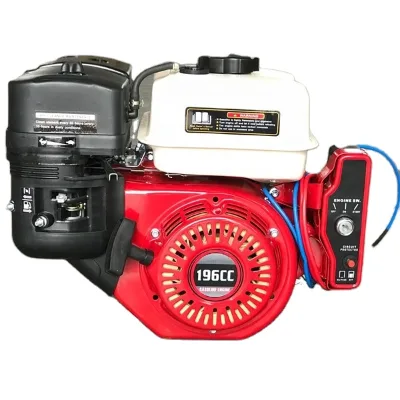
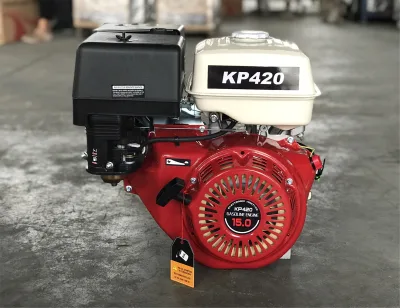
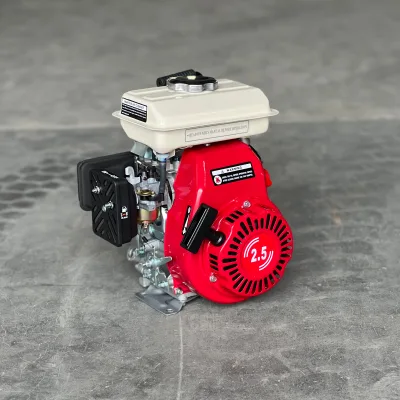
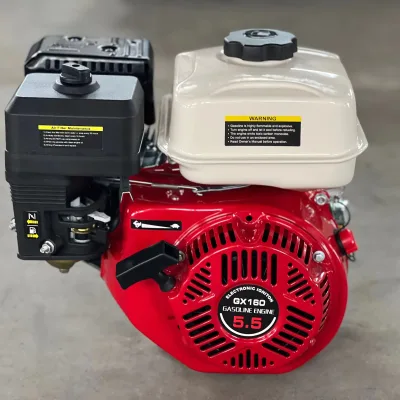
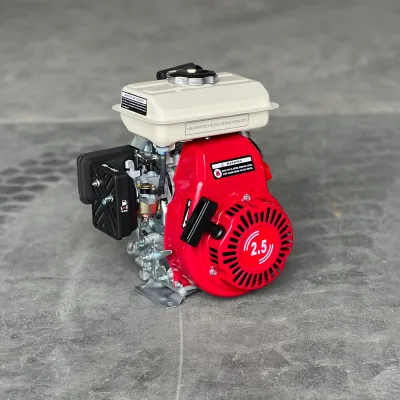


High-Performance Recoil Start Gasoline Engine for Versatile Applications
$38.00 - $60.00
MOQ: 10 Pieces

Compact Gasoline Engine with Easy Recoil Start for Small Agricultural Equipment
$1500.00 - $7000.00
MOQ: 1 Pieces


Compact Gasoline Engine with Electric Start for Agricultural Equipment Usage
$10.00 - $8000.00
MOQ: 10 Pieces


Comprehensive Sourcing Guide
Recoil Start Agricultural Gasoline Engine Sourcing Guide
Procuring a Recoil Start Agricultural Gasoline Engine requires a disciplined approach to distinguishing between genuine single-cylinder power units and generic motor listings that may misrepresent their intended use. The core of this sourcing strategy lies in verifying the specific mechanical architecture, such as the four-stroke cycle and L or H cylinder arrangement, which directly impacts the engine's suitability for field applications like water pumps or small generators. Buyers must treat observed attributes like the 106cc displacement and 54*46mm bore-stroke ratio as critical data points that define the power envelope for light to medium-duty agricultural tasks.
The market landscape presents a wide variance in product definitions, ranging from compact 106cc units to larger industrial models, necessitating a clear understanding of the specific operational requirements before engaging with suppliers. While some listings highlight high-speed capabilities suitable for generators, others may specify low-speed configurations better suited for direct drive agricultural machinery. It is essential to cross-reference the ignition mode, specifically the hand-pull recoil start mechanism, against the intended user environment to ensure the engine can be reliably activated in remote field conditions without reliance on external power sources.
Product Scope and Observed Listing Signals
When evaluating product listings, buyers should focus on the consistency of key identifiers such as the model number, fuel type, and cylinder configuration to avoid confusion between different engine families. The observed data indicates a prevalence of single-cylinder, four-stroke gasoline engines with specific displacement ranges, such as the 106cc unit, which serves as a baseline for small agricultural implements. However, listings also contain conflicting attributes like "Rotary" piston movement or "Electric Motor" classifications, which are technically incompatible with the core keyword of a recoil start gasoline engine and should be treated as data errors or mislabeled inventory.
The physical dimensions and packaging standards provide a secondary layer of verification for the actual product scope, with observed packing sizes ranging from compact 312936cm cartons to larger 450405443mm export packages. These variations often correlate with the engine's power output and the inclusion of auxiliary components like fuel tanks or lubricant reservoirs, which are critical for immediate deployment. Buyers must scrutinize the listed origin locations, such as Chongqing or Fuzhou, as these manufacturing hubs often specialize in specific engine architectures, and the presence of "Export Carton" labeling suggests a readiness for international logistics.
Technical Specifications to Verify
The most critical technical verification involves confirming the engine's stroke count and cooling method, as these factors determine the thermal management and durability of the unit under continuous agricultural load. The supplied facts confirm the existence of air-cooled, four-stroke engines with a naturally aspirated intake, which are standard for portable agricultural equipment where liquid cooling systems would add unnecessary weight and complexity. Buyers must explicitly verify that the "High Speed" or "Low Speed" designation matches the application, as a mismatch can lead to premature wear or insufficient torque for tasks like tilling or pumping.
Fuel system and lubrication metrics are equally vital for operational efficiency and maintenance planning, with observed consumption rates of ≤445g/Kw.H for fuel and ≤6g/Kw.H for lubricant serving as benchmarks for performance. The presence of a 1.4-liter fuel tank and 0.36-liter lubricant volume indicates a design optimized for short-to-medium duration field operations without frequent refueling. Procurement teams should demand test data or manufacturer specifications that validate these consumption rates, ensuring that the engine delivers the expected runtime and efficiency claims without deviating into the performance parameters of electric motors or rotary piston designs.
Compliance and Safety Documentation
Navigating the compliance landscape for agricultural engines requires a rigorous check of certification documents, particularly CE and Soncap, which are explicitly mentioned in the product data as available for certain models. These certifications are not merely administrative hurdles but serve as proof that the engine meets specific safety and environmental standards for the target markets, ensuring that the recoil start mechanism and fuel system do not pose undue risks during operation. Buyers should request copies of these certificates for the specific model number, such as the 154F or ZH200, to verify that the compliance status applies to the exact unit being purchased rather than a generic product line.
In addition to product certifications, the documentation must address the warranty terms and the manufacturer's commitment to quality, as evidenced by the "1 Year for 11HP Key Start Engine" warranty mentioned in the data. While the core keyword focuses on recoil start units, the presence of key start warranties suggests that suppliers may offer hybrid options or that the warranty terms vary significantly by model. Procurement contracts should explicitly define the scope of the warranty, including coverage for the ignition system and cylinder assembly, to protect against defects that could render the agricultural equipment inoperable during critical farming seasons.
Cost Drivers and Commercial Terms
The pricing structure for these engines is influenced by a complex interplay of specifications, including displacement, cooling method, and the inclusion of accessories like fuel tanks and recoil starters. The observed price range of 0.45 to 8000 USD reflects the vast difference between basic single-cylinder units and more complex, high-output models, requiring buyers to align their budget with the specific technical requirements of their agricultural application. It is crucial to understand that the lowest price points often correspond to the most basic configurations, while higher prices may include enhanced durability features or compliance with stricter international standards.
Commercial terms such as the Minimum Order Quantity (MOQ) and delivery lead times are significant factors in the total cost of ownership, with observed MOQs ranging from 1 to 100 units and delivery times typically set at 30 days after confirmation. Buyers must negotiate these terms carefully, as the 30-day lead time can impact project timelines, especially for seasonal agricultural needs. Payment methods like TT, LC, and Western Union offer flexibility, but the choice of payment instrument should be weighed against the supplier's reputation and the risk profile of the transaction, ensuring that financial exposure is minimized while securing the necessary supply volume.
Supplier Qualification and Quality Control
Supplier qualification should extend beyond the basic business type description of "Professional Generator Manufacturer with R&D" to include a verification of their production capabilities and quality control processes. The presence of multiple origin locations, such as Zhejiang Province and Chongqing, suggests a decentralized manufacturing base, which can be advantageous for sourcing but requires a robust audit of each facility's adherence to standards like ISO and CE. Buyers should prioritize suppliers who can demonstrate a consistent track record of producing engines with the specific attributes observed, such as the 106cc displacement and hand-pull recoil start, rather than those who offer a broad but inconsistent product range.
Quality control measures must be explicitly defined in the procurement agreement, focusing on the verification of critical components like the cylinder bore, stroke, and compression ratio. The observed compression ratio of 5.6:1 and the specific piston movement type (reciprocating) are key indicators of engine performance that must be validated through pre-shipment inspections. Suppliers should be required to provide test reports or third-party verification for these parameters, ensuring that the delivered engines meet the performance expectations and do not suffer from the inconsistencies seen in listings that mix incompatible attributes like rotary movement with gasoline engines.
Long-Term Procurement Checks
Establishing a long-term procurement relationship requires a commitment to ongoing performance monitoring and the verification of supply chain stability over time. Buyers should implement a system for tracking engine performance in the field, specifically monitoring fuel consumption rates and lubricant usage against the observed benchmarks of ≤445g/Kw.H and ≤6g/Kw.H to detect any deviations that might indicate quality issues or manufacturing drift. This data-driven approach allows for proactive maintenance planning and ensures that the agricultural equipment remains reliable throughout its operational life, reducing downtime and repair costs.
Finally, the long-term strategy must include a review of the supplier's ability to maintain consistent product specifications and compliance status as market regulations evolve. The initial verification of certifications like CE and Soncap should be followed by periodic audits to ensure that the supplier continues to meet these standards, particularly as environmental regulations become more stringent. By maintaining a close relationship with the supplier and demanding transparency in their production and testing processes, buyers can secure a reliable supply of recoil start agricultural gasoline engines that meet their operational needs for years to come.
FAQs
What is the displacement of the 154F recoil start engine?
The 154F model has an engine displacement of 106cc. This single-cylinder, four-stroke unit is designed for high-speed operation and features a 54mm bore and 46mm stroke. It is naturally aspirated and uses gasoline as fuel, making it suitable for various agricultural applications.
How is the 154F engine activated?
The 154F engine uses a hand-pull recoil start activation method. This mechanism allows for manual starting without electrical components, which is beneficial for remote agricultural settings. The engine is a single-cylinder, air-cooled unit designed for reliable operation in field conditions.
What is the fuel consumption rate for this engine?
The fuel consumption rate is less than or equal to 445g per kilowatt-hour. This efficiency metric helps buyers estimate operational costs for agricultural tasks. The engine also has a lubricant consumption rate of no more than 6g per kilowatt-hour, contributing to lower maintenance requirements.
Can the 154F engine be customized for specific needs?
Yes, customization is available for the 154F engine. Buyers can request specific configurations to match their agricultural equipment requirements. The engine is supplied in carton packaging and originates from Chongqing, China, allowing for flexible sourcing options for international buyers.
What is the compression ratio of the 154F engine?
The compression ratio for the 154F engine is 5.6:1. This ratio is typical for small, single-cylinder gasoline engines used in agricultural machinery. It balances power output and fuel efficiency, ensuring the engine performs reliably under the specified operating conditions.
What is the fuel tank capacity of the 154F engine?
The fuel tank volume is 1.4 liters. This capacity supports continuous operation for typical agricultural tasks without frequent refueling. The engine also has a lubricant volume of 0.36 liters, which is sufficient for standard maintenance intervals and operational needs.