Source Recoil Start Agriculture Tractor for Farming, Gardening, and Land Prep
Explore 30 listings for the Recoil Start Agriculture Tractor, featuring diesel power, gear drives, and various configurations. Buyers can compare models like SF005 and FL1604 based on engine type, emission standards, and lifting capacity for diverse agricultural needs.
Key considerations
Products List


AG Tractor Farm Tractor Agriculture Tractor for Agricultural Farm Tasks
$19000.00 - $22000.00
MOQ: 1 Pieces


Farming Tractor Farm Tractor Agriculture Tractor for Agricultural Machine Use
$14000.00 - $16000.00
MOQ: 1 Pieces


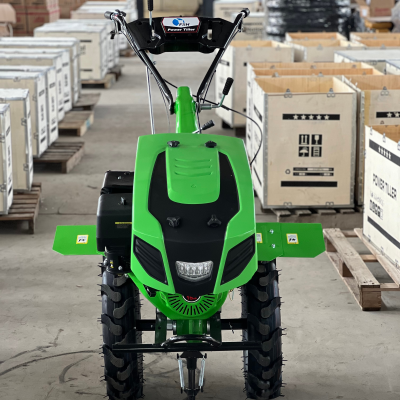
Jc Advanced Walking Tractor with Recoil Start for Easy Operation Tiller
$189.00 - $259.00
MOQ: 5 Pieces



Comprehensive Sourcing Guide
Sourcing Guide for Recoil Start Agriculture Tractors
Understanding the Recoil Start Mechanism in Modern Farming Equipment
When sourcing agricultural machinery, the term "recoil start" often refers to a specific manual starting mechanism found on smaller to mid-sized engines, though it is critical to distinguish this from the primary starting systems of larger, high-horsepower units. In the context of the current market data, the supply landscape includes a diverse range of agricultural vehicles, from micro-farming machines to heavy-duty wheel tractors. The presence of a recoil start feature is typically an observation on smaller units or backup systems, whereas larger models, such as those with 200HP engines, rely on electric or hydraulic starting systems. Buyers must verify the specific starting method for the intended application. The provided product attributes indicate a mix of machinery types, including "Micro-Farming Machine" and "Wheel Tractor," suggesting that recoil start capabilities are more likely associated with the smaller, lighter units designed for lawn, garden, or small farm operations rather than the heavy 7700kg class tractors.
The operational context for these machines is defined by their application in "Soil Preparation Machinery" and "Continuous Running Operation." For a buyer researching recoil start agriculture tractors, the primary value proposition lies in reliability and simplicity. In remote agricultural fields where electrical infrastructure is absent, a manual recoil starter ensures the engine can be engaged without external power sources. However, the data also highlights "Diesel" and "Gas / Diesel" fuel sources, which are standard for agricultural engines. It is essential to note that while the term "recoil start" is the core keyword, the actual product listings show a progression toward more complex systems, such as "Shuttle Shift" gearboxes and "Full Hydraulic Steering," which are often paired with larger engines that may not utilize a simple recoil mechanism as their primary start method. Therefore, the procurement strategy must focus on matching the starting mechanism to the scale of the operation.
Technical Specifications and Performance Attributes
A rigorous evaluation of technical specifications is the cornerstone of a successful procurement process for agricultural tractors. The market data reveals a wide spectrum of technical capabilities, ranging from compact units to large-scale farming equipment. For buyers specifically interested in the nuances of starting mechanisms and engine performance, the following attributes are critical observations. The engine specifications vary significantly; some units are equipped with "Quanchai" engines, while larger models feature "Yuchai200HP" engines with six cylinders. The rated power for the larger units is explicitly stated as 200HP (147kw) at a rated speed of 2200 R/Min.
The drive system is another vital technical component. The observed products utilize a "Gear Drive" and "Traction" type, with some units featuring a "4WD" (Four-Wheel Drive) configuration. This is particularly relevant for soil preparation tasks where traction is paramount. The gearbox specifications indicate a "Shuttle Shift" capability with a ratio of 12 forward and 12 reverse gears, allowing for versatile operation in both forward and backward directions without stopping. This level of transmission complexity is typically found in the larger, more powerful tractors rather than the micro-farming machines.
Furthermore, the physical dimensions and weight are substantial indicators of the machine's capability. The data lists a minimum operating weight of 7700kg for certain models, with a wheelbase of 2850mm. The tire sizes for these heavy-duty units are specified as 16.9-28 for the front and 20.8-38 for the rear, indicating a design optimized for heavy loads and rough terrain. The maximum lifting force is noted as ≥35.3kN, which is a critical metric for attaching and operating heavy implements. For the smaller micro-farming machines, the size is classified as "Medium," contrasting with the "Large" classification of the high-horsepower units. Buyers must align these technical specifications with their specific farming needs, ensuring that the recoil start mechanism, if present, is paired with an engine and transmission system that can handle the intended workload.
Compliance, Certification, and Emission Standards
Navigating the regulatory landscape is a non-negotiable aspect of sourcing agricultural machinery, especially when importing from international markets. The product data indicates a robust compliance framework, with multiple certifications listed across different models. The observed certifications include ISO/TSXQC, ISO, CCC, EPA, CE, EEC, ISO9001:GMP, QS, and UL. These certifications serve as evidence of adherence to quality management systems, safety standards, and environmental regulations.
A critical area of focus for buyers is the emission standard. The data explicitly mentions "Euro II" and "Euro III" emission standards. This distinction is vital for markets with strict environmental regulations, such as the European Union or regions with similar import requirements. Euro III is generally more stringent than Euro II, implying lower allowable emissions of pollutants like nitrogen oxides and particulate matter. Buyers must verify that the specific unit they are purchasing meets the emission standards required by their local jurisdiction. The presence of "EPA" certification suggests compliance with United States Environmental Protection Agency standards, which is essential for the North American market.
Additionally, the "Rops and Cabin" attribute lists "Ec and Oecd," which likely refers to compliance with European and OECD standards for Roll-Over Protective Structures. This is a crucial safety feature for agricultural operators, ensuring protection in the event of a rollover. The "CCC" certification indicates compliance with Chinese Compulsory Certification, which is standard for products manufactured and sold within China. When evaluating suppliers, buyers should request documentation proving that the specific model's engine and chassis meet the claimed emission and safety standards. The variation in certifications across different product listings suggests that not every model may carry every certification, and due diligence is required to match the product to the regulatory environment of the destination country.
Cost Drivers and Pricing Dynamics
The pricing structure for agricultural tractors is influenced by a complex interplay of factors, including engine power, transmission complexity, build quality, and compliance costs. The observed price range in the market data spans from $1 to $50,000, reflecting the vast diversity of the product category. This wide range encompasses everything from small micro-farming machines to heavy-duty 200HP wheel tractors.
Several key cost drivers can be identified from the product attributes. First, the engine type and power output are significant determinants of price. A tractor with a 200HP Yuchai engine will command a substantially higher price than a micro-farming machine with a smaller engine. Second, the transmission system adds to the cost; models with "Shuttle Shift" gearboxes offering 12 forward and 12 reverse gears are more complex and expensive than simpler gear systems. Third, the inclusion of advanced features such as "Full Hydraulic Steering" and "Optional Air Conditioner" increases the manufacturing cost and, consequently, the final price.
The packaging and shipping method also play a role in the total cost of ownership. The data lists various packing options, including "Woode Case," "SKD" (Semi-Knocked Down), "CBU" (Completely Built Unit), "Container," "Sea," and "Train." SKD and CBU options affect the logistics cost and assembly requirements at the destination. Furthermore, the "Service Life" of 6-10 years is a critical factor in evaluating the long-term value. A higher initial price may be justified if the machine offers a longer service life and lower maintenance costs over time. Buyers should consider the total cost of acquisition, including shipping, customs duties, and assembly, rather than focusing solely on the unit price. The minimum order quantity (MOQ) range of 1-10 units suggests flexibility for buyers, allowing for small-scale procurement or bulk purchasing depending on the supplier's terms.
Typical Applications and Operational Versatility
The versatility of agricultural tractors is evident in the diverse applications listed in the product data. These machines are designed to serve a wide range of farming needs, from small-scale gardening to large-scale commercial agriculture. The "Application Field" is explicitly stated as "Agriculture," but the specific usage categories provide more granular insight. The data mentions "Lawn Tractor," "Garden Tractor," and "Farm Tractor," indicating that the market caters to residential, semi-commercial, and industrial agricultural sectors.
For the "Micro-Farming Machine" category, the primary application is likely small-scale soil preparation, weeding, and light tillage. These units, often characterized by their "Medium" size and "Horizontal Axis" arbor configuration, are ideal for farmers with limited acreage or those operating in confined spaces. The "Dry Cultivating Machinery" farming policy suggests a focus on operations in arid or semi-arid regions where water conservation is critical.
In contrast, the larger "Wheel Tractor" models with 200HP engines and 4WD capabilities are designed for heavy-duty tasks. The "Maximum Lifting Force" of ≥35.3kN and the large tire sizes (16.9-28/20.8-38) indicate that these machines are built for pulling heavy implements, plowing large fields, and handling significant loads. The "Continuous Running Operation" attribute highlights their suitability for long-duration tasks without frequent downtime. The "Hydraulic Output" of 2 groups allows for the operation of multiple hydraulic implements simultaneously, enhancing efficiency in large-scale farming operations.
Buyers should carefully assess their specific operational requirements before selecting a model. A recoil start mechanism might be sufficient for a small garden tractor used for seasonal maintenance, but a larger, electric-start tractor would be necessary for a commercial farm requiring continuous, heavy-duty operation. The "Farming Policy" of "Dry Cultivating Machinery" further suggests that these tractors are optimized for specific soil conditions, and buyers should ensure the machine's capabilities align with the local climate and soil type.
Supplier Evaluation and Quality Assurance
Selecting the right supplier is as important as selecting the right machine. The product data indicates that the origin of these tractors is "China," a major global hub for agricultural machinery manufacturing. When evaluating suppliers, buyers should prioritize those who can provide transparent documentation regarding the certifications and standards mentioned in the product attributes. The presence of multiple certifications, such as ISO, CE, and EPA, suggests a commitment to quality and regulatory compliance, but buyers must verify that these certifications are valid and applicable to the specific model being purchased.
Quality control is another critical factor. The "Condition" of the products is listed as "New," which is standard for new machinery. However, buyers should inquire about the manufacturing processes and quality assurance protocols employed by the supplier. The "Service Life" of 6-10 years is a strong indicator of durability, but this claim should be supported by warranty terms and after-sales service agreements. Buyers should also evaluate the supplier's ability to provide spare parts and technical support, as the availability of components is essential for maintaining the machine's operational readiness.
The packaging options, such as "Woode Case," "Container," and "SKD," also reflect the supplier's logistical capabilities. A supplier offering robust packaging options demonstrates a commitment to protecting the machinery during transit, which is crucial for preventing damage and ensuring the machine arrives in perfect condition. Additionally, the "prod_packing" details like "Shipping" and "Sea, Train" indicate the supplier's experience in international logistics. Buyers should assess the supplier's track record in delivering machinery to their specific region and their ability to handle customs clearance and delivery logistics.
Long-Term Procurement and Maintenance Considerations
Procuring agricultural machinery is a long-term investment that requires careful consideration of maintenance, operational costs, and lifecycle management. The "Service Life" of 6-10 years is a key metric for buyers to consider when calculating the return on investment. To maximize this lifespan, buyers should establish a proactive maintenance schedule that includes regular inspections of the engine, transmission, and hydraulic systems. The "Gearbox" with "Shuttle Shift" and "12f+12r" gears requires specific attention to ensure smooth operation and prevent wear.
The "Fuel" type, listed as "Gas / Diesel," is another factor that influences long-term costs. Diesel engines are generally more fuel-efficient and durable for heavy-duty applications, but they require high-quality fuel and regular filter changes. The "Emission Standard" compliance, such as "Euro II" or "Euro III," may also impact maintenance requirements, as newer emission standards often involve more complex engine management systems that require specialized diagnostic tools.
Buyers should also consider the availability of spare parts and the cost of maintenance over the machine's lifecycle. The "Hydraulic Output" of 2 groups and the "Maximum Lifting Force" suggest that the machine will be used with various implements, which may require additional maintenance. The "Rops and Cabin" safety features, including "Ec and Oecd" compliance, should be inspected regularly to ensure they remain effective.
Finally, buyers should plan for the eventual disposal or resale of the machinery. The "Standard" dimensions and specifications, such as "3970MM1620MM2577MM" or "580028003350mm," are important for logistics and storage considerations. By understanding the full lifecycle of the tractor, from procurement to disposal, buyers can make informed decisions that align with their long-term agricultural goals and budget constraints.
FAQs
What engine options are available for recoil start agriculture tractors?
Available engine options include Quanchai and Yuchai 200HP models depending on the specific unit size. Smaller micro-farming machines typically use Quanchai engines, while larger wheel tractors feature high-horsepower Yuchai units with six cylinders and rated speeds of 2200 RPM.
Which emission standards do these agricultural tractors meet?
The observed models meet Euro II and Euro III emission standards to ensure environmental compliance. Some units also carry EPA certification for North American markets, while others display EEC or CE marks for European regulatory adherence during operation.
Can I find tractors with a shuttle shift gearbox configuration?
Yes, several models feature a shuttle shift gearbox with 12 forward and 12 reverse gears for versatile operation. This transmission type is common in larger wheel tractors designed for continuous running operation and heavy soil preparation tasks in agriculture.
What certifications are listed for these tractor products?
Certifications include ISO, CCC, EPA, CE, EEC, and ISO9001:GMP depending on the specific model and manufacturer. Buyers should verify that the unit carries the necessary safety and quality marks like ROPS compliance for their target region before purchasing.
How is the hydraulic system configured on these machines?
The hydraulic system typically offers two groups of hydraulic outputs to operate multiple implements simultaneously. This configuration supports heavy lifting forces of at least 35.3kN and is standard on larger wheel tractors used for serious farming applications.
What packaging methods are used for shipping these tractors?
Packaging options include wooden cases, SKD, CBU, and container shipping via sea or train. The choice depends on the unit size and destination, with larger models often shipped in containers to protect the machinery during long-distance transport.
Which tire sizes are standard for heavy-duty wheel tractors?
Heavy-duty units typically use 16.9-28 tires for the front and 20.8-38 for the rear to handle rough terrain. These large tire sizes support the minimum operating weight of 7700kg and provide necessary traction for continuous soil preparation work.