Source Recording Plush Chicken Easter Toy for gifts and events
Compare 30 options for the Recording Plush Chicken Easter Toy from verified Chinese manufacturers. Buyers can evaluate customization, certifications, and pricing to find suitable Easter toys for retail or promotional use.
Key considerations
Products List


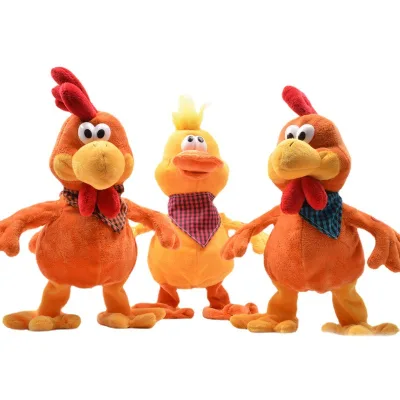
Christmas Decoration Custom Toy for Gift Plush Stuffed Anime Chicken Toy Doll
$1.88 - $2.73
MOQ: 1000 Pieces


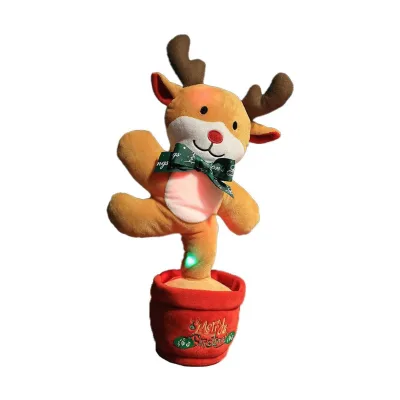
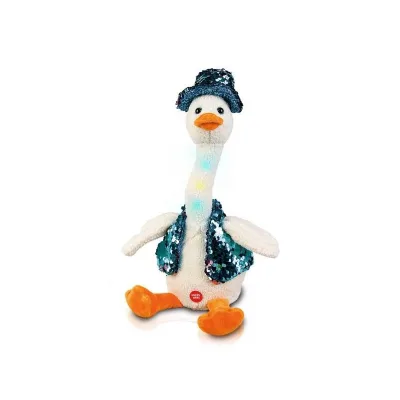
New Design Christmas Voice Recorder Toys Reindeer Plush Pendant Stuffed Toys
$4.99 - $6.99
MOQ: 5 Pieces
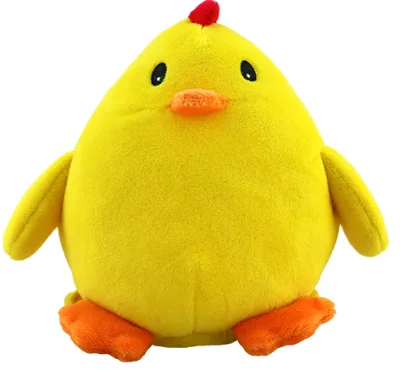
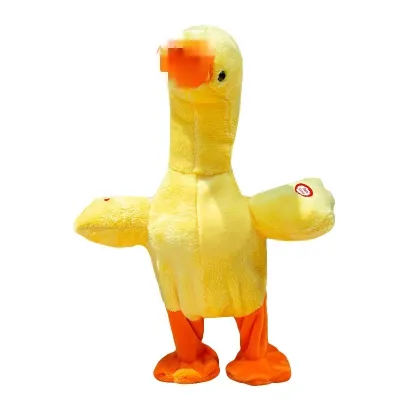
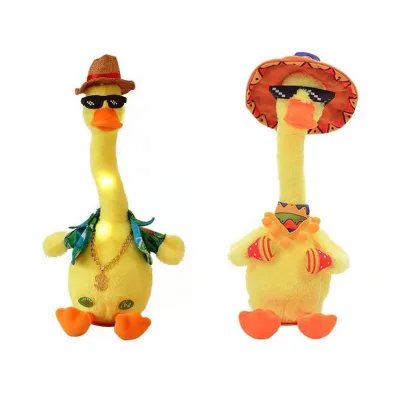
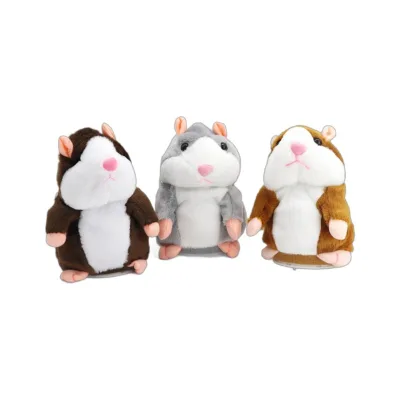
Battery Operated Electric Dancing and Music Chicken Toy Plush Record Toy
$3.89 - $4.98
MOQ: 1000 Minimum


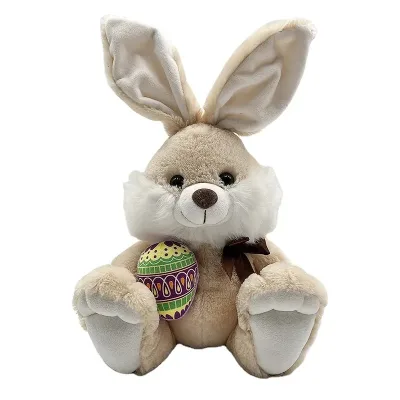

Comprehensive Sourcing Guide
Strategic Sourcing Guide for Recording Plush Chicken Easter Toys
Understanding Product Specifications and Core Attributes
When sourcing a Recording Plush Chicken Easter Toy, the buyer must first establish a clear understanding of the physical and functional specifications that define the product category. Based on the available market data, these items are fundamentally constructed from plush materials, specifically utilizing super soft velboa fabric which provides a tactile experience suitable for children. The internal stuffing is typically composed of PP cotton, ensuring the toy maintains its shape while remaining soft to the touch. The product design often features a "sitting," "standing," or "lying" style, with specific models identified by codes such as YD-K571, YD-K456, and YD16010856.
The size of these toys varies, with "Medium" being a common classification, though some specifications indicate a standard length of 20cm or offer fully customized dimensions. Color options are diverse, ranging from mixed color schemes to specific solid hues like yellow and pink. The customization aspect is a critical differentiator in this sector; suppliers frequently offer OEM services, allowing buyers to modify the product's appearance, branding, and even the recording functionality. The production origin is predominantly located in China, with specific manufacturing hubs noted in Jiangsu Yangzhou. This regional concentration suggests a mature supply chain for plush manufacturing, though buyers should verify the specific factory location for each order.
Compliance and Certification Verification
For any toy intended for the Easter market, particularly those targeting children over three years of age, regulatory compliance is non-negotiable. The market data indicates that reputable suppliers in this category often provide a suite of certifications to validate safety and quality. Buyers should explicitly verify the presence of CE, EN71, ASTM, CPSIA, REACH, and SGS certifications. These standards cover mechanical safety, flammability, chemical composition, and heavy metal content, ensuring the product meets the rigorous requirements of major import markets like the European Union and the United States.
Additionally, some product listings reference RoHS and EnCE standards, which are crucial for electronic components. Since the core keyword includes "recording," the toy likely contains a small electronic module for audio playback. The presence of RoHS certification is particularly relevant here, as it restricts the use of hazardous substances in electrical and electronic equipment. Buyers must ensure that the specific model they select carries the relevant electronic safety certifications, not just the general plush toy standards. The absence of these certifications in a supplier's documentation should be treated as a red flag, regardless of the product's aesthetic appeal.
Cost Drivers and Pricing Structures
The pricing of recording plush chicken Easter toys is influenced by several variable factors, creating a wide observed range in the market. Current data shows listed prices fluctuating between 0.8 and 16.9 USD. This significant variance is driven by the complexity of the recording mechanism, the quality of the plush fabric, the size of the toy, and the extent of customization required. A basic model with a simple sound chip and standard stuffing will sit at the lower end of the spectrum, while a premium version featuring high-quality velboa, complex recording capabilities, and custom packaging will command a higher price point.
Beyond the unit price, the Minimum Order Quantity (MOQ) is a primary cost driver. The observed MOQ range spans from 1 to 5000 pieces, with specific design requirements often mandating quantities of 1000 or 3000 pieces per design. Higher MOQs generally correlate with lower per-unit costs due to economies of scale in material purchasing and production line efficiency. Buyers must balance their budget constraints against the need for inventory depth. Furthermore, the payment terms, which typically require a 30% or 50% advance payment via T/T, impact cash flow planning. The trade terms, such as FOB, CIF, DDP, or Express, also determine the final landed cost, as they dictate who bears the responsibility and expense for shipping and insurance.
Typical Applications and Market Positioning
The primary application for these products is clearly defined within the seasonal Easter market. They are categorized as "Easter Toys" and "Holiday Toys," designed to be distributed as gifts during Easter celebrations. The target demographic is children aged over three years, making the product suitable for Easter egg hunts, gift baskets, and promotional giveaways. The "Toy Doll Gift" and "Toy Gift" classifications highlight their role as standalone presents rather than mere accessories.
The versatility of the product allows for broader applications beyond the holiday season. The "recording" feature enables these toys to be used for personalized messages, making them popular for corporate branding, event souvenirs, and educational tools. The ability to customize the logo via embroidery or printing allows businesses to integrate their branding directly onto the toy. This transforms the product from a generic seasonal item into a targeted marketing tool. The "Modelling Source: Animals" specification confirms the chicken design is intended to appeal to children's interest in farm animals, a common theme in Easter marketing.
Supplier Evaluation and Production Capabilities
Evaluating a supplier for this specific product requires a deep dive into their production capabilities and logistical readiness. The data indicates that many suppliers offer "Hand-made" techniques alongside machine production, which can affect consistency and cost. Buyers should inquire about the ratio of manual to automated assembly, as hand-made elements often imply higher labor costs but potentially better quality control in stitching and finishing. The "Customized" standard suggests that suppliers are flexible, but this flexibility must be managed through clear communication.
Lead times are a critical factor in supplier selection. The observed delivery times range from 30 to 60 days, with some specific models requiring up to 60 days. This variance depends on the order volume, the complexity of the customization, and the current production schedule. A sample time of 5-7 days is standard, allowing buyers to verify quality before committing to a full production run. Buyers must ensure that the supplier can meet the specific delivery deadline required for the Easter season, as delays can render the product obsolete for the holiday. The "Place of Origin" being China is a known factor, but verifying the specific factory in Jiangsu Yangzhou can help assess the local supply chain's reliability.
Quality Control and Packaging Standards
Quality control in the plush toy industry must address both the physical integrity of the toy and the functionality of the electronic components. The "Packing Way" varies, with options including individual polybags, color boxes, and display boxes. Bulk packing often involves placing 200 pieces per carton, with specific carton dimensions like 544650cm or 634558cm. Buyers should verify the Gross Weight (G.W) and Net Weight (N.W) to ensure accurate shipping calculations; for example, a specific carton might weigh 17.5kg gross and 15.9kg net.
The packaging must protect the toy during transit, especially given the delicate nature of the recording mechanism. The use of "Each in One Polybag" is a standard practice to prevent dust and damage, but the outer carton strength is equally important. Quality checks should include testing the recording function to ensure the audio is clear and the battery compartment is secure. For the plush aspect, inspections should focus on stitching quality, stuffing distribution, and fabric durability. The "Logo: Embroider" specification indicates that branding should be durable and resistant to fading or peeling, which is a key quality metric for branded merchandise.
Long-Term Procurement Considerations
Sourcing recording plush chicken Easter toys involves planning for long-term supply chain stability. The "Custom/OEM: Yes" attribute suggests that buyers can build a unique product line, but this requires a robust relationship with the supplier to maintain consistency over multiple production cycles. The "Trade Term" options, including DDP and Express, offer flexibility for different logistics strategies, but buyers should understand the implications of each term on their risk management.
Sustainability and material sourcing are becoming increasingly important in the plush toy industry. While the current data specifies "PP Cotton" and "Super Soft Velboa," buyers should inquire about the recyclability of these materials and the environmental impact of the manufacturing process. The "Standard: Customized" nature of the product allows for the integration of eco-friendly materials if the buyer's brand strategy demands it. Finally, the payment terms, which often require significant advance payments, necessitate a strong financial assessment of the supplier to mitigate the risk of non-delivery. Establishing a clear contract that outlines quality standards, delivery timelines, and penalty clauses for delays is essential for a successful long-term procurement strategy.
FAQs
Can I customize the Recording Plush Chicken Easter Toy?
Yes, customization is available for this product. Suppliers offer OEM services to modify the design, logo, and recording content, with specific models like YD-K571 supporting these changes.
What certifications do these toys typically hold?
Reputable listings include CE, EN71, ASTM, CPSIA, REACH, and SGS certifications. Some models also carry RoHS and EnCE standards to ensure safety for electronic components and children over three years.
How long does delivery take for these toys?
Delivery times generally range from 30 to 60 days depending on order volume. Specific models may require up to 60 days, while sample preparation typically takes 5 to 7 days.
What is the minimum order quantity for design customization?
The minimum order quantity is often 1000 pieces per design, though some listings specify 3000 pieces. The observed range spans from 1 to 5000 units based on supplier terms.
Where are these toys manufactured?
The place of origin is China, with specific manufacturing hubs located in Jiangsu Yangzhou. This region hosts a mature supply chain for plush toy production and customization.
What materials are used for the stuffing and fabric?
The toys are made from super soft velboa fabric and stuffed with PP cotton. This combination ensures a soft texture while maintaining the shape of the sitting, standing, or lying models.
What payment terms are standard for these orders?
Standard payment terms require a 30% or 50% advance payment via T/T. Trade terms such as FOB, CIF, DDP, or Express are also available to define shipping responsibilities.