Source Rectangle Dining Table and Chair Set For Cafe, Hotel, And Restaurant
Source a Rectangle Dining Table and Chair Set from 30 verified options. Compare metal frames, rattan chairs, and tempered glass tops. Ideal for cafes, hotels, and restaurants, these sets offer customization and various packing standards to fit your business needs.
Key considerations
Products List


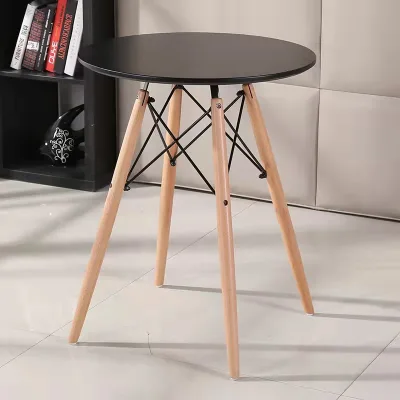


Fashionable Restaurant Chair and Table Set for Contemporary Dining Spaces
$200.00 - $280.00
MOQ: 2 Pieces

Comfortable Restaurant Chair and Table Set for Upscale Dining Experiences
$200.00 - $280.00
MOQ: 2 Pieces

Comprehensive Sourcing Guide
Rectangle Dining Table and Chair Set Sourcing Guide
Sourcing rectangle dining table and chair sets requires a strategic approach that balances aesthetic alignment with functional durability. Buyers must first define the intended environment, as these sets are commonly deployed in bars, cafes, restaurants, hotels, and private dining rooms. The observed market signals indicate a strong preference for European and modern styles, which often dictate the visual language of the furniture. Understanding the specific usage context is critical because it influences material selection, structural requirements, and the overall customer experience. For instance, outdoor settings demand weather-resistant finishes, while indoor hospitality venues prioritize easy maintenance and stackability.
Procurement teams should also consider the customization landscape, as many suppliers offer tailored solutions to meet brand-specific needs. The availability of customized options allows buyers to adjust dimensions, colors, and materials to fit unique interior design schemes. This flexibility is particularly valuable for large-scale projects where consistency across multiple locations is essential. By leveraging customization capabilities, buyers can ensure that the furniture not only meets functional requirements but also reinforces brand identity. However, this flexibility often comes with minimum order quantities and longer lead times, which must be factored into the procurement timeline.
Product Scope and Observed Listing Signals
The current market for rectangle dining table and chair sets exhibits a wide range of price points, typically spanning from ten to eight hundred fifty US dollars. This variance reflects differences in material quality, design complexity, and manufacturing origins. Buyers should note that the observed minimum order quantities range from one to five hundred sets, indicating that suppliers cater to both small boutique orders and large commercial contracts. Understanding these commercial signals helps buyers align their purchasing power with supplier capabilities, ensuring they can secure favorable terms without overcommitting to inventory.
Product listings frequently highlight specific model numbers and packing configurations, which serve as key identifiers for procurement teams. Common models include identifiers such as XS-DNS001A, FR-ITS028, and OKT-2307, each associated with distinct dimensional and material specifications. Packing methods vary from standard carton packaging to more robust solutions involving wooden frames, which are crucial for protecting items during international shipping. Buyers must carefully review these details to estimate logistics costs and storage requirements, as improper packing can lead to significant damage and increased replacement costs.
Technical Specifications to Verify
Dimensional accuracy is paramount when specifying rectangle dining table and chair sets, as these measurements directly impact space planning and user comfort. Typical table dimensions observed in the market include sizes like 150096071mm and 1709072cm, while chair sizes often range around 590620940mm. Buyers must verify these specifications against their floor plans to ensure adequate clearance and ergonomic fit. Additionally, the folded state of the furniture is a critical consideration; most observed products are listed as unfolded, which affects storage and display strategies in showrooms or warehouses.
Material composition significantly influences the longevity and maintenance requirements of the furniture. Frame materials are predominantly metal, often finished with powder coating to enhance durability and resistance to wear. Table tops may feature tempered glass or water-wave glass, providing a sleek, modern aesthetic while offering strength. Chair frames can be constructed from rattan or steel, with seat materials ranging from band to wooden board. Buyers should request detailed material breakdowns to assess suitability for their specific environment, particularly regarding weight capacity and resistance to environmental factors.
Compliance and Safety Documentation
Safety and regulatory compliance are non-negotiable aspects of furniture procurement, especially for commercial establishments. Buyers should insist on test reports from recognized third-party laboratories, such as SGS, to verify that the furniture meets international safety standards. These reports typically cover structural integrity, stability, and material toxicity, ensuring that the products are safe for public use. Without such documentation, buyers risk exposing their businesses to liability issues and potential legal challenges, making it essential to prioritize suppliers who provide comprehensive testing data.
In addition to safety tests, buyers should inquire about environmental certifications, such as FSC, which indicate responsible sourcing of wood-based materials. While not all products may carry these certifications, they are increasingly important for brands committed to sustainability. Buyers should also verify that the furniture complies with local fire safety regulations, particularly for upholstered components. Ensuring that all documentation is up-to-date and verifiable helps maintain brand reputation and customer trust, which are critical assets in the hospitality and retail sectors.
Cost Drivers and Commercial Terms
Several factors influence the final cost of rectangle dining table and chair sets, including material selection, customization level, and order volume. High-quality materials like tempered glass and powder-coated metal frames tend to command higher prices, while basic steel or rattan options may be more cost-effective. Customization, such as specific color choices or fabric types, can also increase costs due to the additional labor and material handling required. Buyers should negotiate based on volume, as larger orders often benefit from economies of scale, reducing the per-unit price significantly.
Commercial terms, including minimum order quantities and shipping configurations, play a crucial role in total cost of ownership. Observed data suggests that a 40HQ container can hold approximately 120 to 142 sets, depending on the specific model and packing method. Buyers must calculate the landed cost, including freight, insurance, and duties, to determine the true expense. Additionally, warranty terms, which typically range from one to three years, should be clearly defined in the contract to protect against premature wear or manufacturing defects.
Supplier Qualification and Quality Control
Evaluating supplier qualifications is essential to ensure consistent quality and reliable delivery. Buyers should verify the supplier’s manufacturing capabilities, including their production capacity and quality control processes. Suppliers located in regions like Zhejiang Province often have established supply chains and expertise in furniture manufacturing, which can be advantageous. However, buyers must conduct thorough due diligence, including site visits or third-party audits, to confirm that the supplier adheres to strict quality standards and ethical labor practices.
Quality control measures should be integrated into the procurement process from the outset. Buyers should define clear acceptance criteria for materials, dimensions, and finishes, and request pre-shipment inspections to catch any defects early. Establishing a robust quality control protocol helps minimize the risk of receiving substandard products, which can lead to costly returns and customer dissatisfaction. Regular communication with the supplier regarding quality expectations and feedback can also foster a collaborative relationship, leading to continuous improvement and better product outcomes.
Long-Term Procurement Checks
Long-term success in sourcing rectangle dining table and chair sets depends on ongoing relationship management and performance monitoring. Buyers should establish key performance indicators to track supplier reliability, including on-time delivery rates, defect rates, and responsiveness to issues. Regular reviews of these metrics help identify potential problems early and allow for corrective actions before they escalate. Maintaining open lines of communication with suppliers ensures that any changes in product design or material availability are communicated promptly, allowing buyers to adjust their strategies accordingly.
Additionally, buyers should stay informed about market trends and technological advancements in furniture manufacturing. This knowledge can help them anticipate changes in material costs, regulatory requirements, and consumer preferences. By staying proactive, buyers can negotiate better terms, explore new supplier options, and ensure that their furniture offerings remain competitive and relevant. Continuous evaluation and adaptation are key to sustaining a successful procurement strategy in the dynamic furniture industry.
FAQs
What customization options are available for the frame material?
Customization is available for the frame material and color. You can select any color for the fabric and frame. The frame material is metal, and the finish is powder coated to ensure durability for outdoor or indoor use in bars and cafes.
Which specifications define the table and chair dimensions?
Specifications vary by model, with some tables measuring 170 by 90 by 72 cm. Chair sizes often reach 65 by 51 by 88 cm. Specific models like FR-ITS028 list table dimensions of 1500 by 960 by 71 mm. Always check the specific model number for exact packing sizes.
Can I order a small quantity of these dining sets?
Yes, you can order small quantities as the minimum order quantity ranges from 1 to 500 sets. Some specific models require a minimum of 30 sets. The exact MOQ depends on the specific product model and the supplier's current stock availability for the requested configuration.
How are these dining sets packed for shipping?
Packing methods include carton packing or stack plus carton packages. Some units come with a standard export carton and a wooden frame for extra protection. The standard packing ratio is often one set per carton, ensuring safe transport for the metal frames and rattan or steel seats.
What is the warranty period for the furniture sets?
The warranty period typically ranges from one to three years depending on the specific product model. This coverage applies to the metal frames and other structural components. Buyers should verify the exact warranty terms associated with the specific model number before placing a large order.
Which materials are used for the seat and frame construction?
Frames are constructed from metal with powder coating, while seats use materials like rattan, steel, or wooden boards. Some models feature shirt fiber fabric or textilene for the seating surface. The combination of these materials ensures suitability for various environments including hotels, homes, and outdoor dining areas.
What is the production origin and lead time for orders?
The products originate from Zhejiang Province, China. While specific lead times are not listed in the provided facts, the origin indicates established manufacturing capabilities. Buyers should contact suppliers directly to confirm current lead times based on order volume and customization requirements for the specific dining set model.