Source Rectifier Module for Power, Audio, and Lighting
Find and compare 30 Rectifier Module options for power distribution, audio systems, and lighting applications. Evaluate specifications such as input voltage, output current, and communication protocols to select the right component for your industrial or electronic needs.
Key considerations
Products List


Rectifier Charging Module Power Rectifier Module Bidirectional Charger Inverter
$2020.00 - $2030.00
MOQ: 1 Pieces

Charging Plie Module Module Rectifier EV Charging Power Module Inverter Power Moduler Module
$2020.00 - $2030.00
MOQ: 1 Pieces

Charging-Recharging Rectifier 60kw Rectifier Module Master Control Module EV Charging
$2020.00 - $2030.00
MOQ: 1 Pieces

EV DC Fast Charger Power Module High-Power Power Supply Module Rectifier Module
$2800.00 - $2850.00
MOQ: 1 Pieces

Bidirectional Converter DC-DC Power Converter Power Supply Rectifier Module
$2020.00 - $2030.00
MOQ: 1 Pieces




Comprehensive Sourcing Guide
Rectifier Module Sourcing Guide
Selecting the right Rectifier Module requires a careful balance of electrical performance, physical form factor, and supply chain reliability. In the B2B procurement landscape, these components serve as critical interfaces between AC power sources and DC loads, ensuring stable energy conversion for industrial, electronic, and lighting applications. Buyers must navigate a diverse market where specifications vary significantly based on the intended use case, ranging from single-output units to complex three-phase systems. Understanding the specific technical requirements and commercial terms is essential to avoid mismatches between supplier capabilities and project needs.
This guide provides a structured approach to sourcing rectifier modules, focusing on evidence-based verification steps rather than generic advice. By examining product scope, technical specifications, compliance documentation, cost drivers, supplier qualifications, and long-term maintenance, procurement professionals can make informed decisions that mitigate risk and ensure operational continuity. The following sections detail the key considerations for evaluating potential suppliers and products, ensuring that every aspect of the purchase aligns with strict quality and performance standards.
Product Scope and Observed Listing Signals
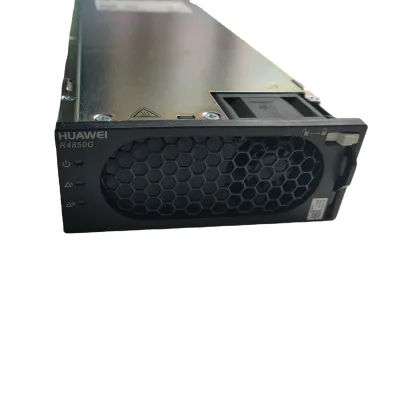
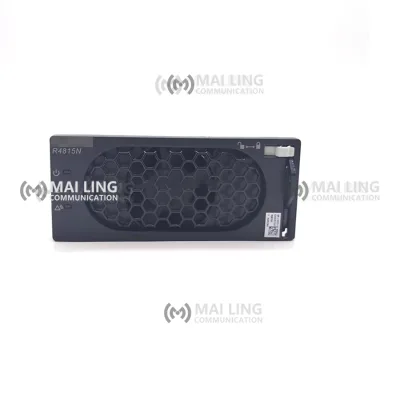
The market for rectifier modules encompasses a wide range of configurations, including single-output and three-phase systems, with input voltages typically spanning 110V to 220V AC. Observed listings indicate that these modules are often categorized under Level 2 Power Distribution Equipment or Terminal Power Distribution Equipment, depending on their integration point within the larger power system. Buyers should note that some units support parallel switching power supply modes, while others operate in series configurations, which directly impacts how they are wired and managed in high-reliability applications.
Physical dimensions and packaging also vary, with standard models measuring approximately 130230325mm or larger industrial units reaching 8006002200mm. Packaging is commonly provided in wooden cases or carton boxes, reflecting the need for robust protection during air or sea shipping from origins such as China. Procurement teams must verify whether the listed dimensions and weights, such as 9kg for certain compact models, align with their installation space constraints and logistics capabilities, as these factors influence handling costs and storage requirements.
Technical Specifications to Verify
Electrical performance is the primary determinant of suitability, with output voltages ranging from 117VDC to 190V300V DC and output currents from 10A to 020A. Buyers must confirm the input voltage range, which may extend from 90VAC to 265VAC, to ensure compatibility with local power grids and varying load conditions. Additionally, the modulation system, often PWM (Pulse Width Modulation), and voltage regulating modes, such as width or frequency modulation, dictate the efficiency and stability of the rectification process under dynamic loads.
Efficiency ratings are critical for energy-conscious projects, with some modules achieving ≥93.2% efficiency at 220VAC and 100% load, while power factors may reach ≥0.98 at 220VAC/60A. Protection features including overload, short circuit, and over-voltage safeguards are standard but must be explicitly verified for each model. Communication interfaces like RS485 or RS485 Half-Duplex enable remote monitoring and control, which is essential for automated systems, while the choice between auto-transformer and other winding types affects the core shape and overall design efficiency.
Compliance and Safety Documentation
Certification is a non-negotiable aspect of procurement, with ISO and CE marks being the most commonly observed credentials in supplier listings. Buyers should request valid certificates to verify that the manufacturer adheres to recognized quality management systems and safety standards. While some listings mention ISO9001 in conjunction with specific cooling methods like oil-immersed transformers, it is crucial to distinguish between general company certifications and product-specific approvals that apply to the Rectifier Module itself.
Safety standards such as UL60950-1, IEC60950-1, and EN60950-1 are often referenced in the broader category knowledge, but buyers must confirm if these specific standards apply to the exact model being purchased. RoHS compliance is another potential requirement for electronic components, ensuring that hazardous substances are minimized. Procurement teams should ask for test reports or declaration of conformity documents to validate these claims, as relying solely on listing badges without supporting documentation can pose significant regulatory and safety risks.
Cost Drivers and Commercial Terms
Pricing for rectifier modules can vary widely, with observed ranges spanning from $1 to $5000 USD, depending on complexity, power rating, and customization options. Minimum Order Quantities (MOQs) also fluctuate, typically ranging from 1 to 3000 units, allowing for both prototype testing and large-scale deployment. Buyers should negotiate based on volume tiers and consider whether OEM/ODM support is available, as custom configurations may incur additional tooling or engineering fees.
Warranty terms are another key commercial factor, with offerings typically ranging from 1 to 2 years. It is important to clarify what the warranty covers, including labor, parts, and return shipping costs, especially for international shipments. Shipping methods, whether air or sea, and lead times, which may be listed as 1 year in some contexts, significantly impact total cost of ownership and project timelines. Procurement professionals should seek clarity on Incoterms and delivery schedules to avoid unexpected delays or hidden logistics expenses.
Supplier Qualification and Quality Control
Supplier verification should begin with an assessment of their manufacturing capabilities, including whether they operate as a factory supply entity or a trading company. Direct factory relationships often provide better control over quality and pricing, while trading companies may offer broader product selections. Buyers should inquire about the supplier’s support for customization, as many rectifier modules are tailored to specific application requirements, such as single-phase or three-phase configurations.
Quality control processes should be transparent, with suppliers providing details on their testing procedures for parameters like efficiency, power factor, and protection mechanisms. Inspection reports for critical components, such as the EI core shape or auto-transformer windings, can help verify build quality. Additionally, buyers should evaluate the supplier’s responsiveness to technical queries and their ability to provide detailed datasheets, as this indicates their technical competence and commitment to customer support throughout the product lifecycle.
Long-Term Procurement Checks
Sustainability and reliability are key considerations for long-term procurement success. Buyers should assess the availability of spare parts and the supplier’s ability to provide consistent supply over the warranty period and beyond. Given that some modules are designed for high-frequency applications, thermal management and cooling methods, such as oil-immersed types, should be evaluated for their impact on longevity and maintenance needs.
Regular audits of supplier performance, including on-time delivery rates and defect rates, are essential for maintaining a robust supply chain. Buyers should also stay informed about updates in relevant standards and certifications, as regulatory requirements may evolve. By establishing clear communication channels and performance metrics, procurement teams can ensure that their Rectifier Module sourcing strategy remains aligned with operational goals and quality expectations over time.
FAQs
What certifications do the rectifier modules have?
The rectifier modules hold ISO and CE certifications. Some specific models also meet ISO9001 standards. These certifications ensure the products comply with international quality and safety requirements for industrial applications.
How is the power supply system configured?
The system operates as Level 2 Power Distribution Equipment or Terminal Power Distribution Equipment. It supports parallel or series switching modes depending on the specific model configuration selected for your power distribution needs.
What is the output voltage range for these modules?
Output voltage ranges vary by model, typically spanning from 117VDC to 190V ~ 300V DC. Specific units like the TH230D10ZZ-220AC support a DC output within the 190V to 300V range for stable operation.
Can the products be customized for specific needs?
Yes, customization is available for these rectifier modules. Buyers can request OEM or ODM support to tailor specifications. This flexibility allows adaptation to unique industrial requirements while maintaining core performance standards.
What warranty period is provided for the equipment?
Warranty periods range from 1 Year to 2 Years depending on the specific product model. Buyers should verify the exact warranty terms associated with their selected unit to ensure adequate coverage for their investment.
Which communication protocols are supported by the modules?
The modules support RS485 communication, with some models offering RS485 Half-Duplex capabilities. This feature enables effective data exchange and monitoring within industrial control systems for enhanced operational management and integration.
How are the products packaged for shipping?
Products are packed in wooden cases or carton boxes depending on the model. The packaging ensures safe transport via air or sea. Specific dimensions like 130*230*325mm or 800*600*2200mm are standard for certain units.