Source Rectangular Sustainable Cutting Board with Juice Groove for Hotels, Restaurants, and Homes
Compare 30 listings for the Rectangular Sustainable Cutting Board with Juice Groove, featuring options in bamboo and wood with varying thicknesses and sizes. Buyers can evaluate customization, packaging, and safety approvals to find the right supplier for commercial or residential needs.
Key considerations
Products List


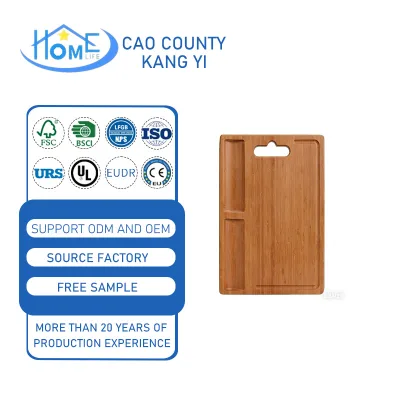


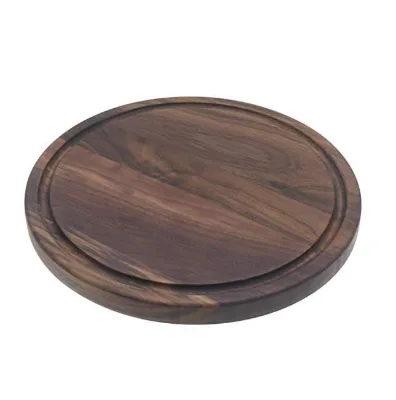

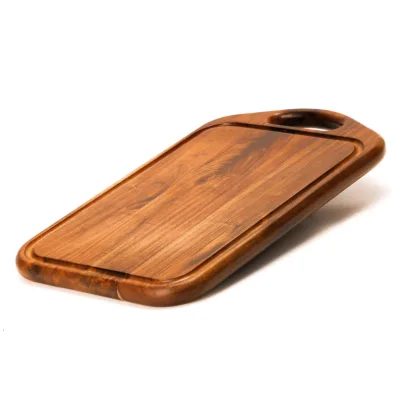
Hot Sale Walnut Wood Rectangle Cutting Board with Handle and Juice Groove
$10.00 - $12.00
MOQ: 500 Pieces


Wood Cutting Boards for Kitchen, Juice Well & Deep Grooves, Cheese Board
$14.20 - $15.30
MOQ: 500 Pieces

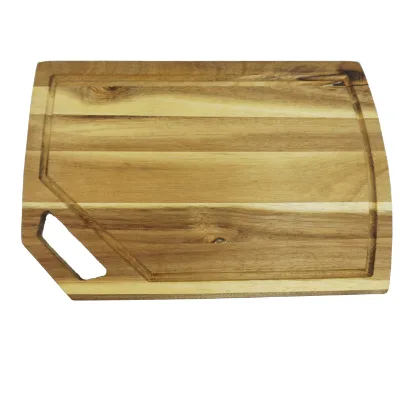
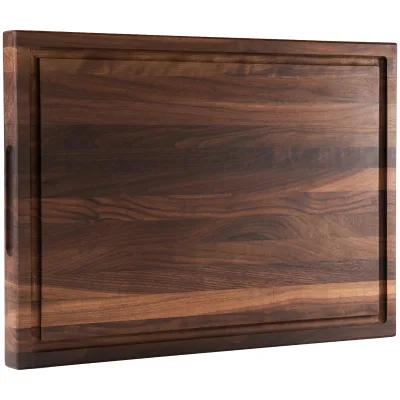

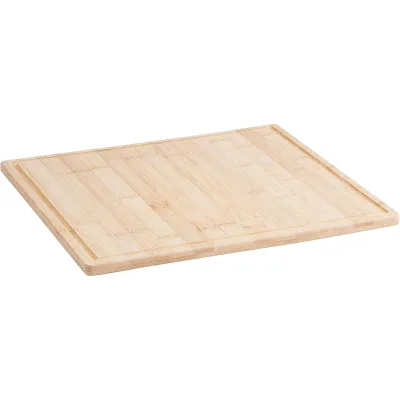
Bamboo Chopping Board for Kitchen Fruit Cutting Board with Juice Groove
$2.00 - $5.00
MOQ: 1000 Pieces



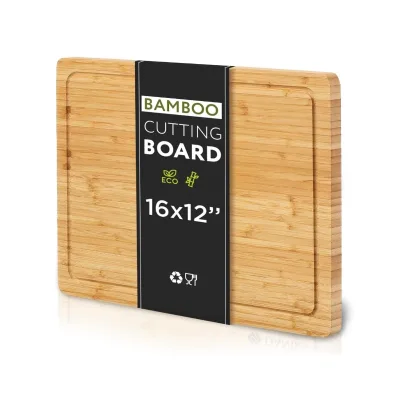

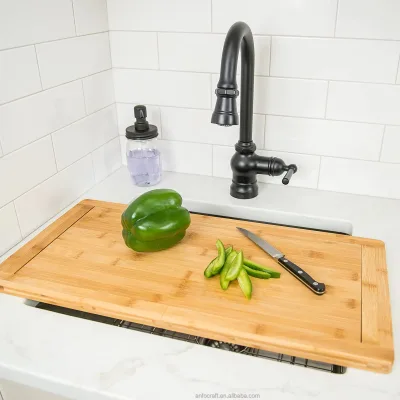
Eco Friendly Natural Bamboo Cutting Board Set with Juice Groove for Kitchen
$1.30 - $1.50
MOQ: 100 Pieces

Comprehensive Sourcing Guide
Strategic Sourcing Guide for Rectangular Sustainable Cutting Boards with Juice Grooves
The global demand for kitchenware that balances durability, sustainability, and functional design has elevated the rectangular cutting board with a juice groove to a critical category for B2B procurement. Buyers seeking this specific configuration must navigate a complex supply chain where material integrity, manufacturing precision, and compliance standards dictate the final product's viability. This guide provides a structured approach to sourcing these items, leveraging observed market data to inform decision-making without relying on unverified claims. The focus remains on the intersection of rectangular geometry, sustainable material sourcing, and the functional necessity of juice grooves for professional and retail applications.
Technical Specifications and Material Integrity
The foundation of a successful procurement strategy lies in understanding the precise technical specifications that define a high-quality rectangular cutting board. Based on observed market data, the material composition is predominantly bamboo or wood, offering a sustainable alternative to synthetic plastics. Bamboo is frequently cited for its rapid renewability and natural resistance to bacteria, while wood variants provide a traditional aesthetic and durability. The "rectangular" shape is a standard requirement, often accompanied by specific dimensions that vary by manufacturer. Observed standard sizes in the market include configurations such as 35x25x1.5 cm and 33.5x23x1.6 cm, with larger variants reaching up to 43.5x31.5x2.5 cm. These dimensions are not merely aesthetic but functional, determining the board's utility for chopping fruits, vegetables, and other food items.
A critical technical feature for this category is the juice groove. This design element is essential for containing liquids released during the cutting of high-moisture produce, preventing cross-contamination and keeping work surfaces clean. The presence of a juice groove is a specific attribute observed in products labeled as "Wood Cutting Board with Juice Groove." Furthermore, the thickness of the board is a significant indicator of quality and longevity. Market observations indicate a range from standard thicknesses of 1.5 cm to "thickening" variants that reach 2.5 cm. Thicker boards, such as those at 2.5 cm, offer superior stability and resistance to warping, making them ideal for heavy-duty commercial use in hotels and restaurants.
The surface finish also plays a pivotal role in performance. Products are often described as having a "polished" or "polihed" surface, which ensures a smooth cutting experience while maintaining the integrity of knife edges. Additionally, some specifications highlight "anti-skidding" and "anti-friction" features, which are crucial for safety in busy kitchen environments. The design may also be "double-sided," allowing for the separation of raw meats and vegetables, or "single-sided" for general use. Buyers must verify that the specific model number, such as NF-WCB-433 or BC-1021, aligns with these dimensional and functional requirements before placing an order.
Compliance, Certification, and Safety Standards
In the realm of food contact materials, compliance is non-negotiable. Procurement teams must rigorously verify that suppliers adhere to international safety standards. While specific test results vary by batch, the market data highlights that certain products carry "Fsc and FDA Approved" status. The Forest Stewardship Council (FSC) certification is particularly relevant for sustainable sourcing, ensuring that the wood or bamboo originates from responsibly managed forests. The FDA approval indicates that the materials used are safe for direct food contact, a mandatory requirement for products intended for the US market.
Buyers should not assume that all listed products possess these certifications. Instead, the procurement process must include a request for current certification documents from the supplier. The "safety" attribute is often linked to the material's natural properties, such as the "Eco-friendly Natural Healthy" advantage noted in some listings. However, natural does not automatically equate to compliant. The verification process should extend to the finishing oils or treatments used on the board, ensuring they are food-grade and free from harmful chemicals.
Furthermore, the "High Standard" quality attribute observed in the market suggests that reputable manufacturers adhere to strict internal quality control protocols. Buyers should inquire about the specific standards the supplier follows, such as ISO certifications or local food safety regulations in the country of origin, which is frequently identified as China, specifically regions like Shaowu City in Fujian Province or Shandong Province. These regions are known for their wood processing industries, but the concentration of production does not guarantee uniform quality. Verification of the "High Standard" claim requires direct engagement with the supplier's quality assurance team and review of their testing methodologies.
Cost Drivers and Pricing Dynamics
Understanding the cost structure of rectangular sustainable cutting boards is essential for budgeting and margin analysis. The observed price range in the market spans from 1 to 25 USD, a wide variance that reflects differences in material quality, thickness, branding, and order volume. Several factors drive these costs. First, the material source is a primary driver; premium bamboo or hardwoods command higher prices than standard wood composites. Second, the thickness of the board significantly impacts material usage and shipping weight. A 2.5 cm thick board will cost more and incur higher freight charges than a 1.5 cm version.
The complexity of the manufacturing process also influences cost. Features such as the juice groove, anti-skidding bases, and double-sided designs require additional machining and finishing steps. Customization is a major cost variable. The market data confirms that "Customization" and "Customized Logo" are available services. Adding a specific logo, custom packaging, or unique dimensions will increase the unit price and potentially the minimum order quantity (MOQ). The observed MOQ ranges from 3 to 3000 units, with some suppliers setting a baseline of 500 pieces for custom orders.
Packaging is another hidden cost driver. Products are often shipped with shrink wrap, color labels, inner boxes, cartons, foam, cardboard, and polybags. The level of protection required for the product during transit, especially for heavy wooden boards, affects the packaging cost. Buyers should request a detailed breakdown of packaging costs to understand the total landed cost. Additionally, the "Sustainable" nature of the product may carry a premium if the supplier invests in certified sustainable forestry or eco-friendly manufacturing processes.
Typical Applications and Market Segmentation
Rectangular cutting boards with juice grooves serve a diverse range of applications, from residential kitchens to high-volume commercial establishments. The "Usage" attributes observed in the market include "Fruits and Vegetables Chopping Board," "Hotel Restaurant Home Wedding Gift," and general "Fruits Chopping Board" duties. This versatility allows buyers to target multiple market segments with a single product line.
In the commercial sector, hotels and restaurants require boards that are durable, easy to clean, and capable of handling high-volume prep work. The "Thickening" feature and "Anti-skidding" properties are particularly valuable here, as they reduce fatigue and prevent accidents during rapid chopping. The "Double-sided" design is a significant advantage for commercial kitchens, allowing for the separation of allergens or raw and cooked foods.
For the retail and gift market, aesthetics and branding are paramount. Products described as "Modern Stylish," "High Quality," and featuring a "Natural Color" or "Warm Bamboo Color" appeal to consumers looking for kitchenware that enhances their home decor. The "Wedding Gift" application suggests that these boards are often packaged as premium items, requiring high-quality presentation and branding. The ability to add a "Customized Logo" makes these boards ideal for corporate gifting or promotional campaigns.
Supplier Evaluation and Sourcing Strategy
Evaluating suppliers for this category requires a multi-faceted approach. The "Place of Origin" is a critical factor, with Shaowu City, Fujian Province, and Shandong, China, being prominent manufacturing hubs. Buyers should verify the supplier's capacity to meet the specific "prod_model" numbers and "prod_standard" dimensions observed in the market. A supplier's ability to offer "Flexible" designs and "Customization" options indicates a mature manufacturing process capable of adapting to buyer needs.
When evaluating potential partners, buyers should look for evidence of "High Standard" quality control. This includes asking for samples to test the "Polished" surface finish, the depth and precision of the juice groove, and the stability of the board. The "Single gross weight" of 1.000 kg for certain models provides a benchmark for logistics planning. Buyers must also assess the supplier's responsiveness regarding "Lead Time" and "MOQ" flexibility. While some suppliers may offer low MOQs of 3 units, others may require 500 pieces for custom orders. Understanding these thresholds is vital for inventory management.
The "Brand Name" associated with the product, such as "Qilukangyi," can be a factor in brand alignment. However, buyers should be cautious of relying solely on brand reputation without verifying the underlying manufacturing capabilities. The "Selling Units" being listed as "Single item" suggests that the supplier is prepared to handle both bulk and individual orders, but the logistics of consolidating these orders must be managed carefully.
Quality Control and Long-Term Procurement Considerations
Ensuring consistent quality over time is a challenge in the cutting board market. The "Feature" of being "Sustainable" and "Durable" must be validated through long-term usage testing. Buyers should implement a rigorous quality control protocol that includes checking for warping, cracking, and surface wear after initial use. The "Thickness" of 2.5 cm is often a marker of durability, but it must be consistent across the entire batch.
Long-term procurement considerations also involve the supply chain's resilience. The "Origin" being China implies potential logistical complexities, including shipping times and customs regulations. Buyers should establish clear communication channels with suppliers to monitor production status and address any deviations from the agreed "prod_standard." The "packaging" method, which may include foam and polybags, must be sufficient to protect the boards during long-distance transit.
Furthermore, the "Function" of the board, including "Antibacterial" properties, should be verified periodically. While natural bamboo and wood have inherent antibacterial qualities, the effectiveness can vary based on the treatment and maintenance. Buyers should request documentation on the antibacterial testing methods used by the supplier. Finally, the "Customization" aspect requires a clear agreement on design files and approval processes to ensure that the final product matches the buyer's expectations. By maintaining a proactive approach to quality control and supplier relationship management, buyers can secure a reliable supply of high-quality rectangular sustainable cutting boards with juice grooves.
Comparative Analysis of Product Attributes
To facilitate decision-making, the following table summarizes key attributes observed in the market for rectangular sustainable cutting boards with juice grooves. This comparison helps buyers identify products that align with their specific technical and commercial requirements.
| Attribute Category | Observed Specification A | Observed Specification B | Observation C |
|---|---|---|---|
| Material | Bamboo | Wood | Natural Color / Warm Bamboo Color |
| Dimensions | 35x25x1.5 cm | 33.5x23x1.6 cm | 43.5x31.5x2.5 cm (Customizable) |
| Thickness | 1.5 cm | 1.6 cm | 2.5 cm (Thickening) |
| Design | Double-sided | Single | Flexible / Modern Stylish |
| Key Features | Juice Groove | Anti-skidding | Antibacterial / Anti-friction |
| Certification | Fsc and FDA Approved | High Standard | Eco-friendly Natural Healthy |
| MOQ | 500 Pcs | 3 - 3000 | Customizable based on order |
| Origin | Shaowu City, Fujian | Shandong, China | China |
| Packaging | Shrink / Color Label | Foam, Cardboard, Polybag | Single Piece Package |
This table illustrates the variability in the market. Buyers must select the specific combination of attributes that best fits their operational needs, whether that be the heavy-duty 2.5 cm thickness for commercial kitchens or the customizable dimensions for retail gift sets. The presence of "Fsc and FDA Approved" status in some listings serves as a benchmark for safety, while the "Customizable" nature of dimensions and logos offers flexibility for branding strategies. By carefully analyzing these attributes, procurement teams can make informed decisions that balance cost, quality, and functionality.
FAQs
What materials are used for rectangular sustainable cutting boards?
These boards are primarily made from bamboo or wood, offering a sustainable alternative to synthetic plastics. Bamboo is favored for its rapid renewability and natural resistance to bacteria, while wood variants provide traditional durability and aesthetic appeal for various kitchen applications.
How thick should a durable rectangular cutting board be?
Market observations indicate thickness ranges from 1.5 cm to thickening variants reaching 2.5 cm. Thicker boards, such as those at 2.5 cm, offer superior stability and resistance to warping, making them ideal for heavy-duty commercial use in hotels and restaurants.
Which certifications ensure safety for food contact materials?
Certain products carry FSC and FDA Approved status to ensure compliance with international safety standards. The FSC certification verifies sustainable sourcing from responsibly managed forests, while FDA approval confirms the materials are safe for direct food contact in the US market.
Can buyers request customized logos and packaging for these boards?
Yes, customization is available including customized logos and specific packaging options like shrink wrap or inner boxes. Adding a specific logo or custom dimensions will increase the unit price and may require a higher minimum order quantity depending on the supplier.
What is the typical price range for these cutting boards?
The observed price range in the market spans from 1 to 25 USD, reflecting differences in material quality and thickness. Factors like premium bamboo, 2.5 cm thickness, and custom branding significantly influence the final cost and shipping weight for buyers.
Where are these cutting boards typically manufactured?
Production is frequently identified as originating from China, specifically regions like Shaowu City in Fujian Province or Shandong Province. These areas are known for their wood processing industries, though buyers must verify quality standards as production concentration does not guarantee uniform quality.
How do juice grooves improve cutting board functionality?
Juice grooves are essential for containing liquids released during the cutting of high-moisture produce, preventing cross-contamination. This design element keeps work surfaces clean and is a specific attribute observed in products labeled as wood cutting boards with juice grooves.