Source Recyclable Acid Resistant Plastic Drum for chemical, paint, and oil
Find 30 options for the Recyclable Acid Resistant Plastic Drum suitable for gasoline, water, and milk storage. Compare specifications like 10L to 200L capacity, ISO certifications, and delivery times from Chinese manufacturers.
Key considerations
Products List


Comprehensive Sourcing Guide
Sourcing Guide for Recyclable Acid Resistant Plastic Drums
Understanding Product Specifications and Material Integrity
When sourcing a recyclable acid-resistant plastic drum, the primary objective is to identify containers that maintain structural integrity while resisting chemical degradation. The core product category is identified as a plastic packaging barrel, specifically classified under the type of bucket or barrel depending on the specific design. The material composition is explicitly plastic, which allows for the application of injection molding techniques to ensure uniform wall thickness and consistent performance. A critical technical attribute for this specific application is the sealing performance, which must be airtight to prevent leakage of hazardous or volatile substances.
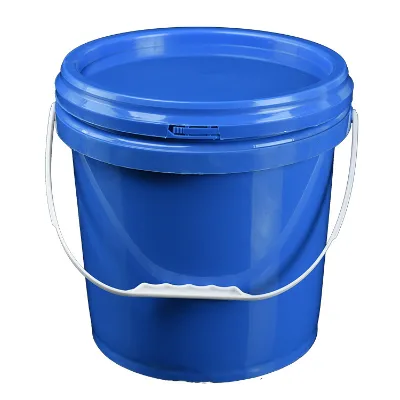
The physical dimensions of these drums vary significantly based on the intended volume and shape. Observed specifications include models ranging from small 10L units to large 200L capacity barrels. Specific dimensional data points observed in the market include a specification of 600mm by 970mm, 580mm by 920mm, and 595mm by 910mm, indicating a variety of cylindrical and square profiles. The shape can be either square or round, with square options offering specific advantages for space-efficient storage. The mouth of the bucket is typically an open mouth design, facilitating easy filling and emptying of viscous or granular materials.
Temperature resistance is a vital technical parameter for acid-resistant applications. The operational temperature range for these plastic drums is observed to be between -20ºC and 120ºC. This range ensures that the drum can withstand the thermal stress associated with certain chemical processes or storage environments without becoming brittle or deforming. Furthermore, the product features durability and eco-friendly characteristics, with a specific advantage of being BPA Free and food safe, which is essential for applications involving edible products or sensitive chemicals. The possibility of using Post-Consumer Recycled (PCR) material is confirmed as "Yes," aligning with sustainability goals for recyclable acid-resistant plastic drums.
Compliance and Certification Verification
Verifying compliance is the most critical step in the procurement of chemical packaging. Buyers must ensure that the supplier can provide valid documentation for the specific certifications required for their industry. The observed certification landscape for these products includes ISO, RoHS, and TS16949. Additionally, a broader set of certificates is often available, including FDA, ISO 9001, ISO 22000, SGS, BSCI, Grs, and RoHS. These certifications indicate adherence to international quality management systems, environmental standards, and safety protocols.
For acid-resistant applications, the material safety data sheet (MSDS) and chemical resistance profiles are paramount. While specific test results are not provided in the general product list, the presence of FDA and ISO 22000 certifications suggests that the manufacturer adheres to strict food safety and quality management standards, which often correlate with chemical resistance capabilities. The "Grs" (Global Recycled Standard) certification is particularly relevant for buyers seeking recyclable products, as it verifies the recycled content claim.
Buyers should verify that the specific drum model they intend to purchase carries the relevant certification for the chemical it will contain. For instance, if the drum is used for peracetic acid or hydrogen peroxide, the manufacturer must demonstrate that the plastic formulation resists oxidation and degradation. The "Food Safe" attribute and "BPA Free" claim are significant indicators of material purity, reducing the risk of chemical leaching into the product. It is essential to request current, non-expired certificates from the supplier and cross-reference them with the specific product model number, such as the 200L or 10L variants, to ensure the certification covers the specific production batch.
Cost Drivers and Pricing Dynamics
The pricing of recyclable acid-resistant plastic drums is influenced by several factors, including material costs, production volume, and customization requirements. The observed price range in the market is extensive, spanning from 0.1 to 10,000 USD. This wide variance is likely due to the difference between small 10L containers and large 200L industrial drums, as well as the inclusion of specialized features like custom printing or specific chemical-resistant additives.
Minimum Order Quantity (MOQ) is another significant cost driver. The observed MOQ range is between 1 and 5000 units. For buyers requiring large volumes, negotiating a lower unit price is feasible, as the production capacity of suppliers can reach up to 10,000,000 units. The production capacity of 50,000 pieces per month for specific models also indicates that high-volume orders can be fulfilled efficiently, potentially reducing per-unit logistics costs.
Customization is a key factor in pricing. The product attribute "Customization: Available" suggests that buyers can request specific colors, printing, or dimensional adjustments. These customizations often incur additional tooling or setup costs. The standard packing method is usually a container, but alternative options like "Wong Bag" or "Standard Packing" may affect the final price. Payment terms typically require a 50% deposit, which is a standard practice in B2B manufacturing but impacts the buyer's cash flow planning.
Typical Applications and Usage Scenarios
The versatility of these plastic drums allows them to serve a wide array of industries. The primary function is identified as dye packaging barrels, sealing packing barrels, and color printing packing barrels. Specific chemical applications include peracetic acid and hydrogen peroxide packing barrels, lubricating oil packaging barrels, and tons of packaging barrels. The usage list further expands to include beer, gasoline, milk, paint, water, and general chemical storage.
The "Acid Resistant" nature of the drum makes it particularly suitable for the chemical and industrial sectors. For example, the resistance to peracetic acid and hydrogen peroxide is critical for the pharmaceutical and cleaning product industries. The "Food Safe" and "BPA Free" attributes make these drums ideal for the food and beverage sector, specifically for packaging milk, beer, and edible oils. The "Lubricating Oil Packaging Barrels" function indicates suitability for the automotive and machinery maintenance industries.
The "Square" shape option is particularly advantageous for the storage of paints and chemicals where space optimization in warehouses is required. The "Open Mouth" design facilitates the handling of viscous substances like lubricating oils and dyes. The temperature range of -20ºC to 120ºC ensures that these drums can be used in both cold storage environments and processes involving heated liquids. The "Eco-Friendly" feature and "PCR Possible" attribute make these drums a preferred choice for companies aiming to reduce their carbon footprint in their supply chain.
Supplier Evaluation and Production Capacity
Evaluating a supplier for recyclable acid-resistant plastic drums requires a deep dive into their production capabilities and geographic reach. The product origin is consistently listed as China, with specific regions such as Anhui, China, identified as production hubs. The global availability of these products suggests that suppliers have established logistics networks to serve international markets.
The production capacity is a strong indicator of a supplier's reliability. With a capacity of 10,000,000 units and a monthly output of 50,000 pieces for specific models, suppliers demonstrate the ability to handle large-scale orders. However, buyers must verify that the specific model they need (e.g., 5L-30L or 200L) is within the supplier's current production line capabilities. The delivery time is observed to be between 7-10 days and 10-15 days, depending on the order specifics. This variation suggests that lead times can fluctuate based on order volume and customization requirements.
Buyers should also assess the supplier's commitment to quality through their certification portfolio. The presence of ISO 9001, ISO 22000, and SGS certifications indicates a structured approach to quality control. The availability of free samples is a significant advantage for buyers, allowing them to physically test the acid resistance and sealing performance before committing to a large order. The "Customization: Available" attribute implies that the supplier has the flexibility to adapt to specific buyer needs, which is crucial for specialized industrial applications.
Quality Control and Long-Term Procurement Strategy
Ensuring consistent quality in recyclable acid-resistant plastic drums requires a robust quality control strategy. The "Sealing Performance: Airtight" attribute is a critical quality metric that must be verified for every batch. Buyers should implement a sampling plan to test the sealing integrity, especially for drums intended for volatile or hazardous chemicals. The "Durable" feature suggests that the plastic formulation is designed to withstand repeated handling and stacking, but visual inspections for cracks or deformities are necessary upon delivery.
Long-term procurement considerations should focus on the sustainability of the supply chain. The "PCR Possible" and "Eco-Friendly" attributes indicate that these drums can contribute to a circular economy. Buyers should inquire about the specific percentage of recycled content in the plastic and request documentation to support these claims. The "GrS" certification is a valuable tool for verifying the recycled content.
Standardization is another key consideration. The product standard is listed as 200L, 10L, and 5L 10L 20L 25L 30L. Maintaining a consistent standard across orders ensures compatibility with existing filling and storage equipment. The "Model Number" variations, such as DMT or specific volume ranges, should be clearly defined in purchase orders to avoid confusion.
Finally, buyers should establish a clear communication channel with the supplier regarding any changes in material composition or production processes. The "Customization: Available" feature means that changes can be made, but these must be documented and approved to ensure that the acid-resistant properties are not compromised. By focusing on these quality control measures and long-term strategic factors, buyers can secure a reliable supply of high-performance, recyclable acid-resistant plastic drums.
Summary of Key Technical and Commercial Parameters
| Parameter Category | Observed Attributes | Verification Requirement |
|---|---|---|
| Material & Shape | Plastic, Square/Round, Injection Molding | Confirm chemical resistance to specific acids |
| Volume & Model | 10L, 200L, 5L-30L, DMT | Match model number to filling equipment |
| Temperature Range | -20ºC ~ 120ºC | Verify thermal stability for storage conditions |
| Certifications | ISO, RoHS, FDA, SGS, Grs, BSCI | Request current certificates for specific batch |
| Sealing & Safety | Airtight, BPA Free, Food Safe | Test seal integrity and leaching potential |
| Logistics | 7-15 Days Delivery, Container/Wong Bag | Confirm lead time and packing method |
| Sustainability | PCR Possible, Eco-Friendly, Grs | Verify recycled content percentage |
This guide provides a structured approach to sourcing recyclable acid-resistant plastic drums, emphasizing the importance of verifying technical specifications, certifications, and supplier capabilities. By adhering to these guidelines, buyers can mitigate risks and ensure the procurement of high-quality packaging solutions that meet their specific industrial and environmental requirements.
FAQs
What certifications are available for these plastic drums?
Available certifications include ISO, RoHS, TS16949, FDA, ISO 9001, ISO 22000, SGS, BSCI, Grs, and RoHS. These documents verify adherence to international quality, safety, and environmental standards required for chemical and food-grade storage applications.
How large is the production capacity for these barrels?
Production capacity reaches up to 10,000,000 units overall, with specific models capable of 50,000 pieces per month. This high volume ensures suppliers can fulfill large industrial orders efficiently while maintaining consistent quality standards.
Can I get a free sample to test sealing performance?
Yes, free samples are available for testing sealing performance and material durability before placing a bulk order. This allows buyers to verify airtight properties and chemical resistance for specific applications like peracetic acid or lubricating oil.
What is the typical delivery time for orders?
Typical delivery times range from 7 to 15 days depending on order volume and customization requirements. Buyers should confirm specific lead times based on their chosen model, such as the 200L or 10L variants, to ensure timely supply.
Which materials are used to make these acid-resistant drums?
These drums are manufactured using plastic via injection molding, with options for Post-Consumer Recycled material. The material is BPA Free, food safe, and designed to withstand temperatures between -20ºC and 120ºC for safe chemical storage.
What customization options exist for color and printing?
Customization is available for colors, printing, and specific dimensions to meet unique branding or functional needs. Buyers can request specific shapes like square profiles or custom volumes ranging from 5L to 30L to optimize warehouse space.