Source Cosmetic Nail Powder Dispenser for Creams, Lotions, and Toners
Explore 30 Cosmetic Nail Powder Dispenser options including pump sprayers and screw sprayers for cosmetics. Compare models like SH-701 and KK-N704 with varying nozzle standards and capacities to find the right fit for your packaging needs.
Key considerations
Products List


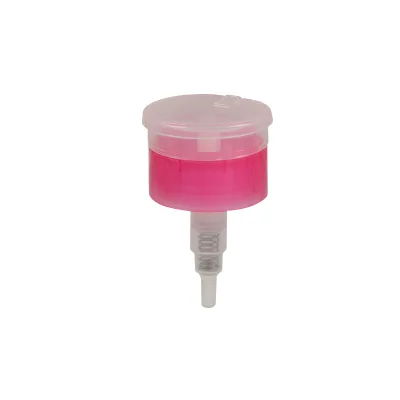
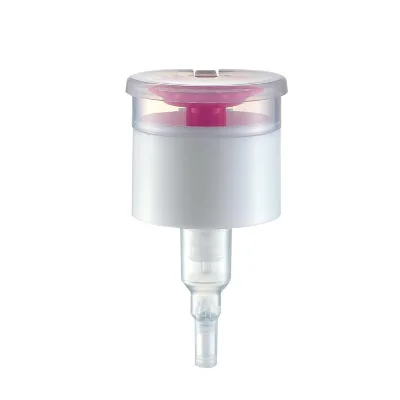
Plastic Nail Polish Pump, Makeup Remove Pump Dispenser for Cosmetic Bottles
$0.10 - $0.20
MOQ: 50000 Pieces


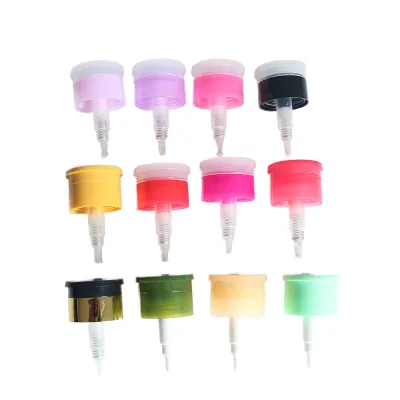
Beauty Care Nail Plastic Colorful Nail Polish Pump Dispenser Remove Pump
$0.13 - $0.15
MOQ: 10000 Pieces




Comprehensive Sourcing Guide
Strategic Sourcing Guide for Cosmetic Nail Powder Dispensers
The global market for cosmetic packaging has seen a significant shift toward specialized dispensing solutions that ensure product integrity while enhancing user experience. For buyers researching cosmetic nail powder dispensers, the procurement landscape is defined by a diverse array of plastic-based sprayers and closures designed for specific application needs. Unlike traditional liquid sprayers, dispensers for nail powders and similar fine particulate cosmetics require precise engineering to manage flow rates, prevent clogging, and maintain hygiene. This guide synthesizes available product attributes, technical specifications, and compliance requirements to provide a robust framework for sourcing these critical components.
Understanding Technical Specifications and Material Composition
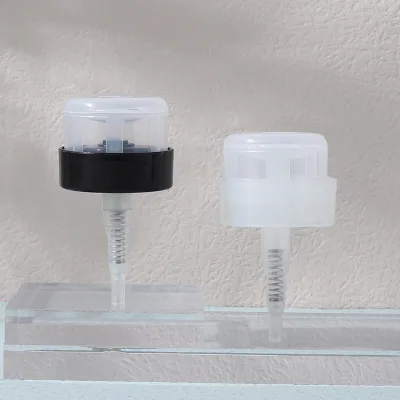
The foundation of a reliable Cosmetic Nail Powder Dispenser lies in its material composition and mechanical design. The supplied product data indicates that the primary material for these dispensers is plastic, specifically Polypropylene (PP). PP is a preferred choice in the cosmetics industry due to its chemical resistance, durability, and ability to be molded into complex shapes without compromising structural integrity. The observed product attributes highlight that these dispensers are available in various shapes, including round bottles, sector shapes, and hollow cones, allowing for customization based on the specific aesthetic and functional requirements of the nail powder product.
A critical technical differentiator for these units is the nozzle and actuator design. The data reveals specific models such as SH-701-3, SH-701-1, and the KK-N704 series, each featuring distinct mechanical properties. For instance, certain models are noted to contain "2 Spring Inside," a feature that likely ensures consistent spray pressure and prevents leakage, which is vital for fine powders that can settle or clump. The dosage capabilities are also a key specification, with some units offering a precise 0.5cc dosage, ensuring that the user receives the correct amount of product with each actuation.
Furthermore, the threading standards are essential for compatibility with various bottle necks. The observed product standards include 33/410, 28/410, and 24/410 threads. These alphanumeric codes refer to the diameter of the bottle opening and the thread pitch, respectively. A buyer must verify that the selected dispenser matches the specific thread standard of their bottle to ensure a secure seal. The closure types are described as "smooth," which contributes to a premium feel and ensures a tight fit that prevents powder from escaping during transport.
Compliance, Certification, and Regulatory Standards
In the cosmetics sector, regulatory compliance is not merely a formality but a prerequisite for market access. The product data explicitly lists ISO certification as a standard attribute for several suppliers. While the specific ISO standard number is not universally fixed in the provided text, the presence of ISO certification suggests adherence to quality management systems. Buyers should verify if the specific supplier holds ISO 9001, which focuses on quality management, or ISO 14001, which addresses environmental management, as these are common benchmarks in the industry.
Additionally, the product attributes mention "SGS" as a standard for certain models. SGS is a globally recognized inspection, verification, testing, and certification company. When a product is listed with SGS standards, it implies that the item has undergone rigorous testing for safety and quality. For cosmetic applications, this often involves testing for heavy metals, chemical leaching, and overall material safety. Buyers must request the specific test reports associated with the SGS certification to ensure the dispenser meets the safety regulations of their target market, such as the FDA in the United States or the EU Cosmetics Regulation.
The "Recyclable" and "Degradable" features noted in the product attributes are increasingly important for sustainability compliance. As global regulations tighten regarding single-use plastics, sourcing dispensers that are recyclable or biodegradable can help brands meet their corporate social responsibility (CSR) goals and comply with emerging environmental laws. However, buyers should verify the specific recycling codes and degradation conditions, as "degradable" can sometimes refer to industrial composting rather than home composting.
Cost Drivers and Economic Considerations
The economic landscape for sourcing cosmetic nail powder dispensers is influenced by several factors, including material costs, order volume, and customization requirements. The observed price range for these products is between 0 and 0.35 USD per unit. This low unit cost is typical for high-volume plastic injection-molded components. However, the final landed cost will depend heavily on the Minimum Order Quantity (MOQ). The data shows a wide MOQ range, from 10 units to 50,000 units.
For new brands or those testing a new product line, the lower end of the MOQ spectrum (10-1000 units) allows for market entry with reduced financial risk. Conversely, established brands seeking to maximize profit margins will likely aim for the higher MOQs, such as 10,000 units or more, to benefit from economies of scale. The data indicates a specific MOQ of 10,000 PCS for certain models, which suggests that high-volume orders are the norm for standard configurations.
Customization is a significant cost driver. The product attributes confirm that customization is available, including custom logos and colors. While the base price may be low, adding custom tooling for unique shapes or colors will increase the unit cost and potentially the lead time. Buyers should also consider the packing specifications, which vary from 400 to 500 pieces per carton. Efficient packing reduces shipping costs, but custom packing requirements can add to the overall expense.
Typical Applications and Functional Versatility
Cosmetic nail powder dispensers are designed for a variety of applications beyond just nail powders. The product data lists "Cosmetics" as the primary usage, but the specific features suggest broader utility. The "Full Cone" spraying shape and "Screw Sprayer" type indicate that these dispensers are suitable for liquid-based cosmetic products as well, such as perfumes or toners, as noted in the "Liquid Contained" attribute. The "Volume" attribute specifies capacities under 30ml, making these units ideal for travel-sized products, sample kits, or high-end concentrated cosmetic formulations.
The "Screen Printing" technique mentioned in the product attributes allows for high-quality branding directly on the dispenser. This is particularly useful for nail polish removers, cuticle oils, or setting sprays where brand visibility is crucial. The "Hollow Cone" and "Sector" shapes offer unique dispensing patterns that can be advantageous for targeted application, such as applying powder to specific areas of the nail or skin.
The versatility of these dispensers is further enhanced by their compatibility with different bottle standards. Whether a brand uses a 28/410 or 33/410 bottle, there are corresponding dispenser models available. This modularity allows brands to switch packaging suppliers without redesigning their entire dispensing system, provided the thread standards remain consistent.
Supplier Evaluation and Selection Criteria
Selecting the right supplier is critical for ensuring product quality and supply chain reliability. The product data indicates that suppliers are located in China, with specific mentions of Zhejiang and Yuyao. These regions are known for their manufacturing hubs in plastic packaging. When evaluating suppliers, buyers should look for those who explicitly state "OEM/OEM: Acceptable," indicating their willingness to work with original equipment manufacturers to create custom solutions.
The availability of free samples is a strong indicator of supplier confidence. The data confirms that samples are available for free, allowing buyers to physically test the dispensers for functionality, spray pattern, and build quality before committing to a large order. Buyers should utilize these samples to test the "2 Spring Inside" mechanism to ensure it provides the necessary pressure for their specific product viscosity.
Lead time is another crucial factor in supplier evaluation. The observed lead times range from 15 to 25 days, with some specific models citing a 20-day lead time. This relatively short turnaround is advantageous for brands with tight product launch schedules. However, buyers should confirm if these lead times include tooling time for custom molds or if they apply only to standard stock items.
Quality Control and Inspection Protocols
Implementing a robust quality control (QC) protocol is essential to mitigate the risks associated with bulk manufacturing. Given that the dispensers are made of plastic and involve mechanical components like springs, QC should focus on both material integrity and mechanical function. Buyers should verify that the "Recyclable" and "Degradable" claims are backed by third-party testing, as these claims can be subject to regulatory scrutiny.
The "Smooth" closure attribute suggests a focus on the tactile experience and sealing capability. QC inspections should include drop tests to ensure the dispenser does not leak or break under normal shipping conditions. Additionally, the "0.5cc" dosage specification requires precise calibration. Buyers should request batch testing reports that confirm the consistency of the dosage across the production run.
For products destined for the cosmetics market, the "SGS" certification mentioned in the data serves as a baseline for quality. However, buyers should not rely solely on this. They should conduct their own incoming quality control (IQC) checks, focusing on the thread fit, the spray pattern, and the overall aesthetic finish. Any defects in the "Screen Printing" or logo application should be addressed immediately, as cosmetic packaging is a key part of the brand's visual identity.
Long-Term Procurement and Supply Chain Resilience
Sourcing cosmetic nail powder dispensers is not a one-time transaction but part of a long-term supply chain strategy. The "Customized" attribute and the availability of various models (SH-701, KK-N704, EF-N1, etc.) suggest that suppliers are capable of scaling with the buyer's growth. As the brand expands, the ability to increase order volumes from 10,000 to 50,000 units without compromising quality or lead time is a key consideration.
Buyers should also consider the environmental impact of their packaging choices. With the "Recyclable" and "Degradable" features, there is an opportunity to align packaging with sustainability goals. However, buyers must ensure that the suppliers can maintain these attributes as production scales and as raw material costs fluctuate.
Finally, the "Lead-Time" of 15-25 days provides a window for inventory management. Buyers should build a buffer into their inventory planning to account for potential delays, especially during peak seasons or when custom tooling is required. Establishing a long-term partnership with a supplier who offers free samples, accepts OEM orders, and maintains consistent lead times will ensure a stable supply of high-quality cosmetic nail powder dispensers. By focusing on these strategic elements, buyers can secure a competitive advantage in the cosmetics market while maintaining product integrity and brand reputation.
FAQs
What materials are used for cosmetic nail powder dispensers?
These dispensers are primarily made of plastic, specifically Polypropylene (PP). PP is chosen for its chemical resistance and durability, ensuring the product remains intact during transport and use.
Which thread standards are compatible with these sprayers?
The products support 33/410, 28/410, and 24/410 thread standards. Buyers must verify their bottle necks match these specific dimensions to ensure a secure seal and proper fit.
Can buyers obtain free samples before placing a large order?
Yes, free samples are available for most models to test functionality. This allows buyers to verify the spray pattern and mechanical features like the internal springs before committing to bulk purchases.
What is the typical lead time for manufacturing these dispensers?
The standard lead time ranges from 15 to 25 days depending on the model. Some specific configurations may require exactly 20 days for production and packaging before shipment.
How does the minimum order quantity affect pricing for these units?
MOQs vary widely from 10 to 50,000 units, influencing the final unit cost. Higher volumes like 10,000 pieces often yield better pricing due to economies of scale in plastic injection molding.
Are these dispensers certified for safety and quality compliance?
Yes, many models carry ISO certification and SGS standards for safety. Buyers should request specific test reports to confirm compliance with regulations regarding heavy metals and material safety.