Source Recyclable Cosmetic Cardboard Tube for Cosmetics, Food, Medicine
Compare 30 listings of Recyclable Cosmetic Cardboard Tube options from verified Chinese manufacturers. Buyers can evaluate paper types, sizes, and customization features for cosmetic, food, and medicine applications.
Key considerations
Products List
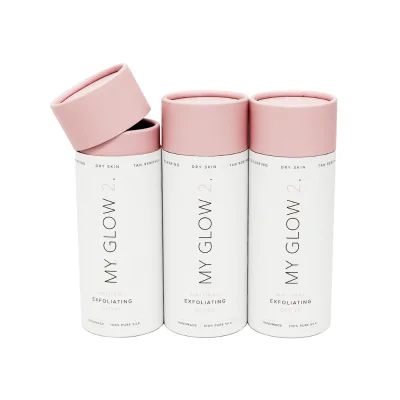

Custom Recyclable Cosmetics Paper Tube Cardboard Paper Tube for Cosmetic Packaging
$0.20 - $0.50
MOQ: 1000 Pieces


Recyclable Lip Balm Cosmetic Tubes Cardboard Round Deodorant Stick Paper Tube
$0.13 - $0.27
MOQ: 100 Pieces


Custom Made Small Paper Cardboard Tube for Cosmetic Packaging Lip Stick Tubes
$0.17 - $0.42
MOQ: 100 Pieces


Eco Friendly Packaging Biodegradable Cardboard Kraft Lip Balm Paper Tube
$0.58 - $0.98
MOQ: 1000 Pieces

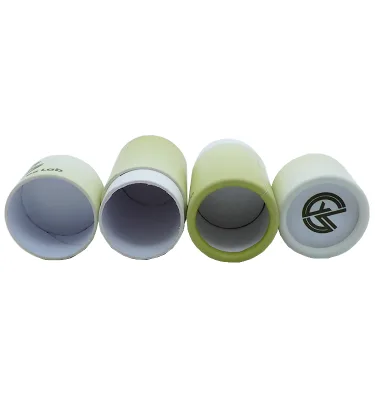


Custom Printed Paper Tubes Cosmetic Personal Care Product Packaging Tubes
$0.21 - $0.47
MOQ: 500 Pieces






Comprehensive Sourcing Guide
Strategic Sourcing Guide for Recyclable Cosmetic Cardboard Tubes
Understanding the Product Category and Core Specifications
The market for recyclable cosmetic cardboard tubes has evolved into a critical segment for brands seeking sustainable packaging solutions that do not compromise on structural integrity or aesthetic appeal. These products are primarily constructed from paper-based materials, specifically utilizing craft paper as a foundational element to ensure strength while maintaining an eco-friendly profile. The core product is defined as an eco-friendly cardboard paper cosmetic tube, designed to serve as a primary or secondary packaging vessel for a diverse range of personal care and industrial goods.
When evaluating technical specifications, buyers must look beyond the generic description of "cardboard tube" to understand the precise dimensional and material constraints. The standard industrial application for these tubes often involves specific dimensions, such as an internal diameter (ID) ranging between 57mm and 59mm with a length of approximately 175mm, though customization is a standard feature in this category. The material composition is strictly paper-based, often incorporating recycled materials to meet the "recyclable" and "biodegradable" attributes that define the category. This distinguishes them from plastic alternatives, offering a solution that aligns with modern environmental regulations and consumer preferences for sustainable goods.
The manufacturing process for these tubes typically involves offset printing for surface handling, allowing for high-quality branding and detailed graphics. The printing handling often includes stamping techniques to add texture or specific visual effects. The structural design frequently includes an insert, which can be made of EVA, cardboard, or foam, to secure the product within the tube and prevent movement during transit. This internal component is crucial for maintaining the presentation of the cosmetic item, whether it is a cream, a solid stick, or a liquid product in a pump configuration.
Compliance, Certification, and Environmental Standards
In the realm of sustainable packaging, certification serves as the primary verification tool for buyers to ensure that a supplier's claims regarding recyclability and environmental impact are legitimate. The supply chain for cosmetic cardboard tubes is heavily scrutinized for adherence to international standards. The most prominent certifications observed in this sector include FSC (Forest Stewardship Council) and ISO standards. The FSC certification is particularly vital as it verifies that the paper used originates from responsibly managed forests, a key requirement for brands marketing "eco-friendly" products.
Beyond FSC, ISO certifications are frequently cited, with ISO 9001 being a common benchmark for quality management systems. While specific versions like ISO 9001:2015 are often referenced in broader industry knowledge, buyers should verify the current validity of these certifications with the supplier. Some suppliers may also hold CE certification, which indicates conformity with health, safety, and environmental protection standards for products sold within the European Economic Area. It is essential to note that certification status is not universal across all listed products; therefore, buyers must explicitly request proof of certification for the specific batch or model they intend to purchase.
The "recyclable" and "biodegradable" attributes of these tubes are not merely marketing terms but are tied to the material composition. The use of recycled materials and the absence of non-recyclable laminates or heavy metal inks are critical factors. Buyers should verify that the "recyclable" claim is supported by the specific paper type used, such as craft paper, and that the adhesive or coating processes do not hinder the recycling stream. The "disposable" nature of the product also implies a single-use lifecycle, which must be managed through proper waste disposal channels to realize the environmental benefits.
Cost Drivers and Economic Factors in Procurement
The pricing structure for recyclable cosmetic cardboard tubes is influenced by several dynamic factors, including material costs, order volume, and customization requirements. The observed price range in the market varies significantly, typically falling between $0.06 and $2.35 per unit. This wide disparity is not indicative of quality differences alone but is heavily driven by the complexity of the design, the quantity ordered, and the specific finishing techniques applied.
The Minimum Order Quantity (MOQ) is a primary cost driver, with ranges typically observed between 100 and 10,000 units. Suppliers often offer tiered pricing structures where the unit cost decreases as the order volume increases. For small businesses or startups, the lower end of the MOQ spectrum (around 100 pieces) allows for market testing with reduced financial risk, albeit at a higher per-unit cost. Conversely, large-scale manufacturers can leverage the higher volume tiers to achieve significant economies of scale.
Customization is another major factor affecting cost. While the base product may be standardized, features such as custom logos, specific color profiles, and unique dimensions (e.g., the ID 57-59mm range) add to the production complexity. The requirement for specific artwork formats, such as PDF, AI, or Corel Draw, necessitates a more involved pre-press process. Additionally, the inclusion of accessories like ribbons or strings, and the choice of inserts (EVA, cardboard, or foam), will incrementally increase the final price. Buyers must balance the desire for premium customization with the budgetary constraints imposed by these variable costs.
Typical Applications and Usage Scenarios
The versatility of recyclable cosmetic cardboard tubes makes them suitable for a broad spectrum of applications beyond traditional cosmetics. The primary usage category is, of course, cosmetics, where the tubes provide an elegant and sustainable container for creams, lotions, and balms. However, the material properties also make them ideal for the food industry, where they can be used for packaging edible products that require a barrier against moisture and light.
The application extends further into the pharmaceutical and medical sectors, where these tubes can house ointments, gels, and other topical medicines. The "Food" and "Medicine" usage tags indicate that the paper material must meet specific hygiene and safety standards, which are often validated through the aforementioned ISO and FSC certifications. Furthermore, the tubes are utilized for toothpaste, chemical products, and even gift packaging, demonstrating their adaptability to various product viscosities and chemical compositions.
The ability to customize the tube's appearance allows brands to tailor the packaging to their specific identity. Whether for a high-end cosmetic line or a natural food product, the tube serves as a canvas for branding. The "High Grade" classification often associated with these products suggests that they are suitable for premium markets where packaging quality is as important as the product itself. The inclusion of features like custom logos and specific color schemes enables differentiation in a crowded marketplace.
Supplier Evaluation and Quality Assurance
Selecting the right supplier is critical for ensuring the reliability of the supply chain and the consistency of the product quality. Buyers should prioritize suppliers who demonstrate a clear commitment to customization and service. The "OEM" (Original Equipment Manufacturer) nature of many suppliers indicates their ability to produce goods under the buyer's brand name, offering flexibility in design and branding. A key indicator of a reliable supplier is their willingness to accept samples, with a typical sample time of around 3 days, allowing buyers to verify quality before committing to a large order.
When evaluating suppliers, buyers should look for evidence of robust quality control processes. This includes checking for the presence of specific certifications like FSC, ISO, and CE, which serve as third-party validations of the supplier's operational standards. The origin of the product is also a factor; while many suppliers are located in China, specifically in regions like Zhejiang and Guangzhou, the specific location can influence logistics and lead times. Buyers should verify the "place of origin" to ensure it aligns with their shipping and sourcing strategies.
The service level provided by the supplier is another crucial metric. Suppliers offering 24-hour online support demonstrate a commitment to responsiveness and problem resolution. This is particularly important when dealing with custom orders where technical issues may arise during the design or production phase. The ability to handle custom orders, including specific packing requirements like standard cartons or export cartons, is a testament to the supplier's operational flexibility.
Long-Term Procurement and Sustainability Considerations
For long-term procurement strategies, buyers must consider the scalability and sustainability of the packaging solution. The "recyclable" and "biodegradable" attributes of the tubes are not static; they require a consistent supply chain that adheres to environmental standards. As regulations on single-use plastics tighten globally, the demand for paper-based alternatives is expected to grow, making early adoption a strategic advantage.
Buyers should also consider the packaging and logistics aspects of the procurement process. The standard packing methods, such as standard carton packing or export cartons, are designed to protect the tubes during transit. However, for specialized orders, customized packaging may be required to meet specific logistical needs. The "Standard Carton Packing" ensures that the tubes are protected from damage, while "Export Carton" options may offer enhanced protection for international shipping.
Finally, the customization capabilities of the supplier play a significant role in long-term success. The ability to adjust the size, color, and design of the tubes allows brands to adapt to changing market trends and consumer preferences. The acceptance of various artwork formats ensures that the transition from design to production is seamless. By maintaining a relationship with a supplier that offers high-grade customization and adheres to strict environmental standards, buyers can secure a sustainable and competitive packaging solution for their cosmetic and related products.
FAQs
What certifications do recyclable cosmetic cardboard tubes typically have?
These tubes often carry FSC and ISO certifications to verify sustainable sourcing and quality management. Some suppliers also provide CE certification for European safety compliance. Buyers should request specific proof for the batch they intend to purchase.
How can I customize the size of these cosmetic tubes?
Customization is available for dimensions, with standard sizes like an internal diameter of 57-59mm and a length of 175mm. The product standard explicitly allows for size customization to meet specific brand requirements.
What is the minimum order quantity for these packaging tubes?
The minimum order quantity ranges from 100 to 10,000 units depending on the supplier and customization level. Specific models may have an MOQ of 100 pieces, allowing small businesses to test the market with lower financial risk.
Can I get samples before placing a large order?
Yes, samples are accepted with a typical production time of 3 days. This allows buyers to verify the quality of the craft paper material and printing before committing to a bulk purchase order.
Which materials are used to make these eco-friendly tubes?
The tubes are constructed from paper, specifically utilizing craft paper and recycled materials. This composition ensures the product is recyclable and biodegradable while maintaining structural integrity for cosmetic and food applications.
What printing methods are used for surface handling on these tubes?
Offset printing is the standard process used for surface handling to ensure high-quality branding. Stamping is also employed as a printing handling technique to add texture or specific visual effects to the packaging.
Where are these cosmetic tubes manufactured?
The products originate from China, with specific manufacturing hubs located in Zhejiang and Guangzhou. Buyers should verify the place of origin to align with their logistics and sourcing strategies.