Source Recyclable Polyester Laundry Felt Pad for Ironing, Conveyor, and Mattress Use
Find and compare 30 listings for Recyclable Polyester Laundry Felt Pad suitable for ironing belts, conveyor systems, and furniture interlining. Evaluate options based on thickness, heat resistance, and customization availability to match your industrial requirements.
Key considerations
Products List


Excellent Heat Transfer Laundry Felt Pad for Efficient Laundry Finishing
$35.00 - $42.00
MOQ: 20 Pieces


100% Recycle Polyester Needle Punch Felt Mattress Pad for Mattress
$0.35 - $0.85
MOQ: 1000 Square Meters

Polyester Laundry Industrial Felt Belt Ironing Board Pad Customized Length
$27.00 - $35.00
MOQ: 1 Square Meters


Customized Upgraded Ironing Blanket / Mat Laundry Pad for Dry Cleaning
$27.00 - $35.00
MOQ: 1 Square Meters


Eco-Friendly 100% Recycled Polyester Hardness Felt Pad for Mattress
$0.41 - $0.45
MOQ: 1000 Square Meters

Reasonable Price Furniture Felt Pad Spring Mattress Soft Felt Pads
$0.38 - $0.48
MOQ: 2000 Square Meters


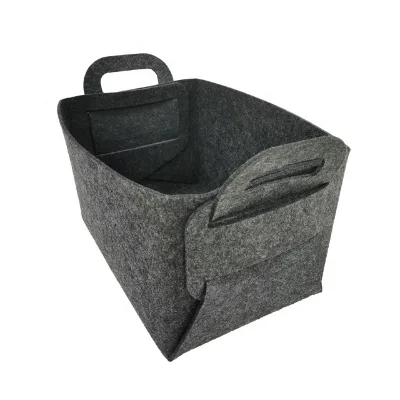
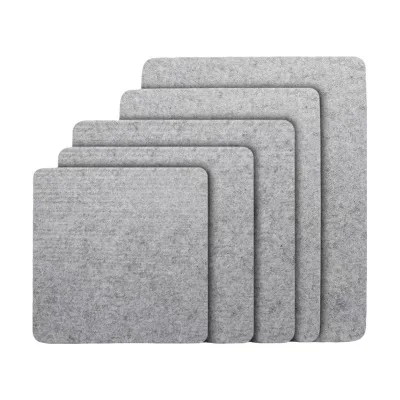
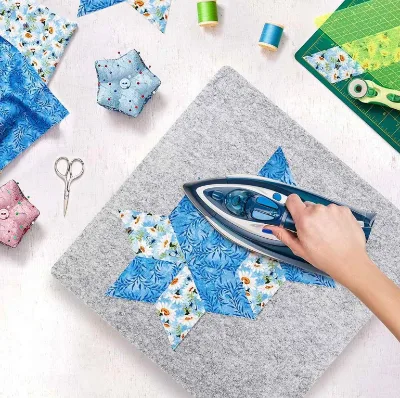


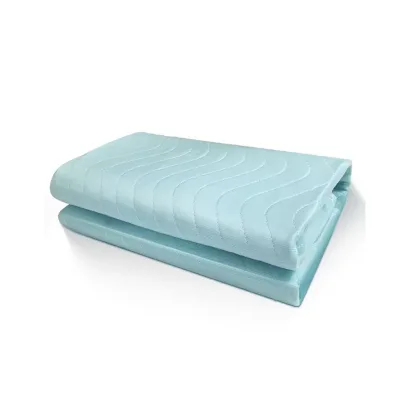
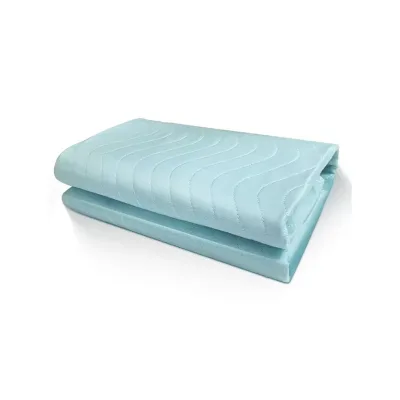


650GSM Soft Mattress Felt Pad Nonwoven Felt for Spring Mattress Padding
$0.50 - $0.80
MOQ: 3000 Meters

Comprehensive Sourcing Guide
Recyclable Polyester Laundry Felt Pad Sourcing Guide
The Recyclable Polyester Laundry Felt Pad serves as a critical conveyor component in industrial ironing and finishing systems, designed to transport garments through high-temperature zones while maintaining surface integrity. These pads function primarily as a durable interface between the heating element and the textile product, ensuring even heat distribution and preventing fabric snagging during the pressing process. Buyers should recognize that the core material composition, specifically polyester felt, offers a balance of thermal stability and mechanical strength required for continuous operation in laundry and dry-cleaning facilities.
Procurement decisions for this category hinge on verifying the specific thermal and mechanical properties that align with the intended ironing machine configuration. While the material is noted for being recyclable, the actual performance depends heavily on the manufacturing process, such as needle-punched or pressed techniques, which dictate the final density and abrasion resistance. Sourcing teams must evaluate whether the observed product attributes, such as low water absorbency and high heat resistance, match the specific operational demands of their facility to avoid premature wear or thermal degradation.
Product Scope and Observed Listing Signals
The market for recyclable polyester laundry felt pads presents a diverse range of specifications, with observed listings indicating thickness variations from 1mm to 10mm and customizable dimensions to fit specific machinery. Buyers will encounter products described with varying GSM densities, ranging from 300 to over 5000, which directly influences the pad's ability to cushion and protect delicate fabrics during the ironing cycle. The color options typically include white, black, or off-white, with customization available to meet branding or identification needs within a production line.
Listing signals often highlight the functional role of the product as a conveyor belt, with some entries specifying models designed for laundry ironing machines while others reference broader industrial applications like furniture or mattress interlining. It is essential to distinguish between general nonwoven bag materials and specialized ironing felts, as the latter require higher heat resistance and specific tensile strengths to withstand the mechanical stress of rollers and steam heating. Procurement teams should scrutinize the "Use" field in product descriptions to ensure the item is explicitly rated for high-temperature conveyor applications rather than general packaging or upholstery.
Technical Specifications to Verify
Thermal performance is the primary technical constraint for laundry felt pads, with observed data indicating heat resistance up to 250°C and operating temperatures around 180°C for specific models. Buyers must verify the hot-shrinkage rate, which is critical for maintaining dimensional stability under continuous heat exposure; observed listings suggest a rate of ≤1%, but this must be confirmed for each batch to prevent belt misalignment or tracking issues. The heating type, whether steam or electric, also dictates the required thermal tolerance, and the material must remain stable without degrading or losing structural integrity at the peak operating temperature of the specific ironing equipment.
Mechanical properties such as abrasion resistance, tensile strength, and elasticity are equally vital for ensuring long service life in a high-friction environment. The observed lack of elasticity in certain products suggests a rigid structure designed for precise tracking, while others may offer different flexibility profiles depending on the roller configuration. Density, measured in GSM, acts as a key indicator of durability, with higher densities generally offering better wear resistance but potentially affecting the softness of the ironing surface. Buyers should request test data for tensile strength and tear resistance, as these metrics determine the pad's ability to withstand the tension of the conveyor system without snapping or stretching.
Compliance and Safety Documentation
While the core material is identified as recyclable polyester, buyers must seek explicit documentation regarding the chemical composition and safety of the felt, particularly when used in food-adjacent or textile finishing environments. Some product listings reference Nomex Aramid felt standards, which implies a higher grade of fire resistance and thermal stability compared to standard polyester, though this specific standard should be verified against the actual material composition provided by the supplier. It is crucial to confirm whether the product meets relevant safety standards for industrial textiles, as the high-temperature application poses potential risks if the material emits harmful fumes or degrades unexpectedly.
Documentation regarding the manufacturing process, such as whether the felt is needle-punched or pressed, should be accompanied by quality assurance records that validate the consistency of the production. Although some background information mentions OEKO-TEX, this should not be assumed as a standard certification for all listed products without explicit verification from the supplier. Procurement teams should require a Certificate of Analysis (CoA) or a Material Safety Data Sheet (MSDS) to confirm that the product is free from hazardous substances and complies with local environmental and safety regulations for industrial machinery components.
Cost Drivers and Commercial Terms
The cost of recyclable polyester laundry felt pads is significantly influenced by the raw material grade, with Nomex Aramid variants commanding a premium over standard polyester due to superior thermal and chemical resistance. Thickness and density are also major cost drivers, as higher GSM values and thicker profiles require more raw material and energy-intensive manufacturing processes, such as needling or pressing, which increase the unit price. Buyers should expect price variations based on the customization level, as non-standard sizes, colors, or thicknesses often incur additional tooling or setup fees compared to standard stock items.
Commercial terms frequently include a Minimum Order Quantity (MOQ) that can range widely, with observed listings suggesting thresholds around 2000 square meters for standard orders, though some suppliers may offer lower quantities for custom projects. Packaging requirements, such as carton boxes, woven bags, or bundles on metal pallets, can also impact the final landed cost, especially for international shipments where weight and volume are critical factors. Buyers should negotiate clear terms regarding lead times and shipping methods, as the bulky nature of felt rolls may require specialized logistics to prevent damage during transit.
Supplier Qualification and Quality Control
Supplier qualification for this category requires a thorough assessment of their manufacturing capabilities, specifically their ability to produce consistent felt densities and maintain precise thickness tolerances. Buyers should verify the supplier's origin, as many listings indicate production in regions like Hebei, China, and assess whether the facility has the necessary equipment for needle-punching or pressing processes to ensure the desired structural integrity. It is advisable to request samples for physical testing before placing a large order, focusing on verifying the abrasion resistance and heat resistance claims against actual performance data.
Quality control protocols should include regular inspections of the finished product for defects such as uneven density, color inconsistencies, or dimensional inaccuracies that could affect conveyor performance. Suppliers offering OEM services should demonstrate a robust process for managing custom specifications, ensuring that the final product matches the agreed-upon technical parameters. Buyers should also evaluate the supplier's track record for delivering consistent quality over time, as variations in the manufacturing process can lead to premature failure of the felt pad in critical ironing operations.
Long-Term Procurement Checks
Establishing a long-term procurement strategy for recyclable polyester laundry felt pads involves regular performance monitoring to ensure the product continues to meet operational requirements over time. Buyers should implement a schedule for inspecting installed pads for signs of wear, such as surface pilling, thinning, or loss of tensile strength, which may indicate the need for a supplier change or a specification adjustment. Tracking the actual service life of the pads against the expected lifespan based on the observed density and material grade will help optimize inventory management and reduce unexpected downtime.
Continuous communication with the supplier is essential to stay informed about any updates in material technology or manufacturing standards that could improve product performance. Buyers should periodically review the supplier's compliance documentation to ensure ongoing adherence to safety and environmental standards, particularly as regulations evolve. By maintaining a proactive approach to quality assurance and supplier relationship management, organizations can secure a reliable supply chain for these critical industrial components, ensuring consistent performance in their laundry and ironing operations.
FAQs
What is the material composition of the Recyclable Polyester Laundry Felt Pad?
The Recyclable Polyester Laundry Felt Pad is primarily constructed from high-quality polyester felt material. This composition ensures durability and consistent performance during industrial ironing processes. The material is designed to withstand high temperatures up to 250°C, making it suitable for heavy-duty laundry applications. Its non-woven structure provides excellent heat resistance and abrasion resistance for long-term use.
Can the Recyclable Polyester Laundry Felt Pad be customized for specific sizes?
Yes, the Recyclable Polyester Laundry Felt Pad offers available customization options for various industrial needs. Buyers can request specific dimensions, with standard sizes like 2mx50m or fully customized measurements. The thickness can also be adjusted, ranging from 1mm to 10mm or tailored to exact requirements. This flexibility ensures the pad fits perfectly into different laundry ironing machines and conveyor systems.
What is the minimum order quantity for the Recyclable Polyester Laundry Felt Pad?
The minimum order quantity for the Recyclable Polyester Laundry Felt Pad is typically 2000 square meters. This MOQ applies to standard bulk orders to ensure efficient production and shipping logistics. However, customization requests may have different thresholds depending on the specific dimensions and material density required. Buyers should confirm the exact MOQ with suppliers based on their specific project scale and requirements.
How does the Recyclable Polyester Laundry Felt Pad handle heat and abrasion?
The Recyclable Polyester Laundry Felt Pad features high abrasion resistance and can withstand heat temperatures up to 250°C. This thermal stability ensures the pad maintains its structural integrity during continuous ironing operations. The pressed or needled technology enhances its durability against friction and wear. These properties make it ideal for demanding laundry environments where consistent performance and longevity are critical for operational efficiency.
What packaging methods are used for the Recyclable Polyester Laundry Felt Pad?
The Recyclable Polyester Laundry Felt Pad is packaged in carton boxes, woven bags, or PP woven materials with metal pallets. Some variants use bundles or water-proof PP woven bags for protection during transit. The packaging is designed to prevent damage and moisture exposure, ensuring the product arrives in optimal condition. Buyers can often request customized packaging solutions to meet specific logistical or storage requirements for their supply chain.