Source Recyclable PP Lotion Pump for Cosmetics, Skincare, and Hand Sanitizer
Compare 30 listings for the Recyclable PP Lotion Pump with options for ODM and OEM customization. Buyers can review specifications like 24mm and 28/410 standards, discharge rates, and material attributes from suppliers in China.
Key considerations
Products List


24/410 PP Plastic Lotion Pump Cream Soap Bottle Lotion Pump Hand Lotion Pump
$0.13 - $0.14
MOQ: 20000 Pieces

28/410 PP Plastic Lotion Pump Cream Soap Bottle Lotion Pump Hand Lotion Pump
$0.13 - $0.14
MOQ: 20000 Pieces


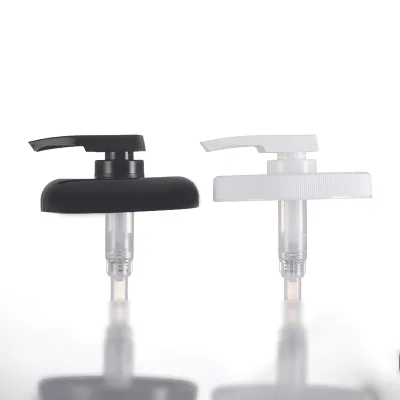


Customized Recyclable 28 410 Plastic Lotion Pump Cosmetic Packaging Pump
$0.04 - $0.09
MOQ: 10000 Pieces


Comprehensive Sourcing Guide
Strategic Sourcing Guide for Recyclable PP Lotion Pumps
Understanding Material Composition and Structural Integrity
The foundation of sourcing a reliable dispensing mechanism lies in verifying the material composition, specifically the polypropylene (PP) matrix. In the current market, the core keyword "Recyclable PP Lotion Pump" indicates a shift toward sustainable packaging solutions where the pump body is constructed primarily from polypropylene. This material choice is critical because PP offers a favorable balance of chemical resistance, flexibility, and cost-efficiency compared to alternative plastics. When evaluating potential suppliers, buyers must confirm that the product attributes explicitly state "All PP" or "PP" as the primary material for the pump body. This ensures that the component is compatible with recycling streams designed for polypropylene, distinguishing it from mixed-material pumps that contain non-recyclable metal springs or glass inserts that complicate the recycling process.
The structural integrity of these pumps is often defined by their specific design features. Observed product data indicates that these units frequently come in oval shapes, which can influence the ergonomic feel and the visual profile of the final cosmetic or personal care bottle. The pump mechanism itself relies on a spring, which in many standard configurations is made of metal. While the metal spring is essential for the actuation force, it represents a point of separation in the recycling process. Buyers should inquire whether the metal spring is easily removable or if the design allows for the entire assembly to be processed in specific recycling facilities. The "Recyclable" and "Disposable" attributes listed in product specifications suggest a design philosophy focused on single-use or limited-life cycles, yet the recyclability claim requires verification against local waste management infrastructure.
Technical Specifications and Dimensional Standards
Precision in technical specifications is paramount for ensuring that the selected pump fits the intended bottle neck and delivers the correct dosage. The market data reveals a variety of standard neck finishes, with 24mm and 28mm being the most prevalent diameters. Specifically, the 24/410 and 28/410 thread standards are frequently cited, indicating compatibility with a wide range of cosmetic and pharmaceutical containers. The 24mm standard often correlates with smaller to medium-sized bottles, while the 28mm standard is typically reserved for larger capacity applications. Buyers must verify that the pump's standard matches the bottle's thread exactly to prevent leakage or dispensing failures.
The dosage rate is another critical technical parameter that varies by model. Specifications indicate discharge rates ranging from 1.20ml per stroke to 2.0ml or 2cc per stroke. This variation allows manufacturers to tailor the user experience; a 1.20ml rate might be suitable for high-viscosity lotions where a smaller amount is dispensed per actuation, while a 2.0ml rate is better for thinner liquids or where a larger volume is desired. The "Medium" and "Small" size classifications further refine the selection process, ensuring the pump head is proportionate to the bottle's aesthetics and the user's grip. Additionally, the "23g" weight specification for certain models suggests a focus on lightweight design, which can reduce overall shipping costs and material usage. When sourcing, buyers should request a technical drawing or a sample that confirms the exact thread pitch and actuation volume before committing to a large order.
Compliance, Certification, and Environmental Claims
Navigating the regulatory landscape is essential for global procurement, particularly when marketing products as eco-friendly. The supplied data highlights several certifications that buyers should look for to validate quality and safety. ISO certification appears frequently, serving as a baseline for quality management systems. Some suppliers also list CE certification, which is mandatory for products entering the European Economic Area, indicating compliance with health, safety, and environmental protection standards. For products intended for the cosmetics and personal care industry, compliance with ISO 22716 (Good Manufacturing Practice for Cosmetics) and GMPC (Good Manufacturing Practice for Cosmetics) is highly relevant. These standards ensure that the manufacturing environment maintains the necessary hygiene levels to prevent contamination of the pump and, by extension, the product it dispenses.
The claim of "Recyclable" is a powerful marketing attribute but requires rigorous verification. While the product attributes list "Recyclable Pump" and "Environmental Feature: Recyclable Pump," buyers must understand that this claim is often contingent on the separation of components. The presence of a metal spring can complicate the recycling process, as many facilities require the metal to be removed before the plastic can be processed. Therefore, the "Recyclable" status should be treated as an observation of the material's potential rather than a guarantee of end-of-life processing in every jurisdiction. Buyers should ask suppliers for specific documentation regarding the recyclability of the specific model, such as whether the pump is accepted in local curbside recycling programs or requires drop-off at specialized facilities. Relying solely on the "Recyclable" label without understanding the local infrastructure can lead to greenwashing accusations.
Cost Drivers and Procurement Economics
The economics of sourcing recyclable PP lotion pumps are influenced by several factors, including material costs, order volume, and customization requirements. The observed price range in the market spans from $0.02 to $3.50 per unit, a significant variance that reflects differences in complexity, customization, and order size. The minimum order quantity (MOQ) is a major cost driver, with observed ranges typically falling between 5,000 and 50,000 units. Some suppliers may offer lower MOQs of 10,000 units, which can be more accessible for smaller brands or trial runs. Understanding the relationship between volume and unit price is crucial; higher volumes generally yield lower per-unit costs, but the upfront capital requirement increases.
Customization is another significant cost variable. The availability of ODM (Original Design Manufacturer) and OEM (Original Equipment Manufacturer) services allows buyers to tailor the pump's color, shape, and branding. However, these customizations often incur additional tooling costs and higher MOQs. The standard colors observed, such as Red and White, are likely the most cost-effective options. Choosing "Other" colors or specific custom shades may require minimum runs that exceed the standard thresholds. Furthermore, the packaging method affects logistics costs. Options like "Carton" packing or "Bulk/Plastic Bag+Carton" vary in density and protection. A denser packing configuration, such as 400 pieces per carton with dimensions of 573737 cm, can optimize shipping efficiency, whereas bulk packing might require more handling time and protective measures. Buyers should calculate the total landed cost, including shipping and customs, rather than focusing solely on the unit price.
Supplier Evaluation and Operational Capabilities
Selecting the right supplier requires a deep dive into their operational capabilities and track record. The geographic origin of the products is predominantly China, with specific mentions of Guangdong and Xiamen, Fujian. These regions are known for their robust manufacturing ecosystems for plastic packaging. When evaluating suppliers, buyers should verify the lead time, which is observed to be between 7 and 15 days. This relatively short lead time suggests efficient production lines, but it is essential to confirm if this duration includes the time for mold creation if customization is required. For standard models, the 7-15 day window is a reliable benchmark, but custom orders may extend this timeline significantly.
Sample availability is a critical factor in the supplier evaluation process. The data indicates that free samples are available, which is a positive sign of supplier confidence and a valuable tool for buyers to test the product physically. Buyers should utilize these samples to test the actuation force, the spray pattern (if applicable), and the fit with their specific bottles. Additionally, the "Tube: Customized" attribute suggests that some suppliers may offer integrated tube solutions or flexible tube options, which can be a differentiator in the market. Buyers should assess the supplier's responsiveness to inquiries, their ability to provide technical documentation, and their history of meeting quality standards. A supplier that offers ISO, CE, and GMPC certifications demonstrates a commitment to quality and regulatory compliance, reducing the risk of supply chain disruptions due to non-compliance.
Quality Control and Long-Term Procurement Strategy
Implementing a robust quality control (QC) strategy is essential to ensure consistency in the supply of recyclable PP lotion pumps. Given the variability in dosage rates and the potential for mechanical failure in pumps, buyers should establish clear acceptance criteria. This includes testing the "Dosage Per Stroke" to ensure it matches the specified 1.20ml or 2.0ml requirements within an acceptable tolerance. Visual inspections for defects such as cracks, discoloration, or molding imperfections should be conducted on a random sample basis. The "Recyclable" and "Disposable" nature of the product also implies that durability is not the primary concern; however, the pump must function reliably during the product's shelf life.
Long-term procurement considerations involve building a resilient supply chain that can adapt to changing market demands and regulatory landscapes. As environmental regulations tighten, the demand for truly recyclable components will likely increase. Buyers should future-proof their procurement strategy by selecting suppliers who are proactive in developing fully recyclable designs, potentially exploring options where the metal spring is replaced with a plastic alternative or where the design facilitates easier disassembly. Maintaining a relationship with suppliers who offer ODM and OEM services allows for continuous innovation and adaptation. Furthermore, diversifying the supplier base across different regions within China, such as Guangdong and Fujian, can mitigate risks associated with regional disruptions. By focusing on technical specifications, verifying certifications, and maintaining strict quality control, buyers can secure a reliable supply of high-quality, recyclable PP lotion pumps that meet both functional and sustainability goals.
FAQs
What materials are used for recyclable PP lotion pumps?
The pump body is primarily constructed from polypropylene (PP), often labeled as All PP. Some models include a metal spring for actuation, which must be separated during recycling. This composition ensures chemical resistance and flexibility while supporting sustainability goals.
Which certifications do these pumps typically hold?
Common certifications include ISO, CE, ISO 22716, and GMPC. These standards verify quality management and compliance with cosmetic manufacturing practices. Buyers should verify specific certificates for their target markets to ensure regulatory alignment.
How can I customize the color and shape of the pump?
Customization is available for colors like red, white, or other shades, and shapes such as oval. ODM and OEM services allow tailored designs, though custom orders may require higher minimum order quantities and additional tooling costs compared to standard options.
What are the standard thread sizes for these pumps?
Standard thread sizes include 24mm, 28mm, and specific finishes like 24/410 and 28/410. Selecting the correct standard is critical to ensure a leak-proof fit with your bottle neck and proper dispensing performance for your specific product.
Can I get free samples before placing a large order?
Yes, free samples are available for testing the product quality and fit. Buyers should use these samples to verify the dosage rate, actuation force, and compatibility with their bottles before committing to the minimum order quantity requirements.
What is the typical lead time for production?
The standard lead time ranges from 7 to 15 days for most models. This duration applies to standard items, but custom designs or large orders may extend the timeline. Confirm the specific schedule with the supplier to align with your production needs.
How does the dosage rate vary across different models?
Dosage rates typically range from 1.20ml to 2.0ml per stroke, with some models offering 2cc. The specific rate depends on the pump model and intended viscosity of the lotion. Verify the exact dosage per stroke to ensure it matches your product requirements.