Source Recyclable Plastic Zipper Bag for Food, Gift, and Household
Compare 30 listings of recyclable plastic zipper bags with custom sizes, thicknesses, and printing options. Buyers can evaluate materials like PE and OPP, along with features such as waterproofing and biodegradability for various industrial uses.
Key considerations
Products List
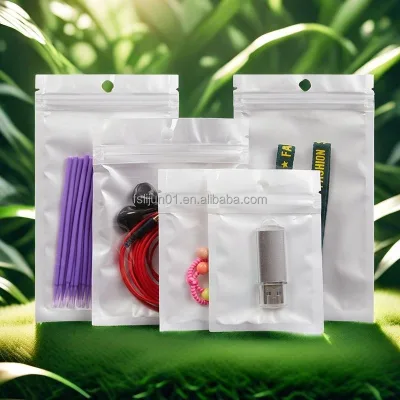


Comprehensive Sourcing Guide
Strategic Sourcing Guide for Recyclable Plastic Zipper Bags
Understanding Material Composition and Structural Integrity
The foundation of sourcing high-quality recyclable plastic zipper bags lies in a precise understanding of material composition and structural design. The market offers a variety of plastic types, with Polyethylene (PE) and Polypropylene (OPP) being the most prevalent in current listings. Buyers must distinguish between these materials based on their specific application needs. PE bags, often described as having a soft hardness and high transparency, are generally preferred for applications requiring flexibility and moisture resistance, such as food packaging or household storage. In contrast, OPP structures provide a different set of mechanical properties, often utilized in gift and craft applications where a specific stiffness or clarity is required.
The material structure is frequently a composite, such as PET/PE or CPP, designed to balance strength with the ability to be sealed. A critical observation in the current market is the availability of bags labeled with "Recycled Materials" and "Bio-Degradable" features. However, the term "recyclable" in the context of zipper bags requires careful verification. While some suppliers list features like "Recyclable," "Moisture Proof," and "Bio-Degradable" simultaneously, these attributes often depend on the specific polymer blend and the recycling infrastructure available in the buyer's destination region. The thickness of the bag is a primary determinant of its durability and recyclability. Observed specifications indicate a range of single-side thicknesses from 60 to 90 microns, with some standards suggesting a range of 0.08mm to 0.12mm. Thicker bags generally offer better shock resistance and weight limits, often capped at under 5 kg for standard configurations, but they may present challenges in certain recycling streams if the material mix is complex.
Technical Specifications and Customization Parameters
When evaluating potential suppliers, buyers must scrutinize the technical specifications that define the bag's performance. The sealing mechanism is paramount; the "Zipper Top" or "Zipper Bag" design must ensure a hermetic seal to protect contents from dust, mildew, and moisture. The observed performance claims include waterproof, mildewproof, and dustproof capabilities, which are essential for applications ranging from apparel to chemical storage. The physical dimensions of the bag are highly customizable, with a vast array of sizes available, ranging from compact 610 cm units to larger 1423 cm configurations. This flexibility allows for precise tailoring to product dimensions, minimizing material waste and optimizing storage efficiency.
Customization extends beyond size to include color and printing. The standard color palette often includes white, pink, purple, green, and blue, but "Custom Other Colors" are frequently available. Printing handling is another critical technical aspect, with silk screen printing and heat transfer processes being the dominant methods observed. These processes allow for the application of customized logos and branding, which is vital for promotional and retail applications. However, the choice of printing method can impact the recyclability of the final product. Inks used in screen printing or heat transfer must be compatible with the recycling process to avoid contaminating the recycled plastic stream. Buyers should verify that the printing inks are non-toxic and suitable for the intended end-of-life processing of the packaging.
Compliance, Certification, and Environmental Claims
Navigating the landscape of environmental compliance requires a rigorous approach to verifying supplier claims. The term "recyclable" is often used broadly, but true compliance depends on adherence to specific regional standards and the actual chemical composition of the bag. While some product listings mention "Bio-Degradable" and "Recyclable" features, these claims must be substantiated by third-party certifications or test results that are not always provided in standard product descriptions. Buyers should not assume that a bag labeled as "Bio-Degradable" will decompose in all environments; specific conditions, such as industrial composting facilities, are often required.
The absence of specific certification names in the provided data necessitates a proactive verification strategy. Buyers must request documentation proving that the "Recycled Materials" content meets specific percentages, such as post-consumer recycled (PCR) content. Furthermore, the "Industrial Use" category, which includes gift, craft, and household applications, often implies different regulatory requirements compared to food-grade packaging. If the bag is intended for food contact, the material must comply with food safety standards, which are distinct from general industrial packaging regulations. The "Low Pressure Polyethylene" and "Polypropylene" raw materials mentioned in listings must be verified for their purity and lack of harmful additives. Without explicit certification data, buyers should treat environmental claims as observations to be validated through direct supplier inquiry and independent laboratory testing.
Cost Drivers and Economic Considerations
The pricing of recyclable plastic zipper bags is influenced by a complex interplay of material costs, customization requirements, and order volume. The observed price range in the market spans from $0 to $3800, a wide variance that reflects differences in order quantity, material quality, and design complexity. The Minimum Order Quantity (MOQ) is a significant cost driver, with observed ranges extending from 2 units to 100,000 units. Small MOQs, suitable for prototyping or small businesses, typically carry a higher unit cost due to the fixed costs of setup and production runs. Conversely, large volume orders can significantly reduce the per-unit price, making them more economically viable for established supply chains.
Material costs fluctuate based on the type of plastic used. PE and PET/PE blends may have different price points depending on global oil prices and the availability of recycled resin. The inclusion of "Customization" features, such as specific colors, logos, or unique sizes, adds to the production cost. Silk screen printing and heat transfer processes also contribute to the overall price, as they require additional setup time and materials. The "Standard Craton" packing mentioned in some listings suggests that packaging for shipping is a factor, though the specific costs are not detailed. Buyers should analyze the total cost of ownership, including the cost of the bag, the cost of customization, and the logistics of shipping, rather than focusing solely on the unit price. The "Selling Units" being listed as "Single item" indicates that some suppliers may offer sample orders, which can be useful for quality assessment before committing to a large order.
Typical Applications and Industry Use Cases
The versatility of recyclable plastic zipper bags makes them suitable for a wide array of industrial and commercial applications. The observed "Industrial Use" categories include gift and craft, household, and promotion, highlighting their role in retail and consumer goods. In the food industry, the waterproof and moisture-proof features make these bags ideal for storing dry goods, snacks, and ingredients, provided the material meets food safety standards. The "Apparel" and "Chemical" applications suggest that the bags are also used for packaging textiles and potentially non-hazardous chemical products, where the shock resistance and antistatic properties are beneficial.
The "Antistatic" feature is particularly relevant for the electronics and semiconductor industries, where static discharge can damage sensitive components. Similarly, the "Shock Resistance" capability ensures that fragile items, such as jewelry or small electronics, are protected during transit. The "Disposable" nature of these bags aligns with the growing demand for single-use packaging that is easier to manage than reusable alternatives, provided they are recyclable. The ability to customize the bag with a specific logo makes them a popular choice for promotional events and corporate gifting. The "Usage" categories, including shopping, packing, and gift, further underscore their adaptability across different sectors. Buyers should match the specific technical specifications of the bag, such as thickness and sealing strength, to the demands of their specific application to ensure optimal performance.
Supplier Evaluation and Quality Control Protocols
Selecting a reliable supplier is critical to ensuring the quality and consistency of recyclable plastic zipper bags. The "Place of Origin" is predominantly Guangdong, China, a major hub for plastic packaging manufacturing. While this location offers access to a robust supply chain and competitive pricing, it also necessitates rigorous supplier evaluation. Buyers should assess the supplier's production capabilities, including their "Making Process" and equipment for screen printing and heat transfer. The "Customizable Service and Design" attribute indicates that many suppliers offer tailored solutions, but the quality of these services varies.
Quality control should be a central part of the procurement process. Buyers must verify that the "Thickness" meets the specified standards, such as the 60-90 micron range, and that the "Sealing & Handle" mechanism functions correctly. The "Transparency" and "Hardness" of the bag should be consistent with the product requirements. Testing for "Waterproof," "Mildewproof," and "Dustproof" performance is essential to validate the supplier's claims. Additionally, buyers should request samples to test the "Weight Limit" and ensure the bag can withstand the intended load without tearing. The "Logo Printing" quality should be checked for clarity and durability. Establishing a clear communication channel with the supplier to discuss "Service" and "Customization" requirements will help mitigate risks and ensure that the final product meets the buyer's expectations.
Long-Term Procurement and Sustainability Strategy
Adopting a long-term procurement strategy for recyclable plastic zipper bags involves more than just securing a supply chain; it requires a commitment to sustainability and continuous improvement. As environmental regulations tighten, the demand for truly recyclable and bio-degradable packaging will likely increase. Buyers should prioritize suppliers who are transparent about their material sources and recycling processes. The "Recycled Materials" feature should be a key criterion, but it must be backed by verifiable data on the percentage of recycled content and the end-of-life pathway for the product.
Building a long-term relationship with a supplier can lead to better pricing, consistent quality, and collaborative innovation. Suppliers who offer "Customized Service and Design" can help buyers develop unique packaging solutions that differentiate their products in the market. However, buyers must remain vigilant about the "Feature" claims, ensuring that terms like "Bio-Degradable" and "Recyclable" are not used as marketing buzzwords without substance. Regular audits and quality checks should be part of the procurement process to maintain high standards. By focusing on technical specifications, compliance, and supplier reliability, buyers can build a resilient supply chain that supports both business goals and environmental responsibility. The ability to adapt to changing market conditions and regulatory requirements will be the defining factor in the success of long-term procurement strategies for recyclable plastic zipper bags.
FAQs
What materials are used for recyclable plastic zipper bags?
These bags are commonly made from Polyethylene (PE) and Polypropylene (OPP) structures. Some listings specify PET/PE blends or Low Pressure Polyethylene to ensure flexibility and moisture resistance while supporting recyclability claims.
Can I customize the size and thickness of these bags?
Yes, customization is available for both size and thickness. Buyers can choose from numerous dimensions like 6*10 cm or 14*23 cm, and select thicknesses ranging from 60 to 90 microns or request specific custom measurements.
How do I verify the waterproof and mildewproof performance?
The bags are designed with performance features that include waterproof, mildewproof, and dustproof capabilities. These attributes are standard for protecting contents in applications ranging from food to chemical storage, though specific test results should be requested.
What printing methods are available for custom logos?
Silk screen printing and heat transfer are the primary methods used for applying custom logos. These processes allow for branding on various colors, but buyers should ensure inks are compatible with recycling streams to maintain environmental claims.
Which features make these bags suitable for electronics?
The bags offer antistatic and shock resistance features ideal for electronics and sensitive components. These properties protect items during transit and storage, making them suitable for applications in the semiconductor and apparel industries.
What is the typical weight limit for these plastic bags?
Standard configurations typically support a weight limit of less than 5 kg. Thicker bags within the 60 to 90 micron range generally provide better durability, but the exact limit depends on the specific material blend and sealing strength.
Where are these recyclable zipper bags manufactured?
The primary place of origin for these products is Guangdong, China. This region is a major hub for plastic packaging manufacturing, offering access to a robust supply chain and competitive pricing for bulk orders.