Source Recycled Ivory Board Paper Box for Food, Cosmetics, Electronics
Compare 30 listings for Recycled Ivory Board Paper Box options tailored for food, cosmetics, and electronics packaging. Buyers can evaluate customization, material certifications, and pricing to find suitable suppliers for their specific needs; compare the available evidence and request quotations based on your requirements.
Key considerations
Products List


$0.54 - $0.68
MOQ: 1000 Pieces


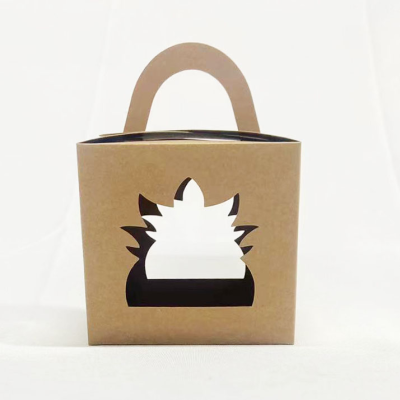


Comprehensive Sourcing Guide
Recycled Ivory Board Paper Box Sourcing Guide
Sourcing recycled ivory board paper boxes requires a strategic balance between aesthetic premium quality and sustainable material commitments. Buyers must recognize that ivory board offers a rigid, high-end feel often preferred for luxury goods, while the recycled content addresses environmental goals. This combination appeals to brands seeking to reduce their carbon footprint without compromising on the tactile experience of unboxing. The material’s stiffness and smooth surface make it ideal for products that demand a perception of value and durability.
Procurement teams should evaluate suppliers based on their ability to maintain consistent quality across recycled batches. Variations in fiber content can affect printability and structural integrity, making supplier transparency critical. Buyers need to verify that the recycled content meets specific percentages required by their corporate sustainability policies. Additionally, understanding the supply chain’s traceability ensures that the "recycled" claim is substantiated by credible data, protecting the brand from greenwashing accusations.
Product Scope and Observed Listing Signals
Market listings for recycled ivory board boxes reveal a diverse range of applications, including cosmetics, food, electronics, and jewelry. The observed product models indicate a high degree of customization, with options for square shapes and middle sizes. Buyers will notice that many suppliers offer single or two-sided printing capabilities, allowing for versatile branding strategies. The presence of offset printing as a surface handling method suggests that high-resolution graphics and vibrant colors can be achieved on this substrate.
Commercial signals in the market show a wide price range, reflecting differences in material thickness, box complexity, and order volume. Minimum order quantities vary significantly, with some suppliers accepting low MOQs for prototyping while others require bulk commitments for cost efficiency. The availability of OEM services and logo printing indicates that most manufacturers are equipped to handle bespoke design requests. Buyers should pay attention to whether the packaging includes additional features like magnetic closures or ribbon inserts, which can impact the final unit cost.
Technical Specifications to Verify
When evaluating technical specifications, buyers must confirm the board’s grammage and burst strength to ensure adequate protection for the product. The dimension flexibility offered by suppliers allows for precise fitting, but tolerances should be clearly defined to prevent fitment issues. It is essential to verify the color consistency, as recycled materials can sometimes exhibit slight variations in base tone. Buyers should request physical samples to assess the board’s rigidity and its ability to withstand stacking and transit stresses.
Printing compatibility is another critical technical aspect. Ivory board’s smooth surface is excellent for offset printing, but buyers should confirm the ink drying time and adhesion properties. The acceptance of standard art files such as PDF, CDR, and Ai indicates a mature digital workflow, but color proofing is necessary to match brand guidelines. Additionally, the choice between single and double-sided printing affects the visual impact and structural balance of the final box. Buyers must ensure that the chosen printing method does not compromise the board’s integrity or lead to warping.
Compliance and Safety Documentation
Regulatory compliance is paramount, especially for food-contact applications. Buyers must verify that the recycled ivory board meets relevant safety standards, such as FDA regulations for direct food contact if applicable. Documentation from recognized certification bodies like SGS, BV, and TUV provides assurance that the material has undergone rigorous testing for contaminants and heavy metals. These certifications are crucial for maintaining market access in regions with strict environmental and health regulations.
For non-food items, certifications like ISO and FSC demonstrate a commitment to quality management and responsible sourcing. Buyers should request copies of these certificates to ensure they are current and cover the specific product line. The presence of HACCP certification may also be relevant for suppliers handling food-grade packaging. Verifying these documents helps mitigate legal risks and ensures that the packaging does not introduce harmful substances to the product or the consumer.
Cost Drivers and Commercial Terms
Several factors influence the total cost of recycled ivory board boxes, including material grade, box design complexity, and printing requirements. Higher recycled content percentages may incur a premium due to the processing costs involved in maintaining quality. Buyers should also consider the impact of custom shapes and sizes on production efficiency, as non-standard dimensions can increase waste and labor costs. Volume discounts are typically available, but the break-even point varies by supplier.
Commercial terms such as payment methods, shipping arrangements, and lead times significantly affect the overall procurement strategy. Suppliers often offer flexible shipping options, including sea, air, and courier services, allowing buyers to balance cost and speed. Sample delivery times are usually around seven days, which is useful for rapid prototyping. Buyers should negotiate clear terms for reorders and potential price fluctuations to ensure long-term cost stability and supply chain reliability.
Supplier Qualification and Quality Control
Selecting a qualified supplier involves assessing their manufacturing capabilities and quality control processes. Buyers should verify the supplier’s experience with recycled materials and their ability to maintain consistent quality across large production runs. Factory audits can reveal insights into their production environment, equipment maintenance, and staff training. Suppliers with a history of OEM service are likely to have robust systems for handling custom orders and protecting intellectual property.
Quality control measures should include incoming material inspections, in-process checks, and final random inspections. Buyers should inquire about the supplier’s defect rate and their procedures for handling non-conforming products. Clear communication channels and responsive customer service are indicators of a reliable partner. Establishing a formal quality agreement that defines acceptance criteria and remediation steps can prevent disputes and ensure that delivered goods meet the buyer’s expectations.
Long-Term Procurement Checks
Sustainable sourcing requires ongoing monitoring of supplier performance and material traceability. Buyers should regularly review supplier certifications to ensure they remain valid and up-to-date. Periodic audits of the supply chain can help identify any changes in material sourcing or processing methods that might affect compliance. Maintaining open dialogue with suppliers about sustainability goals can drive continuous improvement and innovation in packaging solutions.
Market trends and regulatory changes may impact the availability and cost of recycled materials. Buyers should stay informed about industry developments and adjust their procurement strategies accordingly. Building a diversified supplier base can mitigate risks associated with single-source dependencies. Long-term partnerships based on mutual trust and shared values can lead to better pricing, priority production slots, and collaborative product development opportunities.
FAQs
What materials are used for the Recycled Ivory Board Paper Box?
The product is constructed from recycled material and paper, specifically utilizing ivory board. This ensures durability while maintaining an eco-friendly profile suitable for various packaging needs across different industries.
Can I request custom logo printing on these boxes?
Yes, logo printing is available according to customer requests. The surface handling includes offset printing, and you can submit art files in PDF, CDR, or Ai formats to ensure your branding is applied correctly.
What certifications do the manufacturers hold for these boxes?
Manufacturers hold multiple certifications including SGS, BV, TUV, ISO, FSC, and FDA. These standards ensure the packaging meets safety and quality requirements for food, cosmetics, and other sensitive product applications.
How long does it take to receive a sample of the box?
Sample delivery time is typically seven days. This allows buyers to verify the quality and specifications before committing to larger orders, ensuring the product meets your specific design and functional requirements.
What is the minimum order quantity for these paper boxes?
The minimum order quantity is 1000 pieces for standard orders. However, some listings indicate a range from one to three thousand units, so you should confirm the specific MOQ with the supplier.
Which applications are suitable for this recycled paper packaging?
These boxes are suitable for food, electronics, apparel, cosmetics, and household goods. They are also used for gifts, health care products, jewelry, and greeting cards, offering versatile protection and presentation.
Where are these recycled paper boxes manufactured and shipped from?
Products originate from China, with specific manufacturing locations in Shanghai and Zhejiang. Shipping options include sea, air, and courier services, allowing flexible logistics arrangements for international buyers.