Source Red Fruit Pattern Ceramic Tableware for Dining
Explore 30 listings for red fruit pattern ceramic tableware, featuring bone china and porcelain options. Compare specifications including sizes, certifications like FDA and LFGB, and customization availability for wholesale sourcing needs; compare the available evidence and request quotations based on your requirements.
Key considerations
Products List






Comprehensive Sourcing Guide
Red Fruit Pattern Ceramic Tableware Sourcing Guide
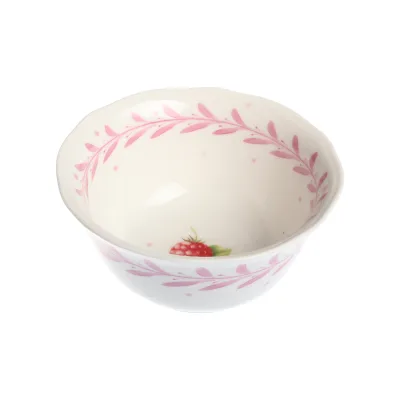
Sourcing red fruit pattern ceramic tableware requires careful attention to the specific aesthetic and functional attributes observed in current market listings. Buyers should verify that the "Multicolor" and "Red and White" color profiles align with the desired visual identity, as the "Red and White" description often indicates a classic fruit motif. The "Multi Shape" and "Round" shape options suggest versatility in design, allowing for mixed sets that include dinner plates, side plates, and soup bowls. It is critical to confirm that the "as Photo" visual representation matches the actual product, ensuring the red fruit pattern is accurately rendered on the ceramic surface.
Procurement teams must also evaluate the material composition, as the observed listings frequently specify "Ceramic & Porcelain" and "New Bone China." These materials offer distinct advantages in durability and aesthetic finish, with bone china providing a translucent quality often preferred for premium tableware. The "Non-Disposable" attribute confirms that these items are designed for long-term use, making them suitable for both commercial hospitality and residential dining. Buyers should ensure the selected supplier can consistently maintain the specific glaze and firing techniques required to achieve the vibrant red fruit patterns without compromising the structural integrity of the porcelain.
Product Scope and Observed Listing Signals
The product scope for red fruit pattern ceramic tableware encompasses a wide range of configurations, from individual pieces to complete dinner sets. Listings indicate specific model numbers such as "D09811" and "TMSDSH1408111," which often correspond to distinct size combinations like 10.5-inch dinner plates and 5.5-inch soup bowls. The "Customized" and "Custom Logo" attributes highlight that many suppliers offer tailored solutions, allowing buyers to modify the red fruit design or add branding to the ceramic surface. This flexibility is essential for businesses seeking unique product lines that stand out in competitive retail environments.
Commercial signals in the market reveal a significant variation in minimum order quantities, ranging from 100 to 10,000 units, with some specific listings citing an MOQ of 3000 pieces. The "Stocked" feature suggests that certain standard designs are available for immediate shipment, reducing lead times for urgent orders. However, the "Customized" nature of many items implies that production lead times will vary based on the complexity of the red fruit pattern application. Buyers should carefully assess whether their volume requirements align with the supplier's capacity to handle both stock and custom production runs efficiently.
Technical Specifications to Verify
Technical verification begins with precise dimensional analysis, as listings specify exact sizes such as 15x11cm, 20x15cm, and 258x18cm for various components. The "Custom Size" standard indicates that many suppliers can produce non-standard dimensions, but buyers must provide detailed drawings to ensure the red fruit pattern scales correctly across different plate and bowl sizes. Capacity specifications like "240ml-400ml" for mugs and bowls are critical for menu planning and customer satisfaction. It is vital to confirm that the physical dimensions match the intended use case, whether for fine dining or casual service.
Packaging and structural integrity are equally important technical considerations, with observed options including "Brown Box" and "Carton" packaging. The "1set/Color Box/CTN" configuration suggests a retail-ready presentation that protects the delicate ceramic pieces during transit. Buyers should verify the "Regular Pack" details to ensure that the red fruit pattern remains visible and undamaged upon arrival. Additionally, the "Non-Disposable" classification necessitates rigorous testing for chip resistance and thermal shock, ensuring the tableware can withstand repeated washing and heating cycles without degrading the aesthetic finish.
Compliance and Safety Documentation
Compliance with international safety standards is non-negotiable for ceramic tableware intended for food contact. The observed listings frequently cite certifications such as "CE/EU," "FDA," "LFGB," and "CIQ," which validate that the materials and glazes used are safe for human consumption. These certifications are particularly relevant for the red fruit pattern, as the pigments used to create the design must not leach harmful substances into food. Buyers should request current test reports to confirm that the specific red fruit designs on the ceramic surface meet these rigorous safety thresholds.
Beyond material safety, documentation regarding manufacturing standards provides assurance of consistent quality. While some background knowledge mentions ISO standards, the primary focus should remain on the explicitly listed certifications like "SGS" and "EEC." These documents verify that the production process adheres to strict quality control protocols, reducing the risk of defects in the final product. For suppliers located in regions like Liling, Hunan, or Zibo, Shandong, these certifications serve as a critical benchmark for verifying that the red fruit pattern ceramic tableware meets the regulatory requirements of the target export market.
Cost Drivers and Commercial Terms
Cost drivers for red fruit pattern ceramic tableware are heavily influenced by the level of customization and the complexity of the design application. The "Customized" and "Custom Logo" options often incur higher unit costs due to the additional setup and labor required for unique patterns. Buyers should anticipate that the "Multicolor" and "Red and White" designs may require multiple firing stages, which can impact the final price. Understanding these cost factors is essential for budgeting, especially when balancing the desire for a distinctive aesthetic with the need to maintain competitive pricing.
Commercial terms and payment structures vary significantly among suppliers, with options including "Tt," "Dp at Sight," "LC at Sight," and "Western Union." The "OEM/ODM" acceptance indicates that many manufacturers are willing to collaborate on design and production, but this flexibility often comes with specific payment milestones. Buyers must negotiate clear terms regarding sample costs, as "OEM Sample Offered" is a common practice. Establishing a robust payment agreement that protects both parties while ensuring timely delivery is crucial for a successful procurement relationship in this sector.
Supplier Qualification and Quality Control
Supplier qualification requires a thorough assessment of their manufacturing capabilities and quality control systems. The "OEM/ODM" acceptance and "Customized" capabilities suggest that suppliers have the technical expertise to produce complex red fruit patterns. However, buyers should verify the supplier's track record in handling "Custom Size" orders and their ability to maintain consistency across large production runs. The presence of specific certifications like "CE/EU" and "FDA" is a strong indicator of a supplier's commitment to meeting international standards, but on-site audits can provide deeper insights into their actual production practices.
Quality control measures must be rigorous to ensure that the red fruit pattern remains consistent and that the ceramic pieces are free from defects. The "Non-Disposable" nature of the product demands high standards for durability and finish. Buyers should implement a pre-shipment inspection protocol that checks for color consistency, glaze quality, and dimensional accuracy. Given the "Stocked" availability of some items, it is also important to verify that the inventory has been stored correctly to prevent damage. A robust quality control plan ensures that the final product meets the buyer's expectations for both aesthetics and functionality.
Long-Term Procurement Checks
Long-term procurement success depends on establishing a reliable supply chain that can adapt to changing market demands. The "Customized" nature of the red fruit pattern ceramic tableware means that suppliers must be flexible enough to accommodate design updates or volume fluctuations. Buyers should maintain open communication channels with their suppliers to ensure that any changes in the red fruit design or material specifications are executed smoothly. Building a partnership based on trust and mutual understanding is key to navigating the complexities of custom ceramic production.
Continuous monitoring of supplier performance is essential to maintain product quality and delivery reliability over time. Buyers should regularly review the supplier's adherence to the agreed-upon certifications and standards, such as "LFGB" and "SGS." Additionally, tracking the performance of the "Custom Logo" and "Custom Size" orders will help identify any potential issues early. By maintaining a proactive approach to supplier management, buyers can ensure a steady supply of high-quality red fruit pattern ceramic tableware that meets their evolving business needs.
FAQs
What certifications are available for red fruit pattern ceramic tableware?
Certifications include CE/EU, FDA, CIQ, LFGB, and EEC standards. These ensure compliance with international food safety and quality regulations. Buyers can verify specific product models against these documented standards to meet regional import requirements and maintain supply chain integrity.
Can I customize the logo on red fruit pattern ceramic tableware?
Yes, custom logo printing is available for these ceramic items. OEM and ODM services are acceptable, allowing buyers to brand products with their own designs. This customization supports unique marketing strategies while maintaining the high-quality ceramic material and durable finish required for commercial use.
What is the typical MOQ for red fruit pattern ceramic tableware?
The minimum order quantity typically ranges from 100 to 10,000 pieces, with some specific models requiring 3,000 pieces. Buyers should check the specific product model for exact MOQ requirements. This flexibility allows businesses of various sizes to place orders that match their inventory needs and budget constraints.
Which payment terms are accepted for red fruit pattern ceramic tableware?
Accepted payment terms include T/T, D/P at Sight, L/C at Sight, and Western Union. These options provide flexibility for international transactions. Buyers can choose the method that best suits their financial workflow and risk management preferences, ensuring secure and efficient trade execution for bulk orders.
What packaging options are used for red fruit pattern ceramic tableware?
Packaging includes brown boxes, cartons, and color boxes. Standard configurations often involve one set per color box and two sets per carton. This structured packaging protects the ceramic items during transit and simplifies inventory management for buyers, ensuring products arrive in pristine condition ready for retail or distribution.
Where are red fruit pattern ceramic tableware products manufactured?
Products are manufactured in China, specifically in regions like Liling, Hunan, and Zibo, Shandong. These areas are known for their ceramic production expertise. Buyers can leverage this geographic concentration to access a wide variety of designs and specifications while benefiting from established supply chain infrastructure and logistics networks.