Source Vintage European Glass Goblets for Bars, Hotels, and Homes
Compare 30 listings for vintage european glass goblets suitable for bars, hotels, and restaurants. Options include retro designs, custom logos, and various capacities like 300ml. Verify certifications such as LFGB and FDA to ensure quality for your sourcing needs; compare the available evidence and request quotations based on your requirements.
Key considerations
Products List
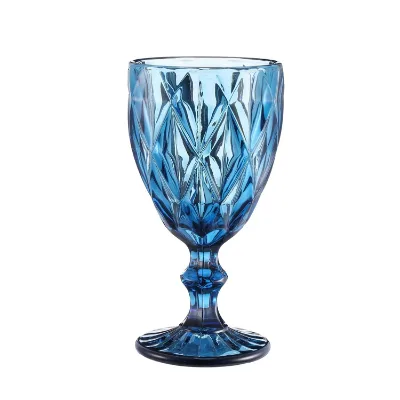


Toasting Glasses Ribbed Goblet Wine Cup Vintage Unique Champagne Glasses
$0.39 - $0.59
MOQ: 2000 Pieces

European Style Transparent Crystal Vintage Embossed Goblet Wine Glasses Cup5323
$0.39 - $0.59
MOQ: 1000 Pieces

Goblet Wine Glass Wine Cup Coctail Glass Champagne Glass Whiskey Glass Beer Mug
$0.35 - $0.59
MOQ: 1000 Pieces

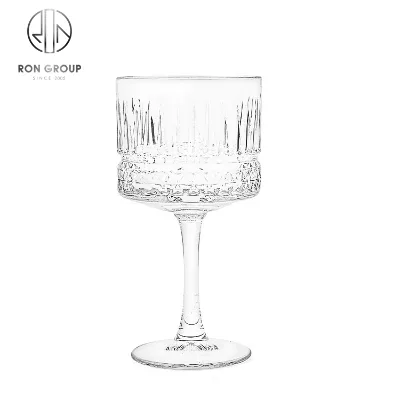
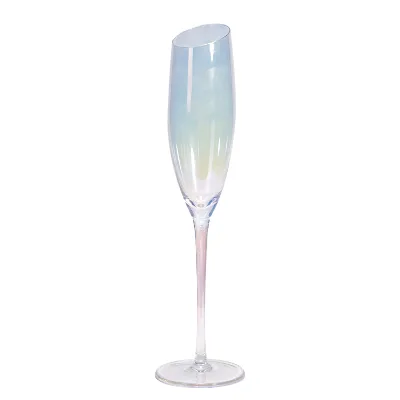
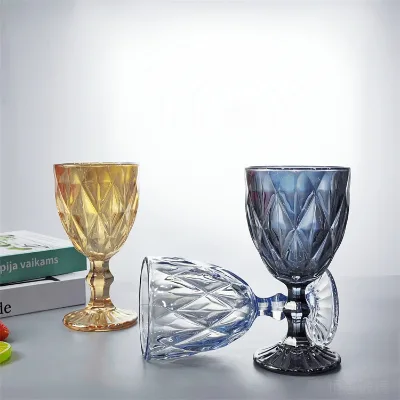
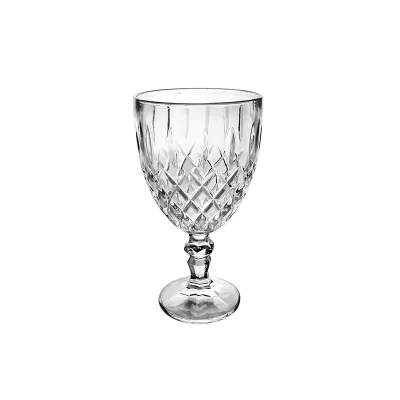


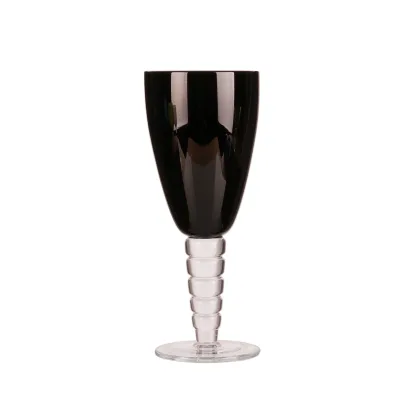
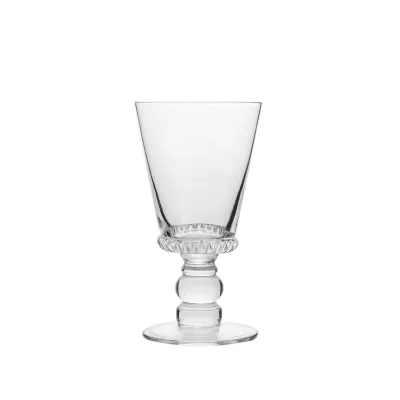
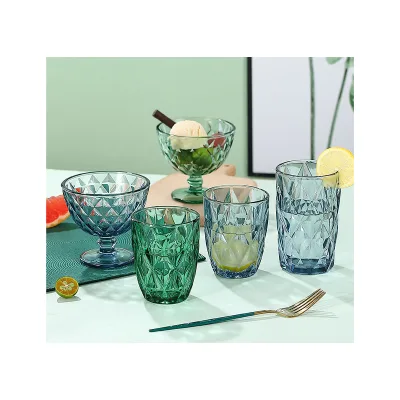
Solid black glass goblet vintage black champagne glass handmade black water goblet
$2.38 - $3.99
MOQ: 2000 Minimum


Comprehensive Sourcing Guide
Vintage European Glass Goblet Sourcing Guide
Sourcing vintage European glass goblets requires distinguishing between authentic antique pieces and modern reproductions that mimic historical aesthetics. The current market offers a range of retro-styled glassware, such as borosilicate vintage corrugated goblets, which are designed to evoke a classic European feel while meeting modern manufacturing standards. Buyers must carefully evaluate whether the product is intended for decorative display or functional use in bars, hotels, and restaurants, as the material durability and design intent vary significantly between these categories.
Procurement strategies should focus on verifying the specific glass type and manufacturing method, as these factors directly impact the product's longevity and safety. While some listings describe items as "mouth-blown" or "handmade," others indicate mass-produced cylindrical shapes with simple designs. It is essential to confirm if the glass is clear, colored, or engraved, and to ensure the capacity aligns with standard serving sizes like 300ml or 16 oz. This verification prevents mismatches between the aesthetic expectations of a vintage style and the practical realities of the supplied product specifications.
Product Scope and Observed Listing Signals
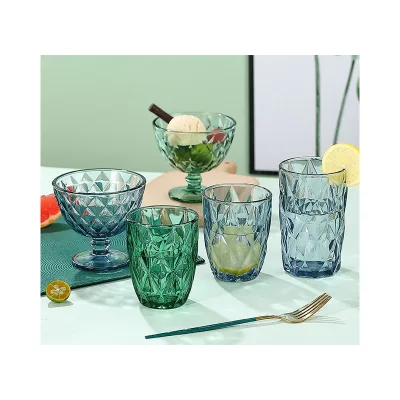
The observed product scope for vintage European glass goblets includes a variety of styles ranging from retro designs to simple cylindrical shapes. Listings frequently highlight features such as sustainability, customizability, and specific color options like blue, pink, green, and grey. These items are often marketed for use in diverse settings including offices, bars, and homes, with capacities typically falling under 10 oz or reaching up to 16 oz. Buyers should note that while the aesthetic is vintage, the underlying technology often involves modern glass types like borosilicate or standard clear glass.
Listing signals indicate a wide range of minimum order quantities, with some suppliers offering low entry points of 100 pieces while others require volumes up to 5000 units. The price range observed in the market spans from $0.20 to $3.99 per unit, reflecting differences in material quality, customization levels, and packaging complexity. Some products are sold as single items with standard packing, while others come in cartons with specific protective details like straw or corrugated boxes. Understanding these commercial signals helps buyers align their budget and volume requirements with the appropriate supplier tier.
Technical Specifications to Verify
Buyers must rigorously verify the physical dimensions and structural integrity of the glass goblets to ensure they meet operational needs. Key specifications include the single package size, which is often around 11x11x13 cm, and the single gross weight, typically listed at 0.500 kg. The shape is frequently described as cylindrical, though some variations exist, and the glass type may be specified as clear, colored, or featuring engraving. Confirming the exact capacity, whether it is 100ml, 300ml, or 500ml, is critical for ensuring the goblets function correctly in their intended service environment.
The manufacturing process and material composition are equally vital technical parameters that influence the final product's performance. Some suppliers offer mouth-blown or handmade crafts, which may command a different price point and aesthetic value compared to machine-pressed options. It is necessary to confirm if the glass is lead-free and heat-resistant, as these traits are essential for safety in food and beverage applications. Additionally, verifying the model number and design style ensures that the specific vintage aesthetic matches the buyer's branding or interior design requirements.
Compliance and Safety Documentation
Ensuring that vintage European glass goblets meet international safety standards is a non-negotiable aspect of B2B procurement. The supplied data indicates that compliant products often carry certifications such as CIQ, LFGB, FDA, and ROHS, which verify the material's safety for food contact and environmental compliance. Buyers should request current test reports to confirm that the glass is free from harmful substances like lead, especially for items intended for high-volume use in hospitality settings. These certifications serve as a primary indicator of the supplier's commitment to quality and regulatory adherence.
Documentation should also cover the specific standards applied to the product's production and packaging. While some listings mention standards related to capacity ranges like 100ml to 200ml, others specify broader ranges up to 500ml. It is crucial to verify that the packaging details, such as the use of corrugated boxes or straw, align with the safety requirements for shipping fragile glass items. Buyers must ensure that the supplier can provide a certificate of analysis or a declaration of conformity that explicitly references the relevant safety standards for the specific glass type and intended application.
Cost Drivers and Commercial Terms
The final cost of vintage European glass goblets is driven by several factors, including material quality, customization complexity, and order volume. While base prices may appear low, the cost increases significantly with custom designs, logos, or specific color requests. Suppliers often list prices as negotiable, reflecting the impact of these variables on the final quote. Buyers should anticipate that custom shapes and designs, which are frequently accepted by manufacturers, will incur higher unit costs compared to standard off-the-shelf models.
Commercial terms regarding minimum order quantities and packaging logistics play a significant role in the overall procurement budget. MOQs vary widely, with some suppliers requiring as few as 100 pieces while others mandate orders of 3000 units or more. Packaging details, such as single-item boxes or bulk cartons, affect both the unit price and the shipping weight. Buyers must clarify whether the price includes custom logo application and specific packing requirements, as these elements can substantially alter the total landed cost and the feasibility of the order for their specific business model.
Supplier Qualification and Quality Control
Evaluating supplier qualification requires a deep dive into their production capabilities and quality assurance processes. The origin of the glassware, often cited as Hebei or Liling in China, provides context for the manufacturing ecosystem, but buyers must verify the specific factory's track record. Suppliers offering customized designs and logos should demonstrate a robust process for maintaining consistency across large production runs. It is essential to confirm that the supplier has the infrastructure to handle custom shapes and specific glass types without compromising the structural integrity of the vintage aesthetic.
Quality control measures must be explicitly defined before placing an order to mitigate the risk of defects. Buyers should inquire about the supplier's inspection protocols for glass imperfections, such as bubbles, cracks, or uneven coloring, which are common concerns in glass manufacturing. Since the product is fragile, the packaging method, including the use of straw or corrugated materials, is a critical component of the quality control strategy. Establishing clear acceptance criteria and requesting pre-shipment samples can help ensure that the delivered goblets meet the expected standards for both appearance and durability.
Long-Term Procurement Checks
Establishing a long-term procurement relationship involves regular audits of supplier performance and product consistency. Buyers should monitor the supplier's ability to maintain the specified certifications and material standards over time, as these are critical for ongoing compliance. Regular checks on the lead times and the reliability of the supply chain are necessary to prevent disruptions in inventory, especially for high-volume orders. Consistency in the glass type, color, and capacity across different production batches is vital for maintaining brand integrity and customer satisfaction.
Continuous improvement in the product line should be a shared goal between the buyer and the supplier. As market trends evolve, the demand for sustainable or uniquely designed glassware may shift, requiring the supplier to adapt their production capabilities. Buyers should maintain open communication channels to discuss potential design updates or material improvements that could enhance the product's value. By proactively managing these relationships and verifying ongoing compliance, buyers can ensure a steady supply of high-quality vintage European glass goblets that meet their evolving business needs.
FAQs
What is the capacity of the retro glass goblets?
The retro glass goblets have a capacity of 300ML, which is less than 10 ounces. This size fits standard wine servings and is suitable for bar, hotel, and restaurant use. The cylindrical shape ensures a classic look while maintaining practical functionality for various beverage types.
Can I customize the logo and design on these cups?
Yes, customized logos and designs are acceptable for these glass goblets. The product allows for custom shapes and accepts specific design requests to meet unique branding needs. This flexibility makes them ideal for promotional events or specific corporate requirements in the hospitality industry.
Which certifications do these glass goblets hold?
These glass goblets hold CIQ, LFGB, FDA, and ROHS certifications. These standards ensure the borosilicate glass is safe for food contact and meets international quality requirements. The lead-free trait further guarantees safety for consumers using these cups in homes or commercial settings.
What is the minimum order quantity for these goblets?
The minimum order quantity is 100 pieces for the standard listing, though some variants may require 3000 pieces. Buyers should verify specific model requirements before ordering. This flexible MOQ allows small businesses to test the market while larger buyers can secure bulk inventory efficiently.
Where are these vintage glass goblets manufactured?
These goblets originate from Hebei, China, with some models produced in Liling, Hunan. The manufacturing process involves handmade or mouth-blown techniques to achieve a retro European style. This origin ensures access to established glass production hubs known for quality craftsmanship and competitive pricing.
How are the glass goblets packaged for shipping?
Each goblet is packed individually in a box with corrugated European wine beer goblet protection. The outer packaging uses cartons with straw for added safety during transit. This standard packing method ensures the single wall glass remains intact and prevents breakage while being shipped globally.