Source Glass Moisture-Proof Honey Jar for Food Storage
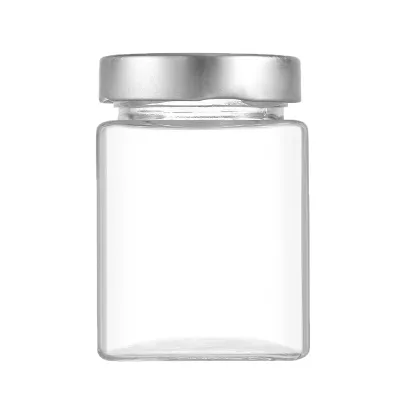
Find 30 Glass Moisture-Proof Honey Jar options in clear food-grade glass with screw thread lids. Compare capacities from 45ml to 1L, lead times, and customization features for food, candy, and tea storage applications; compare the available evidence and request quotations based on your requirements.
Key considerations
Products List




Comprehensive Sourcing Guide
Glass Moisture-Proof Honey Jar Sourcing Guide
Sourcing glass moisture proof honey jars requires a strategic balance between material integrity, sealing performance, and commercial scalability. These containers are essential for preserving the viscosity, flavor, and shelf life of high-value viscous products like honey, jams, and specialty syrups. The primary challenge lies in ensuring that the glass formulation and lid mechanics work in tandem to prevent moisture ingress and crystallization, which can compromise product quality. Buyers must prioritize suppliers who demonstrate expertise in both glass manufacturing and precision lid engineering, as a failure in either component can lead to significant supply chain disruptions and customer complaints.
The procurement landscape for these jars is characterized by a wide range of customization options and varying minimum order quantities. Manufacturers often offer standard models alongside fully bespoke solutions, allowing brands to tailor the aesthetic and functional aspects of their packaging. However, this flexibility comes with complexities in quality control and lead time management. Procurement teams need to establish clear communication channels early in the sourcing process to align on design specifications, material certifications, and production timelines. Understanding the nuances of the supplier’s capabilities is crucial for mitigating risks associated with large-volume orders and ensuring consistent product delivery.
Product Scope and Observed Listing Signals
The current market offers a diverse array of glass jars designed specifically for food storage, with a strong emphasis on moisture-proof capabilities. Listings frequently highlight features such as screw thread lids, which provide a reliable seal against humidity and air exposure. These jars are typically made from food-grade glass, ensuring that the contents remain uncontaminated and safe for consumption. The observed product range includes various capacities, from small 45ml samples to large 1000ml containers, catering to different packaging needs. Buyers should note that while many products are described as "clear" and "round," specific dimensions and wall thicknesses can vary significantly between suppliers, affecting both durability and shelf appeal.
Customization is a dominant theme in the available product listings, with many suppliers offering OEM services and customized packaging options. This allows brands to imprint logos, select specific colors, or request unique shapes to differentiate their products in the market. However, buyers must be aware that customization often impacts the minimum order quantity and lead times. Some suppliers indicate that their lowest prices and MOQs apply only to standard sizes without custom branding. It is essential to verify whether the supplier can handle complex customization requests without compromising the structural integrity of the glass or the sealing performance of the lid, especially for moisture-sensitive products like honey.
Technical Specifications to Verify
When evaluating technical specifications, the focus should be on the compatibility between the glass bottle and the lid system. The screw thread design is critical for creating an airtight seal, which is vital for preventing moisture absorption in honey and other hygroscopic foods. Buyers should verify the thread pitch and depth to ensure a snug fit that prevents leakage during transport. Additionally, the glass thickness and weight distribution are important factors that influence the jar’s durability and resistance to thermal shock. Suppliers often provide model numbers such as IDEA102 or IDG-101, which correspond to specific standard sizes and shapes. It is advisable to request detailed technical drawings to confirm these dimensions before placing an order.
The capacity range of available jars is extensive, with common sizes including 100ml, 250ml, 500ml, and 750ml. Some suppliers offer a broader range, from 45ml to 1000ml, allowing for flexible packaging strategies. Buyers should pay close attention to the tolerance levels for these capacities, as slight variations can affect labeling accuracy and filling line efficiency. Furthermore, the material composition of the glass should be confirmed to ensure it is lead-free and suitable for direct food contact. While many listings claim "food-grade" status, verifying the specific glass formulation can provide additional assurance regarding chemical stability and safety. Understanding these technical details helps in selecting the right jar for specific filling equipment and storage conditions.
Compliance and Safety Documentation
Compliance with international food safety standards is non-negotiable when sourcing glass jars for honey and other food products. Buyers must request documentation that verifies the jars meet relevant regulatory requirements, such as FDA and LFGB standards. These certifications ensure that the glass material does not leach harmful substances into the food, preserving its purity and safety. Additionally, ISO and CE certifications may be relevant for the manufacturing processes and machinery used by the supplier. It is crucial to obtain copies of these certificates and verify their validity with the issuing bodies. Suppliers who can provide comprehensive compliance documentation demonstrate a commitment to quality and regulatory adherence, reducing the risk of legal issues and product recalls.
Beyond material safety, buyers should also consider the environmental impact of the packaging. Many suppliers highlight their products as eco-friendly, which can be a significant selling point for conscious consumers. This may involve the use of recyclable materials, energy-efficient manufacturing processes, or reduced packaging waste. However, claims of eco-friendliness should be substantiated with evidence, such as lifecycle assessments or third-party certifications. Buyers should inquire about the supplier’s sustainability practices and whether they offer options for recycled glass content. Aligning packaging choices with corporate sustainability goals can enhance brand reputation and meet the growing demand for environmentally responsible products in the market.
Cost Drivers and Commercial Terms
The cost of glass moisture proof honey jars is influenced by several factors, including material quality, customization level, and order volume. Standard, unbranded jars in common sizes typically offer the most competitive pricing, while custom designs and smaller order quantities can significantly increase costs. Buyers should be aware that suppliers often quote prices based on the smallest size without a logo, as indicated in some listings. For larger or custom-sized jars, prices may vary due to differences in material usage and production complexity. Understanding these cost drivers helps in budgeting accurately and negotiating favorable terms with suppliers. It is also important to consider the total cost of ownership, including shipping, handling, and potential waste.
Commercial terms such as payment methods, lead times, and sample policies play a crucial role in the procurement process. Most suppliers accept T/T payments, which is a standard practice in international trade. Lead times can range from 7 to 10 days for standard orders, but this may extend for customized products or large volumes. Buyers should clarify these timelines during the negotiation phase to ensure they align with their production schedules. Additionally, many suppliers offer free samples, which is an excellent opportunity to evaluate product quality before committing to a large order. However, buyers should confirm whether shipping costs for samples are covered or if they need to be paid upfront. Clear communication about these terms helps in avoiding unexpected expenses and delays.
Supplier Qualification and Quality Control
Supplier qualification is a critical step in ensuring the reliability and consistency of glass jar supplies. Buyers should conduct thorough due diligence to assess the supplier’s manufacturing capabilities, quality control processes, and financial stability. This may involve requesting factory audits, reviewing past performance records, and checking references from other clients. Suppliers with a robust quality control system, such as multiple inspection stages, are more likely to deliver products that meet strict quality standards. It is also important to verify the supplier’s ability to handle custom orders and their responsiveness to issues or complaints. A qualified supplier will have clear protocols for addressing defects and ensuring customer satisfaction.
Quality control measures should be explicitly defined in the purchase agreement to protect the buyer’s interests. This includes specifying acceptance criteria for defects, such as cracks, chips, or seal failures. Buyers should also inquire about the supplier’s testing procedures for moisture-proof performance and durability. Some suppliers may conduct random sampling tests or provide batch-specific test reports. Establishing a clear quality assurance framework helps in maintaining consistent product quality and minimizing the risk of receiving substandard goods. Regular communication with the supplier regarding quality expectations and feedback can further strengthen the partnership and ensure continuous improvement in product quality.
Long-Term Procurement Checks
Long-term procurement success depends on establishing a sustainable and adaptable supply chain for glass moisture proof honey jars. Buyers should regularly review supplier performance metrics, including on-time delivery rates, defect rates, and responsiveness to issues. This ongoing evaluation helps in identifying potential risks and opportunities for improvement. It is also important to maintain open lines of communication with suppliers to stay informed about market trends, material availability, and technological advancements. Building a strong relationship with a reliable supplier can lead to better pricing, priority production, and collaborative innovation. Regular audits and performance reviews ensure that the supplier continues to meet the buyer’s evolving needs and quality standards.
As market demands and regulatory requirements evolve, buyers must be prepared to adapt their sourcing strategies accordingly. This may involve exploring new suppliers, negotiating revised contracts, or implementing new quality control measures. Staying informed about industry developments, such as new sustainability standards or packaging technologies, can provide a competitive advantage. Buyers should also consider diversifying their supplier base to mitigate risks associated with single-source dependencies. By maintaining a proactive and flexible approach to procurement, buyers can ensure a steady supply of high-quality glass jars that meet their business objectives and customer expectations. Continuous improvement and strategic planning are key to long-term success in the competitive packaging market.
FAQs
What certifications do these glass jars have?
These glass jars hold ISO, CE, LFGB, and FDA certifications to ensure safety for food storage. The products are made from food-grade glass and are lead-free. This ensures they meet international standards for storing honey, tea, and other food items safely without contamination risks.
Can I get custom packaging for these jars?
Yes, you can get customized packaging for these jars. The supplier accepts standard export cartons or fully customized packing solutions. This flexibility allows buyers to tailor the packaging to their specific branding needs while maintaining the structural integrity of the glass jars during shipping.
What is the lead time for production?
The lead time for production is typically 7 to 10 days. This timeframe applies to standard orders after sample approval. Buyers should note that custom molds or large volume orders may require additional time, so early planning is essential for meeting tight delivery schedules.
Which capacities are available for these jars?
Available capacities range from 45ml up to 1000ml, including specific sizes like 100ml, 250ml, 380ml, and 750ml. The jars come in various models to suit different storage needs. This wide range allows buyers to select the perfect size for honey, candy, or tea products.
How much is the minimum order quantity?
The minimum order quantity starts at 50 pieces but can go up to 100,000 pieces depending on the specific model. Some listings indicate an MOQ of 5000 pieces for certain sizes. Buyers should confirm the exact MOQ with the supplier based on the chosen capacity and customization options.
Are samples available for testing quality?
Free samples are available for testing the quality of these glass jars. The sample time is typically 5 to 7 days. This allows buyers to verify the product features, such as the screw thread lid and clear color, before committing to a larger bulk order for their business needs.
What is the payment method for orders?
The accepted payment method for orders is T/T or TT. This standard banking transfer method ensures secure transactions for both buyers and suppliers. It is a common practice in international trade for glass packaging products, facilitating smooth financial processing for bulk orders of varying sizes.