Source Reed Diffuser for Home, Office, and Hotel Use
Find 30 Reed Diffuser options for home, office, and hotel environments. Compare liquid volatilization models, custom packaging, and various scent profiles to select the right air freshening solution for your business needs.
Key considerations
Products List





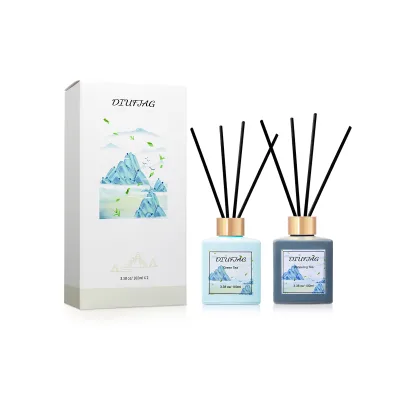
Reed Diffuser Advanced Living Room Reed Diffuser Oil Bathroom Bedroom 135ml
$2.97 - $3.47
MOQ: 100 Pieces



Comprehensive Sourcing Guide
Reed Diffuser Sourcing Guide
Product Scope and Observed Listing Signals
The Reed Diffuser market presents a diverse array of formats, ranging from traditional liquid-filled vessels to specialized jar configurations and decorative home lighting units. Current market observations indicate a product count of thirty distinct listings, suggesting a robust supply base with varying degrees of specialization. Buyers will encounter products categorized primarily as liquid reed diffusers, with specific models identified by unique production codes such as ODMF17-092405 and ODMF17-092419. These items are designed for home use, emphasizing functions such as fresh air circulation, odor removal, and general decoration. The working mechanism is consistently described as volatilization, where the liquid fragrance is drawn up through reeds or evaporates from a jar surface to scent the surrounding environment. This category also includes items with specific functional attributes, such as tranquilizing effects, which appeal to buyers seeking wellness-oriented home solutions.
Pricing and minimum order quantities (MOQs) exhibit significant variance, reflecting the customization capabilities and packaging complexities inherent in this product category. The observed price range spans from $0.01 to $8.60 USD, a wide band that likely correlates with differences in glass quality, fragrance concentration, and packaging sophistication. MOQs range from as low as one unit to 3,000 pieces, indicating that suppliers accommodate both small-scale trial orders and large-volume commercial procurement. Customization is widely available, allowing buyers to tailor product models, packaging designs, and potentially fragrance profiles to their brand requirements. The presence of specific packing details, such as 6PCS/CTN or 350g/Paper Box, highlights the importance of logistics planning, as the physical dimensions and weight of the finished goods directly impact shipping costs and storage efficiency.
Technical Specifications to Verify
When evaluating reed diffusers, the physical dimensions and volume of the container are critical factors that influence both aesthetic appeal and functional longevity. Suppliers provide specific standard measurements for various models, such as L12W12H26.5cm for certain carton-packed units or D8.9*H8.5cm for smaller paper-boxed variants. Buyers must verify these dimensions against their retail display requirements and shipping container capacity. Additionally, the volume of the liquid content, such as the 100ml specification noted for jar-type diffusers, determines the scent throw duration and refill frequency. The fragrance concentration is another key technical parameter; for instance, a 15% fragrance percentage indicates a specific intensity level that must align with the target market’s preferences for subtle versus strong ambient scents.
Packaging specifications vary significantly across suppliers and directly affect product protection and unboxing experience. Common packaging methods include 3-layer corrugated boxes with paper inserts, single paper boxes with CMYK printing and hot stamping, and bulk carton shipments. For example, one model is packed in 350g paper boxes, while another utilizes a carton configuration of 80 bottles per unit. The weight of individual items, such as the 0.52kg noted for certain models, must be accounted for in total shipment weight calculations. Buyers should also consider the structural integrity of the packaging, particularly for glass vessels, to prevent breakage during transit. The availability of custom packaging options allows for brand differentiation, but it requires precise coordination of design files and material specifications with the supplier to ensure consistency across production batches.
Compliance and Safety Documentation
Safety and regulatory compliance are paramount when sourcing fragrance products, particularly those intended for home use where exposure to children and pets may occur. Suppliers may provide documentation such as MSDS (Material Safety Data Sheets) and test reports, which are essential for verifying the chemical composition and safety profile of the liquid fragrance. The presence of standards like SGS and ISO in supplier listings suggests a commitment to quality management and independent verification of product attributes. Buyers must request these documents to ensure that the fragrance oils and solvents used meet the regulatory requirements of their target markets, including restrictions on specific allergens or volatile organic compounds (VOCs).
In addition to chemical safety, buyers should verify the compliance of the packaging materials and the final product with relevant environmental and consumer protection standards. While specific certification statuses are not universally listed, the mention of test reports indicates that suppliers are capable of providing evidence of product safety. It is crucial to confirm that the fragrance concentration and formulation do not pose health risks, especially for products marketed with health care or tranquilizing benefits. Buyers should also ensure that the labeling on the packaging, including warning labels and ingredient lists, complies with local regulations. This due diligence helps mitigate liability risks and ensures that the products can be legally sold and distributed in the intended regions.
Cost Drivers and Commercial Terms
The cost of reed diffusers is influenced by several factors, including the complexity of the packaging, the quality of the fragrance oil, and the level of customization required. Customization options, such as specific printing techniques like hot stamping or CMYK printing on paper boxes, can increase production costs but offer significant branding value. The volume of the order also plays a critical role in pricing, with lower MOQs potentially commanding higher unit prices due to setup costs and smaller production runs. Buyers should negotiate based on their expected annual volume to secure more favorable pricing tiers, especially for standardized models with established production lines.
Commercial terms, including sample times and payment conditions, vary among suppliers and impact the overall procurement timeline and cash flow. Sample times are typically reported as 7-15 days, which is a reasonable window for evaluating product quality and packaging before committing to large orders. Buyers should factor this lead time into their product launch schedules and inventory planning. Additionally, the shipping method, whether by sea or air, will affect the total landed cost and delivery speed. It is advisable to clarify all commercial terms, including warranty policies and return procedures for defective goods, in the initial contract to avoid disputes later in the supply chain.
Supplier Qualification and Quality Control
Selecting a reliable supplier requires a thorough assessment of their manufacturing capabilities and quality control processes. Suppliers located in key manufacturing hubs such as Shanghai and Guangzhou, China, often have established supply chains for glass, paper, and fragrance ingredients. Buyers should verify the supplier’s production capacity and experience in handling reed diffusers, particularly for models with specific features like tranquilizing functions or unique decorative elements. Requesting references or case studies from previous clients can provide insights into the supplier’s reliability and consistency in meeting delivery and quality expectations.
Quality control measures should be implemented at multiple stages of production, from raw material inspection to final packaging. Buyers should establish clear quality standards for the fragrance oil, including scent accuracy, color consistency, and stability over time. Regular audits or third-party inspections can help ensure that the supplier adheres to these standards throughout the production process. Additionally, buyers should define acceptable defect rates and procedures for handling non-conforming products. Effective communication and collaboration with the supplier are essential for maintaining high quality and addressing any issues that arise during production or delivery.
Long-Term Procurement Checks
Sustaining a successful Reed Diffuser supply chain requires ongoing monitoring of supplier performance and market trends. Buyers should regularly review supplier metrics, such as on-time delivery rates, product quality consistency, and responsiveness to issues. Building a strong relationship with the supplier can facilitate better cooperation on new product development and problem resolution. It is also important to stay informed about changes in fragrance trends, packaging innovations, and regulatory requirements that may impact product design and compliance.
Continuous improvement in the procurement process involves evaluating the cost-effectiveness of different suppliers and packaging options. Buyers should periodically reassess their MOQs and pricing agreements to ensure they remain competitive and aligned with market conditions. Exploring opportunities for product diversification, such as introducing new scents or decorative styles, can help maintain consumer interest and drive sales. By maintaining a proactive approach to supplier management and market analysis, buyers can secure a stable and profitable supply of reed diffusers for their business.
FAQs
What customization options are available for reed diffusers?
Customization is available for these reed diffusers to meet specific buyer needs. You can request tailored packaging, scents like rose, or specific dimensions such as L12*W12*H26.5cm. This flexibility allows brands to align products with their unique market requirements.
How long does it take to receive a sample?
It takes 7 to 15 days to receive a sample of the Reed Diffuser. This sample time applies to the standard production models listed. Buyers should plan their procurement timeline accordingly to ensure timely decision-making for bulk orders.
Which certifications do the reed diffusers hold?
The products hold SGS, ISO, and TEST REPORT certifications along with MSDS documentation. These standards ensure safety and quality compliance for international trade. Buyers can verify these documents to confirm the product meets regulatory requirements for their target markets.
Can I find reed diffusers with specific packaging requirements?
Yes, various packaging options exist including 3-layer corrugated boxes or paper boxes with CMYK printing. Some units come in cartons with 6 to 80 bottles per carton depending on the model. This variety supports different shipping and retail display needs.
What are the typical dimensions for these reed diffusers?
Dimensions vary by model, ranging from D8*H10.5cm to L10*W10*H26.5cm. Specific models like ODMF17-092405 measure L12*W12*H26.5cm. Buyers should select the size that best fits their intended usage for home decoration or fresh air applications.
Where are these reed diffusers manufactured?
These reed diffusers originate from China, with specific production locations in Shanghai and Guangzhou. The manufacturing base supports global export requirements. Buyers can expect consistent quality control from these established production centers in the region.
What is the minimum order quantity for reed diffusers?
The minimum order quantity ranges from 1 to 3000 units depending on the specific product model. This flexibility allows small buyers to test the market while accommodating large wholesale orders. The exact MOQ should be confirmed for each selected model.