Source Lead Free Contemporary Whiskey Cup for Bars Hotels Restaurants
Compare 30 Lead Free Contemporary Whiskey Cup options from verified Chinese manufacturers. Buyers can evaluate capacities ranging from 100ml to 500ml, customization features, and certifications like LFGB and FDA for restaurant and bar applications; compare the available evidence and request quotations based on your requirements.
Key considerations
Products List


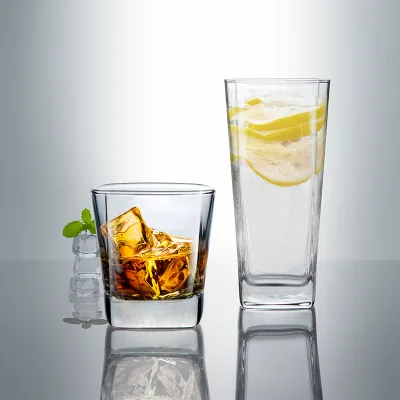
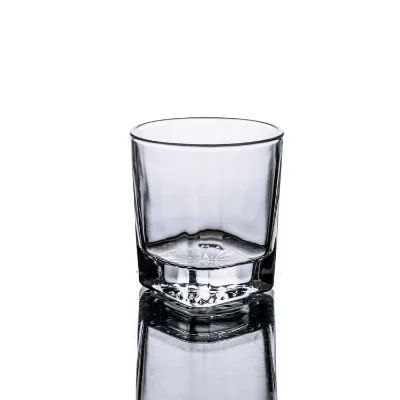
Wholesale Lead Free Rock Whisky Cup Whiskey Glass Old Fashioned Whisky Glass
$0.20 - $0.40
MOQ: 3000 Pieces


Wine Glass Wine Glasses for Wedding Home Wholesale Whiskey Glasses Water Cup Juice Cup
$0.25 - $0.40
MOQ: 1000 Pieces


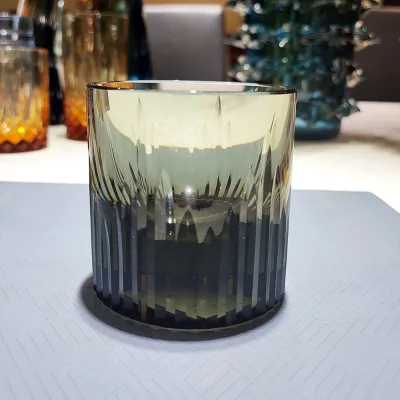
Promotion New Fancy Stripe Design 14oz Whisky Glass Drinking Cup for Sale
$0.49 - $0.70
MOQ: 1000 Pieces






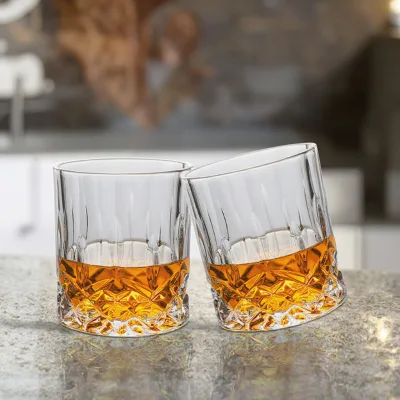
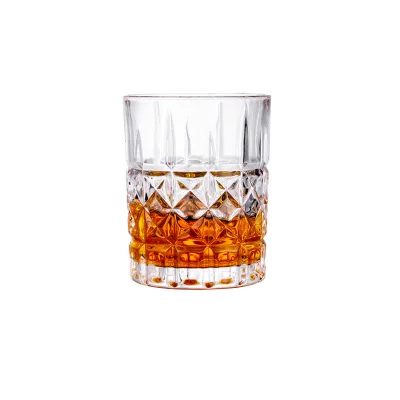
Wholesale Handmade Eco-Friendly Glass Cocktail Whisky Cup Customizable for Parties Glass
$4.50 - $5.00
MOQ: 200 Pieces



Comprehensive Sourcing Guide
Lead Free Contemporary Whiskey Cup Sourcing Guide
Procuring lead-free contemporary whiskey cups requires distinguishing between standard clear glass and patterned variants that offer distinct visual depth. The market presents options ranging from simple cylindrical shapes to custom designs, often featuring single-wall construction or double-glass insulation for thermal management. Buyers must verify that the "lead-free" trait is explicitly stated alongside heat resistance, as these attributes are critical for both safety and the integrity of the glass during thermal shocks.
Selection also hinges on the intended usage environment, whether for a restaurant, bar, or hotel setting. While some listings highlight "crystal glass" aesthetics, the actual material is typically standard glass with specific decorative techniques like decals or painted logos. Understanding the distinction between a basic tumbler and a specialized beaker ensures the chosen vessel aligns with the specific service style and durability requirements of the operation.
Product Scope and Observed Listing Signals
The observed product range includes capacities from under 10 ounces up to 16 ounces, with specific models supporting standard volumes like 12 ounces or 470 milliliters. Listings frequently indicate a capacity range of 100 to 500 milliliters, suggesting flexibility in sizing for different serving needs. Buyers should note that while some products are described as "colored," others are explicitly "colorless," allowing for a choice between clear transparency and tinted aesthetics depending on the brand identity.
Customization is a dominant signal in this category, with many suppliers offering custom shapes, designs, and logo application methods such as laser etching or spray painting. The availability of free samples and the option for negotiated pricing indicate a market geared toward bulk procurement rather than immediate retail sales. However, the minimum order quantities vary significantly, ranging from 480 pieces to 30,000 pieces, which dictates the initial investment required for inventory planning.
Technical Specifications to Verify
Technical verification must begin with the glass type and construction method, as the market offers both clear glass and patterned glass options. The "single wall" type is common for standard tumblers, while "double glass" constructions provide superior insulation for hot or cold beverages. Buyers should confirm the specific model numbers, such as 440 or 16203, to ensure the physical dimensions and wall thickness match the intended application, particularly for heavy-use environments like bars.
The manufacturing technique, often described as "decal decorated" or "handmade mouth blown," directly impacts the final product's consistency and aesthetic value. Hand-blown items may offer unique character but require stricter quality control to ensure uniformity in weight and shape. Additionally, the presence of handles on certain accessories suggests a specific ergonomic design, which must be verified against the intended user experience to prevent accidental breakage or discomfort during service.
Compliance and Safety Documentation
Safety compliance is paramount, with suppliers frequently citing certifications such as LFGB, FDA, and REACH to validate the lead-free status of their glassware. These certifications are essential for ensuring the product meets international safety standards for food contact, particularly in markets like the European Union and North America. Buyers must request current test reports to confirm that the "lead-free" claim is backed by independent laboratory analysis rather than just a supplier assertion.
Beyond material safety, documentation should cover export compliance, including CIQ and EEC certifications which are often listed alongside other regulatory marks. The presence of CE/EU certification indicates adherence to specific European safety directives, which is crucial for importers targeting those regions. It is vital to ensure that the documentation provided matches the specific batch of goods being ordered, as certifications can sometimes be generic and not applicable to every production run.
Cost Drivers and Commercial Terms
The cost of these whiskey cups is influenced heavily by the customization level, with options for custom shapes and designs commanding higher prices than standard stock items. The observed price range of 0.2 to 18.5 USD reflects the vast difference between basic, mass-produced tumblers and premium, hand-blown, or intricately decorated pieces. Buyers should anticipate that complex decorative techniques like painted logos or specific decal applications will increase the unit cost significantly.
Commercial terms are equally variable, with minimum order quantities ranging from 480 pieces to 30,000 pieces depending on the supplier and product complexity. Packaging methods, such as carton packing or the inclusion of protective straw, also affect the final landed cost and shipping efficiency. Negotiable pricing structures suggest that volume commitments and long-term partnership potential can significantly alter the per-unit cost, making detailed negotiation essential for optimizing the procurement budget.
Supplier Qualification and Quality Control
Supplier qualification should focus on their origin and production capabilities, with many manufacturers located in Liling, Hunan, China, a known hub for glassware production. Buyers must verify the supplier's ability to handle the specific production techniques required, such as mouth-blown craftsmanship or precise decal application, to ensure the final product meets design expectations. The availability of free samples is a strong indicator of a supplier's confidence in their quality control processes and willingness to engage in a trial phase.
Quality control protocols must address the specific traits of the glass, such as heat resistance and the absence of lead, which are critical for safety and durability. Inspections should verify that the "fancy" attributes, whether colored or patterned, are applied consistently without defects that could compromise the structural integrity of the cup. Establishing clear acceptance criteria for visual defects and dimensional accuracy is necessary to prevent the receipt of substandard inventory that could damage the buyer's brand reputation.
Long-Term Procurement Checks
Long-term procurement success relies on maintaining consistent supply chain relationships and verifying that production standards remain stable over time. Buyers should regularly audit the supplier's ability to meet the specified capacity ranges and model numbers, ensuring that the "in stock" availability does not lead to delays during peak demand periods. Continuous communication regarding any changes in material sourcing or manufacturing techniques is essential to prevent unexpected shifts in product quality or safety compliance.
Finally, the procurement strategy must account for the evolving nature of market trends and consumer preferences regarding glassware design. Regularly reviewing the product catalog for new models or updated certifications ensures that the inventory remains relevant and competitive. Establishing a feedback loop with end-users can help identify any recurring issues with the glass cups, allowing for proactive adjustments to specifications or supplier selection before significant problems arise.
FAQs
What certifications do these glass cups have?
These glass cups hold multiple certifications including LFGB, ROHS, REACH, FDA, CIQ, EEC, and CE EU. These standards ensure the products meet international safety and quality requirements for food contact and general use in various markets.
Can I customize the shape and design of the cups?
Yes, customization is available for both shape and design style. Buyers can request specific models like 440 or 13012 with custom logos applied via laser, spray, decal, or paint methods to match their brand identity.
What is the minimum order quantity for these glass products?
The minimum order quantity varies by product, ranging from 36 pieces up to 30,000 pieces. Specific listings show MOQs of 1000, 3000, or 480 pieces depending on the model and customization level required by the buyer.
Which capacities are available for the lead free whiskey cups?
Available capacities include 12 oz, 16 oz, 14 oz, and sizes under 10 oz. Standard specifications cover volumes from 100ml to 500ml, with specific models offering 200ml, 300ml, 450ml, and 470ml options for different usage needs.
How are these glass cups packaged for shipping?
The cups are typically packaged in cartons, with some options including protective straw packing. This ensures safe transport while maintaining the integrity of the clear or patterned glass during international shipping to various destinations.
What is the origin location for these glass manufacturing products?
The products originate from Liling, Hunan, China, and other locations within China. This region is known for glass manufacturing, providing a reliable source for high-quality glassware used in restaurants, bars, and hotels globally.