Source Refillable Leak Proof Lip Balm Tube for Cosmetics
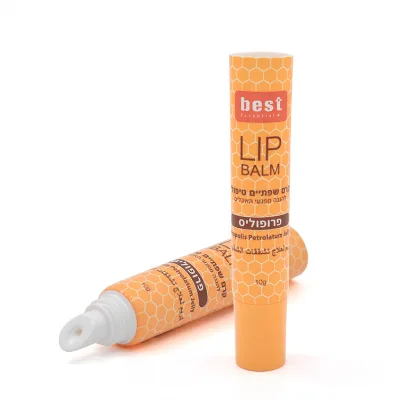
Explore 30 options for a refillable leak proof lip balm tube designed for cosmetics, medicine, and toothpaste applications. Buyers can compare specifications like volume, cap types, and customization features from verified manufacturers in China; compare the available evidence and request quotations based on your requirements.
Key considerations
Products List




Comprehensive Sourcing Guide
Refillable Leak Proof Lip Balm Tube Sourcing Guide
Sourcing refillable leak-proof lip balm tubes requires a strategic balance between aesthetic customization and functional integrity. Buyers must prioritize packaging that protects sensitive formulations while offering brand differentiation through surface treatments like color painting, logo printing, and hot stamping. The market offers diverse options, including round plastic containers with flip caps and specialized designs featuring glass droppers or pump sprayers. Understanding these variations is essential for selecting the right vessel for your specific product line, whether it targets compact cosmetics or medicinal applications.
The procurement landscape is characterized by significant variability in minimum order quantities and production capacities. Suppliers typically list MOQs ranging from 10,000 to 12,000 pieces, with some accepting lower volumes for customized samples. Production capabilities often reach up to 500,000 pieces per month, indicating that established manufacturers can handle large-scale orders efficiently. Buyers should evaluate these capacity metrics against their sales forecasts to ensure supply chain stability, while also considering the flexibility offered by OEM and ODM services that allow for tailored designs and branding solutions.
Product Scope and Observed Listing Signals
The observed product range includes various volumes, such as 4ml, 5g, 10g, and multi-size options like 10ml, 15ml, 20ml, and 25ml. Materials are predominantly plastic, with specific components like PP caps and PE tubes providing durability and chemical resistance. Some listings highlight unique features such as "Tube in Tube" technology or leak-proof locks, which are critical for preventing product leakage during transit. These structural details suggest a focus on user experience and product preservation, allowing brands to maintain quality standards across different distribution channels.
Customization is a central theme in the current market, with suppliers offering customizable colors, logos, and surface treatments. Buyers can request any cap and rubber color, enabling precise brand alignment. Additionally, the availability of customized samples allows for rigorous testing before committing to bulk orders. This flexibility supports innovative packaging strategies, such as using compact designs for travel-friendly cosmetics or specialized tubes for lipstick and toothpaste applications. Understanding these signals helps buyers identify suppliers who can meet specific aesthetic and functional requirements.
Technical Specifications to Verify
Verifying technical specifications is crucial for ensuring product compatibility and performance. Buyers should confirm the exact material composition, such as PP for caps and PE for tubes, to guarantee chemical stability with various formulations. Dimensions and thickness, such as 0.8mm wall thickness, impact durability and perceived quality. It is also important to verify the sealing mechanism, whether it is a flip cap, screw-on cap, or pump sprayer, to ensure it meets the leak-proof requirements of the product. These details directly influence the user experience and the product's shelf life.
Packaging standards and shipping methods are another critical area for verification. Suppliers often use inner trays, PE bags, and cartons for protection, with standard carton sizes like 253015cm. Buyers should confirm if the packaging can be customized to meet specific logistical needs, such as space optimization in shipping containers. Additionally, verifying the production model numbers, such as HX-Tube-363 or BN-PT-012, helps in tracking specific design features and ensuring consistency across orders. Clear communication on these technical aspects prevents misunderstandings and ensures the final product meets all operational requirements.
Compliance and Safety Documentation
Compliance with international standards is non-negotiable for cosmetic and medicinal packaging. Buyers must request documentation for certifications such as ISO 9001, ISO 14001, and ISO 14000, which indicate robust quality and environmental management systems. While some listings mention RoHS compliance, buyers should verify this independently to ensure the materials are free from harmful substances. This verification is particularly important for products intended for sensitive skin or internal use, where safety is paramount.
Transparency in material sourcing and manufacturing processes is also essential. Buyers should inquire about the recyclability of the packaging materials, as sustainability is increasingly influencing consumer choices. Confirming that the supplier adheres to recognized standards helps mitigate risks associated with regulatory non-compliance in target markets. Additionally, understanding the supplier's approach to waste management and energy efficiency can provide insights into their long-term operational stability and ethical standing. These factors contribute to a brand's reputation and compliance posture.
Cost Drivers and Commercial Terms
Cost drivers in this sector include material costs, customization complexity, and order volume. Custom surface treatments like hot stamping and logo printing add to the unit price, while higher MOQs often result in better per-unit costs. Buyers should analyze the trade-off between customization depth and budget constraints, ensuring that aesthetic enhancements do not disproportionately inflate the total cost of goods. Understanding these variables allows for more accurate budgeting and pricing strategies for the final product.
Commercial terms such as payment methods, lead times, and shipping arrangements significantly impact the overall procurement cost. Suppliers typically offer express, air, and sea shipping options, each with different cost and time implications. Buyers should negotiate clear terms for sample production and bulk order fulfillment to avoid hidden fees. Additionally, understanding the supplier's production capacity and lead times helps in planning inventory levels and avoiding stockouts. These commercial considerations are vital for maintaining a healthy cash flow and operational efficiency.
Supplier Qualification and Quality Control
Supplier qualification involves assessing their production capabilities, quality control processes, and customer service responsiveness. Buyers should verify the supplier's ability to handle OEM and ODM requests, ensuring they can replicate designs accurately and consistently. Requesting references or case studies from previous clients can provide insights into the supplier's reliability and performance. Additionally, evaluating their response time and communication style is crucial for building a productive partnership.
Quality control measures should be clearly defined and agreed upon before placing orders. Buyers should inquire about the supplier's inspection protocols, including pre-production samples and final random inspections. Understanding how defects are handled and what warranties are offered provides peace of mind. Furthermore, verifying the supplier's ability to maintain consistent quality across large batches is essential for brand integrity. These steps help mitigate risks and ensure that the final product meets the expected standards of quality and performance.
Long-Term Procurement Checks
Long-term procurement success depends on continuous monitoring of supplier performance and market trends. Buyers should regularly review supplier metrics, such as on-time delivery rates, defect rates, and responsiveness to issues. Establishing a structured feedback loop allows for continuous improvement and addresses any emerging challenges promptly. Additionally, staying informed about industry developments, such as new materials or sustainability initiatives, helps in making informed decisions about future packaging strategies.
Building a resilient supply chain involves diversifying suppliers and maintaining strong relationships with key partners. Buyers should avoid over-reliance on a single source and explore alternative options to mitigate risks. Regular audits and performance reviews ensure that suppliers continue to meet evolving requirements. Furthermore, fostering open communication and collaboration can lead to innovative solutions and cost-saving opportunities. These long-term checks are essential for sustaining competitive advantage and operational excellence in the packaging sector.
FAQs
Can I get a customized logo on the refillable leak proof lip balm tube?
Yes, customized logo design is available for this product. You can choose from color painting, logo printing, or hot stamping processes to apply your branding. The cap and rubber color can also be customized to any color as your request, ensuring your packaging matches your brand identity perfectly.
What is the minimum order quantity for the refillable leak proof lip balm tube?
The minimum order quantity varies between 10,000 and 12,000 pieces depending on the specific model selected. Some listings indicate an MOQ of 10,000 pieces while others require 12,000 pieces. Buyers should verify the exact requirement for their chosen specification before placing an order to ensure compliance.
How is the refillable leak proof lip balm tube sealed to prevent leaks?
The tube features a leak-proof lock sealing type designed to prevent product leakage during transport. It typically includes a flip cap or a PP screw-on cap to ensure secure closure. This design helps maintain product integrity and prevents spills when the container is stored or shipped globally.
What materials are used to manufacture the refillable leak proof lip balm tube?
The product is primarily made of plastic, with specific components like PP caps and PE tubes. Some models may include a glass dropper with a plastic cap. The material choice ensures durability and compatibility with various cosmetic formulations while maintaining a lightweight profile for efficient shipping and handling.
Which certifications does the refillable leak proof lip balm tube hold?
The product holds ISO certifications, including ISO 9001, ISO 14000, and ISO 14001 standards. These certifications indicate adherence to quality management and environmental management systems. Buyers can rely on these standards to ensure the manufacturing process meets international requirements for safety and quality control in cosmetic packaging.
Can the refillable leak proof lip balm tube be customized for volume?
Yes, the tube is available in multiple volume specifications such as 4ml, 5ml, 10ml, 15ml, 20ml, and 25ml. The product is designed to be refillable, allowing for flexible usage. Buyers can select the specific volume that best suits their product needs while maintaining the leak-proof and customizable features.
What is the production capacity for the refillable leak proof lip balm tube?
The manufacturer has a production capacity of 500,000 pieces per month. This high output ensures that large orders can be fulfilled efficiently without significant delays. Buyers can rely on this capacity to meet bulk procurement needs while maintaining consistent quality and timely delivery schedules for their cosmetic packaging requirements.