Source Embroidery Custom Plush Toy for Gifts, Promos, and Events
Compare 20 Embroidery Custom Plush Toy options from verified Chinese manufacturers. Buyers can evaluate customization, certifications, and pricing for gifts, promotional items, and event giveaways. These products feature soft materials, custom designs, and various sizes suitable for different age groups.
Key considerations
Products List
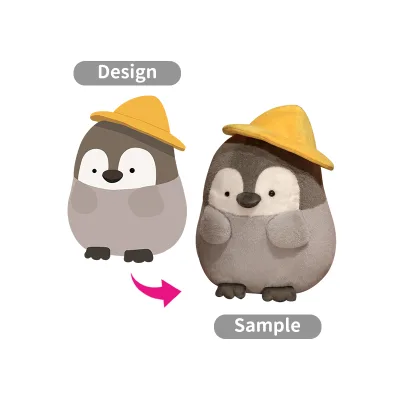


Custom High Quality Plush Toy Cute Plushies Highly Detailed Custom Plush Toys
$2.00 - $5.00
MOQ: 100 Pieces


Comprehensive Sourcing Guide
Embroidery Custom Plush Toy Sourcing Guide
Buyers seeking embroidered custom plush toys must first distinguish between general promotional items and specialized gift products, as the supply chain varies significantly by end-use. The observed market data indicates a strong presence of customizable options where the primary attribute is the ability to incorporate customer logos and specific design requests. This flexibility allows procurement teams to source items ranging from simple keychains to larger, hand-made dolls, ensuring the final product aligns with specific brand identity or gifting requirements.
When evaluating listings, it is critical to recognize that product attributes like "Soft Comfortable" and "Cute Lovely" are subjective observations rather than guaranteed performance metrics for every unit. Buyers should verify that the specific listing they select explicitly supports the desired customization level, such as the availability of custom modeling sources or specific filling materials like cotton or PP cotton. Understanding these distinctions prevents the acquisition of generic stock that fails to meet the unique branding or tactile expectations of the target audience.
Product Scope and Observed Listing Signals
The product scope for embroidery custom plush toys spans a diverse range of applications, including gifts, promotional giveaways, and collectible items. Listings frequently highlight attributes such as "Gift" usage and "Customized Plush Doll" naming, suggesting a market heavily oriented toward personalized merchandise. The presence of "Hand-Made" technical attributes alongside "Canvas" or "Cotton Fabric" materials indicates that many suppliers offer artisanal production methods, which can influence both the perceived value and the lead time required for order fulfillment.
Procurement signals also reveal significant variability in minimum order quantities, with observed ranges extending from a single piece to three thousand units. This disparity requires buyers to carefully match their order volume to supplier capabilities, as some vendors may offer low MOQs of one piece for sampling while others enforce thresholds of two thousand pieces for production runs. Additionally, the observation of specific product models like HWY000000 and HW000000 suggests that standardized SKUs exist alongside fully bespoke orders, necessitating clear communication regarding whether a buyer needs a catalog item or a unique design.
Technical Specifications to Verify
Technical verification must begin with the physical composition of the plush toy, specifically the materials used for the outer shell and internal filling. Buyers should confirm whether the product utilizes "Cotton Fabric," "Canvas," or a blend of "Plush+PP Cotton," as these choices directly impact the durability, texture, and safety profile of the final item. The specification of "Medium" size alongside "Grey" or "Casual" color options provides a baseline, but the ability to customize weight and dimensions is often a critical requirement for brands seeking specific product proportions.
Beyond materials, the production method and packaging standards are essential technical parameters to validate before placing an order. The "Hand-Made" attribute implies a labor-intensive process that may affect consistency, while the "Boxed" or "Carton" packing options (often containing 30-40 pieces per carton) influence logistics and storage costs. Buyers must also verify the sample time, which ranges from 3 to 7 working days depending on the supplier, to ensure that the production timeline aligns with their project schedule and that the "Customers Logo" can be accurately applied during the embroidery phase.
Compliance and Safety Documentation
Safety compliance is non-negotiable for plush toys intended for children, requiring verification of specific international standards such as ASTM F963, EN71, and CPSIA. The observed listings frequently cite these certifications, but buyers must ensure that the specific unit being purchased carries valid, up-to-date test reports rather than generic claims. The presence of "CE" and "Reach" certifications further indicates adherence to European safety regulations, which is particularly important for products destined for markets with strict chemical and mechanical safety requirements.
In addition to product safety, social and environmental compliance documentation should be requested to assess the ethical standing of the manufacturing facility. Certifications like BSCI and ISO9001 are listed in the supply data, suggesting that some suppliers maintain quality management systems and social responsibility audits. Buyers should explicitly request copies of these certificates to confirm that the factory adheres to labor standards and quality protocols, ensuring that the "High Quality" claim is backed by verifiable management systems rather than marketing language alone.
Cost Drivers and Commercial Terms
Cost structures for embroidery custom plush toys are heavily influenced by the complexity of the design, the volume of the order, and the specific materials selected. The observed price range of 0.5 to 9 USD reflects this variability, with lower costs typically associated with simpler designs and higher volumes, while custom embroidery and specialized fabrics like canvas can drive prices toward the upper end of the spectrum. Buyers must analyze how the "Custom" nature of the weight, size, and logo application impacts the unit cost, as these variables often require additional setup fees or higher material expenses.
Commercial terms regarding lead times and payment structures are equally critical for budgeting and supply chain planning. Production times are noted as approximately 20 days, though this can vary according to order quantity, while sample times range from 3 to 7 working days. The MOQ flexibility, ranging from 1 piece to 2000 pieces, allows for different procurement strategies, but buyers should be aware that smaller orders may incur higher per-unit costs or require negotiation on shipping terms. Clear agreements on these variables prevent unexpected delays and cost overruns during the fulfillment process.
Supplier Qualification and Quality Control
Supplier qualification should focus on their capacity to handle custom designs and maintain consistent quality across production batches. The availability of OEM and ODM services, along with the explicit mention of "Custom Designs" and "Customers Logo," indicates that suppliers are equipped to manage bespoke projects. However, buyers must verify the supplier's ability to replicate the "Soft Comfortable" feel and "Cute Lovely" aesthetic consistently, as these subjective attributes can vary significantly between different production runs or even within the same batch.
Quality control protocols must be established to ensure that the final product meets the agreed-upon specifications for materials and safety. Buyers should request pre-production samples to verify the embroidery quality, fabric texture, and filling density before authorizing full-scale production. Given the "Hand-Made" nature of some items, implementing a rigorous inspection process is essential to catch defects early. Additionally, confirming the supplier's adherence to the "Test: ASTM/En71" standards during the manufacturing process ensures that safety compliance is maintained throughout the production lifecycle.
Long-Term Procurement Checks
Establishing a long-term partnership requires regular audits of the supplier's ability to maintain quality and compliance over time. Buyers should schedule periodic reviews of the supplier's certification status, ensuring that BSCI, ISO9001, and safety test reports remain current and valid. This proactive approach helps mitigate risks associated with regulatory changes or shifts in manufacturing practices, ensuring that the supply chain remains robust and compliant with evolving international standards.
Continuous performance monitoring is also necessary to track the supplier's adherence to lead times and order accuracy. Since production times can vary based on order quantity, buyers should maintain open communication channels to anticipate potential delays and adjust inventory plans accordingly. Regularly reviewing the "Packing" standards and "Label or Hang Tag" customization capabilities ensures that the logistical and branding aspects of the supply chain remain efficient. By maintaining these checks, buyers can secure a reliable source for their Embroidery Custom Plush Toy needs while minimizing operational disruptions.
FAQs
Can I customize the design and logo on my plush toy?
Yes, customization is available for embroidery custom plush toys. You can provide your own designs, and the manufacturer supports OEM and ODM services. Customers can also add their own logo to the product. The label or hang tag can be customized to match your brand identity, ensuring a unique finished product.
What certifications do these plush toys meet?
These products meet strict safety standards including CE, En71, ASTM, Cpsia, and Reach. The testing standards include ASTM and En71 compliance. Additionally, the production facilities hold BSCI and ISO9001 certificates. These certifications ensure the toys are safe for children aged 3 and above, meeting international quality requirements.
What is the minimum order quantity for custom orders?
The MOQ is typically 100 pieces, but it is negotiable. Some listings show an MOQ of 2000 pieces, while others accept just 1 piece for samples. You can start with a small sample order to check quality before committing to a larger bulk production run, making it flexible for new buyers.
How long does production take for custom plush toys?
Production time is about 20 days, or it depends on the order quantity. Sample time takes 3 to 7 working days, or approximately 5 days. The final delivery schedule is determined by the number of products ordered, so larger orders may require additional time for manufacturing and quality control processes.
What materials are used in these custom plush toys?
The main materials include cotton fabric, canvas, and plush with PP cotton filling. The toys are described as soft and comfortable, suitable for gifts. The filling is cotton, and the outer material can be customized. This combination ensures durability and a pleasant tactile experience for users of all ages.
Are these plush toys suitable for use as gifts?
Yes, these items are explicitly listed for gift usage. They are described as cute and lovely, making them ideal presents. The customization options allow you to create unique gifts with specific logos or designs. Their soft texture and high quality make them a popular choice for corporate gifts or personal presents.