Source Refrigerated Truck for Frozen Goods for meat, ice cream, and food
Find 30 Refrigerated Truck for Frozen Goods options from Chinese manufacturers. Compare models like HFC5041XLCP73K2C3V and BJ5048XLC-FA with varying temperatures and capacities to suit frozen meat, ice cream, and general food transport needs; compare the available evidence and request quotations based on your requirements.
Updated
Key considerations
Products List


Compact Refrigerated Trucks for Frozen Food and Ice Cream Transport
$5800.00 - $29000.00
MOQ: 1 Pieces


High Quality 1.5t Refrigerated Cold Freezer Truck for Efficient Transport
$5800.00 - $29000.00
MOQ: 1 Pieces

4-Ton Refrigerated Truck Specialized in Transporting Frozen Food and Ice Cream Products
$5800.00 - $29000.00
MOQ: 1 Pieces

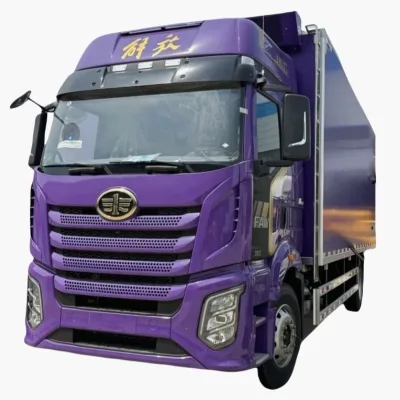
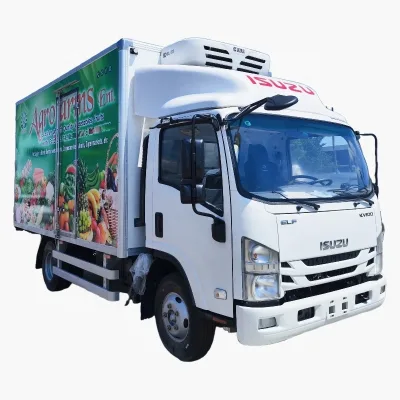
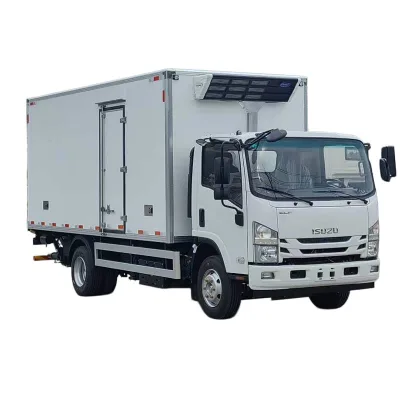
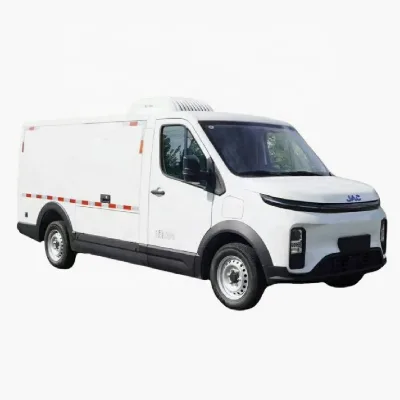
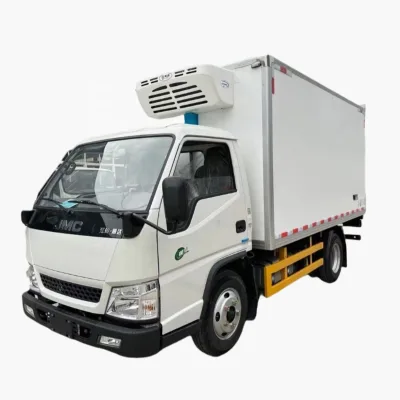
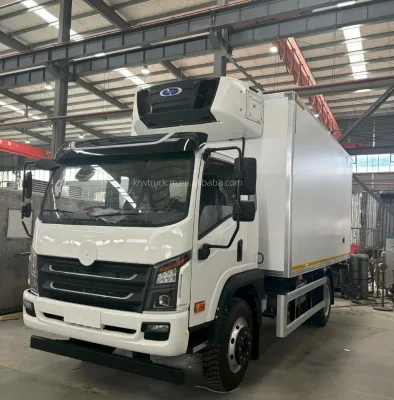

Reliable Cold Temperature Storage Refrigerated Van Truck for Food Goods
$4800.00 - $21800.00
MOQ: 1 unit

Hot Selling Manual Transmission Refrigerated Truck for Fresh and Frozen Goods
$4800.00 - $12800.00
MOQ: 1 unit


Stable Temperature Control New Condition 4*2 6ton 8ton Refrigerated Truck
$4800.00 - $12800.00
MOQ: 1 unit
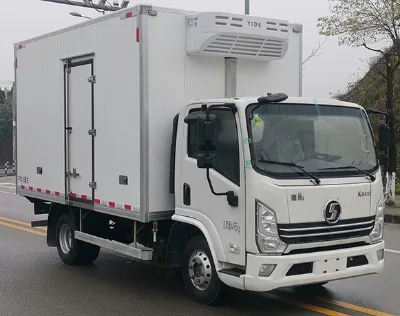

$4800.00 - $7800.00
MOQ: 10 Pieces


$4800.00 - $7800.00
MOQ: 10 Pieces
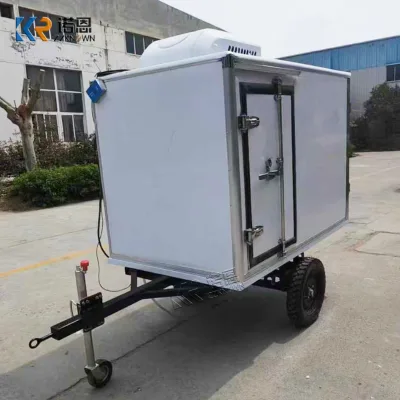


High-Performance Electric Refrigerated Delivery Truck for Fresh Goods
$13350.00 - $22000.00
MOQ: 1 Pieces

High-Performance Electric Refrigerated Delivery Truck for Fresh Goods
$13350.00 - $22000.00
MOQ: 1 Pieces


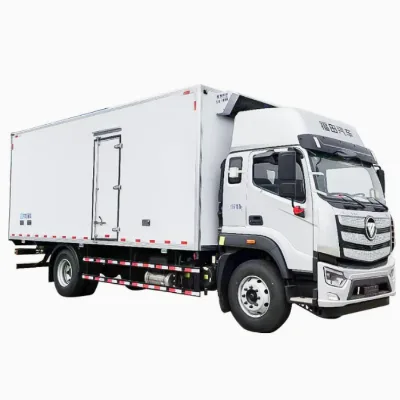

Refrigerated Lorry / Freezer Truck with Temperature Control for Frozen & Chilled Goods
$8600.00 - $19600.00
MOQ: 1 Pieces
Comprehensive Sourcing Guide
Refrigerated Truck for Frozen Goods Sourcing Guide
Procuring a Refrigerated Truck for Frozen Goods requires careful alignment of vehicle chassis capabilities with specialized cold chain bodywork. Buyers must first identify the appropriate car type, such as semi-trailers or vans, based on their specific logistics volume and route constraints. The observed market includes models with varying bearing capacities, ranging from small to medium loads, which directly influences the selection of the underlying chassis and suspension systems. Understanding these foundational vehicle attributes is critical before diving into technical specifications, as they dictate the overall payload efficiency and operational flexibility of the fleet.
Furthermore, the customization options available in the current market allow for significant tailoring to meet unique operational needs. Features such as customized colors, logos, and specific door configurations, like rear-opening hatches, enable brands to maintain visual identity while ensuring functional access. Buyers should evaluate how these customization elements interact with the core mechanical components, ensuring that aesthetic or branding choices do not compromise the structural integrity or thermal performance of the refrigerated box. This holistic view ensures that the selected vehicle supports both brand representation and rigorous logistical demands.
Product Scope and Observed Listing Signals
The current product landscape for refrigerated trucks includes a diverse array of models designed for frozen food and meat transportation. Observed listings highlight specific model numbers such as HFC5041XLCP73K2C3V and BJ5048XLC-FA, indicating a variety of chassis origins from manufacturers like JAC, Isuzu, and Foton. These vehicles are typically equipped with diesel engines, offering horsepower ranges that span from under 150hp to 150-250hp, catering to different power requirements for urban delivery versus long-haul transport. The presence of manual transmission types in some listings suggests that buyers should verify the preferred drivetrain configuration for their driver workforce and operational environment.
Temperature control capabilities are a primary differentiator in this product scope, with observed units offering temperature ranges from -5 to -18 degrees Celsius up to -25 degrees Celsius to 5 degrees Celsius. This variability means that buyers must precisely match the refrigeration unit’s capacity to their specific cargo requirements, whether for ice cream, frozen meat, or other sensitive goods. The inclusion of brands like Thermo King and Carrier in the refrigeration units indicates access to reputable cooling technology, but buyers must confirm the exact model and performance metrics for each specific truck configuration to ensure consistent cold chain integrity during transit.
Technical Specifications to Verify
Dimensional accuracy is paramount when selecting a refrigerated truck, as the internal cargo space must maximize volume while adhering to external road regulations. Buyers should verify the standard dimensions provided, such as 599521103130 mm or 496017202385 mm, to ensure compatibility with warehouse racking and loading docks. The wheelbase, observed at 3365 mm for certain models, significantly impacts maneuverability and stability, so it is essential to match this specification with the intended route characteristics. Additionally, tire specifications, such as 7.00r16 8pr, should be cross-referenced with the vehicle’s load rating to prevent premature wear or safety hazards under heavy frozen cargo loads.
Engine capacity and emission standards are critical technical factors that influence both operational cost and regulatory compliance. Observed engine capacities range from 4 to 6 liters, which generally correlates with the vehicle’s power output and fuel efficiency. Buyers must verify the emission standard, which can range from Euro 1 to Euro 6, depending on the target market’s environmental regulations. Confirming the exact emission level is necessary to avoid future compliance issues, especially if the trucks will be operated in regions with strict low-emission zones. Furthermore, the condition of the vehicles, typically listed as new, should be verified through factory inspection reports to ensure no manufacturing defects exist before deployment.
Compliance and Safety Documentation
Certification verification is a non-negotiable step in the procurement process to ensure that the refrigerated trucks meet international and local safety standards. Buyers should request documentation for certifications such as ISOCCC and TSCE, which indicate adherence to quality management and specific industry standards. These documents provide assurance that the manufacturing processes for both the chassis and the refrigerated box have undergone rigorous testing. It is crucial to validate that these certifications are current and applicable to the specific model being purchased, as standards can vary by region and model year.
Safety features and operational documentation must also be thoroughly reviewed to protect drivers and cargo. Buyers should ensure that the vehicles come with comprehensive manuals detailing the operation of the refrigeration unit, including maintenance schedules for Thermo King or Carrier systems. Additionally, verify that the electrical systems for the cooling unit are properly isolated from the chassis battery to prevent drain issues. Documentation regarding the structural integrity of the box, including insulation materials and door seals, should be provided to confirm that the temperature range claims are backed by laboratory test results. This due diligence minimizes the risk of cargo spoilage and ensures driver safety during long-haul operations.
Cost Drivers and Commercial Terms
Pricing for refrigerated trucks varies significantly based on the chassis brand, refrigeration unit quality, and customization level. Observed price ranges in the market span from approximately 1600 to 32576 USD, reflecting the disparity between basic models and fully equipped, high-specification units. Buyers should analyze this range to understand the cost implications of specific features, such as advanced temperature control systems or premium branding options. It is important to request detailed quotes that break down the cost of the chassis, the cold box, and the refrigeration unit separately to identify potential savings or value-adds.
Minimum Order Quantity (MOQ) and payment terms are key commercial factors that influence the overall procurement strategy. Observed MOQs range from 1 to 10 units, offering flexibility for both small fleet expansions and large-scale deployments. Buyers should negotiate terms that align with their cash flow, considering options for bulk discounts if ordering higher quantities. Additionally, clarify the packing methods, which can include nude shipping, bulk ship, RO-RO, or containerized transport, as these affect logistics costs and delivery timelines. Understanding these commercial terms helps in budgeting accurately and avoiding hidden costs associated with shipping and handling.
Supplier Qualification and Quality Control
Evaluating supplier qualifications is essential to ensure a reliable partnership for long-term procurement. Buyers should verify the supplier’s location, with many manufacturers based in Suizhou, Hubei, China, a known hub for special vehicle production. Assessing the supplier’s after-sales service capabilities, such as onsite installation, video technical support, and online support, is crucial for minimizing downtime in the event of mechanical or refrigeration failures. Suppliers with robust support networks can provide faster resolution of issues, which is vital for maintaining the integrity of the cold chain.
Quality control processes should be transparent and verifiable before finalizing any purchase. Buyers should inquire about the inspection procedures for both the chassis and the refrigerated box, including checks for insulation integrity, door seal functionality, and refrigeration unit performance. Requesting sample reports or third-party inspection results can provide additional confidence in the product quality. Furthermore, verify the supplier’s ability to provide customized solutions, such as specific logos or color schemes, without compromising the structural or thermal performance of the vehicle. This level of scrutiny ensures that the purchased trucks meet the highest standards of reliability and performance.
Long-Term Procurement Checks
Establishing a framework for ongoing performance monitoring is critical for maximizing the lifecycle value of refrigerated trucks. Buyers should implement regular maintenance schedules that include checks of the refrigeration unit’s compressor, condenser, and evaporator coils to prevent efficiency loss. Tracking fuel consumption and engine performance data can help identify potential issues early, allowing for proactive repairs rather than reactive fixes. Additionally, monitor the condition of the tires and suspension systems, as these components are subject to wear and tear from heavy frozen loads, impacting safety and operational costs.
Continuous engagement with the supplier for spare parts and technical updates is necessary to keep the fleet operational and compliant. Buyers should ensure that a steady supply of replacement parts, such as filters, belts, and sensors, is available to minimize downtime. Regularly review the supplier’s support services to ensure they remain responsive and effective. Furthermore, stay informed about changes in emission standards and safety regulations that may affect the fleet’s operation, allowing for timely upgrades or replacements. This proactive approach ensures that the refrigerated trucks remain a reliable asset for frozen goods transportation over the long term.
FAQs
What temperature ranges are available for these refrigerated trucks?
These trucks offer flexible temperature control to meet diverse cold chain needs. Standard models support ranges from -25°C to 5°C for general frozen transport. Specialized configurations can maintain -5°C to -18°C specifically for frozen food and ice cream logistics, ensuring product integrity during transit.
Which brands and refrigeration units are used in these vehicles?
Chassis options include major brands like JAC, Isuzu, FAW, Dongfeng, Shacman, Sinotruk Howo, and Foton. The refrigeration units are typically sourced from industry leaders such as Thermo King or Carrier, providing reliable cooling performance for heavy-duty frozen goods transportation across various operational conditions.
Can the trucks be customized for specific business requirements?
Yes, customization is available to suit unique operational needs. Buyers can select customized colors and logos, and choose between full color or monochrome picture options. The design features a nice shape and rational structure, allowing for tailored solutions that align with specific branding and functional requirements for frozen logistics.
What are the typical loading capacities and dimensions for these trucks?
Loading capacities generally range from 1 to 10 tons, suitable for medium bearing requirements. Standard dimensions vary by model, such as 5995x2110x3130 mm or 4960x1720x2385 mm. Specific freezer sizes like 4100x1740x1750 mm are available, ensuring adequate space for frozen meat, ice cream, and other temperature-sensitive cargo.
What certifications and emission standards do these trucks meet?
These vehicles comply with Euro 1 through Euro 6 emission standards, ensuring environmental compliance. Certifications include ISOCCC and TSCE, validating quality and safety standards. The trucks are designed to meet international regulatory requirements, making them suitable for global cold chain transport operations while adhering to strict environmental and safety protocols.
What after-sales services are provided for these refrigerated trucks?
Comprehensive after-sales support includes onsite installation, video technical support, and online assistance. This ensures buyers receive immediate help with setup and troubleshooting. The service framework is designed to minimize downtime and maintain operational efficiency, providing reliable technical guidance throughout the lifecycle of the Refrigerated Truck for Frozen Goods transport.