Source eco-friendly biodegradable custom oval stickers for labels, packaging, and price tags
Find 30 listings for eco-friendly biodegradable custom oval stickers suitable for beverage bottles, shipping labels, and food packaging. Compare specifications including material types like paper and vinyl, printing methods, and finishing options from verified suppliers.
Key considerations
Products List


Eco-Friendly Customized Logo Stickers - Scratch-Resistant Samples Available
$0.00 - $0.10
MOQ: 1000 Pieces


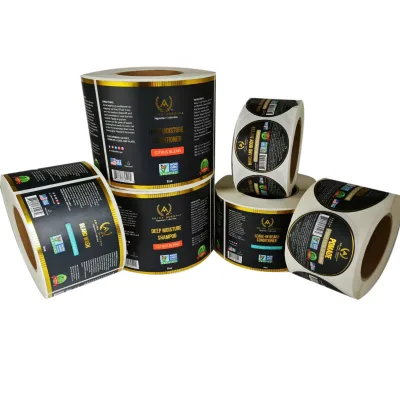


Custom Logo Printing Self-Adhesive Paper Stickers for Roll Packaging Cosmetic Use
$0.05 - $0.20
MOQ: 1000 Pieces


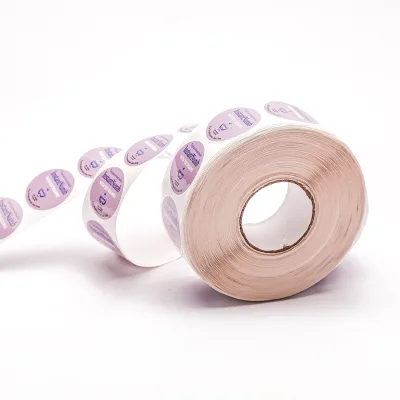

Custom Food Packaging Stickers Printing Custom Self Adhesive Stickers Labels
$0.02 - $0.05
MOQ: 1000 Pieces
Comprehensive Sourcing Guide
Strategic Sourcing Guide for Eco-Friendly Biodegradable Custom Oval Stickers
Procuring eco-friendly biodegradable custom oval stickers requires a disciplined approach that balances environmental claims with functional performance and supply chain reliability. In the B2B market, the term "eco-friendly" often encompasses a spectrum of materials and processing methods, ranging from paper-based substrates to specialized biodegradable films. Buyers must navigate a landscape where product attributes vary significantly between suppliers, even when the core keyword remains identical. This guide outlines the critical technical, compliance, and operational factors necessary to secure a supply chain that meets both sustainability goals and commercial requirements.
Technical Specifications and Material Composition
The foundation of any sticker procurement lies in the material composition and physical specifications. Based on observed market data, suppliers offer a diverse range of substrates, including paper and vinyl. While paper is frequently cited as a traditional eco-friendly option due to its biodegradability, vinyl presents a different set of challenges and benefits. Some listings explicitly describe products as "Sticky Biodegradable Printing Stickers," suggesting a specific formulation designed to degrade under certain conditions. However, other data points indicate the availability of standard vinyl stickers, which may not inherently possess biodegradable properties unless specified as a distinct product line.
For oval-shaped stickers, the shape specification is critical. The market supports OEM shapes, allowing for precise customization to fit unique branding needs. The thickness of the material is another vital parameter; observed specifications indicate a thickness of approximately 0.08mm, which is suitable for many labeling applications but may require adjustment for heavy-duty industrial use. The surface finish is equally important for brand perception and durability. Options typically include glossy or matte finishing, with some suppliers offering lamination processes such as matte or glossy lamination to enhance water resistance.
The printing capabilities must align with the chosen material. Offset printing is a common method observed in the sector, offering high-quality color reproduction. However, advanced suppliers also provide a broader suite of printing handling options, including UV digital printing, thermal transfer, gold stamping, and laser printing. The color profile is generally standardized around CMYK or Pantone color systems, ensuring brand consistency. Buyers should verify that the specific material selected (e.g., paper vs. vinyl) is compatible with the desired printing technique, as some biodegradable papers may have different ink absorption characteristics compared to synthetic vinyls.
Compliance and Certification Verification
When sourcing "biodegradable" products, verification of compliance is paramount to avoid greenwashing. While some background knowledge references standards such as EN13432, which pertains to compostability, these should not be assumed as automatic certifications for all listed products. The provided data indicates that product standards are often "custom" or "OEM size and OEM shape," implying that compliance is not a default state but a specific requirement negotiated with the supplier.
Buyers must actively request documentation to substantiate biodegradability claims. This includes asking for third-party test results that verify the product meets specific international standards for compostability or biodegradation. Relying solely on supplier marketing terms without physical test data is a significant risk. The absence of explicit certification data in general product listings means that the burden of verification falls on the buyer. It is essential to confirm whether the supplier can provide certificates for the specific batch of oval stickers being ordered, particularly if the end-use involves food contact or medical applications where regulatory compliance is strict.
Furthermore, the "eco-friendly" claim must be contextualized. A sticker may be biodegradable but require industrial composting facilities to break down, which may not be available in the buyer's target market. Conversely, a product might be labeled as biodegradable but contain additives that hinder the process. Therefore, procurement teams should treat certification status as a variable to be confirmed rather than a fixed attribute of the product category.
Cost Drivers and Pricing Dynamics
The cost of eco-friendly custom oval stickers is influenced by a complex interplay of material choice, customization level, and order volume. Observed price ranges in the market can vary from $0 to $1.60 per unit, reflecting the wide disparity between basic paper labels and specialized biodegradable vinyls. The primary cost driver is the material itself; biodegradable films and treated papers often command a premium over standard materials due to the specialized manufacturing processes involved.
Order volume plays a decisive role in pricing. The Minimum Order Quantity (MOQ) observed in the market ranges from 1 to 50,000 units. For small-batch procurement, the unit cost will be significantly higher due to setup fees for die-cutting and printing. Conversely, large-volume orders can leverage economies of scale, though the lead time and upfront capital requirement increase. The complexity of the shape also impacts cost; while oval shapes are common, irregular or highly specific OEM shapes may incur additional tooling charges.
Additional cost factors include surface finishing and printing complexity. Glossy or matte lamination adds a step to the production process, increasing the unit price. Similarly, multi-color printing using Pantone matching or specialized techniques like gold stamping and UV printing will drive costs higher than standard CMYK offset printing. Buyers should analyze the total cost of ownership, including shipping and packaging, as some suppliers use carton boxes for packing, which adds weight and volume to the shipment.
Typical Applications and Usage Scenarios
The versatility of custom oval stickers allows them to serve a wide array of industrial and commercial applications. Observed usage categories include custom stickers for bottled beverages, shipping labels, food packaging, price tags, and medicine labeling. The "Waterproof" feature is a common attribute, making these stickers suitable for environments where moisture resistance is required, such as beverage bottles or outdoor shipping containers.
In the food and beverage sector, the biodegradable nature of the stickers is a significant advantage, aligning with corporate sustainability goals and consumer expectations. However, for medical applications, the material must not only be biodegradable but also meet strict hygiene and safety standards. The "Industrial Use" category often highlights beverage applications, but the same product lines may be adapted for pharmaceuticals or general packaging films.
The die-cutting format, available in rolls or sheets, dictates the application method. Rolls are typically preferred for high-speed rotary printing machines, enabling automated application in production lines. Sheets are more suitable for manual application or lower-volume packaging needs. Buyers must ensure that the selected format matches their existing production infrastructure to avoid operational bottlenecks.
Supplier Evaluation and Selection Criteria
Selecting the right supplier requires a rigorous evaluation of their capabilities, location, and customization flexibility. The market data indicates that suppliers are located in various regions of China, including Jiangsu Lianyungang, Shanghai, and other areas. Geographic location can influence lead times and shipping costs, particularly for international buyers. Buyers should prioritize suppliers who demonstrate a clear capacity for customization, as the "Custom Order" and "Customization: Available" attributes are central to the product offering.
Key evaluation criteria include the supplier's ability to handle specific printing requirements, such as UV printing or offset printing, and their proficiency with die-cutting for oval shapes. The brand names observed, such as Zhehan and Brightpac, represent established entities, but buyers should not rely on brand recognition alone. Instead, focus on the supplier's technical documentation, their response to specific compliance queries, and their track record with similar eco-friendly projects.
The "Custom Order" capability is a strong indicator of a supplier's flexibility. Suppliers who accept custom orders are more likely to accommodate specific material requests, such as biodegradable vinyl or specialized paper grades. Buyers should also assess the supplier's packaging standards, as "Carton" or "Carton Box" packing is common, but the quality of packaging can affect the condition of the stickers upon arrival.
Quality Control and Performance Assurance
Maintaining consistent quality is essential for custom oval stickers, especially when they are used for branding or critical labeling. Quality control measures should begin at the material sourcing stage. Buyers must verify that the raw materials used for biodegradability are consistent and free from contaminants that could compromise the degradation process. The "High Grade" quality attribute observed in some listings suggests a baseline standard, but this should be validated through sample testing.
Performance testing is crucial for verifying the "Waterproof" and "Oil Proof" claims. Buyers should request samples to test adhesion, water resistance, and durability under real-world conditions. The surface finish, whether glossy or matte, must be consistent across the batch to ensure a professional appearance. Additionally, the printing quality, including color accuracy and registration, must be checked against the Pantone or CMYK standards agreed upon.
For biodegradable products, performance testing should also include degradation studies to ensure the product breaks down as expected under the specified conditions. This may involve sending samples to a third-party laboratory for analysis. The "Core Dia." of the rolls, observed as 3 inches or 1 inch, is another quality parameter that affects the usability of the stickers in automated machinery. Buyers should confirm that the core diameter matches their equipment specifications to prevent downtime.
Long-Term Procurement Considerations
Sourcing eco-friendly stickers is not just a one-time transaction but a strategic partnership that requires long-term planning. As regulations regarding packaging and sustainability evolve, suppliers must be able to adapt their product lines to meet new standards. Buyers should establish a relationship with suppliers who are proactive in researching and adopting new biodegradable technologies. This ensures a steady supply of compliant products as market demands shift.
Scalability is another critical factor. As the buyer's business grows, the supplier must be able to increase production capacity without compromising quality or lead times. The observed MOQ range of 1 to 50,000 units suggests flexibility, but buyers should negotiate volume discounts and capacity guarantees for future growth. Additionally, the supply chain's resilience should be assessed, particularly regarding the availability of raw materials for biodegradable products, which can sometimes be subject to supply constraints.
Finally, communication and transparency are vital for long-term success. Buyers should maintain open lines of communication with suppliers regarding any changes in product specifications, compliance requirements, or market conditions. By fostering a collaborative relationship, buyers can ensure that their custom oval stickers remain a reliable and sustainable component of their brand identity.
FAQs
What materials are available for eco-friendly biodegradable custom oval stickers?
Suppliers offer paper and vinyl materials for these stickers. While paper is a traditional eco-friendly option, some listings explicitly describe biodegradable printing stickers. Buyers must verify if the specific vinyl or paper grade meets their biodegradability requirements before ordering.
How can I verify the biodegradability claims for these custom stickers?
Buyers must actively request third-party test results to substantiate biodegradability claims. Product standards are often custom or OEM, meaning compliance is not a default state. Relying solely on marketing terms without physical test data is a significant risk for greenwashing.
Which printing methods are supported for custom oval sticker production?
Offset printing is a common method observed in the sector for high-quality color reproduction. Advanced suppliers also provide UV digital printing, thermal transfer, and gold stamping. The chosen material must be compatible with the desired printing technique to ensure brand consistency.
Can I order custom shapes and sizes for these adhesive stickers?
Yes, suppliers accept custom orders for oval and other OEM shapes. The market supports OEM shapes with thicknesses around 0.08mm. Surface finishes can be customized to glossy or matte, and sizes are available as customized label sticker dimensions to fit unique branding needs.
What is the typical price range and minimum order quantity for these stickers?
Observed price ranges vary from 0 to 1.6 USD per unit depending on material and volume. The minimum order quantity ranges from 1 to 50,000 units. Small batches incur higher unit costs due to setup fees, while large orders leverage economies of scale.
Where are the manufacturers of these biodegradable stickers located?
Suppliers are located in regions of China including Jiangsu Lianyungang and Shanghai. Geographic location influences lead times and shipping costs for international buyers. Buyers should prioritize suppliers who demonstrate clear capacity for customization regardless of their specific city of origin.
How are these custom stickers packaged and shipped?
Products are typically packed in carton boxes or cartons. Die-cutting formats are available in rolls or sheets to suit different application needs. Rolls are preferred for high-speed rotary printing machines, while sheets are suitable for manual application or lower-volume packaging needs.