Source Remote Control Electric Crawler for Mining, Hoisting, and Construction
Find and compare 30 Remote Control Electric Crawler options for industrial applications. These machines feature electric motor drive, lithium or lead-acid batteries, and customizable specifications for hoisting machinery and excavation tasks; compare the available evidence and request quotations based on your requirements.
Key considerations
Products List


500kg 1000kg Electric Remote Control Tracked Robot Chassis Rubber Crawler Undercarriage
$2000.00 - $5000.00
MOQ: 1 Sets

Rubber Track Undercarriage Electric Remote Control Tracked Robot Crawler Undercarriage
$2000.00 - $8000.00
MOQ: 1 Pieces


Mini Remote Tracked Chassis Electric Walking Track Undercarriage Crawler for Robot
$999.00 - $9999.00
MOQ: 1 Pieces
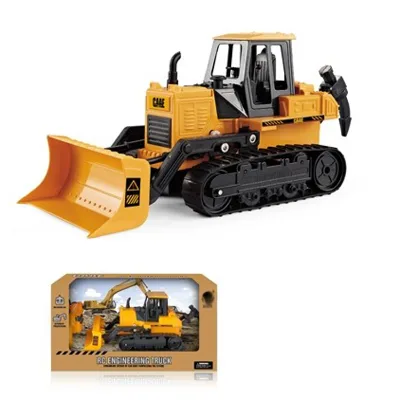

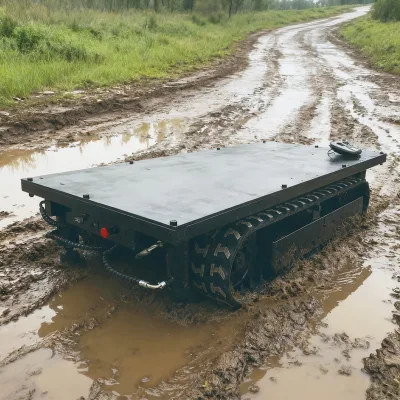
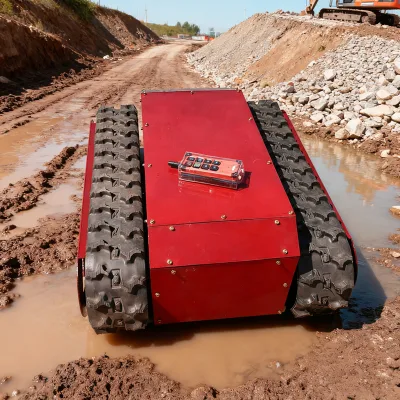


Best Selling Small Remote Monitoring Rubber Crawler with Great Performance
$290.00 - $400.00
MOQ: 10 Pieces


Comprehensive Sourcing Guide
Remote Control Electric Crawler Sourcing Guide
Buyers evaluating remote control electric crawlers must first distinguish between general utility models and specialized heavy-duty variants designed for hoisting or excavation. The observed market data indicates a wide spectrum of configurations, ranging from compact units with 24V lithium batteries to larger systems supporting 96V customizations. Understanding this variance is critical, as the drive mode and battery type directly dictate operational range and suitability for specific industrial environments.
Procurement decisions should prioritize the intended application, such as hoisting machinery or specialized excavator tasks, before selecting a specific model. The available listings show distinct options for electric motor drives alongside hydraulic transmission systems, requiring buyers to align their choice with the required torque and speed profiles. Verifying the specific model designation, such as QRET or QR-1.2T, ensures the selected unit matches the precise load and terrain requirements of the project.
Product Scope and Observed Listing Signals
The current market listings reveal a diverse range of crawler types, including electric drive models and those utilizing internal combustion engines for specific heavy-duty applications. Buyers should note that while electric options are prominent, some listings specify hydraulic motors or internal combustion drives, necessitating a careful review of the drive mode to ensure it matches the site's power availability and emission regulations. The observed price range spans from 1 to 270,000 USD, reflecting significant differences in capacity, battery technology, and customization levels.
Observations of the product scope indicate that customization is widely available, allowing for tailored battery voltages and color schemes to meet specific operational needs. The listings frequently mention rubber or steel belts, with some models featuring wear-resistant and heat-resistant tracks designed for harsh conditions. Buyers must verify the specific belt material and frame construction, as these attributes significantly impact durability and performance in mining or marine environments where these machines are often deployed.
Technical Specifications to Verify
When assessing technical capabilities, the climbing ability and speed range are primary verification points for operational safety and efficiency. The observed data suggests a climbing ability between 20 and 35 degrees, depending on the specific model, which is a critical metric for projects involving steep terrain. Additionally, the speed range of 0 to 6 km/h or customized options must be validated against the required workflow pace, ensuring the machine can navigate the site without compromising safety or productivity.
Battery specifications and remote control range are equally vital for maintaining continuous operation and operator safety. Listings indicate battery voltages ranging from 24V to 96V, with lithium and lead-acid options available, requiring buyers to confirm the energy density and recharge cycles suitable for their shift patterns. The remote control distance is observed at up to 1000m, but this figure should be verified in the specific operational context to ensure reliable signal transmission in areas with potential interference or complex topography.
Compliance and Safety Documentation
Certification status is a non-negotiable element of the procurement process, with CE marking appearing as a standard requirement for many listed units. Buyers must request valid certification documents to confirm that the machinery meets the necessary safety and electromagnetic compatibility standards for their target market. While some listings also reference ISO9001:2008, the primary focus should remain on the CE certification to ensure the product complies with European safety directives and other relevant international regulations.
Safety documentation should also include detailed manuals for the hydraulic and electrical systems, particularly for units with complex drive modes like hydraulic transmission or electric motor drives. The presence of specific components such as travel motors, main control valves, and planetary gear assemblies requires clear maintenance and safety guidelines to prevent operational failures. Buyers should ensure that the supplier provides comprehensive documentation covering the undercarriage parts, cabin components, and hydraulic pump systems to facilitate safe long-term operation.
Cost Drivers and Commercial Terms
The total cost of ownership is heavily influenced by the battery type and the level of customization required for the specific application. Lithium battery options, while offering higher energy density and longer life, typically command a higher initial price compared to lead-acid alternatives. Buyers must evaluate the long-term value of these batteries against the upfront investment, considering factors such as charging infrastructure, replacement cycles, and the specific voltage requirements of the motor system.
Commercial terms regarding minimum order quantities and packaging are also significant cost drivers in this sector. The observed MOQ range of 1 to 10 units allows for flexibility in trial orders, which is beneficial for testing performance before committing to larger volumes. Packaging options, including wrap film, pallets, or wooden cases, vary by model and must be factored into the logistics budget, especially for international shipments originating from China where specific export standards may apply.
Supplier Qualification and Quality Control
Supplier qualification should focus on the manufacturer's ability to provide consistent quality for critical components like the hydraulic pump, gear pump, and main control valve. The listings indicate the use of high-strength materials such as Q345/460 steel for the frame, which requires rigorous quality control to ensure structural integrity under heavy loads. Buyers should verify the supplier's track record in producing new units with full new conditions, avoiding any ambiguity regarding the age or history of the machinery.
Quality control processes must extend to the surface hardness and deepth of treated parts, with observed specifications ranging from HRC52-58 and 8mm to 12mm deepth. These metrics are essential for components like the bucket teeth and track shoes, which undergo significant wear during operation. Procurement teams should request evidence of these surface treatments and material certifications to ensure the machine can withstand the abrasive conditions typical of mining, excavation, and hoisting applications.
Long-Term Procurement Checks
Establishing a reliable supply chain for spare parts is essential for minimizing downtime and ensuring the longevity of the Remote Control Electric Crawler. The availability of specific undercarriage parts, such as carrier rollers, track rollers, and idlers, must be confirmed before finalizing the purchase. Buyers should verify that the supplier maintains a stock of critical components like the travel motor and bucket teeth to support ongoing maintenance needs without significant delays.
Long-term procurement strategies should also include a review of the supplier's support for customization and model updates. As the market evolves, the ability to adapt battery voltages or modify drive modes will be crucial for maintaining operational efficiency. Buyers should establish clear communication channels with the supplier to discuss future upgrades, ensuring that the machinery remains compatible with evolving site requirements and technological advancements in the electric drive sector.
FAQs
What is the drive mode for these crawler machines?
The drive mode is electric motor drive, utilizing either lithium or lead-acid batteries. This configuration supports speeds ranging from zero to six kilometers per hour. Customization is available to adjust voltage levels based on specific motor requirements for optimal performance.
Can these machines operate on steep slopes?
Yes, the climbing ability ranges from twenty to thirty-five degrees depending on the specific model selected. The crawler design ensures stability on inclines while the rubber or steel belts provide necessary traction for safe operation in challenging terrain conditions.
What certifications do these products hold?
These products hold CE certification and some models also meet ISO9001 standards. This ensures compliance with international safety and quality requirements. The condition is new, and customization options are available to meet specific buyer needs.
How far can the remote control operate?
The remote control distance extends up to one thousand meters for effective operation. This allows operators to manage the machinery safely from a distance. The system is designed for reliability in various industrial applications including hoisting and excavation tasks.
What materials are used for the frame and belt?
The frame is constructed from steel, ensuring durability and strength. The belt options include rubber or steel tracks, which are wear-resistant and heat-resistant. These materials are selected to withstand heavy-duty usage in mining and construction environments.
Are there options for customized battery voltage?
Yes, battery voltage can be customized based on the motor requirements. Available options include twenty-four, forty-eight, seventy-two, and ninety-six volts. This flexibility allows the machine to be tailored for specific power needs and operational efficiency.
What is the standard capacity range for these units?
The standard capacity ranges from one to ten tons depending on the model. Some specific models like the QR-1.2T are designed for lighter loads. This variety ensures suitability for different applications ranging from general hoisting to specialized mining operations.