Source Remote Control Digital Signage for Stores, Kiosks, and Offices
Compare 30 Remote Control Digital Signage units featuring 4K resolution, Android or Windows OS, and various screen sizes from 40 to 50 inches. Buyers can evaluate specifications including 4G Wi-Fi connectivity, IR touch screens, and customizable mounting options for indoor advertising players.
Key considerations
Products List


Remote Management Digital Signage Touch Screen Advertising LCD Display
$2600.00 - $3000.00
MOQ: 1 Pieces


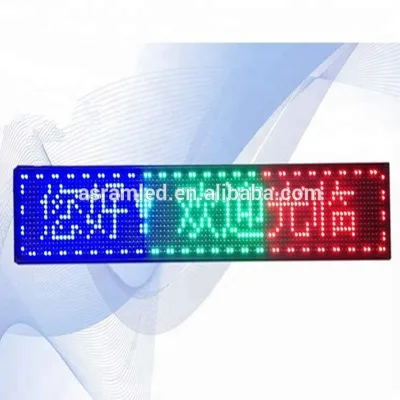
Remote Control LED Digital Display, Universal Remote Control Led Display
$150.00 - $300.00
MOQ: 1 units


$809.00 - $899.00
MOQ: 1 Sets


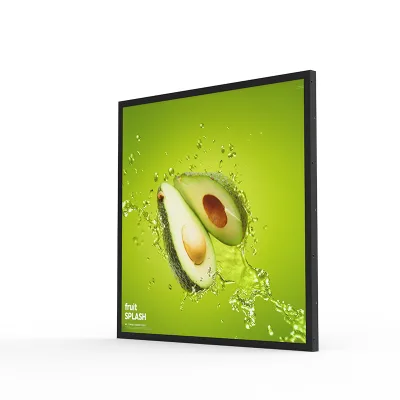


Smart Control Freestanding Rotatable Digital Signage Easy Content Remote Update
$490.00 - $600.00
MOQ: 1 Pieces


Comprehensive Sourcing Guide
Strategic Sourcing Guide for Remote Control Digital Signage
Understanding the Technical Architecture and Core Specifications
When sourcing Remote Control Digital Signage, buyers must first distinguish between the control mechanisms and the display hardware itself. The market presents two distinct but often integrated product categories: the remote control units that manage access or signal transmission, and the digital signage players that display content. A comprehensive procurement strategy requires evaluating the technical specifications of both components to ensure seamless integration.
For the remote control segment, the primary technical attributes revolve around frequency, modulation, and decoding capabilities. The observed market data indicates that effective units typically operate within the 433MHz, 315MHz, or 330MHz frequency bands. These frequencies are critical for ensuring signal penetration and range, with typical transmission distances observed between 50 and 100 meters. The modulation types commonly utilized include Ask (Amplitude Shift Keying) and Fsk (Frequency Shift Keying), which dictate how data is encoded onto the radio wave.
Crucially, the decoding capability of the remote control unit determines its versatility. Advanced units support a wide array of chip codes, including EV1527, EV527, Hcs301, Sc2260, and various duplicator protocols. This allows the device to handle both rolling codes and fixed codes, providing a necessary layer of security for commercial applications. The physical interface often includes LED indicators in red, green, or blue to provide visual feedback on signal transmission status. The weight of these units is generally lightweight, around 0.1kg, facilitating easy portability and installation.
Conversely, the digital signage display units, often referred to as Network Version AD Players, require a different set of specifications. These units typically feature screen sizes ranging from 40 to 50 inches, with specific models available in 43-inch configurations. The resolution is a key differentiator, with high-end units offering 4K Ultra HD capabilities to ensure crisp visual content. The operating system is another vital specification; while some units run on Android, others may support Windows 10, influencing the software ecosystem and application compatibility. Connectivity is paramount, with standard interfaces including HDMI, USB, and VGA ports.
The physical construction of the signage unit also demands attention. Many units are equipped with 4mm tempered glass to protect the screen from impact, and the touch screen technology often utilizes infrared sensors for high precision. Special features such as built-in cameras, waterproofing, and remote control integration are becoming standard requirements for outdoor or high-traffic indoor environments. The memory and storage capacity are equally important; observed configurations include 16GB of memory and 128GB of storage, ensuring smooth playback of high-definition media without lag.
Compliance and Certification Verification
In the B2B procurement of electronic signage and control systems, compliance with international standards is not merely a formality but a prerequisite for market access and liability protection. Buyers must rigorously verify that products meet specific certification requirements before finalizing orders. The supply chain for these devices typically mandates adherence to RoHS (Restriction of Hazardous Substances) and CE (Conformité Européenne) standards, which ensure the product does not contain hazardous materials and meets European safety, health, and environmental protection requirements.
Furthermore, the FCC (Federal Communications Commission) certification is essential for devices operating in the United States, particularly those utilizing radio frequencies like the 433MHz or 315MHz bands mentioned in the technical specifications. This certification confirms that the device does not cause harmful interference to other radio communications. In addition to these, the CCC (China Compulsory Certification) is often required for products manufactured or sold within China, while ISO9001 certification indicates that the manufacturer adheres to a recognized quality management system.
The table below outlines the critical certifications and their relevance to the procurement of Remote Control Digital Signage components:
| Certification | Relevance to Product Category | Verification Requirement |
|---|---|---|
| RoHS | Electronic components and wiring | Verify absence of lead, mercury, cadmium, and other restricted substances. |
| CE | Market access in Europe | Ensure the Declaration of Conformity matches the specific product model. |
| FCC | Radio frequency devices (Remote controls) | Confirm ID number and test reports for frequency compliance. |
| CCC | Domestic Chinese market | Check for the specific CCC mark on the product label. |
| ISO9001 | Manufacturer quality management | Request the valid certificate of the manufacturing facility. |
Buyers should not assume that all listed products automatically possess these certifications. The presence of a certification label on a product page is an observation, not a guarantee of compliance for every unit in a specific batch. Procurement teams must request valid, up-to-date test reports from the supplier for each specific model before placing an order. This due diligence is particularly important for the remote control units, as non-compliant radio frequencies can lead to signal interference issues in dense commercial environments.
Cost Drivers and Pricing Dynamics
The pricing of Remote Control Digital Signage systems is influenced by a complex interplay of factors, including component quality, customization levels, and order volume. The observed price range in the market spans from $11 to $3,000, reflecting the vast difference between a simple remote control unit and a fully integrated, high-resolution digital signage kiosk.
For the remote control components, the cost is primarily driven by the complexity of the decoding chip and the modulation technology. Units supporting advanced rolling codes and multiple frequency bands command higher prices than those limited to fixed codes. The inclusion of additional features such as LED indicators, waterproof casings, or specific antenna designs also contributes to the unit cost.
In contrast, the digital signage units have a more significant cost structure. The screen size and resolution are the most dominant cost drivers. A 43-inch 4K display with 16GB memory and 128GB storage will naturally cost significantly more than a smaller, lower-resolution unit. The operating system license (Android vs. Windows) and the inclusion of specialized features like built-in cameras or touch screen technology further escalate the price.
Order volume plays a critical role in determining the final price. The observed Minimum Order Quantity (MOQ) ranges from 1 to 100 units, with many suppliers setting a standard MOQ of 100 pieces for custom or bulk orders. Buyers purchasing at the lower end of the MOQ spectrum may face higher per-unit costs, while those ordering in larger quantities can negotiate more favorable pricing. The packaging specifications, such as 50 or 500 pieces per carton, also impact logistics costs and should be factored into the total cost of ownership.
Typical Applications and Use Cases
The versatility of Remote Control Digital Signage allows for deployment across a wide array of commercial and industrial applications. The primary use case identified in the market is for automatic doors, where the remote control unit serves as the activation mechanism. In this context, the device must provide reliable signal transmission over distances of 50 to 80 meters to ensure seamless operation in large commercial spaces like malls, hospitals, and office buildings.
Beyond access control, the digital signage component is extensively used in indoor advertising and information dissemination. The "Indoor AD Player" classification highlights its role in retail environments, corporate lobbies, and educational institutions. The ability to run on Android or Windows 10 allows for the deployment of dynamic content, including video loops, interactive menus, and real-time data feeds. The 4K resolution and large screen sizes make these units ideal for high-impact visual marketing campaigns.
The installation method is another critical application factor. The "Vertical" installation specification suggests that these units are often mounted on walls or pillars, optimizing space in high-traffic areas. The "Universal" nature of the remote controls allows them to be integrated into various existing systems, making them suitable for retrofitting older infrastructure with modern access control and signage capabilities.
Supplier Evaluation and Trade Terms
Selecting a reliable supplier is a critical step in the procurement process. Buyers should evaluate potential partners based on their location, production capacity, and adherence to trade terms. The supply chain for these products is heavily concentrated in China, with major manufacturing hubs in Fujian and Shenzhen. These regions offer a mature ecosystem for electronics manufacturing, but buyers must verify the specific origin of the goods to ensure quality consistency.
Trade terms are another vital consideration. The standard terms of trade observed include FOB (Free on Board) and EXW (Ex Works). FOB terms are generally preferred by buyers as they transfer the risk and cost of shipping to the supplier once the goods are loaded onto the vessel. EXW terms, on the other hand, place the responsibility for logistics entirely on the buyer.
Payment terms are typically structured to mitigate risk for both parties. A common arrangement involves a 30% deposit before production begins and a 70% balance payment before shipment. This structure ensures that the supplier has the capital to manufacture the order while protecting the buyer from paying the full amount before the goods are ready. Buyers should also inquire about the specific delivery methods available, which often include DHL, FedEx, TNT, UPS, air freight, or sea shipment. The choice of delivery method will significantly impact the lead time and total cost.
Quality Control and Long-Term Procurement Considerations
Ensuring the long-term reliability of Remote Control Digital Signage requires a robust quality control strategy. Buyers should establish clear acceptance criteria based on the technical specifications provided. For remote controls, this includes testing the transmission distance, decoding accuracy, and battery life. For digital signage units, testing should focus on display quality, touch sensitivity, and system stability under continuous operation.
The lead time for these products varies depending on the order size and customization requirements. Sample orders typically have a lead time of 1 to 5 days, allowing for rapid prototyping and testing. However, bulk orders generally require 20 to 35 days for production and delivery. Buyers must factor this lead time into their project schedules to avoid delays in installation and launch.
Customization is a key feature offered by many suppliers, allowing buyers to tailor the product to their specific needs. This can include custom branding, specific frequency settings, or unique packaging requirements. However, customization often extends the lead time and may increase the unit cost. Buyers should clearly define their customization requirements early in the negotiation process to ensure the supplier can meet the specifications within the desired timeframe.
Finally, long-term procurement considerations include the availability of spare parts and technical support. Given the electronic nature of the products, components may eventually fail or require upgrades. Buyers should verify the supplier's policy on warranty, repair, and replacement. A supplier with a strong track record in the industry and a commitment to after-sales support will provide greater peace of mind and ensure the longevity of the investment. By carefully evaluating these factors, buyers can secure a reliable supply chain for their Remote Control Digital Signage needs.
FAQs
What certifications do Remote Control Digital Signage products typically have?
These products commonly hold RoHS, CE, FCC, CCC, and ISO9001 certifications. Buyers must verify specific test reports for each model batch, as listed certifications are observations rather than guarantees for every unit in a specific order.
Which frequencies are supported by the remote control units?
The units operate on 433MHz, 315MHz, or 330MHz frequencies. These bands ensure effective signal transmission over distances of 50 to 100 meters for applications like automatic doors and indoor signage control.
How long does it take to receive sample orders?
Sample orders typically require a lead time of 1 to 5 days. Bulk orders generally take 20 to 35 days to complete, depending on customization requirements and current production capacity at the factory.
What is the minimum order quantity for these products?
The standard minimum order quantity is 100 pieces, though some suppliers may accept orders as low as 1 unit. Pricing and terms often vary based on whether the order meets the standard bulk threshold of 100 units.
Can buyers request custom packaging for large orders?
Customization is available for packaging and product specifications. Standard packing is often 50 or 500 pieces per carton, but suppliers can adjust these details to meet specific buyer logistics and storage requirements.
Which screen sizes are available for the digital signage players?
Available screen sizes range from 40 to 50 inches, with specific models like the 43-inch unit available. These displays support 4K Ultra HD resolution and are designed for indoor advertising and information dissemination.
What payment terms are standard for these transactions?
Standard terms require a 30% deposit before production and a 70% balance before shipment via T/T. Buyers should confirm the exact payment schedule with the supplier to ensure alignment with production milestones.