Source Remy Human Hair Topper for Women, Men, and Custom Needs
Explore 30 listings for Remy Human Hair Topper options including Swiss and French lace materials with lengths from 6 to 30 inches. Buyers can compare production times, densities, and customization availability across various hair types like Indian, Brazilian, and Chinese hair.
Key considerations
Products List


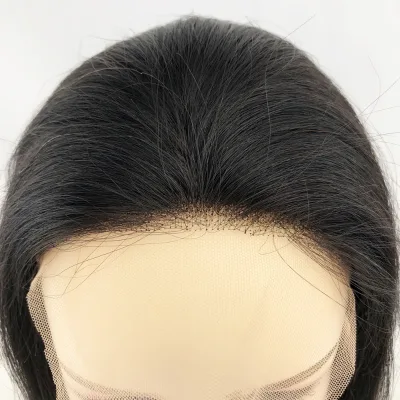



New Arrival High Quality Clip in Human Hair Toupee Remy 100% Silk Top Human Hair Topper
$151.41 - $304.88
MOQ: 1 pieces


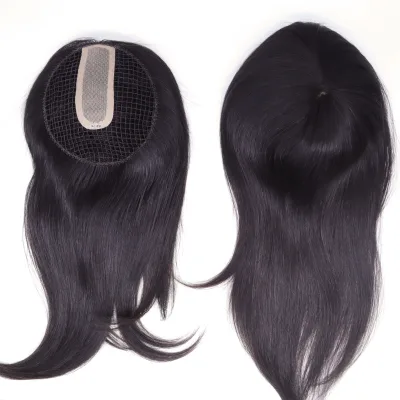
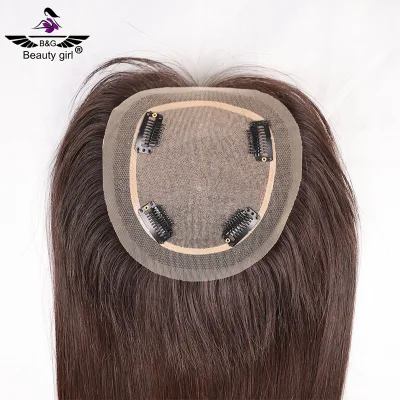
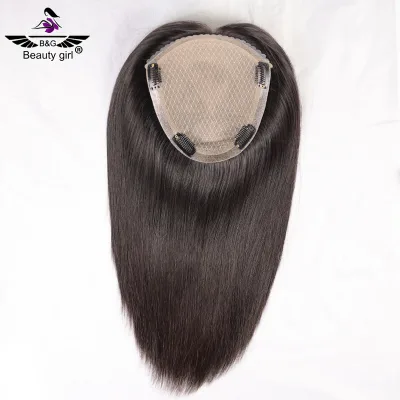
Beauty Girl Can Be Customized 9X9 Remy Hand Tied Silk Top Women's Human Hair Toppers
$247.00 - $288.00
MOQ: 1 pieces




Comprehensive Sourcing Guide
Remy Human Hair Topper Sourcing Guide
Procuring remy human hair toppers requires a disciplined approach to verifying hair integrity, lace quality, and construction methods. Buyers must distinguish between genuine remy strands, where cuticles align in the same direction, and non-remy alternatives that may tangle or degrade rapidly. This guide outlines the critical verification steps for sourcing high-quality hair replacement units, ensuring that procurement decisions are based on observable product attributes and established industry standards rather than marketing claims.
The following sections detail the technical specifications, compliance requirements, and commercial terms essential for successful sourcing. By focusing on material composition, production timelines, and supplier qualifications, buyers can mitigate risks associated with inconsistent quality and delayed deliveries. This structured approach supports informed decision-making for both sample orders and bulk procurement of hair toppers and related hair replacement systems.
Product Scope and Observed Listing Signals
The observed product range includes various hair topper models such as mono toppers, women toppers, and hair toppers with lengths ranging from medium to long, specifically noting 6, 14, 16, and 20-inch options. Listings indicate suitability for male, female, and general women users, with styles primarily featuring straight textures in colors like black, brown, and multi-color variations. The presence of customization options suggests that buyers can request specific color matches or density adjustments, which is critical for achieving a natural appearance that blends seamlessly with the wearer’s existing hair.
Observed material facts highlight the use of human hair, including Indian, Brazilian, and Chinese hair types, often classified under Brazilian Remy Hair standards. Lace materials vary, with Swiss and French lace being noted, indicating differences in durability and transparency. The production timeframes observed range significantly, from 6-7 weeks for standard orders to rush options of 4 weeks or 6-7 weeks, while some listings mention longer production cycles of 2-3 months. These variations require buyers to align their inventory planning with supplier capabilities and lead time commitments.
Technical Specifications to Verify
Buyers must verify the hair density and construction techniques to ensure the topper meets performance expectations. Observed density levels include 100%, 130%, and 150%, with some listings offering 130%, 150%, and 180% options, while others specify a toupee density of 120%. The construction method is identified as hand-tied, which typically offers a more natural movement and scalp simulation compared to machine-wefted alternatives. Verifying the specific density and technique is essential, as these factors directly impact the weight, breathability, and overall realism of the hair replacement unit.
Lace material and hair grade are critical technical attributes that influence longevity and aesthetic quality. The use of Swiss and French lace suggests a focus on undetectable hairlines, while the classification of hair as Remy ensures that cuticles remain aligned to prevent tangling. Buyers should confirm whether the hair is dyeable and check the specific origin, such as Indian or Brazilian hair, as these types have distinct texture and durability characteristics. Additionally, the weight of the product, noted as 100g in some listings, affects the comfort and security of the topper during daily wear.
Compliance and Safety Documentation
While specific certification statuses are not provided in the observed data, buyers should request documentation that verifies the hygiene and safety of the hair processing. This includes proof of sterilization and cleaning processes to ensure the hair is free from contaminants and suitable for direct scalp contact. Buyers must also inquire about the ethical sourcing of the human hair, ensuring that suppliers adhere to fair trade practices and do not source hair through exploitative means. This due diligence is crucial for maintaining brand integrity and meeting the ethical expectations of end consumers.
Safety standards for hair replacement products often involve testing for allergens and chemical residues, particularly if the hair has been treated or dyed. Buyers should ask for test reports that confirm the absence of harmful substances such as formaldehyde or heavy metals. Although specific standards are not listed, verifying that the supplier follows recognized quality management systems can provide assurance that the products meet basic safety requirements. This step helps mitigate liability risks and ensures that the final product is safe for prolonged use by customers.
Cost Drivers and Commercial Terms
Several factors influence the cost of remy human hair toppers, including the type of hair, lace material, density, and customization requirements. Brazilian and Indian hair types are often priced differently based on availability and demand, while Swiss and French lace may carry a premium due to their delicate nature. The production time also affects pricing, with rush orders typically incurring additional fees. Buyers should request detailed quotations that break down these costs to understand the value proposition and avoid hidden charges that may arise from expedited shipping or special customization requests.
Payment terms and delivery methods are key commercial considerations that impact cash flow and logistics. Observed payment methods include PayPal, Western Union, Money Gram, and Bank Transfer, offering flexibility for international transactions. Delivery is typically handled via DHL, TNT, UPS, or FedEx, with priority service options available. Buyers should negotiate clear terms regarding sample orders, which are accepted, and establish expectations for bulk pricing tiers. Understanding these commercial terms helps in budgeting accurately and managing the supply chain effectively.
Supplier Qualification and Quality Control
Evaluating supplier qualifications involves assessing their production capabilities and quality control processes. Buyers should verify the supplier’s location, with Qingdao, China, being a noted origin, and inquire about their manufacturing facilities and workforce expertise. The ability to produce custom-made hair replacements indicates a level of craftsmanship and flexibility that is valuable for meeting specific client needs. Buyers should request samples to evaluate the quality of the hand-tied construction, lace durability, and hair texture before committing to larger orders.
Quality control measures should include inspections for hair shedding, lace integrity, and color consistency. Buyers should establish clear acceptance criteria for defects and request that the supplier perform pre-shipment inspections. The availability of sample orders allows buyers to test the product’s performance and durability under real-world conditions. By maintaining open communication with the supplier regarding quality expectations, buyers can ensure that the delivered products meet their standards and reduce the risk of returns or customer complaints.
Long-Term Procurement Checks
Establishing long-term procurement relationships requires regular performance reviews and continuous improvement initiatives. Buyers should track key metrics such as on-time delivery rates, product defect rates, and customer satisfaction scores to assess supplier reliability. Regular communication with the supplier can help address any emerging issues promptly and foster a collaborative partnership. By maintaining a consistent order volume, buyers may also negotiate better pricing and priority production slots, enhancing their competitive advantage in the market.
Adapting to market trends and consumer preferences is essential for long-term success in the hair replacement industry. Buyers should stay informed about new lace materials, hair treatments, and styling techniques that may influence demand. Periodic audits of the supplier’s practices and product offerings can help identify opportunities for innovation and cost savings. By remaining agile and responsive to changes in the market, buyers can ensure that their procurement strategy remains aligned with customer needs and industry standards.
FAQs
What materials are used for the lace and hair?
The toppers use Swiss or French lace combined with human hair. Options include Indian, Brazilian, or Chinese Remy hair grades. This ensures a natural look and allows for customization of the hair type to match specific buyer requirements for quality and texture.
Can I customize the color and density of the topper?
Yes, customization is available for both color and density. Buyers can select from black, brown, or multi-color options. Density choices include 100%, 120%, 130%, 150%, and 180% to suit different styling needs and coverage requirements for the final product.
How long does production take for a custom order?
Standard production time ranges from six to ten weeks depending on the specific model. Rush orders can be completed in four to seven weeks. This timeline applies to custom-made women hair replacements and various topper models available from the Qingdao origin.
What are the available lengths for the hair toppers?
Available lengths vary from medium and six inches up to long styles reaching twenty inches. Specific models offer lengths of fourteen, sixteen, or twenty inches. The general range spans from eight to thirty inches to accommodate diverse styling preferences and customer specifications.
Which delivery methods are accepted for shipping the orders?
Orders are shipped via DHL, FedEx, UPS, or TNT priority services. These carriers ensure reliable global delivery for the products. Payment can be made through PayPal, Western Union, Money Gram, or bank transfer before the goods are dispatched from the Qingdao facility.
Is it possible to order samples before placing a bulk order?
Yes, sample orders are accepted for verification purposes. This allows buyers to check the quality of the Remy hair and lace construction. Samples help confirm the suitability of the product before committing to larger quantities with specific customization requirements.