Source Removable Washable Gel Seat Cushion for Students, Drivers, Wheelchair Users
Find 30 verified options for a Removable Washable Gel Seat Cushion designed for student seats, car interiors, and wheelchair users. Compare features like cooling, massage, and memory foam filling to select the best fit for your needs.
Key considerations
Products List
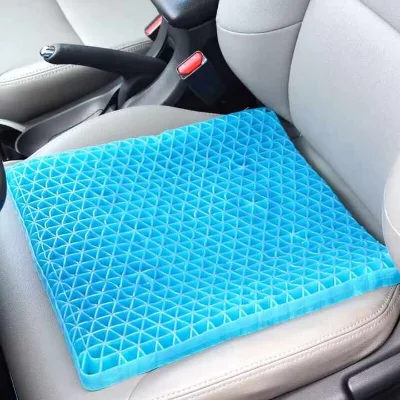
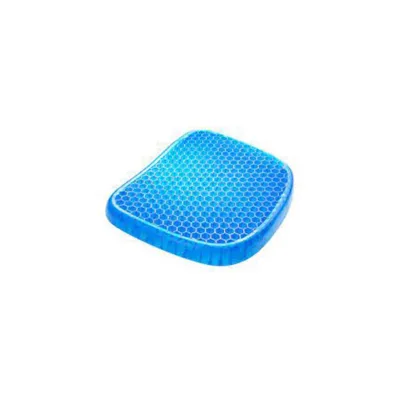
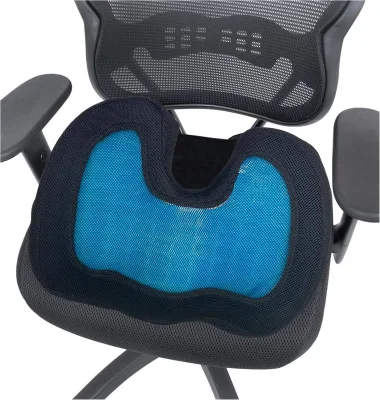
Wheelchair Sitting Cushion Cooling Gel Memory Foam Seat Cushion for Long Sitting
$5.04 - $5.14
MOQ: 500 pieces


High Elasticity Cooling Gel Cushion Massage Cushion for Car and Home Use
$7.50 - $8.00
MOQ: 100 Pieces
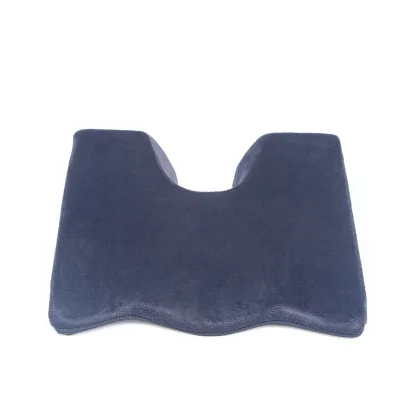
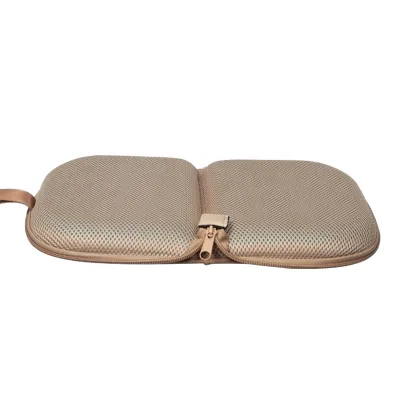
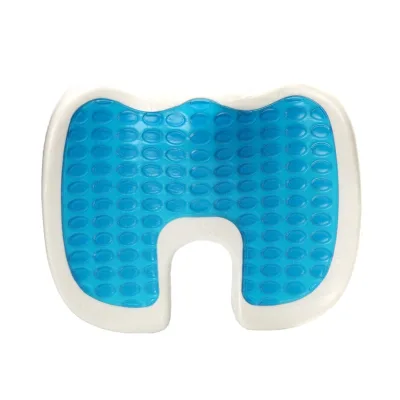


Customized Cool Pillow Cushion Gel Sheet Blue Seat Cushion Head Pillow Pad Mat
$4.00 - $5.00
MOQ: 1000 Pieces


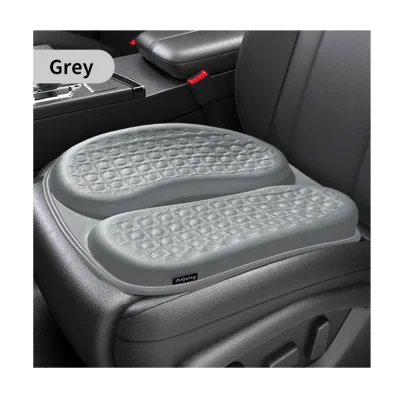


Comprehensive Sourcing Guide
Strategic Sourcing Guide for Removable Washable Gel Seat Cushions
Understanding Product Composition and Technical Specifications
When sourcing a Removable Washable Gel Seat Cushion, buyers must first establish a clear understanding of the product's physical composition and technical attributes. The core functionality of these items relies heavily on the integration of cooling gel layers with supportive filling materials. Based on observed market data, the primary filling material is often memory foam, which provides the necessary contouring and pressure relief for extended sitting periods. This memory foam is frequently paired with a gel component, creating a composite structure designed to dissipate heat and maintain ergonomic support.
The outer cover is a critical differentiator in this category. High-quality units typically utilize a knitted or woven polyester fabric, sometimes combined with PU materials to enhance durability and aesthetics. A defining feature for many buyers is the "removable and washable" attribute. This design allows the cover to be detached for cleaning, ensuring hygiene in high-use environments such as offices, vehicles, or medical facilities. The technical construction often includes a breathable mesh cover, which further aids in air circulation and temperature regulation.
Dimensions and weight are also vital specifications for logistics planning. Observed single package sizes vary significantly, ranging from compact units like 30x20x20 cm to larger configurations such as 50x46x10 cm. The gross weight of individual packages can range from 0.7 kg to 3.0 kg, depending on the density of the foam and the volume of the gel layer. Buyers should verify the specific model numbers, such as BF-ASC19 or 104D006, as these often dictate the exact dimensions and material ratios. The shape is predominantly square, designed to fit standard chair seats, though universal fitment is a common claim for automotive applications.
Compliance, Certification, and Safety Standards
Navigating the regulatory landscape is essential for B2B procurement, particularly when sourcing from manufacturing hubs in China. While specific certification statuses can vary by batch and supplier, certain standards are frequently cited in the product data. The CE certification is a notable observation, indicating compliance with European health, safety, and environmental protection standards. Buyers should treat this as a baseline requirement for products intended for the European market but must verify the validity of the certificate for each specific order.
Beyond CE, the market often references broader safety standards such as OEKO-TEX and REACH. However, these should be treated as verification points rather than guaranteed inclusions. Buyers must explicitly request current test reports to confirm that the materials used—specifically the memory foam, gel, and fabric cover—meet these standards. The absence of a specific certification in a supplier's initial listing does not necessarily indicate non-compliance, but it does necessitate a rigorous due diligence process.
Safety features often extend to functional attributes like anti-static properties. Some product listings highlight anti-static and anti-dust mite capabilities, which are crucial for environments with sensitive electronic equipment or for users with allergies. When evaluating a supplier, procurement teams should demand evidence of these claims through third-party laboratory testing. The "Universal" fitment claim for car seat cushions also implies a need for safety testing to ensure the cushion does not interfere with vehicle seat belts or airbag systems, a detail that requires specific confirmation from the manufacturer.
Cost Drivers and Pricing Dynamics
The pricing of removable washable gel seat cushions is influenced by a complex interplay of material costs, manufacturing techniques, and order volume. The observed price range in the market spans from approximately $1.99 to $124.90 USD. This wide disparity is not merely a reflection of brand value but is driven by the quality of the gel and memory foam, the complexity of the cover design, and the level of customization required.
Minimum Order Quantity (MOQ) is a significant cost driver. Data indicates that MOQs can range from as low as 1 piece for sample orders to as high as 2000 pieces for bulk production. Suppliers often set a standard MOQ of 500 pieces for custom orders, which allows them to optimize production runs and reduce unit costs. Buyers who can commit to higher volumes will typically negotiate lower per-unit prices. Conversely, small batch orders or single-item purchases will carry a premium due to the fixed costs of setup and logistics.
Customization is another major factor affecting the final price. The ability to customize the product, including branding (OEM), color (black is a common observation), and specific dimensions, adds to the manufacturing complexity. Suppliers like ANMA offer OEM services, which allows for branding but requires additional tooling and design time. The packaging method, such as a PVC bag with a color card or a simple PE bag, also impacts the cost structure. Buyers should request detailed breakdowns of costs to understand how much is attributed to materials versus labor and customization.
Typical Applications and Usage Scenarios
The versatility of removable washable gel seat cushions makes them suitable for a diverse range of applications. The primary usage scenarios identified include student seats, office environments, and automotive settings. In educational institutions, these cushions provide necessary support for students who sit for long periods, potentially improving focus and reducing fatigue. The "Student Seats" application highlights the need for durable, easy-to-clean products that can withstand heavy daily use.
In the automotive sector, the "Universal" car fitment suggests these cushions are designed to be adaptable to various vehicle models. They serve as comfort aids for drivers and passengers, offering cooling and massage functions that can mitigate discomfort during long journeys. The "Car Seat Cushion" and "Butt Pillow" classifications indicate a focus on rear-seat comfort and pressure point relief.
Medical and therapeutic applications are also prominent. The "Therapy" and "Massage" functions suggest utility for individuals with back pain, hemorrhoids, or other conditions requiring pressure relief. The "Wheelchair Memory Foam Seat Cushion" specifically targets users with mobility challenges, where the combination of soft firmness and cooling gel is essential for preventing pressure sores. Additionally, the "Bedding" and "Neck" usage categories indicate that some designs are multi-functional, serving as pillows or support cushions in home environments. The "Adults" age group specification confirms that the primary target demographic is grown-ups, though the ergonomic benefits often extend to all ages.
Supplier Evaluation and Sourcing Strategy
Evaluating suppliers requires a systematic approach that goes beyond simple price comparison. The geographic origin of the products is a key indicator of supply chain dynamics. Most observed products originate from Guangdong and Zhejiang, China, which are established manufacturing hubs for textiles and foam products. Buyers should verify the specific port of shipment, with Shanghai or Ningbo being common options, as this affects freight costs and lead times.
When assessing a supplier, the availability of samples is a critical first step. The market data confirms that samples are available, allowing buyers to physically inspect the quality of the gel, the durability of the washable cover, and the accuracy of the specifications. A reputable supplier will facilitate the sample process without excessive barriers. Furthermore, the "Brand Name" field often lists "ANMA or OEM," indicating that many manufacturers are willing to work with private labels. Buyers should clarify the branding terms and intellectual property rights before committing to an order.
Payment terms and logistics capabilities are also essential evaluation criteria. Standard payment methods observed include West Union, Paypal, and T/T (Telegraphic Transfer). Buyers should negotiate terms that protect their interests, such as partial payments or escrow services for large orders. The single package size and weight data provided by suppliers are vital for calculating shipping costs and determining the most efficient freight method. A supplier's ability to provide accurate packing lists and weight specifications demonstrates their logistical competence.
Quality Control and Long-Term Procurement Considerations
Implementing a robust quality control (QC) protocol is non-negotiable for maintaining product integrity. The "removable and washable" feature must be rigorously tested to ensure the cover can be detached and reattached multiple times without compromising the seal or the internal filling. Buyers should verify the "breathable and waterproof" claims, as these are often contradictory if not engineered correctly. A waterproof layer that prevents liquid ingress while maintaining breathability requires precise manufacturing techniques.
The firmness level, often described as "Soft," must be consistent across batches. Variations in the density of the memory foam or the thickness of the gel layer can lead to inconsistent user experiences. Quality control checks should include visual inspections for defects in the knitted or woven cover, as well as functional tests for the cooling and massage features. For products claiming "Anti-static" or "Anti-dust mite" properties, periodic testing is necessary to ensure these attributes do not degrade over time or after washing.
Long-term procurement considerations involve building a sustainable relationship with the supplier. The ability to maintain consistent quality over time is more valuable than a one-time low price. Buyers should establish clear communication channels regarding changes in material costs or manufacturing processes. The "Model Number" consistency is crucial; any changes to the model number should be accompanied by a detailed specification sheet to ensure the new version meets the original requirements. Finally, buyers should plan for the lifecycle of the product, considering how often the cushions may need replacement and ensuring the supplier can support recurring orders efficiently. By focusing on these technical and strategic elements, buyers can secure a reliable supply of high-quality removable washable gel seat cushions.
FAQs
What materials are used in these cushions?
The cushions typically combine memory foam filling with a gel layer for cooling and support. The outer cover is often made of knitted or woven polyester, sometimes with PU materials for durability.
Can the cover be removed for washing?
Yes, the product features a removable and washable design to ensure hygiene. This allows users to detach the cover easily for cleaning while keeping the internal foam and gel intact.
Which certifications are available for these products?
Some listings indicate CE certification compliance for safety and environmental standards. Buyers should verify specific test reports for other standards like OEKO-TEX or REACH as they are not guaranteed on all items.
How does the cooling function work?
The cooling function relies on the integration of a gel layer with the memory foam filling. This composite structure helps dissipate heat and maintain ergonomic support during extended sitting periods.
What is the typical minimum order quantity?
The minimum order quantity ranges from 1 piece for samples to 2000 pieces for bulk orders. A standard MOQ of 500 pieces is common for custom orders to optimize production runs.
Where are these products manufactured?
Most observed products originate from manufacturing hubs in Guangdong and Zhejiang, China. Buyers should verify the specific port of shipment, such as Shanghai or Ningbo, for logistics planning.