Source Removable Washable Memory Foam Cushion for Car Home Seat
Compare 30 listings for the Removable Washable Memory Foam Cushion designed for car, home, and seat applications. Buyers can evaluate features like waterproofing, massage functions, and customization options from verified manufacturers in China; compare the available evidence and request quotations based on your requirements.
Key considerations
Products List


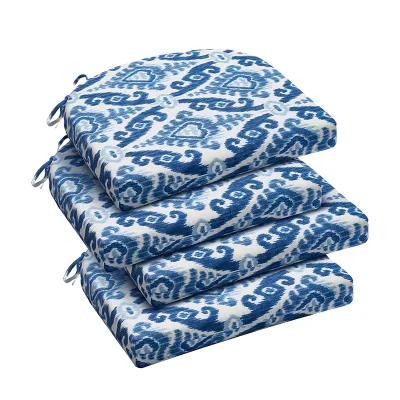

Leather Seat Cushion Waterproof Memory Foam Floor Chair Cushions with Handles
$7.20 - $7.60
MOQ: 100 Pieces


Comprehensive Sourcing Guide
Removable Washable Memory Foam Cushion Sourcing Guide
Sourcing removable washable memory foam cushions requires balancing comfort performance with practical maintenance requirements. Buyers must evaluate how the cover material interacts with the foam core, ensuring that frequent washing does not degrade the cushion’s structural integrity. The observed market includes products made from cotton and polyester, each offering distinct benefits regarding breathability, durability, and ease of cleaning. Understanding these material differences is critical for selecting the right product for specific use cases, whether for automotive, home, or outdoor applications.
Procurement teams should also consider the customization options available from manufacturers. Many suppliers offer OEM services, allowing for tailored logos, colors, and packaging solutions. This flexibility supports brand differentiation but introduces complexity in quality control. Buyers need to establish clear specifications for fabric weight, zipper quality, and foam density to ensure consistency across production batches. Verifying these details early in the sourcing process helps prevent discrepancies between samples and bulk orders, ensuring the final product meets both aesthetic and functional expectations.
Product Scope and Observed Listing Signals
The current market landscape for memory foam cushions is diverse, with listings indicating a wide range of applications and features. Observed product attributes include usage in cars, homes, offices, and outdoor settings, highlighting the versatility of these items. Features such as massage, anti-decubitus properties, and waterproofing are commonly advertised, catering to specific health and comfort needs. The shape of these cushions varies, with rectangular and square designs being prevalent, while some products offer specialized forms like armrest pads or seat cushions.
Price points and minimum order quantities (MOQs) vary significantly across suppliers. The observed price range spans from low-cost items to premium options, reflecting differences in material quality and manufacturing complexity. MOQs typically start at ten units, making it accessible for small businesses to test the market, while larger orders may benefit from economies of scale. Buyers should note that some listings specify detailed packing methods, such as polybags or color boxes, which can impact logistics costs and storage requirements. Understanding these signals helps in aligning procurement strategies with budget and inventory goals.
Technical Specifications to Verify
When evaluating technical specifications, buyers must prioritize the compatibility between the removable cover and the memory foam insert. The cover material, often 100% polyester or cotton, should be durable enough to withstand repeated washing without shrinking or fading. Zippers must be high-quality and securely attached to prevent detachment during use or cleaning. Additionally, the foam density and thickness are crucial for comfort and support, with some products offering specialized features like cooling gel or ergonomic contours.
Dimensions and weight are also key technical factors to verify. Listings may provide specific measurements, such as 38.928.20.8 inches, which help in assessing fit for intended applications. Weight variations, ranging from lightweight options to heavier, more substantial cushions, can affect shipping costs and user experience. Buyers should request detailed spec sheets from suppliers to confirm these parameters, ensuring that the product meets the required standards for their specific use case, whether for automotive seating or home decor.
Compliance and Safety Documentation
Compliance with safety and environmental standards is essential for memory foam cushions, particularly those intended for consumer use. Buyers should verify that suppliers hold relevant certifications, such as CE, ISO, and RoHS, which indicate adherence to quality and safety regulations. These certifications ensure that the materials used are free from harmful substances and that the manufacturing process meets international standards. Additionally, some products may comply with Oeko-Tex standards, which focus on the safety of textile products, providing an extra layer of assurance for health-conscious buyers.
Documentation should also include test reports for flammability, durability, and chemical safety. These tests are critical for ensuring that the cushions meet regulatory requirements in target markets. Buyers should request copies of these reports from suppliers and verify their authenticity. Furthermore, understanding the origin of the materials, such as the source of the memory foam and fabric, can help in assessing the overall quality and ethical sourcing practices of the supplier. This due diligence helps mitigate risks associated with non-compliance and potential product recalls.
Cost Drivers and Commercial Terms
Several factors influence the cost of memory foam cushions, including material quality, customization options, and order volume. Higher-density foam and premium fabrics like cotton or specialized polyester blends tend to increase costs. Customization, such as adding logos or unique packaging, also adds to the price. Buyers should negotiate clear commercial terms, including payment structures, such as a 30% deposit and 70% before delivery, to manage cash flow effectively. Understanding these cost drivers helps in making informed decisions that balance quality and budget.
Lead times and shipping terms are also significant commercial considerations. Typical lead times range from 30 to 45 days, depending on the order size and customization requirements. Buyers should plan their procurement schedule accordingly to avoid stockouts or delays. Additionally, shipping costs can vary based on the weight and dimensions of the products, so it is important to factor these into the total cost of ownership. Clear communication with suppliers regarding these terms ensures a smooth procurement process and minimizes unexpected expenses.
Supplier Qualification and Quality Control
Supplier qualification is a critical step in ensuring the reliability and quality of memory foam cushions. Buyers should assess suppliers based on their manufacturing capabilities, quality control processes, and track record. Factories that offer OEM services and have experience in producing similar products are often more reliable. It is also important to verify the supplier’s ability to meet specific requirements, such as custom designs or specialized features. Conducting factory audits or requesting references can provide valuable insights into the supplier’s operations and reliability.
Quality control measures should be established to ensure consistency in product quality. Buyers should implement inspection protocols, including pre-production samples and final random inspections, to catch any defects early. Clear communication of quality standards and expectations with suppliers is essential to avoid misunderstandings. Additionally, establishing a feedback loop for continuous improvement helps in addressing any issues that arise during production. By prioritizing supplier qualification and robust quality control, buyers can mitigate risks and ensure a high-quality product.
Long-Term Procurement Checks
Long-term procurement success depends on continuous monitoring and evaluation of supplier performance. Buyers should regularly review key performance indicators, such as on-time delivery, product quality, and responsiveness to issues. Establishing a scorecard system can help in objectively assessing supplier performance and identifying areas for improvement. Regular communication with suppliers fosters a collaborative relationship, enabling proactive problem-solving and continuous improvement. This approach helps in maintaining a stable supply chain and ensuring consistent product quality over time.
Market trends and consumer preferences also evolve, requiring buyers to stay informed and adaptable. Regularly reviewing product offerings and exploring new suppliers can help in identifying innovative solutions and competitive advantages. Additionally, staying updated on regulatory changes and industry standards ensures ongoing compliance. By maintaining a strategic approach to procurement, buyers can build a resilient supply chain that supports long-term business goals and customer satisfaction. This proactive stance helps in navigating challenges and seizing opportunities in the dynamic market landscape.
FAQs
Can I customize the logo and design on the cushion?
Yes, customization is available for both logo and design. You can provide your specific requirements for the pattern and shape. The supplier supports OEM services and accepts custom designs to meet your brand needs. This allows for unique branding on the memory foam cushions for various applications.
What materials are used in these memory foam cushions?
The cushions utilize high-quality materials including cotton, 100% polyester, and XPE. The filling consists of memory foam for comfort and support. These materials ensure durability and suitability for different environments. The combination provides a soft touch while maintaining the structural integrity required for long-term use in cars or homes.
What is the typical lead time for production?
The standard lead time ranges from 30 to 45 days after order confirmation. Sample preparation typically takes only three days. This timeline allows for proper manufacturing and quality checks. Buyers should plan their procurement schedules accordingly to ensure timely delivery for their specific project requirements or seasonal demands.
What certifications do the products hold?
The products hold CE, ISO, and RoHS certifications. These standards ensure compliance with international safety and environmental regulations. Buyers can rely on these certifications for quality assurance and market entry requirements. The manufacturing process adheres to these strict guidelines to guarantee product safety and reliability for global distribution channels.
What is the minimum order quantity for bulk purchases?
The minimum order quantity varies between 10 and 1000 units depending on the specific product model. Some items have an MOQ of 100, while others may start lower. This flexibility accommodates both small trial orders and large-scale industrial purchases. Buyers can select the appropriate quantity based on their inventory needs and budget constraints.
Where are these cushions manufactured and shipped from?
The products are manufactured in China, with origins in Yiwu, Zhejiang, and Dongguan, Guangdong. These locations are known for efficient textile and foam production. Shipping is organized from these hubs to ensure reliable logistics. Buyers can expect consistent supply chain management from these established manufacturing centers in China.