Source Restaurant Table and Chair Set for Dining, Hotel, Cafe
Explore 26 verified listings for Restaurant Table and Chair Set options featuring modern styles, wood and metal materials, and customization services. Buyers can compare specifications, MOQs, and delivery times from Guangzhou suppliers to find the best fit for commercial dining spaces.
Key considerations
Products List


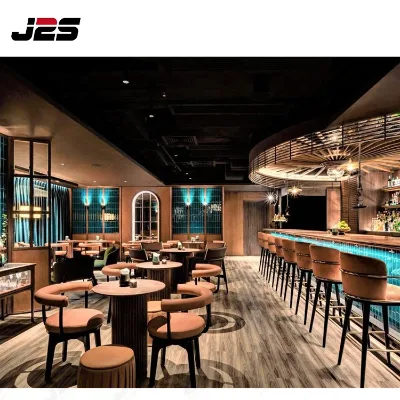
Wholesale Industrial Chairs and Table Restaurant Furniture Table and Chair Set
$120.00 - $200.00
MOQ: 10 pieces


Fashionable Restaurant Chair and Table Set for Contemporary Dining Spaces
$200.00 - $280.00
MOQ: 2 Pieces


Sleek Restaurant Chair and Table Set for Modern Hospitality Environments
$200.00 - $280.00
MOQ: 2 Pieces


Modern Design Commercial Hotel High End Restaurant Table and Chair Sets
$68.00 - $120.00
MOQ: 10 Meters

Modern Restaurant Furniture Set: Comfortable Chairs and Tables for Home
$68.00 - $120.00
MOQ: 10 Meters


Classic Restaurant Furniture Set: Chairs and Tables for Every Occasion
$68.00 - $120.00
MOQ: 10 Meters


Comprehensive Sourcing Guide
Restaurant Table and Chair Set Sourcing Guide
Sourcing restaurant table and chair sets requires a strategic balance between aesthetic alignment and operational durability. Buyers must first define the specific environment, whether it is a high-traffic cafe, a fine dining establishment, or a casual bar. The observed market signals indicate a strong presence of modern-style furniture originating from Guangzhou and Guangdong, China, which are established hubs for commercial furniture manufacturing. Understanding the geographic concentration of suppliers helps in assessing logistics efficiency and potential lead times.
Procurement teams should also evaluate the customization capabilities of potential vendors. Many listings highlight available customization options, allowing businesses to tailor dimensions, materials, and finishes to their unique brand identity. This flexibility is crucial for creating a cohesive interior design scheme. However, customization often impacts production timelines and minimum order quantities, so early clarification with suppliers is essential to align expectations with project schedules and budget constraints.
Product Scope and Observed Listing Signals
The current market offers a diverse range of materials, primarily wood and metal, catering to different aesthetic and functional requirements. Wood sets often provide a warm, natural ambiance suitable for dining rooms and cafes, while metal options may offer enhanced durability and a contemporary look. Buyers should note that some products are described as unfixed, suggesting modular or portable designs, whereas others are fixed, implying permanent installation. This distinction is vital for venues that may need to reconfigure their space frequently.
Price points vary significantly, ranging from approximately $29.90 to $850 per unit, reflecting differences in material quality, design complexity, and brand positioning. Minimum order quantities (MOQs) also fluctuate, with some suppliers accepting orders as low as one piece, while others require ten pieces or more. This variability allows both small startups and large chains to find suitable suppliers. Buyers must carefully review the specific MOQs and price terms, such as EXW, FOB, CFR, or CIF, to accurately calculate the total landed cost.
Technical Specifications to Verify
When evaluating technical specifications, the model numbers and product standards serve as key identifiers for consistency and quality. Common models observed include FOH-RST2206, FH-CAM240512, and FOH-RSTA01, each potentially representing distinct design lines or material compositions. Buyers should verify the exact material composition, such as whether the wood is solid or engineered, and the type of metal used, including its finish and resistance to corrosion. These details directly impact the longevity and maintenance requirements of the furniture.
Packaging and loading specifications are equally critical for ensuring safe delivery. Products are typically packed in standard export cartons or high-quality cartons, with some utilizing knock-down (K/D) formats to optimize shipping volume. Buyers must confirm the packing method to prevent damage during transit and to assess the ease of assembly upon arrival. Additionally, verifying the stackability of chairs is important for storage efficiency, as some listings indicate that certain models are not stackable, which may affect space management in back-of-house areas.
Compliance and Safety Documentation
Compliance with international standards is non-negotiable for commercial furniture, particularly in regions with strict safety regulations. Certifications such as ISO, CE, and SGS are frequently mentioned, indicating adherence to quality management and environmental standards. Buyers should request valid certification documents to verify that the supplier’s production processes meet these recognized benchmarks. This due diligence helps mitigate risks associated with non-compliant products, which could lead to legal liabilities or operational disruptions.
Furthermore, warranties and quality assurances provide an additional layer of protection for the buyer. Many suppliers offer warranties ranging from five years or more, reflecting confidence in their product’s durability. Buyers should carefully review the terms of these warranties, including coverage for defects, wear and tear, and the process for claiming replacements or repairs. Understanding the service support structure, including after-sales service availability, is crucial for long-term satisfaction and minimizing downtime in case of product issues.
Cost Drivers and Commercial Terms
Several factors influence the final cost of restaurant table and chair sets, including material selection, customization level, and order volume. High-quality materials and complex designs typically command higher prices, while bulk orders may offer economies of scale. Buyers should also consider the impact of shipping terms on the total cost. Terms like EXW place the burden of logistics on the buyer, whereas FOB, CFR, or CIF terms include varying degrees of shipping and insurance costs.
Lead times are another significant commercial consideration, with typical delivery windows ranging from 15 to 25 days. This timeframe can be extended by customization requests or peak production seasons. Buyers must align their procurement timeline with their opening or renovation schedule to avoid delays. Clear communication regarding production status and potential bottlenecks is essential to manage expectations and ensure timely delivery of the furniture sets.
Supplier Qualification and Quality Control
Supplier qualification involves assessing the manufacturer’s production capacity, quality control processes, and reputation. Buyers should verify the supplier’s location, with many operating in Guangzhou or Guangdong, which are known for their manufacturing expertise. Visiting the factory or requesting virtual tours can provide insights into their operational standards and capacity. Additionally, checking for certifications like ISO9001 and ISO14001 can indicate a commitment to quality management and environmental responsibility.
Quality control measures should be established before production begins. Buyers may consider hiring third-party inspection services to conduct pre-shipment inspections, ensuring that the products meet the agreed-upon specifications and quality standards. This step helps identify any defects or discrepancies early, allowing for corrective actions before the goods are shipped. Establishing a clear quality agreement with the supplier, including acceptance criteria and rejection procedures, is vital for maintaining consistent product quality.
Long-Term Procurement Checks
Long-term procurement success depends on continuous monitoring of supplier performance and product durability. Buyers should track key performance indicators such as on-time delivery rates, defect rates, and responsiveness to service requests. Regular feedback loops with the supplier can help identify areas for improvement and strengthen the partnership. Additionally, staying informed about industry trends and new product innovations can help buyers make informed decisions about future purchases and upgrades.
Sustainability and ethical sourcing are increasingly important considerations for modern businesses. Buyers should inquire about the supplier’s practices regarding material sourcing, waste management, and labor conditions. Choosing suppliers who prioritize sustainability can enhance brand reputation and align with corporate social responsibility goals. By maintaining a proactive approach to supplier management and product evaluation, buyers can ensure a reliable supply of high-quality restaurant furniture that meets their evolving needs.
FAQs
What materials are used for restaurant table and chair sets?
The available sets are crafted from wood and metal materials. These durable options are designed for commercial environments such as restaurants, cafes, and dining rooms. The modern style ensures aesthetic appeal while maintaining structural integrity for high-traffic usage in hospitality venues.
Can I customize the Restaurant Table and Chair Set design?
Yes, customization is available for these furniture sets. Buyers can request specific modifications to meet unique venue requirements. The supplier offers tailored solutions to ensure the furniture aligns with the intended commercial application, providing flexibility for diverse interior design needs in hospitality settings.
What is the minimum order quantity for these sets?
The minimum order quantity varies by product model, ranging from 1 to 120 pieces. Some models require a minimum of 10 pieces or 5 sets. Buyers should check specific product specifications to determine the exact MOQ applicable to their desired restaurant furniture configuration.
How long is the delivery time for these furniture sets?
The standard delivery time is typically 15 to 25 days. This timeframe applies to the production and preparation of the restaurant table and chair sets. Buyers should account for this lead time when planning their commercial furniture procurement to ensure timely installation and opening schedules.
What certifications do these restaurant furniture sets hold?
The products hold various certifications including ISO, CE, and SGS standards. Some listings also mention ISO9001 and ISO14001 compliance. These certifications indicate adherence to quality and environmental management standards, providing assurance for commercial buyers sourcing reliable and compliant furniture for their hospitality establishments.
Where are these restaurant table and chair sets manufactured?
These sets are manufactured in Guangzhou, Guangdong, China. The products originate from this region, which is a known hub for furniture production. Buyers can expect standard export packing and reliable logistics from this location, ensuring efficient shipping to international commercial clients.