Source Retail Shop Display Shelf for Supermarket, Drug Store, and Convenience Store
Compare 30 Retail Shop Display Shelf options from Chinese manufacturers. These units feature steel construction, various weight capacities, and customizable sizes for shop, supermarket, and drug store applications.
Key considerations
Products List


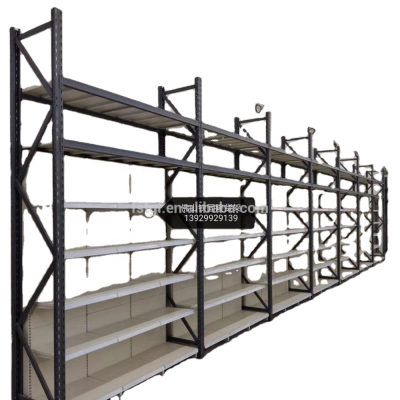
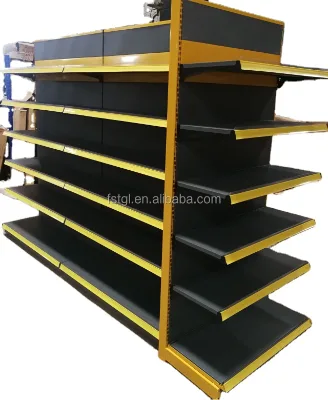


Display Shelf for Supermarket/Shelf Supermarket/Supermarket Shelf Dividers
$35.50 - $110.50
MOQ: 50 Pieces
Comprehensive Sourcing Guide
Retail Shop Display Shelf Sourcing Guide
Sourcing retail shop display shelves requires a disciplined approach to balancing aesthetic appeal with structural integrity and logistical efficiency. These fixtures are critical for maximizing floor space and guiding customer flow, making them a foundational element of any physical retail environment. Buyers must navigate a market characterized by high customization potential, where standard dimensions often give way to bespoke solutions tailored to specific store layouts. The primary challenge lies in identifying suppliers who can deliver consistent quality across varied material specifications while adhering to strict commercial terms. This guide provides a structured framework for evaluating suppliers, verifying technical attributes, and mitigating risks associated with international procurement.
The procurement process begins with a clear definition of operational needs, including load-bearing requirements, aesthetic preferences, and spatial constraints. Retailers must distinguish between single-sided and double-sided configurations, as this choice directly impacts aisle width and product visibility. Furthermore, the decision between fixed and rotary mechanisms, though less common in standard shelving, may be relevant for specialized display units. By establishing these parameters early, buyers can filter out irrelevant listings and focus on suppliers who demonstrate the capability to meet precise engineering and design requirements. This initial clarity reduces the likelihood of costly modifications during the manufacturing phase.
Product Scope and Observed Listing Signals
The current market for retail shop display shelves exhibits a wide range of product variations, primarily driven by material composition and structural design. Steel remains the dominant material due to its durability and cost-effectiveness, with many listings highlighting heavy, middle, and light weight options to suit different load-bearing needs. Buyers should observe that customization is widely available, allowing for adjustments in size, color, and layer configuration. Common color options include white, black, grey, green, and yellow, with some suppliers offering fully customized finishes to match brand identity. The presence of over eighty model options suggests a mature supply chain capable of handling diverse order volumes and specifications.
Listing signals also reveal significant variation in packaging and origin, which are critical for logistics planning. Most products originate from China, with specific manufacturing hubs identified in Jiangsu, Suzhou, and Changshu. Packaging methods vary from simple cartons to more protective combinations involving foam and bubble wrap, indicating different levels of care in transit. Buyers should note that some suppliers offer export cartons, which are essential for international shipping to prevent damage. The observed price range of 2 to 500 USD and minimum order quantities (MOQ) between 1 and 500 units suggest a flexible market that accommodates both small boutique retailers and large chain stores. Understanding these signals helps buyers align their procurement strategy with supplier capabilities.
Technical Specifications to Verify
Verifying technical specifications is paramount to ensuring that the display shelves meet the operational demands of the retail space. Key attributes to confirm include the loading capacity per layer, with some models supporting up to 80 kilograms, which is crucial for heavy products like beverages or electronics. The number of layers, typically four, and the overall dimensions, such as 1200x1000x1600mm or 900x450x1950mm, must be cross-referenced with the store’s floor plan. Buyers should also verify the surface treatment, with powder coating being a common finish that enhances durability and aesthetic appeal. The color of the powder coating, such as ivory white, should be confirmed to ensure consistency with the desired store ambiance.
Additional technical details include the style of the backplane, which can be either backplane style or back hole style, affecting how products are mounted and displayed. The rotary feature is often fixed, meaning the shelves do not rotate, which is standard for most retail applications. Buyers must also check the certification standards listed, such as CE and SGS, which indicate compliance with international safety and quality benchmarks. It is essential to verify that the supplier provides detailed technical drawings and material certificates to validate these specifications. This due diligence prevents mismatches between ordered and delivered goods, ensuring a seamless installation process.
Compliance and Safety Documentation
Compliance and safety documentation are non-negotiable aspects of sourcing retail shop display shelves, particularly for international transactions. Buyers should request certificates of conformity, such as CE marks, which attest to the product’s adherence to European health, safety, and environmental protection standards. While some listings mention ISO 9001 or ISO 14001, these should be treated as background information rather than guaranteed certifications unless explicitly verified by the supplier. The presence of SGS certification is another positive indicator, suggesting that the products have undergone third-party testing for quality and safety.
In addition to product-specific certifications, buyers must ensure that the supplier provides all necessary documentation for customs clearance and local regulatory compliance. This includes material safety data sheets (MSDS) if applicable, and proof of origin to determine tariff classifications. Buyers should also verify that the packaging materials comply with international shipping regulations, such as ISPM 15 for wood packaging, if relevant. By prioritizing comprehensive documentation, buyers can avoid delays at borders and ensure that the display shelves meet all legal requirements in the destination market. This proactive approach mitigates legal risks and enhances the overall reliability of the supply chain.
Cost Drivers and Commercial Terms
Understanding the cost drivers and commercial terms is essential for effective budget management and negotiation. The primary cost drivers include the material type, such as steel, and the level of customization required, which can significantly impact production time and expense. Packaging methods also influence costs, with more protective packaging like foam and bubble wrap adding to the overall price. Buyers should be aware that the observed MOQ range of 1 to 500 units allows for flexibility, but larger orders may offer better economies of scale. It is crucial to clarify whether the quoted price includes shipping, insurance, and taxes, as these can vary widely depending on the Incoterms used.
Commercial terms should be clearly defined in the purchase agreement to avoid disputes. Buyers should negotiate payment terms that balance risk, such as using letters of credit or escrow services for large orders. Lead times must be confirmed, especially for customized products, as delays can disrupt store openings or inventory replenishment. Buyers should also inquire about warranty policies and after-sales support, including the availability of replacement parts for damaged components. By establishing clear commercial terms, buyers can protect their interests and ensure a smooth transaction process. This clarity fosters a collaborative relationship with the supplier, leading to better long-term outcomes.
Supplier Qualification and Quality Control
Supplier qualification and quality control are critical steps in mitigating procurement risks. Buyers should conduct thorough due diligence on potential suppliers, verifying their business licenses, manufacturing capabilities, and past performance. Requesting references from previous clients can provide insights into the supplier’s reliability and product quality. It is also advisable to visit the manufacturing facility or hire a third-party inspection agency to conduct pre-shipment inspections. These inspections should cover dimensions, load-bearing capacity, surface finish, and packaging integrity to ensure that the products meet the agreed-upon specifications.
Quality control processes should be integrated into the production timeline, with regular checkpoints to monitor progress and address any issues early. Buyers should specify acceptance criteria in the contract, including tolerances for dimensions and defects in surface finish. Implementing a robust quality control plan helps to minimize the risk of receiving substandard products, which can lead to costly returns and reputational damage. By prioritizing supplier qualification and rigorous quality control, buyers can ensure that their retail shop display shelves meet the highest standards of quality and performance. This diligence is an investment in the long-term success of the retail operation.
Long-Term Procurement Checks
Long-term procurement checks are necessary to maintain supply chain resilience and adapt to changing market conditions. Buyers should regularly review supplier performance metrics, such as on-time delivery rates, product quality consistency, and responsiveness to issues. Establishing a periodic review process allows buyers to identify trends and address potential problems before they escalate. It is also important to stay informed about industry developments, such as new materials or technologies, that could offer better value or performance. By maintaining a proactive approach to supplier management, buyers can ensure that their display shelf procurement remains efficient and cost-effective.
Additionally, buyers should consider diversifying their supplier base to reduce dependency on a single source. This strategy mitigates the risk of supply disruptions due to geopolitical events, natural disasters, or production issues. Building strong relationships with multiple qualified suppliers provides flexibility and bargaining power. Buyers should also engage in continuous improvement initiatives, providing feedback to suppliers to enhance product quality and service. By implementing these long-term checks, buyers can create a robust and adaptable procurement system that supports the evolving needs of their retail business. This strategic approach ensures sustained success and competitiveness in the retail market.
FAQs
What customization options are available for retail shop display shelves?
Customization is available for retail shop display shelves, allowing buyers to specify dimensions and colors. Products come in various styles like backplane or back hole, with options for white, black, grey, green, or yellow finishes. Sizes can be customized to fit specific store layouts.
Which certifications do these retail shop display shelves hold?
These retail shop display shelves hold CE and SGS certifications to ensure quality and safety standards. Some models also meet specific loading capacity standards ranging from 50 to 150kg. Buyers can verify these certifications to ensure compliance with international safety requirements.
How much weight can each layer of the shelf support?
Each layer of the shelf can support up to 80kg of loading capacity. This applies to models with four layers, ensuring stability for heavy items in supermarkets or drug stores. The total capacity depends on the number of layers and the specific model selected.
Can I find retail shop display shelves made of steel?
Yes, retail shop display shelves are made of steel to ensure durability and strength. The material is suitable for heavy, middle, and light weight applications in various retail environments. Steel construction provides a robust framework for long-term use in shops and convenience stores.
What packaging methods are used for shipping these shelves?
These shelves are packaged in cartons, often with foam or bubble foam for protection during transit. Export cartons are used to ensure safe delivery to international destinations. The packaging is designed to prevent damage while keeping the product organized for easy assembly.
Where are these retail shop display shelves manufactured?
These retail shop display shelves are manufactured in China, specifically in regions like Jiangsu, Suzhou, and Changshu. The origin location ensures access to established manufacturing capabilities and supply chains. Buyers can expect consistent production quality from these established industrial hubs.
What is the typical height range for these display units?
The typical height range for these display units is between 0 and 5 meters. Specific models may have fixed dimensions like 1950mm or 1600mm depending on the design. Customized height options are also available to meet unique store requirements.