Source Retail Forklift Chassis Guards for warehouses, ports, and logistics hubs
Compare 30 verified Retail Forklift Chassis Guards from Chinese manufacturers. Buyers can evaluate materials like stainless steel and carbon steel, load capacities, and customization options for diverse industrial needs.
Key considerations
Products List
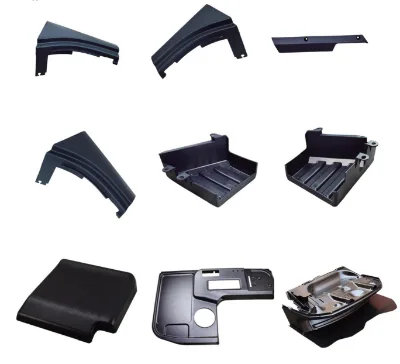
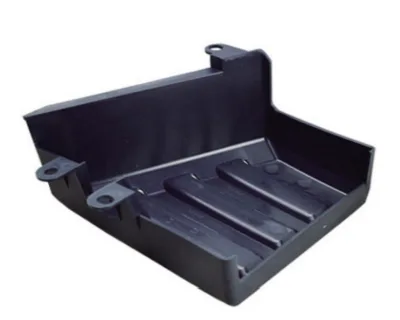
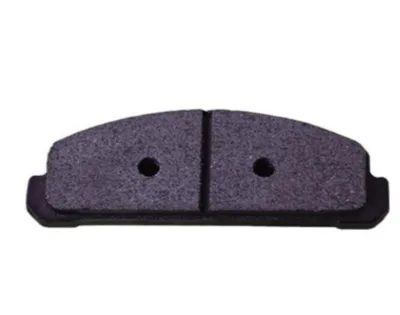
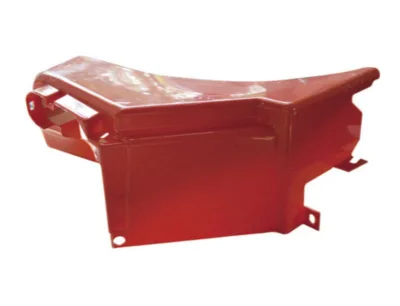
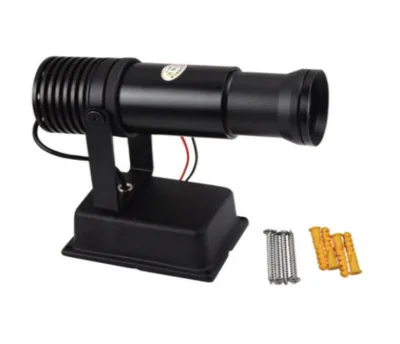
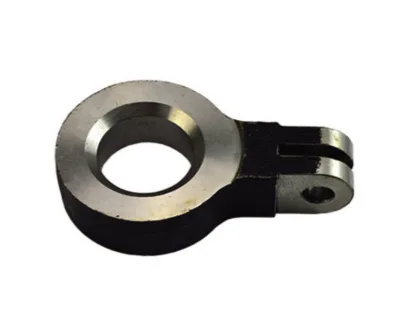

Rotator Forklift Attachment Durable Feature for Forklift Retail Industries
$1500.00 - $2000.00
MOQ: 1 Pieces


Industrial Forklift Spreader Attachment with Load Support Guard for Construction
$300.00 - $1600.00
MOQ: 10 Pieces

Forklift Load Spreader with Safety Guard for Warehouse Cargo Handling
$300.00 - $1600.00
MOQ: 10 Pieces

Forklift Fork Spreader with Load Guard for Wide Load Material Handling
$300.00 - $1600.00
MOQ: 10 Pieces

Forklift Fork Extension Spreader with Protective Guard for Long Load Handling
$300.00 - $1600.00
MOQ: 10 Pieces


Factory Warehouse Forklifts Parking Space Garage Column Wall Corner Guard
$3.50 - $16.50
MOQ: 30 Pieces


Comprehensive Sourcing Guide
Strategic Sourcing Guide for Retail Forklift Chassis Guards
The retail sector relies heavily on material handling efficiency to maintain inventory flow and operational speed. Within this environment, the forklift chassis guard serves as a critical component for protecting the vehicle's undercarriage and ensuring operator safety. For procurement professionals in the retail industry, sourcing these components requires a disciplined approach that balances technical specifications, supply chain reliability, and cost management. This guide outlines the essential factors for evaluating Retail Forklift Chassis Guards, drawing on verified product attributes and industry standards to inform strategic purchasing decisions.
Technical Specifications and Material Composition
When evaluating forklift chassis guards, the primary focus must be on material integrity and dimensional compatibility. The supplied product data indicates a diverse range of materials used in these components, with Stainless Steel and Carbon Steel being the most prominent options. Stainless Steel offers superior corrosion resistance, which is vital for retail environments that may involve frequent cleaning or exposure to moisture. Conversely, Carbon Steel provides high tensile strength and durability, making it suitable for heavy-duty applications where structural rigidity is paramount.
Dimensional specifications are equally critical. Product listings reveal that beam lengths for related attachment components often range from 1500mm to 3000mm, with customization available to fit specific chassis geometries. While specific chassis guard dimensions vary by model, the ability to customize is a key feature observed in the market. Buyers should verify that the selected guard aligns with the specific load center of 500mm often associated with these units to ensure stability during operation. Furthermore, the overall dimensions of related equipment, such as the 10x8.5x16cm measurements noted for certain handheld units, suggest that compact designs are available for smaller retail forklifts, while larger units require more substantial protection.
The surface treatment process is another technical differentiator. The market offers options including Oxygenation and Baking Paint. Baking paint is generally preferred for its aesthetic appeal and additional layer of protection against rust and wear, which is beneficial for retail settings where equipment visibility and brand image matter. The color options, typically available in Red, Green, Yellow, or customized shades, allow facilities to match their internal safety color-coding standards.
Compliance and Certification Verification
In the B2B procurement of industrial equipment, compliance is not merely a formality but a risk mitigation strategy. While specific certification data for every listed product is not uniformly provided in the source material, the industry standard for such equipment often includes adherence to ISO 9001:2015 for quality management and ISO 14001 for environmental management. Additionally, CE marking is frequently referenced in the context of machinery safety, though buyers must verify this status on a per-supplier basis rather than assuming universal applicability.
Buyers should prioritize suppliers who can demonstrate a clear R&D capacity, often indicated by OEM (Original Equipment Manufacturer) capabilities. This ensures that the chassis guards are designed to meet the specific safety and performance requirements of the retail forklifts in use. The "Standard" classification found in product attributes suggests that many components meet baseline industry requirements, but for high-traffic retail environments, verifying that the specific guard model meets local safety regulations is essential.
Cost Drivers and Pricing Dynamics
The pricing landscape for Retail Forklift Chassis Guards is highly variable, reflecting the diversity of materials, customization levels, and order volumes. The observed price range spans from $2.80 to $12,000 USD. This wide disparity is driven by several factors. At the lower end, simple protective sleeves or basic guards made from standard materials with minimal customization will fall into the lower price bracket. In contrast, heavy-duty attachments, such as those with integrated load stabilization systems or custom-fabricated stainless steel units, command significantly higher prices.
The Minimum Order Quantity (MOQ) also plays a significant role in the total cost of ownership. The market shows an MOQ range from 1 to 500 units. For retail chains with multiple locations, ordering in bulk to meet a higher MOQ can reduce the per-unit cost, but it requires careful inventory management. Conversely, single-item purchasing options allow for immediate replacement of damaged parts without tying up capital in excess stock. Buyers must calculate the total landed cost, including transportation, which can be via Air Delivery, LCL (Less than Container Load), or FCL (Full Container Load), depending on the urgency and volume of the order.
Typical Applications in Retail Environments
Forklift chassis guards are not one-size-fits-all solutions; their application depends heavily on the specific retail logistics workflow. The data indicates that these components are applicable to various truck types, including Electric Forklifts and Diesel Forklifts. In retail settings, Electric Forklifts are increasingly common due to their quiet operation and zero emissions, making them ideal for indoor warehouse and store environments. The chassis guard must be compatible with the specific chassis design of these electric units.
The application extends beyond simple protection. Some products are designed as "Forklift Handheld Units" or "Fork Mounted Fork Spreaders," indicating a broader ecosystem of attachments that work in tandem with the chassis guard. The load capacity range for these systems varies from 0.5 Ton to 10 Ton, meaning that a retail facility handling palletized goods will require different specifications than one managing smaller, high-volume items. The "Wear Resistant" and "Endurable" characteristics noted in product attributes are particularly relevant for retail environments where forklifts operate continuously, often in tight aisles where the risk of impact with shelving or other obstacles is high.
Supplier Evaluation and Sourcing Strategy
Selecting the right supplier is a critical step in the procurement process. The supply base for these components is concentrated in regions such as Shandong, China, which is a known hub for industrial equipment manufacturing. When evaluating potential suppliers, buyers should look for evidence of "Customized" capabilities, as retail forklifts often have unique chassis configurations that require tailored solutions. The availability of "OEM" branding suggests that suppliers can produce components that integrate seamlessly with existing fleet vehicles.
Key evaluation criteria should include the supplier's R&D capacity, their ability to provide "Customized" solutions, and their track record in delivering "Standard" quality products. The "Delivery Time" of 0-15 days is a significant advantage for retail operations that cannot afford long downtimes. However, buyers must verify if this lead time applies to stock items or requires a production run for customized orders. Additionally, the packaging method, whether "by Pallet," "Carton Packaging," or "Wooden Pallet," impacts the safety of the goods during transit and should be aligned with the buyer's logistics capabilities.
Quality Control and Inspection Protocols
To ensure that the procured chassis guards meet the required performance standards, a robust quality control (QC) protocol is necessary. The "Condition" of the products is listed as "New," which is a baseline requirement. However, buyers should implement incoming inspection procedures to verify material thickness, surface treatment quality, and dimensional accuracy. The "Surface Treatment" processes, such as Baking Paint or Oxygenation, should be inspected for uniformity and adhesion to prevent premature corrosion.
For products with specific functional claims like "Wear Resistant" or "Function: Forklift Protection," buyers should request test results or performance data if available. While specific test results are not provided in the general product data, the "Standard" classification implies a baseline level of quality. Buyers should also verify the "Warranty" terms, which are observed to be around 3 months for some items. This warranty period should be sufficient to cover any initial manufacturing defects, but for long-term procurement, negotiating extended warranty terms may be necessary.
Long-Term Procurement Considerations
Sourcing forklift chassis guards is not a one-time transaction but part of a long-term maintenance strategy. The "Selling Units" are often listed as "Single item," which facilitates easy replacement but may not be cost-effective for large-scale fleet updates. Buyers should consider establishing a framework agreement with a supplier that offers volume discounts and prioritized lead times. The "Transportation" options, including Air Delivery, LCL, and FCL, should be evaluated based on the urgency of the need and the total cost implications.
Furthermore, the "Load Capacity Range" of 2 Ton to 10 Ton for related attachments suggests that as retail operations scale, the procurement strategy must evolve to accommodate heavier loads. Buyers should plan for future scalability by selecting suppliers who can provide a range of capacities and customization options. The "Application Material" of Steel, Timber, Pipes, and Oversized Cargo indicates that these guards are versatile, but the specific application within the retail sector must be clearly defined to ensure the selected component provides adequate protection.
In conclusion, sourcing Retail Forklift Chassis Guards requires a comprehensive understanding of technical specifications, market dynamics, and supplier capabilities. By focusing on material quality, customization options, and reliable lead times, procurement professionals can secure components that enhance operational safety and efficiency. The wide range of available options, from basic protective sleeves to heavy-duty custom attachments, allows for a tailored approach that meets the unique needs of any retail logistics operation.
FAQs
What materials are used for Retail Forklift Chassis Guards?
Stainless Steel and Carbon Steel are the primary materials used for these guards. Stainless Steel offers superior corrosion resistance for wet environments, while Carbon Steel provides high tensile strength for heavy-duty structural rigidity in busy retail warehouses.
Which truck types are compatible with these chassis guards?
These guards are compatible with both Electric Forklifts and Diesel Forklifts. Buyers should verify the specific chassis geometry and load center of 500mm to ensure the guard fits the intended vehicle type and maintains operational stability.
Can I get customized dimensions for retail forklift guards?
Yes, customization is available for beam lengths ranging from 1500mm to 3000mm. Suppliers can tailor the dimensions to fit specific chassis geometries, ensuring a precise fit for unique retail forklift configurations and safety requirements.
How long is the delivery time for these components?
The standard delivery time ranges from 0 to 15 days for available stock items. This rapid turnaround supports retail operations that cannot afford long downtimes, though customized orders may require additional production time beyond the standard window.
What is the typical warranty period for these guards?
The observed warranty period for these products is typically 3 months. This covers initial manufacturing defects, but buyers should negotiate extended terms for long-term fleet maintenance to ensure continued protection against wear and tear.
Which surface treatments are available for these guards?
Available surface treatments include Oxygenation and Baking Paint. Baking paint is often preferred for its aesthetic appeal and added rust protection, with color options like Red, Green, or Yellow to match internal safety color-coding standards.
What is the minimum order quantity for these items?
The minimum order quantity ranges from 1 to 500 units depending on the supplier and customization level. Single-item purchasing allows for immediate replacements, while bulk orders can reduce per-unit costs for larger retail chains.