Source Retro Cat Eye Sunglasses for fashion, parties, and weddings
Compare 30 listings of Retro Cat Eye Sunglasses featuring varied frame materials like alloy and acetate, lens options including glass and PC, and customization services. Buyers can evaluate styles suitable for round faces and general use with UV protection.
Key considerations
Products List


Funny Pet Sun Glasses Classic Retro Metal Cat Sunglasses Cute Dog Sunglasses
$0.39 - $0.49
MOQ: 100 Pieces


Hot Sale Vintage Round Cat Eye Sunglasses Fashion Reflection Cat Dog Eyewear Glasses
$0.61 - $0.67
MOQ: 100 piece

Design Cat Eye Unique New Fashion Retro High Quality Shades Metal Sunglasses
$8.00 - $11.00
MOQ: 12 Pieces


Fashion Oversized Cat Eye Sunglasses Retro Brand Designer High Quality Trendy Sunglasses
$3.97 - $4.99
MOQ: 100 Pieces
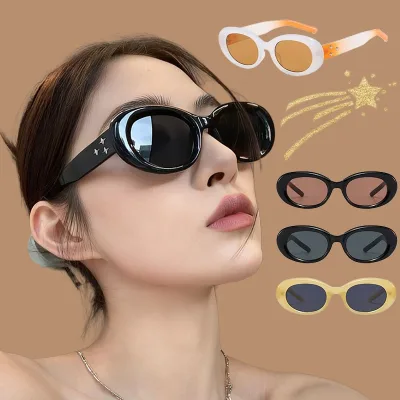


Comprehensive Sourcing Guide
Strategic Sourcing Guide for Retro Cat Eye Sunglasses
The global market for eyewear continues to evolve, with the retro cat eye silhouette maintaining a robust position in the fashion accessory sector. For B2B procurement professionals, sourcing this specific style requires a nuanced understanding of the intersection between vintage aesthetics and modern manufacturing standards. The following guide outlines the critical technical, compliance, and logistical factors necessary for a successful procurement strategy, grounded in the observable data points of the current supply landscape.
Technical Specifications and Material Composition
When evaluating Retro Cat Eye Sunglasses, the primary technical differentiator lies in the frame material and lens composition. The supply chain for this category presents a diverse array of materials, each offering distinct advantages regarding durability, weight, and aesthetic finish. Procurement teams must carefully review the specific material attributes of the target SKUs. In the current market, frames are frequently constructed from high-grade alloys or acetate. Alloy frames often provide a lightweight yet durable structure suitable for mass-market fashion items, while acetate offers a richer, more premium feel often associated with higher-end vintage reproductions.
The lens material is equally critical for both optical performance and safety. Data from the current product pool indicates a split between Polycarbonate (PC), Nylon, and Glass options. PC lenses are highly impact-resistant and lightweight, making them a standard choice for safety-compliant eyewear. Nylon lenses offer excellent optical clarity and flexibility, often preferred for sport-oriented or high-movement applications. Glass lenses, while providing superior scratch resistance and optical fidelity, are heavier and more fragile, requiring careful handling during logistics. Buyers must verify the specific lens material for each order, as this directly influences the product's end-use classification and shipping requirements.
Furthermore, the optical attributes of the lenses must be clearly defined. The observed market data highlights "UV" protection as a standard optical attribute, which is essential for any sunglass product. However, the specific UV rating (e.g., UV400) should be explicitly confirmed in the supplier's technical datasheet. Additionally, lens color options such as clear, green, and brown are prevalent, allowing for customization based on target demographic preferences. The frame color, predominantly observed as black in the current inventory, serves as a neutral base that complements the retro cat eye shape, though customization options are widely available to meet specific brand requirements.
Compliance, Certification, and Regulatory Standards
Navigating the regulatory landscape is a non-negotiable aspect of sourcing eyewear for international markets. The product data indicates that suppliers often hold a suite of certifications, including CE, ISO 13485, BSCI, and ISO 9001. These certifications serve as vital indicators of a supplier's commitment to quality management systems and social responsibility.
The CE mark is particularly significant for the European market, signifying that the product meets EU safety, health, and environmental protection requirements. For medical or optical-grade eyewear, ISO 13485 certification is crucial, as it specifically addresses quality management systems for medical devices, ensuring a higher level of traceability and risk management. ISO 9001 provides a baseline for general quality management, while BSCI certification reflects adherence to social compliance standards regarding labor practices.
In terms of physical specifications, the supply data reveals specific standard dimensions, such as 54-16-138, 57-13-136, 55-20-145, 58-20-143, and 57-15-140. These numerical sequences typically represent the lens width, bridge width, and temple length in millimeters. Procurement teams must verify that the selected model's dimensions align with the intended demographic, whether targeting general wearers, women, or specific face shapes like round faces. The absence of a universal standard means that buyers must cross-reference these measurements against their target market's anthropometric data to ensure fit and comfort.
Cost Drivers and Pricing Dynamics
The pricing structure for Retro Cat Eye Sunglasses is influenced by a complex interplay of material costs, customization levels, and order volume. The observed price range in the current market spans from $0.39 to $11.00 USD. This wide variance suggests that the final unit cost is heavily dependent on the specific configuration of the product. Lower price points are typically associated with basic PC lenses, standard alloy frames, and minimal customization. Conversely, the upper end of the price spectrum likely reflects the use of glass lenses, acetate frames, or advanced optical treatments.
Minimum Order Quantity (MOQ) is another significant cost driver. The observed MOQ range extends from 3 units to 2,400 units. This flexibility allows buyers to test the market with small batches or commit to large-scale production runs. However, the relationship between MOQ and unit price is inverse; higher volumes generally secure lower per-unit costs. Buyers must calculate the total landed cost, which includes the unit price, shipping, duties, and any tooling fees for custom molds or logos.
Customization plays a pivotal role in cost allocation. The data confirms that logo customization and frame color variations are available. While these features add value and brand differentiation, they often incur additional setup costs or require higher MOQs to be economically viable. Procurement strategies should balance the desire for unique branding with the budgetary constraints imposed by these variable costs.
Typical Applications and Market Segmentation
Retro Cat Eye Sunglasses serve a versatile range of applications, extending beyond simple sun protection. The product attributes indicate suitability for various occasions, including weddings, engagements, and parties. This positions the product firmly within the fashion and lifestyle accessory sector. The "Vintage Sunglasses" and "Fashion Sunglasses" style classifications further reinforce their role as trend-driven items rather than purely functional eyewear.
The target demographic is broad, with data noting suitability for "Unisex," "General," "Women," and "Round Face" wearers. This versatility allows buyers to target multiple market segments simultaneously. For instance, a specific model with a "Full frame" design and "One-Piece" nose support might be marketed specifically to women seeking a classic look, while a lighter alloy version could be positioned as a unisex accessory for casual wear.
Additionally, some product listings mention usage for "Optical" purposes, suggesting that certain frames in this category may be designed to accommodate prescription lenses. This dual functionality expands the potential market to include optical retailers and vision care professionals who require stylish frames for their customers. Understanding these application nuances is essential for matching the right product specifications to the right sales channel.
Supplier Evaluation and Operational Capabilities
Selecting the right supplier requires a rigorous evaluation of their operational capabilities and production capacity. The supply data indicates that many suppliers are factories, offering direct manufacturing capabilities. This can provide advantages in terms of cost control, lead time management, and quality assurance. The "Factory: Yes" attribute suggests that buyers can potentially negotiate directly on production processes and material sourcing.
Lead times are a critical factor in supply chain planning. The observed lead time range is 30 to 50 days. This window must be factored into inventory planning and marketing launch schedules. Buyers should verify if this lead time includes the customization process or if it is based on standard stock items. Furthermore, the "Capability" attributes listed, such as "High Quality Low Price," "Large Stock," and "Fast Shipping," should be validated through site audits or reference checks to ensure they are not merely marketing claims.
Packaging is another area where supplier capabilities vary. Options range from simple OPP packing to more robust solutions involving outer boxes, inner boxes, and sealed pockets. For high-value items or those intended for retail display, the "Carton Box" or "Outer Box+Inner Box+Sealed Pocket" configurations are preferable. The supplier's ability to accommodate customized packaging is a significant differentiator for brands looking to create a cohesive unboxing experience.
Quality Control and Long-Term Procurement Considerations
Ensuring consistent quality is paramount when sourcing fashion accessories. The "100% Brand New" and "High Quality in EU and Au" attributes highlight the importance of condition and regional compliance. Buyers should implement a robust quality control protocol that includes pre-production sample approval, in-process inspections, and final random inspections (AQL standards). Given the variety of materials, such as glass versus PC, the inspection criteria must be tailored to the specific product. For glass lenses, impact testing and scratch resistance checks are essential. For alloy frames, checks for plating quality and hinge durability are necessary.
Long-term procurement considerations involve building a resilient supply chain. The availability of customization, including logos and frame colors, allows for brand evolution over time. However, buyers must maintain clear documentation of all technical specifications and standards to ensure consistency across production batches. The "Standard" dimensions observed (e.g., 54-16-138) should be locked in the purchase order to prevent deviations.
Furthermore, the "High Quality Low Price" capability suggests a competitive market. Buyers should not solely focus on the lowest price but rather on the value proposition, which includes reliability, communication, and after-sales support. Establishing a long-term partnership with a supplier who understands the nuances of the retro cat eye style can lead to better innovation and faster response times to market trends. Regular audits and performance reviews will help maintain the high standards required for success in the global eyewear market.
Conclusion
Sourcing Retro Cat Eye Sunglasses requires a balanced approach that considers technical specifications, regulatory compliance, cost dynamics, and supplier reliability. By leveraging the observed data points regarding materials, certifications, and dimensions, buyers can make informed decisions that align with their brand strategy and market demands. The flexibility in customization and the wide range of price points offer significant opportunities for differentiation. However, success depends on rigorous due diligence, clear communication of requirements, and a commitment to quality control throughout the procurement lifecycle. As the market continues to favor vintage-inspired designs, a strategic sourcing approach will be the key to capturing this enduring trend.
FAQs
What certifications do Retro Cat Eye Sunglasses typically hold?
These products often carry CE, ISO 13485, BSCI, and ISO 9001 certifications. Buyers should verify these specific marks to ensure compliance with European safety standards and quality management systems for medical or optical devices.
Which frame materials are available for this style?
Frames are commonly constructed from alloy or acetate materials. Alloy offers a lightweight and durable structure, while acetate provides a premium feel often associated with higher-end vintage reproductions.
Can buyers customize the logo and frame color?
Yes, logo customization and frame color variations are available for these sunglasses. Buyers can request specific branding and colors, though these customizations may require higher minimum order quantities to be economically viable.
What is the typical lead time for production?
The standard lead time ranges from 30 to 50 days for these items. This duration should be factored into inventory planning, and buyers must confirm if the timeline includes the customization process.
How does the price range vary for these sunglasses?
Prices typically span from 0.39 to 11 USD per unit depending on configuration. Lower costs usually involve basic PC lenses and alloy frames, while higher prices reflect glass lenses or acetate materials.
What are the standard dimensions for these frames?
Standard dimensions include lens width, bridge width, and temple length like 54-16-138 or 57-13-136. Buyers must cross-reference these measurements against their target demographic to ensure proper fit and comfort.
Which lens materials are used in this category?
Lenses are frequently made from PC, Nylon, or Glass materials. PC offers impact resistance, Nylon provides optical clarity, and Glass ensures superior scratch resistance but requires careful handling during logistics.