Source Retro UV400 Sunglasses for beach, driving, and daily wear
Explore 30 listings of Retro UV400 Sunglasses with varying frame materials like PC and acetate, lens types including polarized and UV400 protection, and customizable logo options. Buyers can compare specifications, origins from Zhejiang and Shenzhen, and pricing to find suitable eyewear for fashion or functional use.
Key considerations
Products List
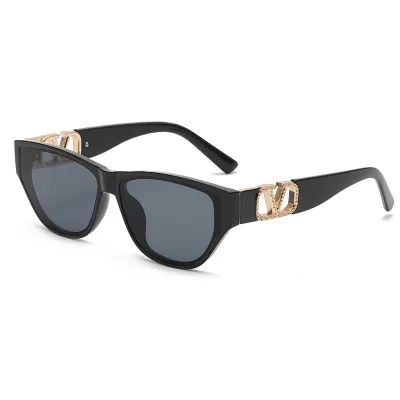


UV400 Round Frame Vintage Sunglasses with Different Colour Lens (M40510)
$1.00 - $3.00
MOQ: 1200 Pieces


Comprehensive Sourcing Guide
Strategic Sourcing Guide for Retro UV400 Sunglasses
Understanding the Product Category and Technical Specifications
The global market for retro-style eyewear has expanded significantly, driven by consumer demand for vintage aesthetics combined with modern optical protection. When sourcing "Retro UV400 Sunglasses," buyers must first distinguish between the stylistic elements and the functional requirements. The core keyword implies a specific visual design language—often characterized by rounded frames, cat-eye shapes, or thick acetate borders—paired with a critical optical standard: UV400 protection. This standard ensures that the lenses block 100% of ultraviolet radiation up to 400 nanometers, covering both UVA and UVB spectrums.
Based on observed market data, the frame materials for these products vary widely, with Polycarbonate (PC) and Acetate being the most prevalent options in the current supply chain. PC frames offer high impact resistance and lightweight durability, making them suitable for active lifestyles, while Acetate frames provide a premium feel and are often preferred for their ability to hold intricate vintage patterns and colors. The lens materials also present a choice between standard TAC (Triacetate Cellulose) and polarized options. TAC lenses are cost-effective and provide the necessary UV400 filtration, whereas polarized lenses add glare reduction, a feature often highlighted in product listings as a premium attribute.
The optical attributes are non-negotiable for this category. Listings frequently specify "UV400" as a primary feature, but buyers must verify this through documentation rather than relying solely on marketing claims. The frame color palette is extensive, ranging from classic Black, Brown, and Tortoise to vibrant options like Red, Blue, Purple, and Multi-color finishes. Some suppliers offer "Clear" or "Transparent" frames, which align with specific retro trends. The model numbers observed in the market, such as 22051, 23SA005, and VS9008S, indicate that manufacturers often produce distinct SKUs for different retro sub-genres, including visor styles and light-colored variations.
Compliance and Certification Verification
In the B2B procurement of eyewear, compliance is not merely a formality but a critical risk management step. While many suppliers list certifications such as CE, FDA, and ISO9001, buyers must treat these as observations to be verified rather than guaranteed attributes of every listed product. The CE mark, for instance, indicates conformity with health, safety, and environmental protection standards for products sold within the European Economic Area. However, the presence of this mark on a product page does not automatically validate the specific batch being ordered without accompanying test reports.
Buyers should request specific documentation to confirm that the UV400 claim is backed by independent laboratory testing. The standard for optical safety often references dimensions such as 51-19-140 mm, which describes the lens width, bridge width, and temple length. This specific numerical range suggests a standard sizing protocol, but it is essential to confirm that the actual product dimensions match the buyer's target market requirements. Furthermore, the "FDA" reference in supplier profiles typically points to compliance with US Food and Drug Administration regulations regarding medical devices and optical products, though the exact scope of this certification varies by manufacturer.
The ISO9001 certification indicates that the supplier has a quality management system in place, which is a positive indicator for process consistency. However, this certification applies to the manufacturing process, not necessarily to the specific optical performance of a single pair of sunglasses. Therefore, a robust compliance strategy involves requesting a Certificate of Analysis (CoA) or a third-party test report for UV transmission and impact resistance for the specific model number being procured. Relying solely on the "CE" or "ISO9001" tags without verification can lead to non-compliant goods entering the supply chain, potentially resulting in customs seizures or liability issues in the destination market.
Cost Drivers and Pricing Dynamics
The pricing structure for Retro UV400 Sunglasses is influenced by a complex interplay of material costs, customization requirements, and order volume. The observed price range in the market spans from $0.39 to $60.00 per unit, a disparity that reflects the vast difference between basic mass-produced items and premium, customized designs. The lower end of this spectrum typically corresponds to products with PC frames, standard TAC lenses, and minimal customization, often sourced from high-volume manufacturing hubs in Zhejiang and Shenzhen.
Conversely, the higher price points are driven by the use of Acetate frames, polarized lenses, and extensive customization services. The "Customization" attribute is a significant cost driver; suppliers that offer logo placement, custom packaging, and bespoke color matching will charge a premium. The "OEM" (Original Equipment Manufacturer) and "ODM" (Original Design Manufacturer) capabilities mentioned in product listings indicate that the supplier can adapt the product to the buyer's brand identity, which adds value but also increases the unit cost.
Order Volume is another critical factor. The Minimum Order Quantity (MOQ) ranges from 1 to 5,000 units. While some suppliers offer low MOQs to attract new buyers, the unit price will be significantly higher. As the order volume increases, the economies of scale kick in, reducing the per-unit cost. However, buyers must balance the cost savings of large orders against the risk of inventory holding and the potential for style obsolescence. The "Selling Units" being listed as "Single item" suggests that some suppliers are flexible, but the "Carton Box" and "OPP Bag" packaging details indicate that bulk shipping logistics must be factored into the total landed cost.
Typical Applications and Market Segmentation
Retro UV400 Sunglasses serve a diverse range of applications, from casual fashion accessories to specialized protective gear. The "Style" attribute, often described as "Fashion," "Vintage," or "Newest Fashionable," indicates that the primary application is aesthetic enhancement. These products are marketed towards unisex demographics, with specific models designed for "Round Face" shapes or general "Unisex" wear. The "Usage" is frequently listed as "Decoration," highlighting their role as a fashion statement rather than purely functional eyewear.
However, the functional aspect cannot be overlooked. The "UV400" and "Polarized" attributes make these sunglasses suitable for outdoor activities where eye protection is necessary. The "Light-colored Sunglasses" and "Visor Sunglasses" types suggest niche applications, such as sports or specific fashion subcultures. The "Gender" attribute, listed as "Unisex Women Men," confirms that the product is designed for a broad audience, allowing buyers to target a wider market segment without needing separate product lines for men and women.
The "Design" and "Type" attributes further segment the market. "Vintage Luxury Sunglasses" target a premium segment willing to pay for high-quality materials and branding, while "Special Sunglasses" may cater to specific functional needs. The "Keyword" "Sunglasses 2023 Fashionable" suggests that these products are aligned with current trends, making them ideal for retailers looking to stock seasonal inventory. Understanding these applications helps buyers align their procurement strategy with their specific target customer base, ensuring that the product features match the intended use case.
Supplier Evaluation and Sourcing Strategy
Evaluating suppliers for Retro UV400 Sunglasses requires a meticulous approach to verifying their capabilities and reliability. The "Place of Origin" is a key indicator, with Zhejiang, China, and Shenzhen being prominent manufacturing hubs. These regions have established supply chains for eyewear, offering a mix of cost efficiency and technical expertise. However, the "prod_origin" can vary even within the same region, with some suppliers located in Wenzhou, Zhejiang Province, indicating a need to verify the specific factory location.
Buyers should prioritize suppliers who demonstrate transparency in their "Customization" capabilities. The ability to accept "Customized Logo," "Material," "Color," and "Shape" changes is a strong indicator of a flexible and capable manufacturer. The "Logo" attribute, listed as "Accept Customized Logo," suggests that the supplier has the infrastructure for branding, which is essential for private label buyers. Additionally, the "OEM" acceptance confirms that the supplier is willing to produce goods under the buyer's brand name.
When evaluating suppliers, buyers should look for evidence of consistent quality control. The "Feature" attribute, often described as "High Quality," is a subjective claim that must be validated through samples and audits. Suppliers who provide detailed specifications, such as "Single package size: 18X19X2 cm" and "Single gross weight: 0.190 kg," demonstrate attention to detail in their product definition. The "prod_packing" details, such as "1PCS/OPP Bag, 15 PCS/Inner Box and 300PCS/Cn," provide insight into the packaging efficiency and shipping logistics, which are crucial for cost calculation.
Quality Control and Long-Term Procurement Considerations
Implementing a rigorous quality control (QC) protocol is essential for maintaining brand reputation in the sunglasses market. Given the variability in frame materials and lens optical attributes, buyers should establish clear acceptance criteria before production begins. The "Lenses Optical Attribute" must be verified to ensure it meets the UV400 standard, and the "Frame Material" must match the specified type, whether PC or Acetate. Visual inspections should check for defects in the frame color, such as inconsistencies in the "Red, Blue, S Black, Purple" options, and ensure that the "Lenses Color" matches the ordered specification.
Long-term procurement considerations involve building a sustainable relationship with suppliers who can adapt to changing market trends. The "Style" and "Design" attributes indicate that fashion is a dynamic field, and buyers must work with suppliers who can quickly pivot to new trends. The "Custom Items" capability, including "Logo/Material/Color/Shape," allows for continuous product evolution. Buyers should also consider the "Lead Time" and "MOQ" flexibility, as these factors impact inventory management and cash flow.
To mitigate risks, buyers should implement a phased ordering strategy, starting with small test orders to verify quality and compliance before committing to larger volumes. Regular audits of the supplier's manufacturing process and quality control systems can help ensure consistent product performance. Finally, maintaining open communication regarding "Certification" and "Standard" requirements ensures that the supply chain remains compliant with international regulations, protecting the buyer from potential legal and reputational issues.
Comparative Analysis of Key Product Attributes
To facilitate decision-making, the following table summarizes the key attributes observed in the market for Retro UV400 Sunglasses. This comparison highlights the variability in specifications and helps buyers identify the features that align with their specific requirements.
| Attribute Category | Common Variations Observed | Strategic Implication |
|---|---|---|
| Frame Material | PC, Acetate, Stainless | PC offers durability; Acetate offers premium feel; Stainless offers unique aesthetics. |
| Lens Material | TAC, Polarized | TAC is cost-effective; Polarized adds glare reduction and premium value. |
| Optical Protection | UV400, Polarized | UV400 is the baseline; Polarized is a value-add for outdoor use. |
| Frame Color | Black, Red, Blue, Multi, Clear | Wide range allows for diverse fashion targeting; "Clear" is a niche trend. |
| Customization | Logo, Color, Shape, Material | Essential for private label; increases unit cost but adds brand value. |
| Packaging | OPP Bag, Inner Box, Carton | Bulk packaging (300PCS/Cn) reduces shipping costs; individual packaging adds cost. |
| Origin | Zhejiang, Shenzhen, Wenzhou | All are major hubs; verify specific factory location for quality assurance. |
| Certifications | CE, FDA, ISO9001 (Claimed) | Must be verified with test reports; do not assume compliance based on listing. |
This table underscores the importance of detailed specification checks. While the market offers a wide array of options, the buyer's success depends on selecting the right combination of materials, features, and supplier capabilities to meet their specific market needs. By focusing on verified attributes and maintaining a rigorous quality control process, buyers can effectively navigate the complex landscape of Retro UV400 Sunglasses sourcing.
FAQs
Can I get a customized logo on these retro sunglasses?
Yes, you can get a customized logo on these retro sunglasses as the product accepts custom logos. Suppliers also allow customization of material, color, and shape to meet your specific branding needs.
What frame materials are available for these sunglasses?
The available frame materials include Polycarbonate and Acetate for these sunglasses. Polycarbonate offers high impact resistance while Acetate provides a premium feel suitable for vintage designs.
Which certifications do the manufacturers typically hold?
Manufacturers typically hold CE, FDA, and ISO9001 certifications for these sunglasses. These certifications indicate compliance with safety standards and quality management systems, though you should verify specific batch documentation.
How much is the minimum order quantity for these items?
The minimum order quantity ranges from 1 to 5000 units for these items. Lower MOQs allow for smaller test orders, while larger volumes often reduce the per-unit cost through economies of scale.
Where are these sunglasses primarily manufactured?
These sunglasses are primarily manufactured in Zhejiang and Shenzhen, China. Specific origins include Wenzhou in Zhejiang Province, which is a known hub for eyewear production with established supply chains.
What is the price range for these sunglasses?
The price range for these sunglasses is between 0.39 and 60 USD per unit. The cost varies based on frame material, lens type, and the extent of customization required for your order.
Can I order single items for testing purposes?
Yes, you can order single items for testing purposes as the selling unit is listed as a single item. This flexibility allows buyers to verify quality before committing to bulk orders.